REVIEW · CHARLESTON
2-Hour Guided Kayak Eco Tour in Charleston
Book on Viator →Operated by Charleston Outdoor Adventures · Bookable on Viator
Salt marsh kayaking in Charleston is the kind of plan that feels quietly perfect. You’ll paddle through tidal creeks and saltmarsh waters around Bowens Island, with a guide steering you toward the best spots for wildlife and marsh life. It’s part outdoor exercise, part lowcountry nature class, and the small-group setup helps keep it personal.
I love that you’re not just dropped into the water. You get a safety talk, then hands-on help with the foot-driven steering system, so you can focus on paddling (and spotting wildlife) instead of fighting the kayak. I also like the small-group max of 12, which makes it easier to keep the route together and get real answers when questions pop up.
The one thing to consider is conditions. Wind can turn a “leisurely” paddle into more work, and wildlife sightings can be spotty depending on tides and timing, so you’ll want to come with flexible expectations.
In This Review
- Key highlights worth caring about
- Bowens Island Launch: Where Your 2-Hour Paddle Starts
- Foot-Driven Steering and Safety Talk: Make the Kayak Feel Easy
- Two Hours on Tidal Creeks Behind Folly Beach: What the Route Really Means
- Wildlife Odds: Dolphins, Turtles, Birds, and the Reality of Marsh Timing
- Meet the Guides: How Their Style Shapes the Experience
- What’s Included (and What You Should Bring Anyway)
- Price and Value: Why Guided Marsh Kayaking Pays Off
- Who Should Book This Kayak Eco Tour—and Who Should Think Twice
- Should You Book Charleston Outdoor Adventures’ 2-Hour Eco Kayak Tour?
- FAQ
- How long is the 2-Hour Guided Kayaking Eco Tour in Charleston?
- Where does the tour start?
- Do I get my own kayak?
- Do I need to know how to swim?
- What should I bring and wear?
- Is it suitable for kids?
- Is there a weight limit for the kayaks?
- Can I cancel and get a refund?
Key highlights worth caring about
- Bowens Island launch means calmer marsh vibes and a quick path to the water.
- Foot-driven steering practice helps beginners feel in control fast.
- 2 hours on the tidal creeks behind Folly Beach with a guide who knows where to look.
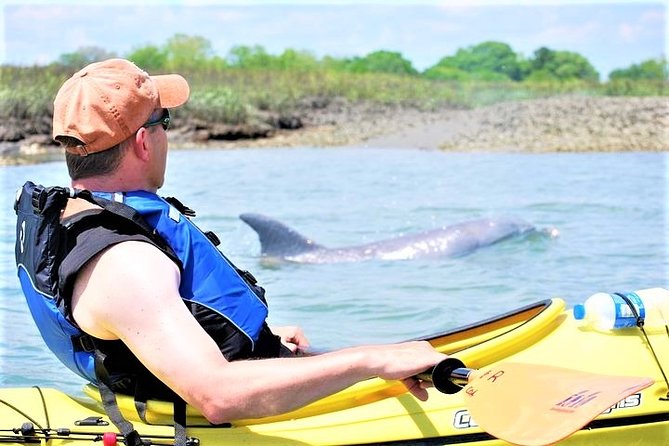
- Wildlife targets include dolphins, loggerhead sea turtles, wading birds, crabs, and pelicans.
- Dry bag included so your phone doesn’t become part of the estuary.
- Small-group tour (max 12) keeps the experience from turning into a herd.
Bowens Island Launch: Where Your 2-Hour Paddle Starts
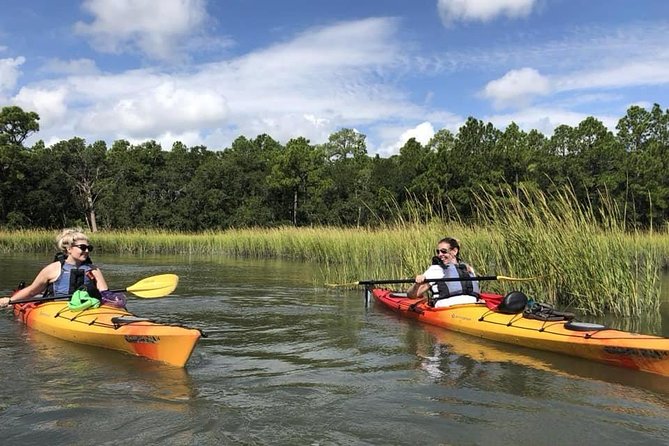
Your trip begins at 1871 Bowens Island Rd, Charleston, SC 29412. You’ll launch from the Bowens Island area with Charleston Outdoor Adventures, and you’ll head out on tidal creeks and saltmarsh waters for about two hours total. Plan to arrive 15 minutes early so you can get set without feeling rushed.
This is one of those locations where the logistics are straightforward. There’s complimentary onsite parking, and the area is described as near public transportation too. That matters because you don’t want your day’s “prep time” to eat all your energy before you even hit the water.
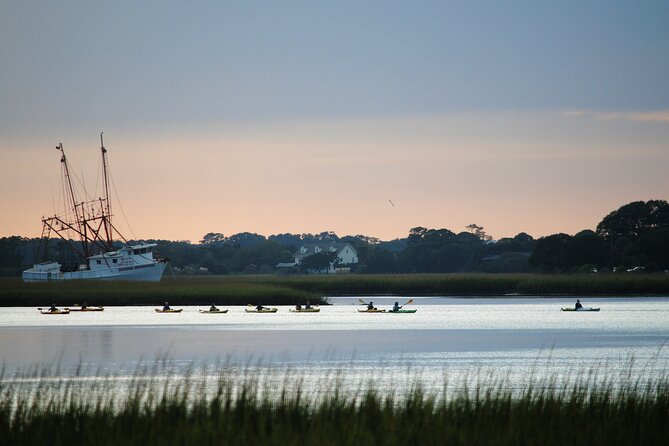
Also, think about timing. If you catch an end-of-day slot, the return to the landing can line up with sunset lighting over the marsh. One recent evening paddle shared that the sunset back near the launch felt awe-inspiring, and that’s the kind of payoff that’s hard to fake with any other photo spot.
Foot-Driven Steering and Safety Talk: Make the Kayak Feel Easy
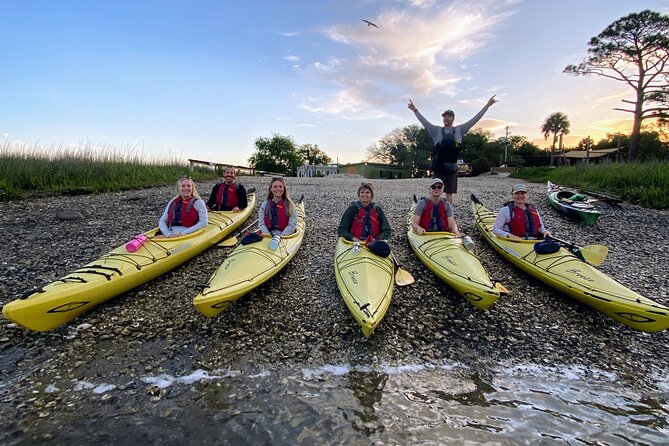
Before you paddle, you’ll get a brief instructional session plus a clear safety discussion. The big early win is learning the foot-driven steering system. It’s the kind of detail that can make or break your first hour—once you know how to guide the kayak with your feet, your hands can stay on the paddles and your balance improves fast.
You’ll also get all required gear, including a personal floatation device (PFD). And yes, PFD use isn’t optional here; you’re required by law to wear one while kayaking or paddleboarding. On top of that, you’ll get a dry bag for your phone or other small items, which is a simple but very real comfort.
What to wear is worth taking seriously. Bring shoes that can get wet. A good warning from a recent paddle: oyster shells can be sharp, so go with beefy sandals or water shoes that won’t fall apart after your first scrape. Also bring water, sunscreen, sunglasses, and a hat—Lowcountry sun doesn’t negotiate.
Two Hours on Tidal Creeks Behind Folly Beach: What the Route Really Means
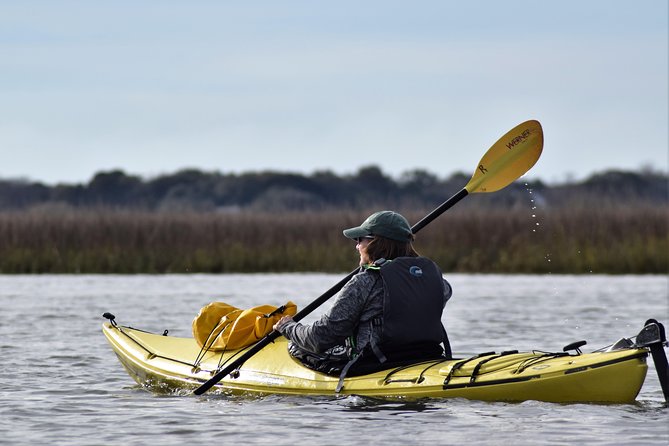
Once you push off, you’ll explore Charleston’s tidal creeks and saltmarsh—described as going out on the water behind Folly Beach. That routing matters because saltmarsh isn’t one generic “marsh picture.” The tidal movement shapes the water depth, the shoreline edges, and where animals feed.
Expect a guided pace that mixes active paddling with time to look and listen. Your guide will talk about the value and functions of major ecosystems, not as trivia, but as a way to understand why you’re seeing what you’re seeing. In practical terms: marsh edges pull in birds, shallow mudflats create feeding zones, and the tidal rhythm shifts the best spots from one moment to the next.
Wildlife possibilities include:
- Atlantic bottlenose dolphins
- Loggerhead sea turtles
- Wading birds in the shallows (think herons and egrets)
- Crabs and other invertebrates on mudflats
- Pelicans feeding along the route (you may see them swoop and plunge into the water)
One nice bonus from the guide-led format: you’re not guessing where to point your paddle. The guide’s job is to help you “read” the water and shoreline and decide where to slow down and watch.
Wildlife Odds: Dolphins, Turtles, Birds, and the Reality of Marsh Timing
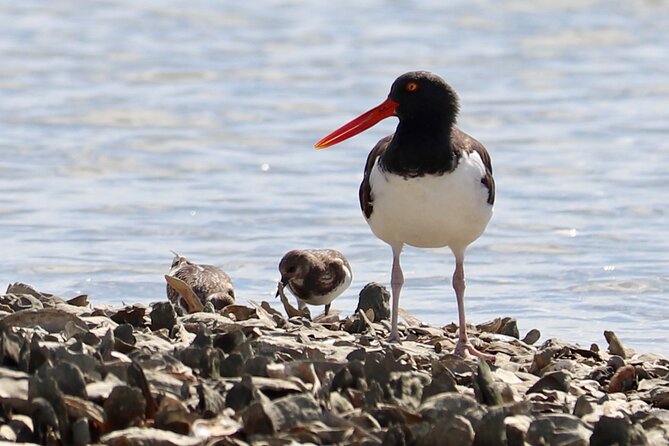
Wildlife sightings are never a guarantee on any marsh tour. Tides, wind, and time of day can change animal behavior fast. Still, this is a wildlife-focused paddle, so you’re going out with a guide whose whole aim is to help you spot creatures in their natural habitat.
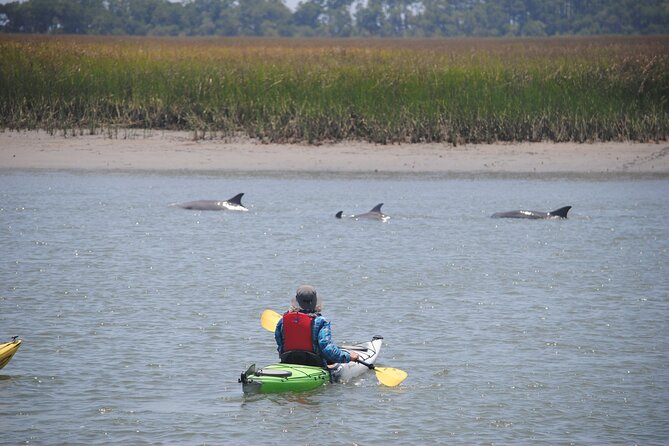
Dolphins are a frequent headline here. Multiple recent paddles mention seeing dolphin activity close to the group—sometimes pods right from the start, and sometimes the kind of repeated sightings that feel like a pattern rather than a lucky glitch. Sea turtles show up as well, though you may not always get a clear view.
Bird watching is a steady theme too. People reported crabs and birds like egrets and herons, plus pelicans overhead or working the water. One account also noted baby sharks feeding during the paddle, which is exactly the kind of reminder that the marsh food web is more active than most people expect.
If wind picks up, expect a shift. One review called out that a windy day made the trip feel more talk-heavy than paddling-heavy. That’s a fair trade-off sometimes—safety and route management come first—but you should know that “amount of effort” can vary with conditions.
Meet the Guides: How Their Style Shapes the Experience
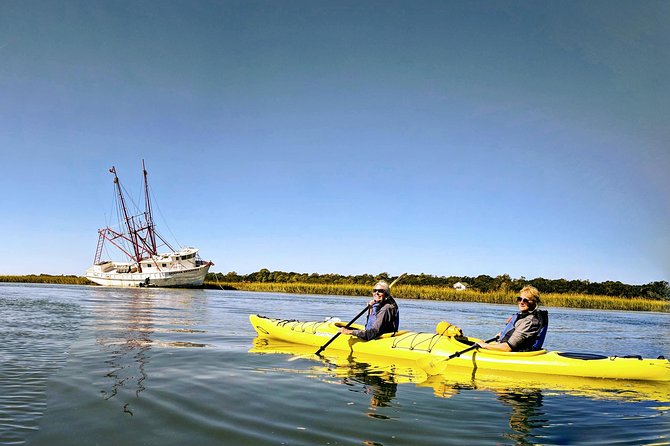
This tour lives and dies with the guide’s flow, and the names matter because they’re showing up consistently in recent feedback. KD is described as senior and bringing a mix of friendly humor and real marsh insight. Alexandra stood out for sharing route-relevant info and making the marsh ecosystem and history feel alive, even on an unusually cloudy day.
For families and teens, pace and attention matter. Aiden and Jack are both mentioned as keeping the trip relaxed while holding interest, with Aiden specifically cited as perfect for newcomers who only kayak a handful of times. Emily brought an educational feel, including a hands-on style of learning about pluff mud—described as silky, and even used as a fun science moment on skin.
Weather and timing also influence the route, and guides help you get the best conditions available. One paddle highlighted that the guide built the route around high tide after rain in the prior days. That’s the kind of “in-the-moment planning” you can’t replicate alone.
Finally, if you’re first-timer nervous, that matters too. Some comments note easy transitions onto the water and no problem for people trying kayaking for the first time. Just keep in mind: you are paddling for two hours, so you’ll want reasonable upper-body stamina and comfort in wet footing.
What’s Included (and What You Should Bring Anyway)
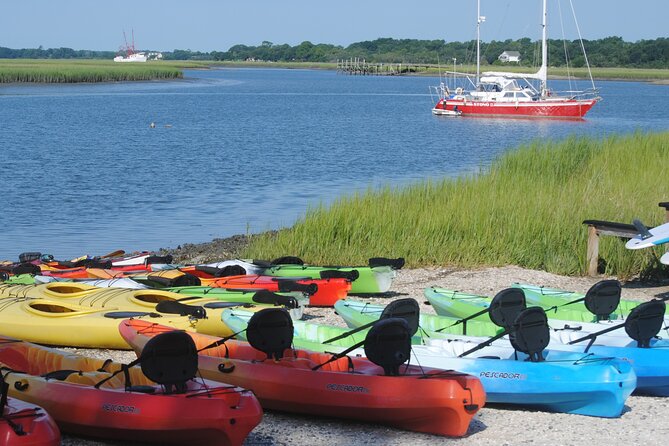
This tour is set up so you don’t have to shop for kayaking gear. You’ll get:
- Kayak and paddles
- PFD
- A dry bag for phone and personal items
- A professional guide
You can choose between a single or tandem kayak. For kids: children under 13 must be accompanied by an adult in a tandem kayak, and you’ll need to arrange a tandem kayak for that setup. Weight limits are listed too: 350 lbs for a one-person kayak and 650 lbs for a two-person kayak.
What you should bring is mostly standard sun-and-water stuff:
- Water
- Sunscreen
- Sunglasses and a hat
- Shoes that can get wet
- A camera if you want to capture dolphins, birds, and the muddy marsh edges
Clothing guidance is straightforward: wear clothes that can get wet, with synthetic material best and no cotton or jeans. Afternoon rain is common in the Lowcountry, and this tour goes rain or shine, so having rain gear is a smart move.
Price and Value: Why Guided Marsh Kayaking Pays Off
There’s a big difference between renting a kayak and taking a guided eco tour. On open water, being “somewhat near shore” can still mean you miss the best wildlife edges. Here, the value comes from the guide’s ability to position the group for what’s likely to appear—dolphins at the right moments, birds working shallows, and the general flow of where life concentrates in marsh conditions.
You’re also getting safety and coaching built into the experience: steering instruction, PFD use, and route pacing designed for the group. That matters because the marsh can be quiet and flat-looking, yet still be affected by wind and tides. In other words, it’s not hard kayaking—but it does require attention.
Small-group size boosts that value further. With a maximum of 12 people, it’s easier to hear the guide, spot wildlife together, and keep the group moving with less confusion than larger operations.
And because equipment is included, you’re not paying to piece together rentals and safety gear. The included dry bag is small, but it removes one of the most common trip-frustrations: worrying about your phone turning into a wet science experiment.
Who Should Book This Kayak Eco Tour—and Who Should Think Twice
This works well for most people and is frequently described as relaxing, approachable, and beginner-friendly. If you’ve never kayaked, you can still have a great time because the instruction covers steering and you’ll get guidance once you’re out there.
It also fits nature lovers who want animals in context—why they’re feeding, what the marsh does, and how tides change what you see. If you enjoy educational outdoor tours, this is a solid option.
Think twice if you want an all-out paddling workout every minute. On windy days, you might paddle less than you hoped. And if your main goal is guaranteed dolphin spotting, you’ll need to accept that wildlife is wildlife, and timing affects sightings.
Should You Book Charleston Outdoor Adventures’ 2-Hour Eco Kayak Tour?
If you want an easy-to-join way to see Charleston’s marsh world up close, I’d book it. The combination of included gear, a guide who knows the route, and a small-group setup is exactly what makes marsh kayaking feel worth your time instead of just being wet paddling.
Book it especially if:
- You care about wildlife viewing with context, not just scenic water.
- You’d benefit from learning the foot-driven steering early.
- You want a tour that can still feel fun and relaxed, even when conditions aren’t perfect.
Skip it only if you’re chasing a guaranteed animal checklist or you’re expecting two hours of uninterrupted hard paddling. In the Lowcountry marsh, the best plan is a patient one.
FAQ
How long is the 2-Hour Guided Kayaking Eco Tour in Charleston?
The tour runs about 2 hours.
Where does the tour start?
The meeting point is 1871 Bowens Island Rd, Charleston, SC 29412, USA. The tour ends back at the meeting point.
Do I get my own kayak?
You can choose a single or tandem kayak. Kayaks are provided with the tour.
Do I need to know how to swim?
No. You do not need to swim, but you will be required to wear a personal floatation device (PFD), and PFDs are on the boats.
What should I bring and wear?
Bring water, sunscreen, sunglasses, a hat, and shoes that can get wet. Wear clothes that can get wet, with synthetic material best, and avoid cotton or jeans.
Is it suitable for kids?
Yes, but children under 13 must be accompanied by an adult in a tandem kayak. You’ll need to contact in advance to arrange the tandem kayak.
Is there a weight limit for the kayaks?
Yes. The limit is 350 lbs for a one-person kayak and 650 lbs for a two-person kayak.
Can I cancel and get a refund?
Yes. You can cancel for a full refund up to 24 hours before the experience starts. Less than 24 hours before the start is not refunded, and changes within 24 hours aren’t accepted.