REVIEW · ARUSHA
Big Five Classic Safari in Tanzania **Sustainable Travel approach
Book on Viator →Operated by World Adventure Tours · Bookable on Viator
The savanna moves fast, even on safari days. This 7-day Big Five classic takes you through key Northern Circuit parks, with lots of time in the vehicle chasing lions, elephants, black rhinos, leopards, and buffalo.
Big Five focus is the headline, but what makes it work is the routing: it links the stand-out animal areas of Tanzania instead of bouncing randomly between places.
I really like two things about this trip. First, the small-group setup means better viewing: custom open-roof 4×4 safari vehicles and window seats, with a maximum of 6 travellers per vehicle. Second, the price feels more complete than many safari deals because it includes meals, accommodation, and park entry fees, so you can budget without constant add-on surprises.
One consideration: this is a high-pace safari. You’ll be in the car for long stretches on multiple days, and you should have moderate physical fitness for the crater day and the overall schedule.
In This Review
- Key things to know before you go
- Entering Kilimanjaro Country: your arrival day in Moshi
- Tarangire National Park: the river that keeps drawing animals
- Serengeti en route: Maasai village and Olduvai options
- Full day in Serengeti: kopjes, predators, and migration country
- Ngorongoro Crater descent: black rhino chances and Makat Soda Lake
- Lake Manyara: Rift Valley ecosystems and the chance of tree-climbing lions
- Safari ride comfort: open roofs, window seats, and bottled water
- Price and value: what you’re really paying for
- Sustainable travel approach: what you can infer from the structure
- Who this safari fits best
- Should you book this Big Five Classic safari?
- FAQ
- Where does the safari start and end?
- Which parks are included in the 7-day itinerary?
- How many people are in the group and how do the vehicles work?
- What’s included in the price?
- What’s not included?
- Is pickup offered?
- Is the safari suitable for someone with only moderate fitness?
- Can this booking be changed or refunded?
Key things to know before you go
- Small group, better game viewing: maximum 15 travellers total, and max 6 per vehicle.
- Northern Circuit hits the classics: Tarangire, Serengeti, Ngorongoro Crater, and Lake Manyara.
- Custom 4x4s with open roofs: built for spotting wildlife from where you sit.
- Black rhino time at Ngorongoro: the crater floor is one of the best places for this species in the region.
- Lake Manyara’s special ecosystems: you’ll be hunting animals and birds across very different habitats.
- Value comes from what’s included: meals, lodging, park fees, and airport transfers are part of the package.
Entering Kilimanjaro Country: your arrival day in Moshi
Day 1 starts at Kilimanjaro International Airport. After customs, you’re met by your driver holding a sign with your name, and then you transfer to Moshi. You’ll overnight at Springlands Hotel (or similar) with breakfast.
Why this matters: arriving with a driver already lined up takes away the first-stress problem. You’re not trying to sort out transport while you’re tired, and you start the safari with one less moving piece.
One more practical point: your itinerary hints that weather can be mixed. A recent review noted good time outdoors during the day and rain at night, which is exactly the kind of pattern that can happen in Tanzania depending on season. Bring rain gear you’ll actually use, not just a tiny umbrella.
You can also read our reviews of more tours and experiences in Arusha.
Tarangire National Park: the river that keeps drawing animals
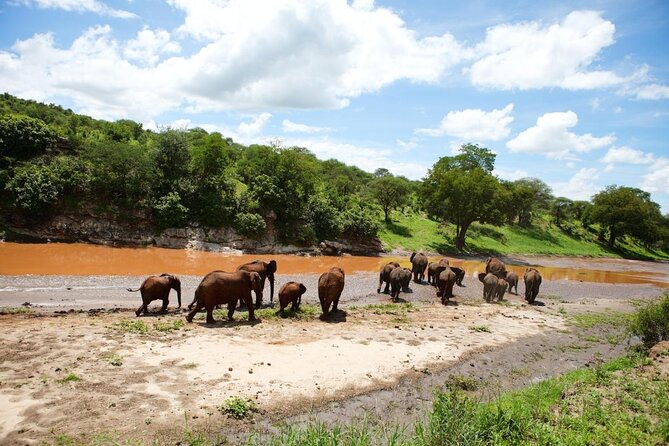
Tarangire is the warm-up safari. You drive there in the morning and spend about a full day in and around the park’s varied setting—grassy plains, swamps, hills, and the famous baobabs. The key feature here is the Tarangire River, which never dries up. In the dry season, that makes it a magnet for wildlife and birds.
What you should expect: lots of animals gathering around water sources, plus strong chances for big views with giraffe and elephants moving through open areas. Tarangire also tends to give you better “animal behavior” moments than parks where everything feels like it’s happening in one tiny corner.
A nice detail is that the park’s scenery changes enough that your drives don’t feel repetitive. You might start the day thinking in savannah terms, then see swampy pockets, baobab clusters, and more wooded areas as you move around.
Serengeti en route: Maasai village and Olduvai options
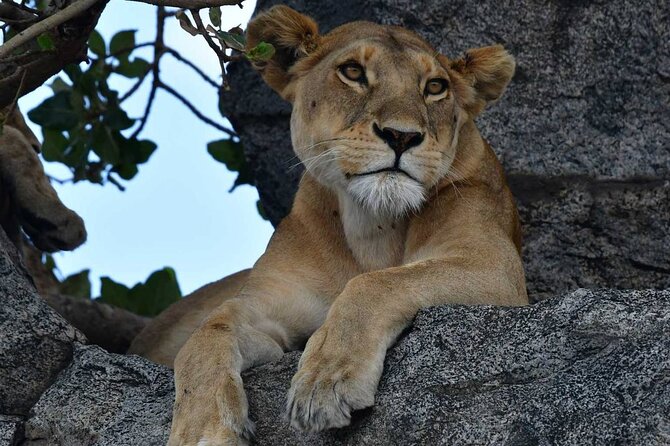
On Day 3 you head toward Serengeti National Park after breakfast. Serengeti means endless plain, and the park lives up to the idea once you’re out on the grasslands.
The day includes optional culture add-ons on the way. You can visit a Maasai village (not included in the package), and you can also stop at Olduvai Gorge / Olduvai Gorge museum at your own cost. After that, you’ll enjoy a game drive en route to camp.
Here’s how to think about this day:
- If you want the classic safari rhythm, you’ll probably treat the village stop as a short cultural break and focus more time once you reach Serengeti.
- If human history interests you, Olduvai Gorge is a meaningful stop, even if it’s not part of the core price.
Either way, the real value of Day 3 is the transition. It’s not just “travel day,” because you’re still driving through wildlife country and setting up for proper Serengeti time the next day.
Full day in Serengeti: kopjes, predators, and migration country
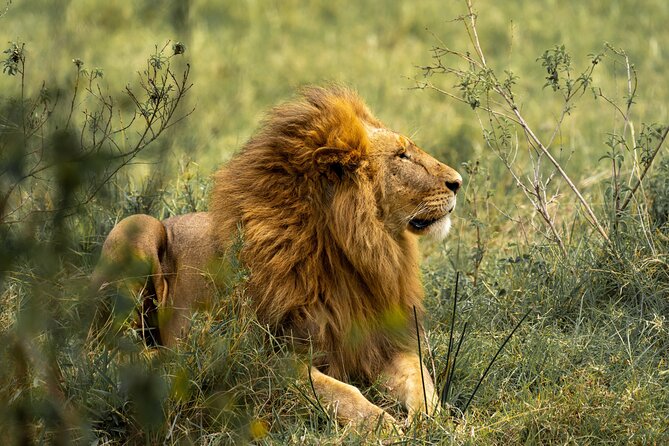
Day 4 is the big Serengeti day: a full slate of game drives. Serengeti has multiple habitat zones—open grass plains, acacia-dotted areas, hilly regions, and woodland—and that variety affects what you see.
Your best theory here is simple: in a place this big, you need time and a guide who knows where to position you. Serengeti gives you multiple “hunting styles” to watch:
- prey moving across open plains,
- predators working around cover,
- and chances around rocky outcrops (kopjes), which can act like natural observation posts.
Also, the itinerary calls out the Great Wildebeest Migration. Migration timing changes by year, but even when the massive river-crossing drama isn’t in front of you, you can still see strong herds and predator activity.
What I like about structuring Serengeti like this is that you don’t burn the day rushing from one quick stop to the next. You’re given the time to let patterns show up.
Ngorongoro Crater descent: black rhino chances and Makat Soda Lake
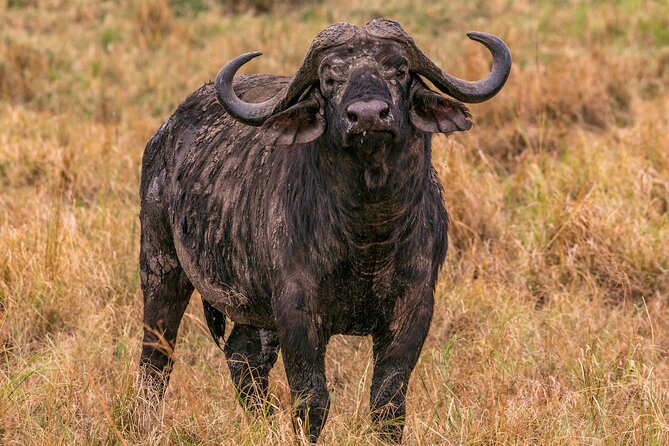
Ngorongoro is Day 5, and it’s a “wow” day for a reason. In the morning, you’ll do a game drive en route, then descend into the Ngorongoro Crater for driving and exploration.
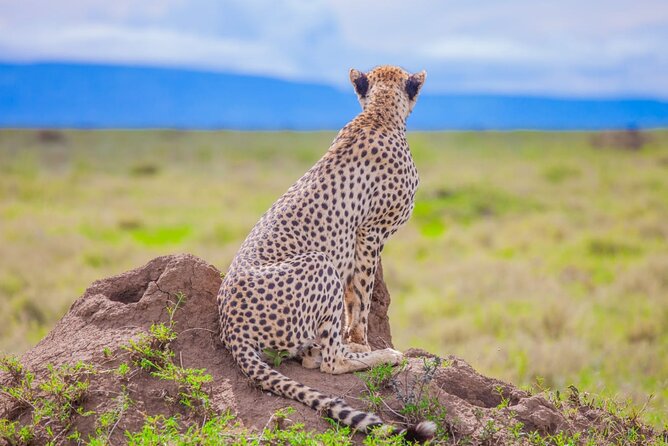
The crater is massive—about 600m deep and roughly 16km across. On the crater floor you’ll find open grassland with grazing wildlife, including Tanzania’s remaining black rhinos. The itinerary also mentions up to around 20,000 large animals in the crater area, plus species like lion and cheetah, and antelope-type grazers such as eland, zebra, and gazelle.
A practical wildlife tip: when you enter an area like Ngorongoro, patience pays off. The animals are often spread out across the floor, so you’re looking for movement, not just a single “hit.” This is also where good guiding really shows—you want someone who can read the terrain and keep you in the game.
Birding shows up too. The plan includes time around Makat Soda Lake, where flamingos (and other bird species) can feed. If you’re the type who enjoys spotting birds as well as mammals, Ngorongoro can deliver.
Lake Manyara: Rift Valley ecosystems and the chance of tree-climbing lions
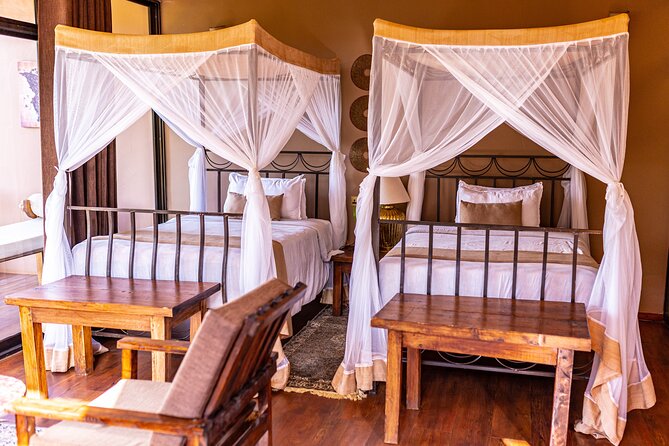
Day 6 takes you to Lake Manyara National Park, set against the Rift Valley escarpment. The park’s draw is variety: evergreen groundwater forest, acacia woodland, grassy plains, a swampy fan delta, and the lake itself.
That diversity matters because it changes your odds. One hour might feel like you’re hunting through woodland edges, and another hour might be all open shoreline or swampy habitat. Manyara is also known for rare tree-climbing lions, and while that doesn’t mean you’ll see them on command, it does mean the park supports that behavior.
The itinerary points to solid mammals you can expect to look for: buffalo, impala, giraffe, bushbuck, waterbuck, hippos, and elephants near the lake. On the primate side you may spot blue monkeys and velvet monkeys, and there’s mention of very active olive baboons.
If Serengeti is about big-scale predator-prey energy, Manyara often feels more like a close-up wildlife puzzle. You’ll be watching small movements and listening for where animals are shifting across different habitats.
Safari ride comfort: open roofs, window seats, and bottled water
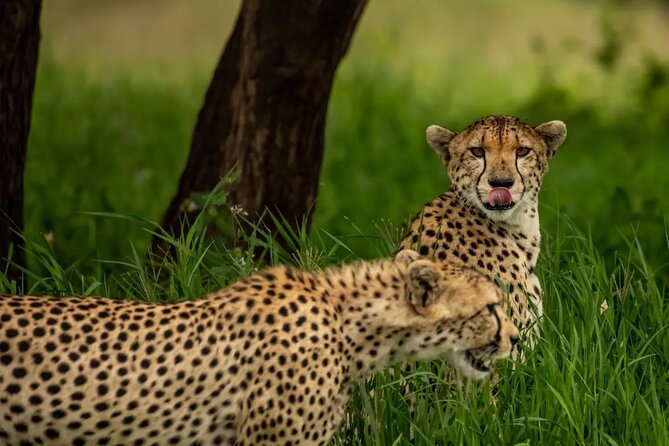
This tour is very specific about how you travel in the parks. You’re in custom-designed 4×4 safari vehicles with open roofs for game viewing. It’s also a seat-in-vehicle safari with all travellers having window seats, and maximum 6 travellers per vehicle.
Why that’s a big deal: on safari, your “viewing time” is your real currency. Open roofs help you spot animals sooner and get better sightlines. Window seats help you relax your posture and keep scanning without constantly shifting.
You also get bottled water in the safari vehicles, which is a simple inclusion that actually improves comfort on hot game-drive days.
Price and value: what you’re really paying for
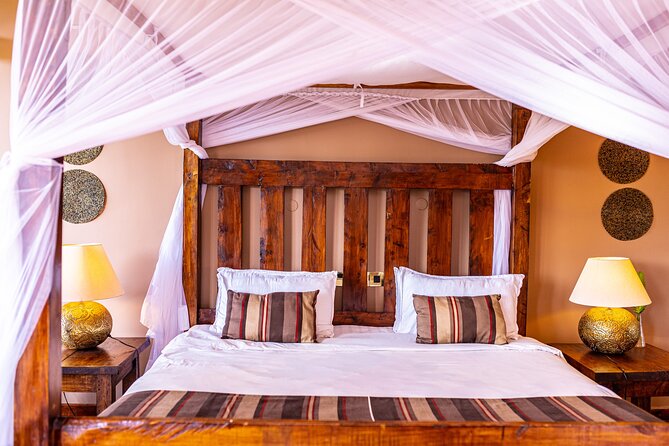
The price is $1,785.00 per person for an approximately 7-day safari in Tanzania. You’re also told it’s frequently booked far in advance (171 days on average), which often signals limited availability or high demand during peak seasons.
Value-wise, the most important line items are included:
- All meals and accommodation
- Park entry fees and all fees/taxes
- Transfers to and from the airport
- A professional English-speaking driver/guide
- Bottled water in the safari vehicles
What’s not included is also clear:
- international flights and Tanzania entry visa
- travel and health insurance
- balloon excursion
- gratuities
- and the Maasai village tour and Olduvai Gorge tour
So when you compare this safari to “cheaper” options that suddenly charge you for park fees and meals later, the math usually comes out better here. You’re paying for the full safari machine: lodging, food, the right transport, and access to the parks.
The one thing to watch: this is non-refundable and can’t be changed. If your dates are flexible, plan carefully before locking it in.
Sustainable travel approach: what you can infer from the structure
The experience is labeled with a Sustainable Travel approach, and while the exact sustainability practices aren’t spelled out in the details you provided, the structure does suggest a couple of practical, lower-impact choices:
- Small groups (max 15 total) and max 6 per vehicle reduce crowding and keep the safari experience calmer.
- Using one professional driver-guide throughout helps reduce logistics churn.
- Including park fees within the package helps you stay compliant and limits the chance of improvising access in the field.
If sustainability matters to you, I’d treat that label as a promise worth confirming with the operator when you book. Ask what specific actions they take beyond small-group operations.
Who this safari fits best
This safari is a strong match if you:
- want a classic Northern Circuit Big Five itinerary without adding extra park segments yourself,
- like the idea of small vehicles and window-seat viewing,
- and want most logistics handled: airport transfers, meals, and park fees are in the package.
It’s also a good fit for first-time safari planners, because the day-by-day flow is clear: arrival, then Tarangire, then Serengeti (including a full day), then Ngorongoro, then Lake Manyara, then back to Kilimanjaro.
If you hate long car days, you may find the pace tiring. This trip assumes you can handle a schedule where wildlife sightings are the priority over resting.
Should you book this Big Five Classic safari?
I think it’s a smart book if you want a high-quality “greatest hits” safari circuit with fewer add-ons to manage. The package is built around what matters on safari—time in the parks, strong viewing setup (open-roof 4x4s, window seats), and a routing that touches multiple top wildlife regions.
Before you book, just be honest about two things:
- You’re committing to long days and a busy schedule.
- The booking terms are strict, so make sure your dates are truly set.
If you want a Big Five-focused trip that feels organized, not chaotic, this one is worth your attention.
FAQ
Where does the safari start and end?
It starts with pickup at Kilimanjaro International Airport, with a transfer to Moshi on Day 1. On the last day, you’ll have a morning of leisure and then be transferred back to Kilimanjaro airport for your flight home.
Which parks are included in the 7-day itinerary?
The safari includes Tarangire National Park, Serengeti National Park, Ngorongoro Crater, and Lake Manyara National Park.
How many people are in the group and how do the vehicles work?
The tour has a maximum of 15 travellers overall, and safari vehicles carry a maximum of 6 travellers per vehicle. Vehicles are custom 4x4s with open roofs and all travellers have window seats.
What’s included in the price?
The package includes all fees and taxes, all meals, accommodation, a professional English-speaking driver/guide, bottled water in safari vehicles, and transfers to and from the airport.
What’s not included?
Not included are international flights, Tanzania entry visa, travel and health insurance, balloon excursion, gratuities, and the Maasai village tour and Olduvai Gorge tour.
Is pickup offered?
Yes, pickup is offered with transfers to and from the airport.
Is the safari suitable for someone with only moderate fitness?
The tour description says travellers should have a moderate physical fitness level.
Can this booking be changed or refunded?
No. This experience is non-refundable and cannot be changed for any reason.
If you tell me your travel month and whether you prefer more wildlife time or more comfort stops, I can help you sanity-check if this pace matches your style.