REVIEW · PICTON
Bird Watching and Dolphin Eco-Tour to Blumine Island
Book on Viator →Operated by E-Ko New Zealand Ltd · Bookable on Viator
Dolphins and rare birds, in half a day. This Blumine Island eco-tour from Picton mixes a predator-free bird sanctuary with dolphin searching in the outer Queen Charlotte Sound. I love the way the marine biologists’ spotting skill guides your eyes to the right places, and I also like that you get live commentary while you cruise between sites. The one thing to plan for is weather: the Sounds can get wet and blustery, and you’ll still be out on the water and walking on the island.
This is run by E-Ko New Zealand Ltd, and the guiding style shows up fast—proper briefing first, then species-focused time on the island and a close watch from the boat. In my kind of trip, that balance matters: you’re not just cruising for scenery, you’re there for wildlife with real help from the crew (names I’ve seen include Bella, Will, Alice, and Captain Andy, plus Hannah as part of the onboard team). If you want a totally hands-off experience with no walking at all, you might find the island time a bit more active than expected.
In This Review
- Key things I’d plan for on this Blumine + dolphin tour
- Picton to Queen Charlotte Sound: what the cruise time is really for
- Blumine Island access and the DOC reserve no-bag rule
- Orange-fronted kakariki and king shags: the birds you’re aiming for
- The rare busbird connection (and how to judge the walk)
- Dolphins in sheltered waters: how to maximize your sighting odds
- Guides and captain-led spotting: why names matter
- What’s included (and what you’ll want to handle yourself)
- Price and value: €112.18 for a half-day that actually targets wildlife
- Who should book this eco-tour in the Marlborough Sounds?
- Should you book Bird Watching and Dolphin Eco-Tour to Blumine Island?
- FAQ
- Is this tour from Picton to Blumine Island?
- How long does the tour take?
- What wildlife are you looking for on the tour?
- Does the tour include food or drinks?
- What’s included in the price of €112.18?
- Are dolphins guaranteed?
- Do I need to bring a bag to the DOC reserve?
- Can I cancel for a full refund?
Key things I’d plan for on this Blumine + dolphin tour
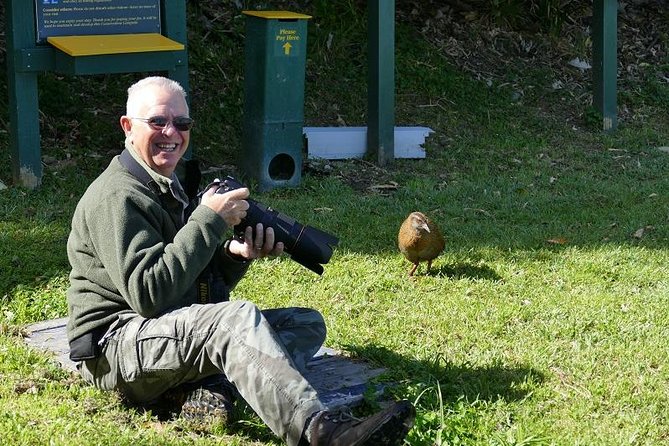
- Predator-free Blumine Island means birds have a fighting chance, including orange-fronted kakariki and king shags
- No-bag DOC reserve time keeps the sanctuary rules simple, but it limits what you can bring ashore
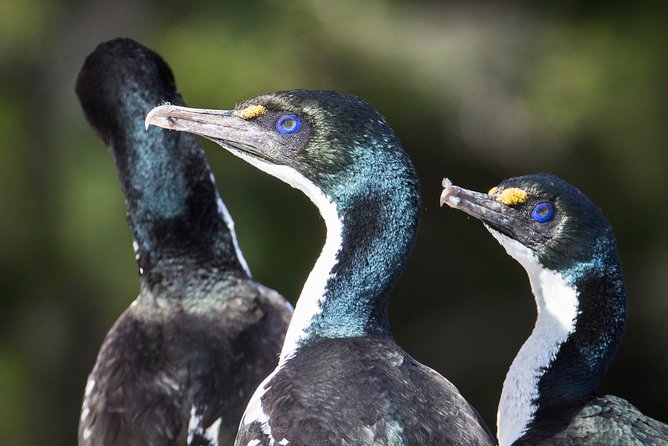
- High-probability bird sightings: king shags are listed at a 99% success rate, and the rare busbird at 98%
- Dolphins searched in sheltered waters during the cruise portion, with onboard narration guiding where to look
- A small group cap (max 30) so your questions and sightings get real attention
- Light refreshments included, so you’re not stuck hungry mid-cruise
Picton to Queen Charlotte Sound: what the cruise time is really for
The tour starts at E-Ko Tours on Wellington Street in Picton, and you’ll settle in at E-Ko Shop first. It’s set up for waiting: you get free Wi‑Fi, hot drinks, and restrooms, plus a wildlife display so you’re already thinking birds and marine life before you head out.
Once you depart, the main job of the boat isn’t just transport—it’s spotting time. You’ll cruise the outer Queen Charlotte Sound at a pace that supports scanning for wildlife, and the crew gives live commentary so you’re not guessing what you’re seeing. That matters on the water, because birds can look like random specks until you know what to watch for.
The duration is about 3 to 4 hours, so the schedule is tight. That’s good if you’re short on time in Marlborough Sounds, but it also means you’ll want to arrive ready to go—comfortable clothes on, water bottle in hand (if you’re allowed to bring one), and a layer for wind.
Blumine Island access and the DOC reserve no-bag rule
The core of the experience is a stop at Blumine Island, described as a predator-free bird sanctuary in the Queen Charlotte Sound area. This matters because it’s not an artificial zoo setup—the idea is protection in a natural setting, where the wildlife can behave like wildlife.
You’ll be guided while on the island, and then you’ll be dropped into a DOC reserve with no bags. That rule is practical: fewer items mean less mess and less disturbance. It also means you should travel light. If you’re bringing camera gear, plan how you’ll carry it without needing a bag on shore.
If you’re the type who likes to linger, the one caution is time on land is still limited. You’ll have a focused hour or so on the island area, built around spotting key species and learning what to look for—rather than hours and hours of wandering at your own pace.
Orange-fronted kakariki and king shags: the birds you’re aiming for
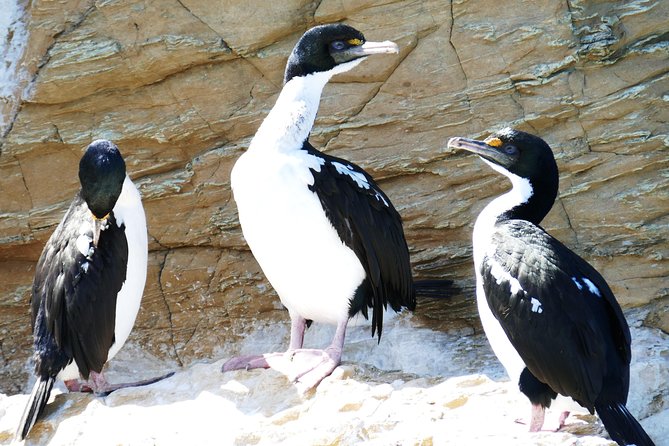
This tour is built around specific targets, and the highlight birds aren’t vague. Two big names in the itinerary are orange-fronted kakariki and king shags—and the success rates given for those species are part of the selling point.
Here’s how you’ll likely experience it in real life. Kakariki are small and active, so your best odds come from stopping where the guide tells you to stop and looking where movement is likely. The crew’s trained approach helps you move from I-think-I-saw-something to Oh, that’s it. The best part is you’re learning how to spot, not just being shown once.
King shags are a different kind of birdwatching moment. They’re often more visible once you know where to focus attention, and the tour emphasizes them as a major feature with a listed 99% success rate. That’s a huge deal for anyone who’s come to the Sounds specifically for seabirds.
There’s also a strong chance to connect to other seabirds and land birds in the protected area. One of the special extras that has shown up in the experience includes time near nesting boxes, with sightings like blue penguin chicks in a nesting box. Penguin activity can be seasonal and situational, so treat it as a possible bonus rather than a guaranteed promise—but it’s exactly the kind of moment that makes a short tour feel memorable.
The rare busbird connection (and how to judge the walk)
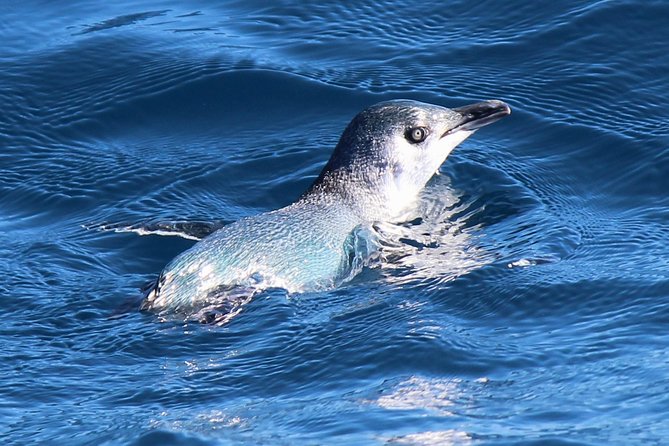
Another wildlife focus is the rare busbird, listed as part of what you can see in the DOC reserve with a 98% success rate. The busbird is a perfect example of why predator-free conservation matters: without protection, many small birds simply don’t hold on the way they need to.
You don’t need to be a lifelong birder to enjoy this. The tour is set up so the guide helps you interpret what you’re seeing—song, movement, and where birds tend to appear in the reserve. If you’re new to New Zealand birding, that kind of coaching is what makes the hour on the island feel worthwhile instead of random.
Physical effort is mild to moderate, but there can be a steeper section depending on the day and where the crew chooses to take you for the best sightings. I’d plan for short walking and getting your legs moving, even if you’re just doing it at a slow birding pace. If rain is heavy or wind picks up, you’ll want traction-friendly shoes and a jacket that cuts the spray.
Dolphins in sheltered waters: how to maximize your sighting odds
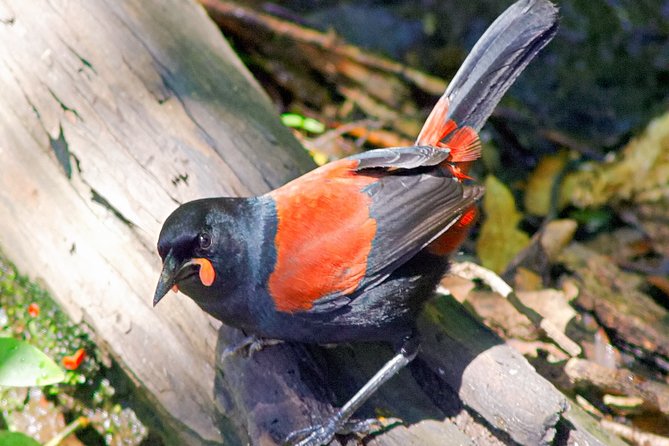
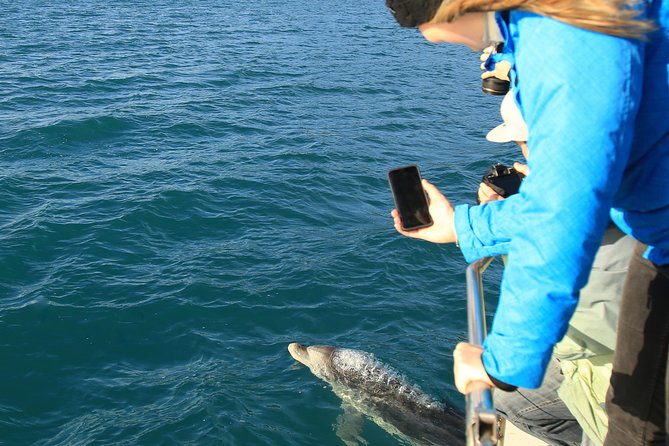
The dolphin portion is simple on paper: cruise and search sheltered waters for wild dolphins. In practice, dolphin watching is all about timing and attention. The crew scans while you’re moving, and the onboard commentary helps you understand what’s happening when the water changes—ripples, surfacing, and the right angles to watch from.
It’s not sold as dolphin viewing guaranteed, but the general promise is that they actively look. That’s the value of going with a local team rather than DIY: they’re looking for the right conditions and the right spots around the Sound.
One practical tip: bring your focus gear. Even if you don’t bring binoculars, you should still be ready with your eyes and a camera you can handle one-handed if wind is an issue. The best results usually come when you’re not trying to juggle everything at once.
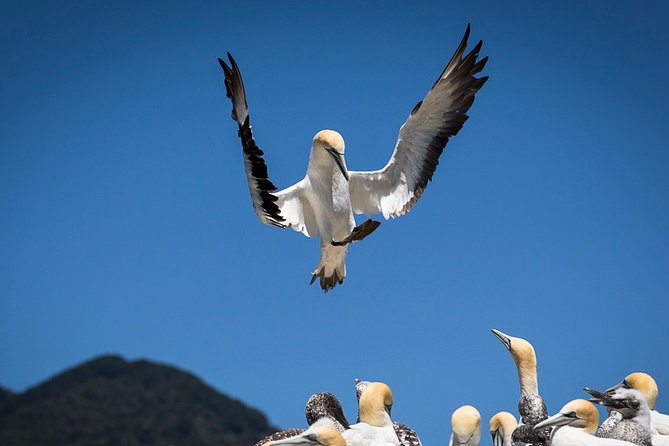
And yes, sometimes you’ll have days when dolphins are harder to find. On those days, the tour can still deliver with sea birds and other marine life, since the day is built around multiple wildlife targets, not a single make-or-break animal.
Guides and captain-led spotting: why names matter
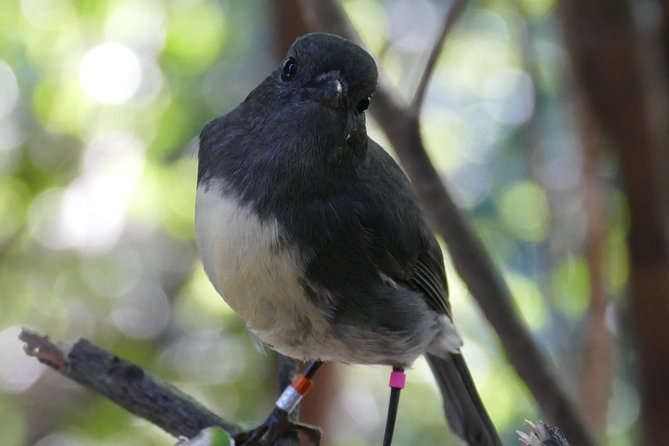
What turns this from a boat ride into a proper eco-tour is the human part. The guides I’ve seen referenced—like Bella, Will, and Alice—are tied to the same theme: they explain what you’re seeing and keep the group engaged with live, on-the-water learning.
Captain Andy (with crew member Hannah) shows up in the standout moments too, especially when conditions get tricky. That’s not just personality—it’s boat-handling plus wildlife scanning from the right vantage point. Dolphin watching and bird spotting both benefit from someone who knows how to position the boat without spooking wildlife.
If you’re traveling with kids, this matters even more. In the experience, the crew has been described as accommodating for younger travelers, including letting children take a turn at the wheel and offering warm drinks like hot cocoa on the way back. Even if you’re not traveling with kids, that kind of crew energy usually means the commentary stays clear and not lecture-y.
What’s included (and what you’ll want to handle yourself)
This tour is priced as an activity package, and it includes key costs that add up: professional guide, live commentary, national park fees, and light refreshments. It’s also structured as a mobile ticket experience, so you’re not juggling paper on the day.
What’s not included is transportation to and from the meeting point. Since the start is in Picton, you’ll likely handle getting there on your own—by car, rideshare, taxi, or local transit if you’re using public options (it’s listed as near public transportation).
Packing-wise, the no-bag instruction for the DOC reserve is the big constraint. Plan to bring only what you need for the island portion, and keep your wet-weather gear accessible. Bring a rain layer. Bring a warm layer. The Sounds don’t care about your itinerary.
Price and value: €112.18 for a half-day that actually targets wildlife
At €112.18 per person, this isn’t the cheapest thing to do in Picton. But it’s also not priced like a generic sightseeing cruise. You’re paying for several value drivers that matter on wildlife tours:
- a marine-biologist-style spotting approach (guides trained to help you see specific species)
- access to Blumine Island with national park fees included
- onboard narration during the cruise time
- light refreshments so the day stays comfortable for the full 3 to 4 hours
- a small group limit (max 30) that supports spotting effort
Half-day tours often get hit or miss because there’s no time to adjust. Here, the focus is on multiple targets: predator-free island birds plus marine mammal searching. That increases the odds you’ll leave satisfied even if one species is elusive on the day.
If your goal is a low-effort, high-control day, this may feel a bit structured. If your goal is wildlife with expert eyes in a protected setting, the price starts to look like a trade-off you can live with.
Who should book this eco-tour in the Marlborough Sounds?
I’d book this if you fit at least one of these boxes:
- You want birdwatching with real guidance, not just a casual walk
- You’re chasing specific species like orange-fronted kakariki and king shags
- You care about conservation settings, especially predator-free reserves
- You like the idea of combining land birds and marine mammals in one outing
- You want a short time commitment in a region where wildlife tends to be the payoff
It may be less ideal if you hate boats or you need a fully flat, zero-walking itinerary. The island time has rules (no bags) and can involve some walking. Also, dolphins are searched rather than guaranteed, so if you only want marine mammals with certainty, you might prefer a different kind of experience.
Should you book Bird Watching and Dolphin Eco-Tour to Blumine Island?
Yes, if you’re in Picton and you want a wildlife-forward half-day that uses expertise instead of hope. The biggest reason is the combination: a predator-free bird sanctuary plus active dolphin searching, all with live onboard commentary and trained guides helping you spot the birds that are otherwise easy to miss.
Book it when:
- you’re excited by rare bird targets (kakariki, king shags, and busbird)
- you’re comfortable with short walking and a light, no-bag island plan
- you’re traveling on a schedule where 3–4 hours is your best window
Skip it if:
- you’re looking for a relaxed cruise with zero rules and no island time
- you’re not prepared for wind and rain chances in the Sounds
FAQ
Is this tour from Picton to Blumine Island?
Yes. The experience starts at E-Ko Tours, 1 Wellington Street, Picton 7220, and it ends back at the same meeting point.
How long does the tour take?
The duration is listed as about 3 to 4 hours.
What wildlife are you looking for on the tour?
You’ll cruise the Queen Charlotte Sound for wild dolphins and visit Blumine Island, a predator-free bird sanctuary. The tour highlights orange-fronted kakariki, king shags, and also the busbird in the DOC reserve.
Does the tour include food or drinks?
Yes. You get light refreshments as part of the tour.
What’s included in the price of €112.18?
Included items are a professional guide, live commentary on board, national park fees, and light refreshments.
Are dolphins guaranteed?
The tour searches sheltered waters for wild dolphins, but the information provided does not say dolphins are guaranteed.
Do I need to bring a bag to the DOC reserve?
No. You are dropped in the DOC reserve with no bags.
Can I cancel for a full refund?
Yes. Free cancellation is available if you cancel up to 24 hours in advance of the experience start time. If you cancel less than 24 hours before, the amount paid is not refunded. The tour may also be canceled if a minimum number of travelers isn’t met, with an offer of another date/experience or a full refund.