REVIEW · BUSSELTON
Dunsborough Whale Watching Eco Tour
Book on Viator →Operated by Naturaliste Charters · Bookable on Viator
Whales here feel shockingly close. On this Dunsborough eco tour, you’re out on the water for about 2.5 hours with indoor space plus outdoor sightlines, and you can spot whales from multiple viewing levels (cabin, deck, and flybridge). I like that you also get complimentary tea and snacks while a marine guide explains what you’re seeing and where to look next.
The big thing to consider is weather. This trip depends on favorable conditions, and the ocean can still feel bouncy—so if you’re prone to motion sickness, plan for it.
In This Review
- Key things to know before you go
- Whale Seasons Around Dunsborough: When to Expect Humpbacks, Rights, and Blues
- Getting on the Water From Quindalup: The Boat Setup That Helps You See More
- What the Crew Looks For: Reading Whales Like a Pro
- The On-Board Experience: Tea, Snacks, and Meaningful Commentary
- Seasickness and Comfort: How to Prepare for a 2.5-Hour Sea Day
- Whale Viewing Value at About $75: What You’re Paying For
- Who This Tour Fits Best (and Who Might Want Another Option)
- The Bottom Line: Should You Book Dunsborough Whale Watching Eco Tour?
- FAQ
- How long is the Dunsborough whale watching eco tour?
- Where is the meeting point?
- What’s included in the ticket price?
- Does the tour include hotel pickup?
- What happens if no whales are sighted?
- When does the tour run?
Key things to know before you go
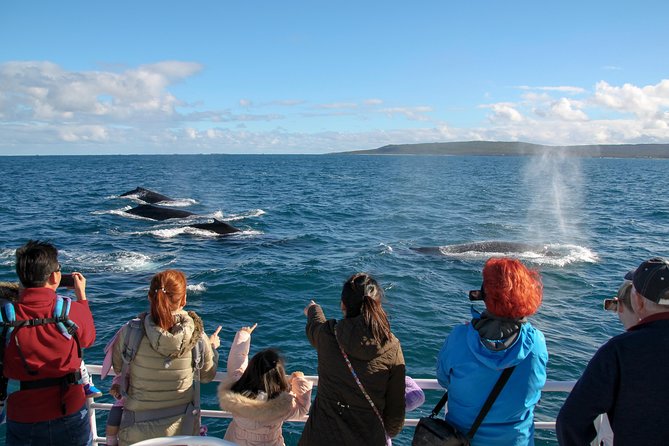
- Cabin, deck, and flybridge viewing so you can find the best angle fast
- Marine science commentary that helps you read whale behavior instead of guessing
- Complimentary morning or afternoon tea (coffee, tea, milo, green tea, biscuits)
- Smallish boat group for whale watching with a max of 90 travelers
- Return option if whales are missed (free return tour booked within one year, subject to availability)
- Species chances change with season across humpbacks, southern right whales, and (rarely) blue whales
Whale Seasons Around Dunsborough: When to Expect Humpbacks, Rights, and Blues
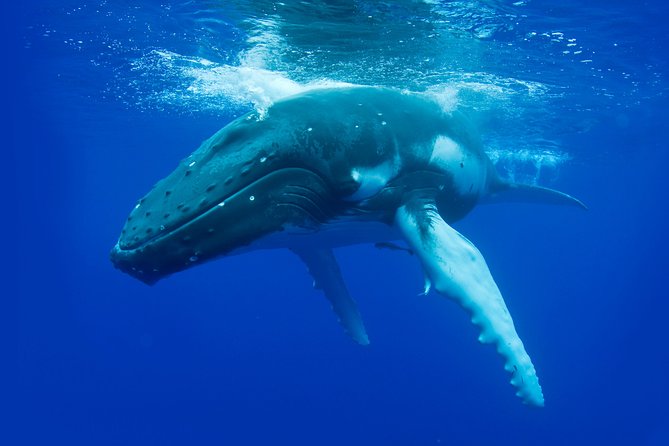
This part of Western Australia is built for whale watching, but timing matters. Dunsborough runs whale tours from August to November, while the Augusta season is late May until August. The broader Cape to Cape window is a longer six-month stretch when migrations from both directions can overlap, depending on the year.
In the water, you’re hoping to see a mix of whales including humpback whales, southern right whales, and sometimes the elusive blue whales. Blue whale sightings are the kind of thing you talk about for a long time, but the reality is they’re not guaranteed. The tour also notes that on rare occasions you may see blue and minke whales, which is exactly what you want to hear from a well-run wildlife operator: confident enough to talk species, honest enough not to promise them.
If your trip window is late in the year (for example, mid November), your odds can tilt toward what’s still around. That’s not a deal-breaker. Late-season trips can still deliver strong sightings, including close-up interactions with humpbacks—especially when whales are feeding or moving slowly.
You can also read our reviews of more tours and experiences in Busselton.
Getting on the Water From Quindalup: The Boat Setup That Helps You See More
Your departure point is Professional Fishermans Boat Ramp, 306 Geographe Bay Rd, Quindalup WA 6281. There’s no hotel pickup, so you’ll want to plan your own ride or local transport and give yourself enough buffer to park, check in, and get outside.
Once you’re aboard, the boat is purpose-built for this type of wildlife spotting. You get indoor seating plus a spacious deck, and you can look from the cabin, deck, or flybridge. That layout matters more than it sounds. When whales show up, the best view isn’t always the same for everyone—wind direction, sun glare, and where the captain positions the boat all affect sightlines. Multiple decks reduce the classic problem: being stuck in one spot watching other people see everything.
From the way people describe the experience, the crew actively encourages movement around the boat so you don’t feel trapped behind a rail. On calm days, you’ll feel more comfortable staying outside and scanning for blows and breaches. On choppier days, the indoor space gives you a place to reset your stomach without missing the action for long.
One practical note: this cruise is about 2 hours 30 minutes. That’s a sweet spot for wildlife watching—long enough to have chances, not so long that everyone starts to fade.
What the Crew Looks For: Reading Whales Like a Pro
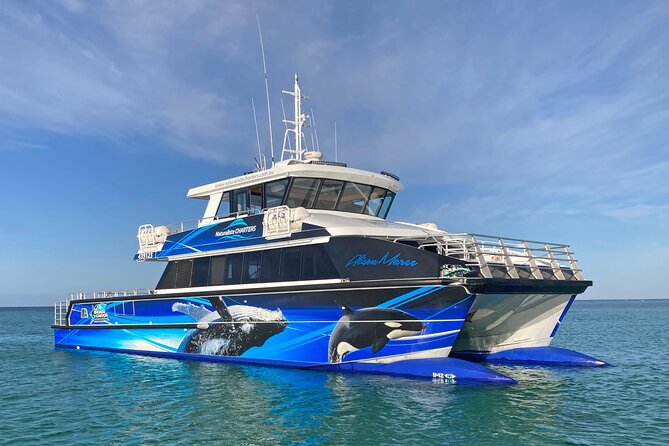
Even when whales are present, you still need to spot the right signs. The tour’s marine guide and trained crew help you do that, and the best whale watching happens when you understand what you’re seeing.
Here’s the kind of wildlife you might encounter:
- Humpback whales
- New Zealand fur seals
- Bottlenose and common dolphins
- Sea birds
- On rare occasions, blue and minke whales
What you’ll watch for changes by species, but the core signals are consistent. People often describe whales blowing at the surface, then moving just enough for you to track the direction of travel. If you’re lucky, you might see breaching and active play—those are the moments that make whale watching feel unreal, especially when animals come close.
One of the most praised parts of this tour is how the crew manages whale positioning respectfully. You’ll still be close enough to feel the excitement, but the approach aims to avoid crowding or blocking the animals’ natural behavior. That’s not just good ethics. It also makes the whole outing feel calm instead of chaotic.
And because it’s marine science-led, the commentary adds real value. Some guests specifically mentioned crew members like Jacko and Jade being strong at explaining whale and sea life behavior, including when breaches might happen. Even if you’re not a science person, that kind of context turns random sightings into a mini story you can follow.
The On-Board Experience: Tea, Snacks, and Meaningful Commentary
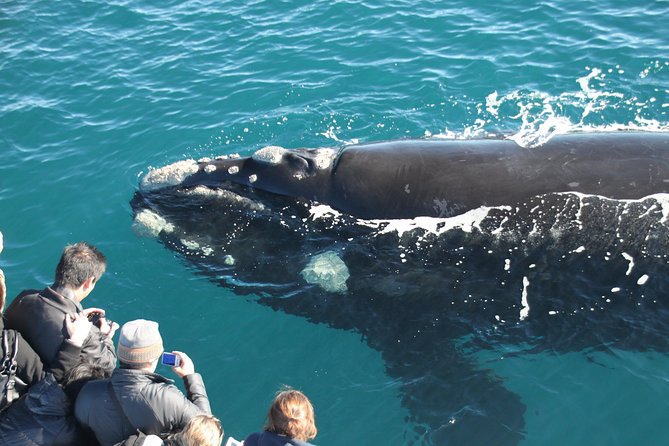
This isn’t a bare-bones “stand there and hope” whale hunt. You’re provided morning or afternoon tea, including coffee, tea, milo, green tea, and biscuits. That’s a small detail that makes a big difference on a cool coastal morning or when you’re out there scanning for a while.
The snacks also help you stay alert. Whale watching can be surprisingly mentally demanding: you’re watching for movement on a moving horizon, then reacting fast when the captain spots something. Having a warm drink and something to nibble keeps you from turning into a foggy, squinting zombie.
Most importantly, the crew’s commentary is part of the ticket. The tour description highlights that crew members are trained in marine science, and that shows up in how people talk about the experience. The goal isn’t just to say what animals are nearby—it’s to explain what the whales are doing and why that matters. When you understand that, you stop feeling like you’re waiting and start feeling like you’re participating.
There’s also a comfort factor. Guests describe the boat as modern and seaworthy, with enough space to move around. For most people, that means you can get your bearings fast, find a good sightline, and stay there without strain.
Seasickness and Comfort: How to Prepare for a 2.5-Hour Sea Day
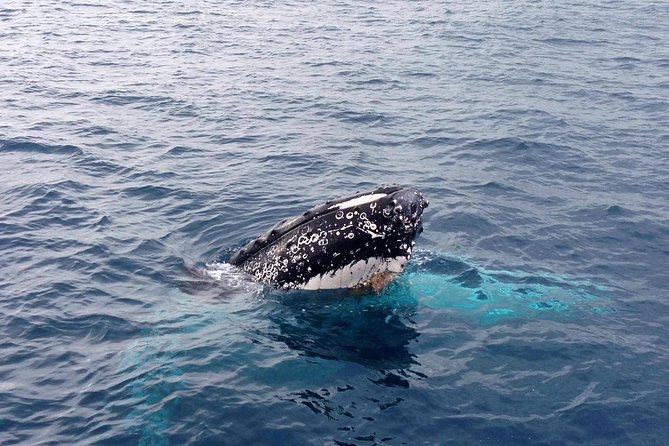
Let’s be practical. Even on a calm day, you’re on the ocean for a couple of hours, and some people feel it. One guest even called out the need to be prepared for seasickness, even though conditions were good.
So here’s how you should pack your “actually useful” kit:
- Bring a light jacket or layers, even in warmer months; sea air cools fast.
- Wear non-slip shoes or anything with grip for deck time.
- If you’re prone to motion sickness, consider taking medication before you board rather than waiting until you feel off.
- Bring sunglasses and a hat for glare, especially if you’re using the deck or flybridge.
The upside is that the boat has indoor seating, so you can step in when you need a break without ending your viewing day. People also describe lots of room to change positions, which helps if you’re trying to block wind or angle yourself toward the best spotting zone.
Whale Viewing Value at About $75: What You’re Paying For
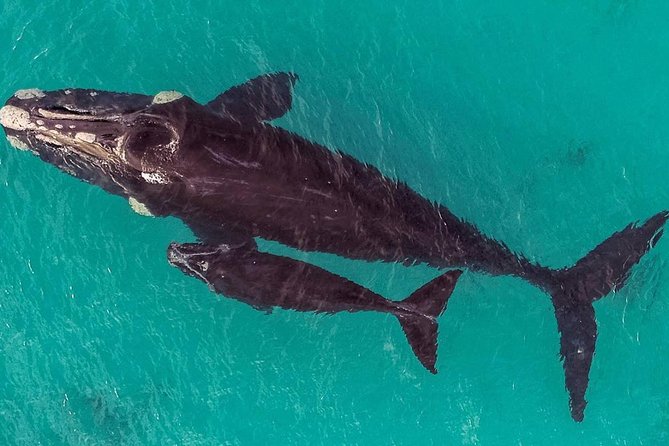
At $75.31 per person, this tour sits in the “worth it if you care about wildlife” category. The key is what your money buys besides the boat ride.
You’re paying for:
- a purpose-built vessel with indoor and multiple outdoor viewing spots
- a marine science-led experience (the commentary is a big part of the value)
- complimentary tea and snacks
- a structured outing with a maximum of 90 travelers, which usually helps keep the viewing experience organized
And if your day is a miss, there’s a safety net: if no whales are sighted, you get a free return tour booked for another day within one year (subject to availability and non-transferable). That’s rare enough to matter. It shifts this from a gamble into something closer to a fair bet: you’re still taking a weather-dependent journey, but you’re not stuck with a single snapshot of your trip.
On top of that, people describe standout moments—whales breaching and playing, and humpbacks coming close to the boat. One review even mentioned seeing blue whales and described it as unusual. Those moments are exactly why the ticket is higher than a basic coastal cruise.
Who This Tour Fits Best (and Who Might Want Another Option)
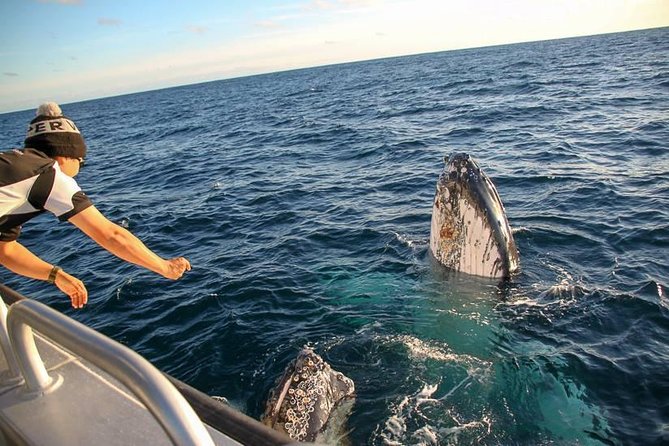
I think this tour is a strong match if you:
- want a wildlife outing that feels organized and respectful
- like learning while you watch (the marine guide commentary is a core part)
- want the flexibility of moving between indoor and outdoor viewing
- care about getting better at spotting blows and behavior, not just getting lucky with random sightings
It may feel less ideal if:
- you’re very sensitive to motion and can’t take seasickness precautions (because the ocean is still the ocean)
- you need a rigid schedule with no changes tied to weather (this depends on favorable conditions)
Also, it’s good to know it runs year-round seasonally: in Dunsborough it’s August to November, and tours depart daily between September and early December. If your dates fall outside that, you’ll want to check the operator’s season coverage for the region.
The Bottom Line: Should You Book Dunsborough Whale Watching Eco Tour?
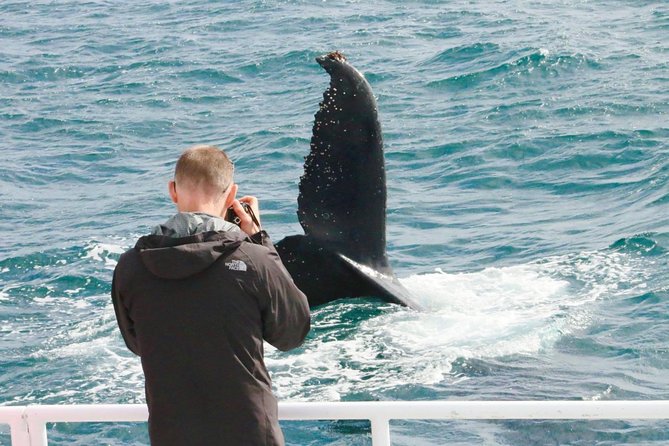
If you’re coming to the Margaret River region and you want one wildlife experience that mixes comfort, learning, and real chances of memorable whale sightings, I’d book this.
Here’s how I’d make the call:
- If you can handle a sea day and dress for changing conditions, this is a high-value way to spend half a morning or afternoon.
- If you want your best odds, aim for a day when the forecast looks cooperative and give yourself a little extra time to reach the ramp.
- If you’re hoping for a specific species like blue whales, go in with curiosity, not a guarantee—then enjoy the hunt. The tour is set up to make that hunt fun and informative either way.
In short: this is the kind of tour where the boat design, the science-led commentary, and the viewing approach all work together. When whales show up, you’ll be ready to actually see them—not just watch the horizon.
FAQ
How long is the Dunsborough whale watching eco tour?
The tour runs for about 2 hours 30 minutes.
Where is the meeting point?
It departs from Professional Fishermans Boat Ramp, 306 Geographe Bay Rd, Quindalup WA 6281, Australia, and returns to the same meeting point.
What’s included in the ticket price?
Morning or afternoon tea is included, including coffee, tea, milo, green tea, and biscuits.
Does the tour include hotel pickup?
No, hotel pickup and drop-off are not included.
What happens if no whales are sighted?
If no whales are sighted, you’ll receive a free return tour to try again. It must be booked another day within one year (subject to availability and non-transferable).
When does the tour run?
Tours depart daily between September and early December, and the Dunsborough season runs from August to November.