REVIEW · EVERGLADES NATIONAL PARK
Everglades National Park 3-Hour Kayak Eco Tour
Book on GetYourGuide →Operated by Everglades Area Tours · Bookable on GetYourGuide
Paddle where Florida wildlife has room to roam. This Everglades National Park kayak eco tour keeps things personal with a small-group setup and Florida Master Naturalist guidance. You’ll explore the park’s backdoor waters without the crowding you get on bigger outings.
I especially like the way the route can change daily and seasonally. That flexibility matters in the Everglades, where conditions shape what you can reach and what you might see.
One thing to plan for: you may not always get a single kayak. Water levels can also limit what’s possible, so expect a route that adapts rather than a fixed, always-the-same track.
In This Review
- Quick take: what makes this Everglades kayak tour worth planning
- Entering Everglades National Park from Chokoloskee’s waterline
- The 3-hour paddle game plan: how each stop fits wildlife spotting
- Launch and getting oriented on park waters
- Exploring the 10,000 Islands by kayak
- Rookery potential: when wading birds nest in colonies
- Manatees and dolphins: watching feeding behavior
- A Calusa shell mound walk: the human footprint, quietly
- Tidal-river paddling: roseate spoonbills and sawfish chances
- Optional variety day-to-day
- Price and value: what $164 buys you in the real world
- Wildlife spotting: what you should realistically hope to see
- Weather, water levels, and how to dress for a wet, sunny paddle
- Kayaks, pairs, and comfort: what to expect on the water
- Who this Everglades kayak eco tour fits best
- Should you book this Everglades kayak eco tour?
- FAQ
- How long is the Everglades National Park 3-hour kayak eco tour?
- Where do I meet for the tour?
- What’s included in the price?
- What should I bring with me?
- What language is the instruction in?
- What kinds of wildlife might I see?
- Is there free cancellation?
Quick take: what makes this Everglades kayak tour worth planning
- Florida Master Naturalist-led spotting with context for birds, sea life, and habitats
- Launch from Chokoloskee Island—a practical access point for the park and its surrounding waterways
- Daily route changes based on season and conditions, so your paddle can feel different each time
- Real chances to see manatees, dolphins, sea turtles, wading birds, and shore birds
- Options to visit a rookery (wading birds nesting) or a Calusa shell mound stop
- A 3-hour duration that’s long enough to get out on the water, but short enough to stay energized
Entering Everglades National Park from Chokoloskee’s waterline
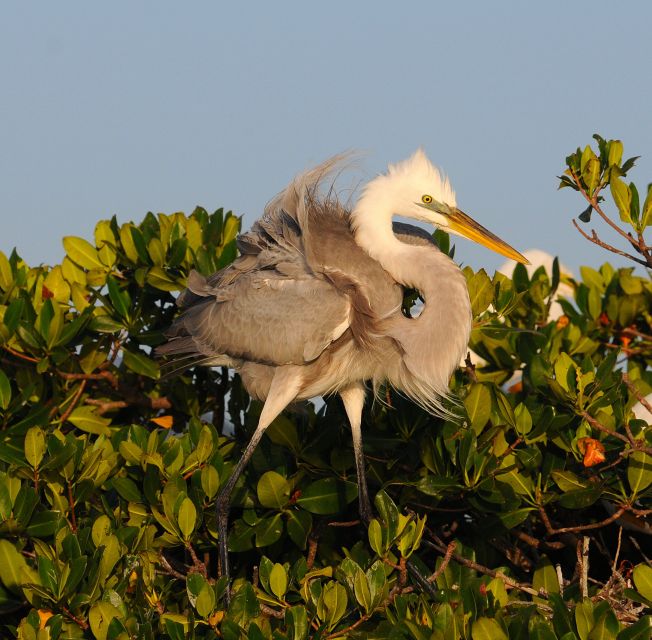
The biggest reason I like this tour is the access. You launch from Chokoloskee Island, which is the closest access point to the park from that side. From there, the goal is simple: paddle into one of the most distinctive ecosystems in the U.S. and focus on what’s alive around you—birds, feeding mammals, and the coastal waterways that connect everything.
You’re also going to hear a lot about the park’s “why.” Everglades National Park is a UNESCO World Heritage Site, and the tour uses that status in a practical way: it turns the setting into something you can actually observe from a kayak. Instead of “look at the scenery,” it becomes “watch for patterns,” like where birds gather or how animals use the water’s rhythms.
The outing is designed for a small group, which changes the whole vibe. Kayaking in mangroves and shallow backwaters is not something you want to rush. With fewer people, the guide can slow down when wildlife appears and keep the paddling comfortable for everyone.
You can also read our reviews of more tours and experiences in Everglades National Park.
The 3-hour paddle game plan: how each stop fits wildlife spotting
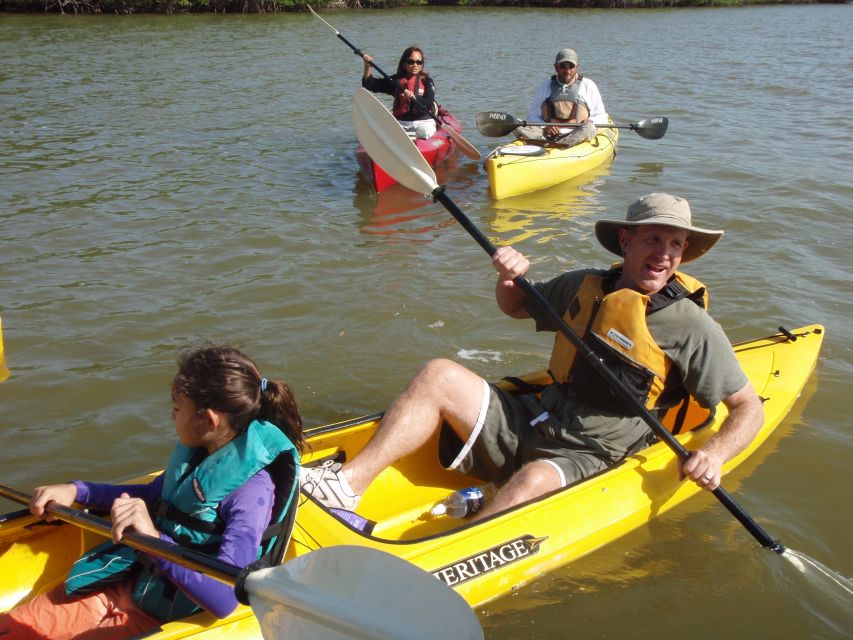
This is a guided 3-hour eco-tour. The exact route varies daily and seasonally, so you shouldn’t treat it like a guaranteed checklist. What you can treat as reliable is the style of experience: quiet paddling, natural breaks for observation, and guide-led moments that tie into what you’re seeing.
Here’s what the tour can include, and why each piece is worth your attention:
Launch and getting oriented on park waters
You’ll meet at the Parkway Motel & Marina dock and meet the captain there. Then you’ll head out to begin the paddle from the Chokoloskee Island area. Early on, the focus is on safety and rhythm—how to paddle, where to place your attention (not just where your arms are working), and how to move when wildlife is near.
That first stretch matters. If you get your bearings fast, the whole tour feels calmer. If you’re tense and overcorrecting every stroke, you’ll be watching your kayak more than the birds.
Exploring the 10,000 Islands by kayak
A big part of the magic is the 10,000 Islands feel. This is a maze of waterways, islands, and edges where animals use shelter and food sources. In practical terms, a kayak is the right tool because you can glide along channels and approach observation zones without blasting noise.
Your guide chooses the route with conditions in mind. You might be in deeper or shallower water depending on what’s accessible that day, which is also why water levels can affect what’s possible.
Rookery potential: when wading birds nest in colonies
One high-impact option is paddling to a rookery where hundreds of wading birds nest. This is not just a “bird sighting.” A nesting colony shifts your experience from casual spotting to something closer to an active habitat moment.
If this is part of your route, you’ll likely spend time scanning and learning what you’re seeing—different birds, nesting activity, and how the colony changes through the day.
Manatees and dolphins: watching feeding behavior
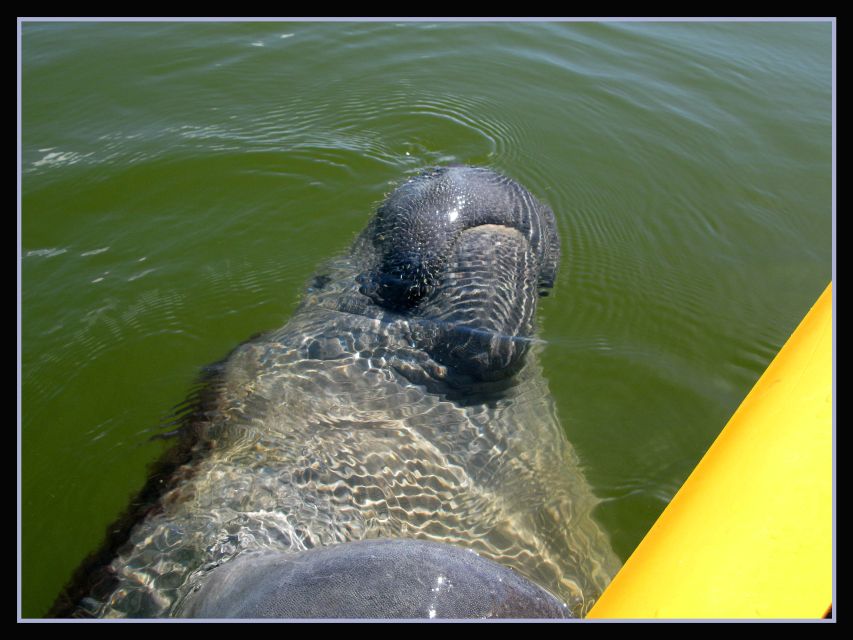
Another possible moment is paddling through habitat where you might see manatees and dolphins. I like this part because it’s one thing to see an animal; it’s another to see it in context—moving slowly, using warm shallow water, or surfacing along feeding paths.
A kayak makes you slower and quieter by default, which is ideal for this kind of wildlife viewing. Still, keep expectations grounded: animals show up when they want to.
A Calusa shell mound walk: the human footprint, quietly
The tour may include a stop to walk on a Calusa Indian shell mound that’s thousands of years old. This is one of those details that adds depth without turning the day into a history lecture.
The benefit for you is perspective. When you learn that people shaped these coasts and lived close to the same ecosystems, the wildlife spotting feels more grounded. It’s not only about what’s new and moving—it’s also about how long the region has mattered.
Tidal-river paddling: roseate spoonbills and sawfish chances
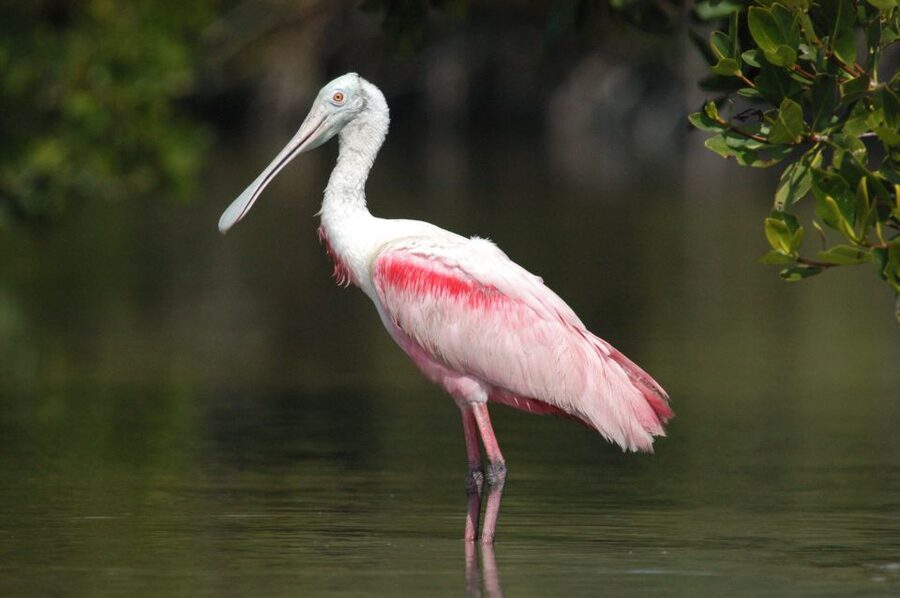
If conditions align, you might paddle with tidal currents up a river to view endangered roseate spoonbills. That’s a strong birding draw, but what I find equally valuable is the “how” behind it. Tidal water changes where food and animals go, and a guide who chooses routes with currents in mind can give you better odds of seeing the right species in the right places.
There’s also a chance for small toothed sawfish sightings, depending on conditions. That’s the kind of “wait, really?” wildlife that makes a short kayak trip feel like a full story.
Optional variety day-to-day
Because routes vary, you might get mangrove tunnel-like scenery, more open-water channel time, or more shore-edge observation. One day can feel bird-heavy; another day can be mammal-focused. That’s part of the value: you’re not on rails.
Price and value: what $164 buys you in the real world
At $164 per person for 3 hours, this isn’t a bargain-basement activity. But it also isn’t just “pay for a kayak and go.”
Your cost covers:
- All safety gear
- Paddles
- PFDs
- Kayaks
- A guided experience led by Florida Master Naturalists
The value is strongest if you care about interpretation and safe, comfortable paddling. When you’re in the Everglades, wildlife isn’t a vending machine. Having a guide helps you read the habitat faster—where to look, how animals move through the ecosystem, and what clues (birds gathering, water movement, shorelines) matter.
It also helps that the group stays small. With fewer people, you get more attention. In a place where conditions can change, that matters.
Wildlife spotting: what you should realistically hope to see
The tour is built around wildlife—shore birds, wading birds, manatees, dolphins, and sea turtles. Those are the core targets, and they guide the route decisions.
Here are additional wildlife possibilities you may encounter depending on season and conditions:
- Alligators (often in the broader Everglades region, when habitat is right)
- Turtles
- Mangrove-tunnel style routes that make the paddle feel like a moving viewpoint
- Bird-life that can include dramatic nest areas and raptor activity, when conditions line up
A useful way to think about this: you’re not going for one specific animal. You’re going for the ecosystem. Birds, mammals, and aquatic life are all connected through water depth, current, and shelter—and a kayak puts you in the middle of those connections.
Also, slow down mentally. The best moments often come when you pause, not when you’re sprinting to the next spot.
Weather, water levels, and how to dress for a wet, sunny paddle
This is a kayak outing in Florida conditions—so plan for sun, wind, and wet gear.
Bring:
- Water
- A hat
- Sunglasses
- Sunscreen
- Shoes you don’t mind getting wet
From the real-world experience side, I’d add one more practical move: pack insect spray. Warm Everglades days can bring biting bugs, and it’s an easy thing to handle before you’re stuck improvising.
Weather can also affect timing. The operator has shown flexibility when storms and even tornado warnings appear close to departure, adjusting the schedule later in the day when it’s safe to do so. That’s reassuring because it means the goal is both safety and getting you back on the water when possible.
One more consideration: low water can limit certain routes or make paddling conditions different than expected. That’s not something you can control, but it’s why a route that adapts daily is a better plan than hoping for one fixed itinerary.
Kayaks, pairs, and comfort: what to expect on the water
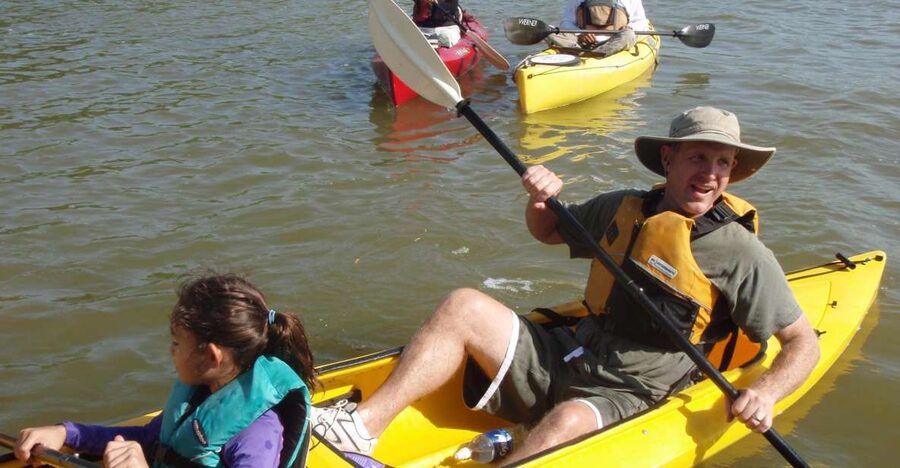
You’ll get a kayak plus paddles and a PFD as part of the experience. The tour is set up for small-group paddling, and that makes it easier to maintain a consistent pace.
One consideration to keep in mind: some people expect a single kayak setup, but you may be placed in a double kayak depending on availability and conditions. If you’re sensitive to paddling in close quarters, it’s worth mentally preparing for shared space and coordinating strokes.
For comfort:
- Wear or bring quick-dry clothing you’re okay getting damp.
- Expect sun exposure even when you’re in shaded water areas.
- Keep your attention on balance and boat handling first, wildlife second. Once you’re stable, the wildlife sightings get easier to enjoy.
Who this Everglades kayak eco tour fits best
I think this tour is a great match if you want:
- A guided Everglades National Park experience that focuses on wildlife and habitat
- A 3-hour outing that doesn’t swallow your whole day
- A small-group feel with a guide who can steer you to what’s happening now, not what happened last week
- Birding-oriented interest, especially if you’re excited by chances for rookeries and roseate spoonbills
It may be less ideal if:
- You dislike getting wet and want a totally dry day
- You need a single-person kayak guarantee
- You’re not comfortable with changing conditions (water levels and route adjustments are part of the deal)
Should you book this Everglades kayak eco tour?
Yes, you should book it if you like guided nature that’s built around real habitat observation. The combination of Florida Master Naturalist leadership, small-group pacing, and the chance to see animals like manatees, dolphins, sea turtles, and wading birds makes it a strong value for people who want more than a quick photo stop.
I’d think twice only if you’re very picky about kayak type (single vs. double) or you’re planning this as a “must-see one specific animal, no changes” day. This tour works best when you go with the ecosystem and trust the guide’s route choices.
FAQ
How long is the Everglades National Park 3-hour kayak eco tour?
The tour lasts 3 hours.
Where do I meet for the tour?
You meet at Parkway Motel & Marina, and you’ll meet the captain at the boat dock.
What’s included in the price?
It includes safety gear, paddles, PFDs (personal flotation devices), and kayaks.
What should I bring with me?
Bring water, a hat, sunglasses, sunscreen, and shoes you don’t mind getting wet.
What language is the instruction in?
The instructor and tour guidance are in English.
What kinds of wildlife might I see?
The tour focuses on shore birds, wading birds, and chances to see animals such as manatees, dolphins, and sea turtles. Routes vary, so sightings can differ.
Is there free cancellation?
Yes. You can cancel up to 24 hours in advance for a full refund.