REVIEW · JACKSONVILLE
Guided Kayak Eco Tour: Real Florida Adventure
Book on Viator →Operated by Paddle Jax Amelia · Bookable on Viator
Amelia Island wetlands on a kayak sound dreamy, but this one is practical: you paddle Lofton Creek, a blackwater tributary that’s built for wildlife watching and easy cruising. You get instruction from a certified University of Florida Advanced Master Naturalist guide, so the trip turns into more than just paddling.
Two things I like a lot: the kayaking setup feels built for beginners, and the guide experience brings the ecosystem to life. People highlight supportive seating and grippy paddles, plus small touches like water bottles and photos taken during the paddle. The one consideration is simple—kayakers must be ready to step in about six inches of water to get in and out, and the sun can be intense in Florida.
This is an eco-easy, guided route through marshy waterways, with a real focus on safety and spotting local life. It’s also short enough (about 2 hours) that you can do it even if you’re not trying to fill every minute of your trip. If you’re the type who likes calm adventures with guided learning built in, you’ll probably enjoy it.
In This Review
- Key things to know before you go
- Lofton Creek in Amelia Island: why this feels like real Florida
- Meeting at Melton Nelson Boat Ramp: what your morning or afternoon looks like
- Getting on the water: the short briefing that keeps it safe
- The 2-hour Lofton Creek paddle: pacing, scenery, and wildlife spotting
- Water and sun realities
- Learning from the guide: Master Naturalist talk you’ll actually use
- Complimentary photos and the little comfort details
- Planning your day: clothing, timing, and wet-wear strategy
- Who this eco-easy kayaking tour is best for
- Price and value: what you’re really paying for
- Should you book this Guided Kayak Eco Tour?
- FAQ
- How long is the kayak eco tour?
- Where does the tour start and end?
- Do I need kayaking experience?
- What wildlife might I see?
- What kind of kayak will we use?
- Is there any requirement for getting into the kayak?
- What’s the minimum age, and how do children ride?
- What if the weather is bad?
Key things to know before you go
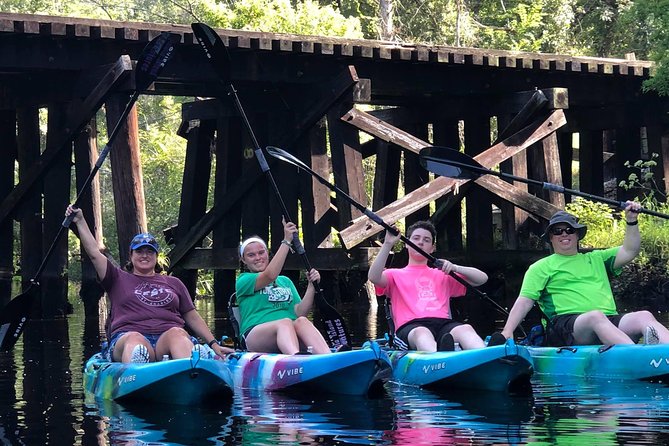
- Lofton Creek blackwater scenery: tannin-stained water that makes wildlife easier to see in the shadows
- Certified Master Naturalist guidance: expect practical nature talk from a guide trained to interpret the ecosystem
- Beginner-friendly sit-on-top kayaks: supportive seats and cushioned-grip paddles help you stay relaxed
- Wildlife chances built into the route: shorebirds, fish, and alligators are part of the normal viewing mix
- Photo support during the tour: complimentary photos (and in some cases video) help you remember the trip
- Small group size: capped at 24 travelers, which usually means less crowding on the water
Lofton Creek in Amelia Island: why this feels like real Florida
This kayak eco tour is built around one big idea: you don’t need to be a hardcore athlete to see the best of Florida’s wetlands. You’re moving through marsh creeks where water color, plant life, and animal behavior all work together—especially along a blackwater tributary like Lofton Creek.
Blackwater creeks get their tea-brown tint from tannins, which can change how the water looks and how the habitat functions. On this kind of paddle, that color is part of the experience, not a weird side note. When you understand what’s causing it, the whole place makes more sense.
You’ll also be on a route where wildlife isn’t just a maybe. Expect the usual wetland cast: shorebirds, fish activity, and the real possibility of alligators along the way. Even on trips where you don’t see a lot, you’re still surrounded by plants, water detail, and the kind of stillness that makes the effort of getting there worth it.
Meeting at Melton Nelson Boat Ramp: what your morning or afternoon looks like
Your start and finish both happen at Melton Nelson Boat Ramp in Florida 32034. That matters more than it sounds, because it keeps logistics simple: you drive in, gear up, paddle out, and then you’re back where you started.
This is one of those tours where timing feels manageable. The paddle is about 2 hours, and you’re not stuck on a long transport schedule before you even get to the water. In addition, the launch spot has a bathroom with toilet paper, which is genuinely helpful when you’re traveling with kids or planning a family outing.
I’d treat the arrival window like a mini warm-up. Get there with enough time to park, check in, and listen carefully during the safety briefing. If you show up rushed, you’ll miss the small tips that make the paddle smoother.
Getting on the water: the short briefing that keeps it safe
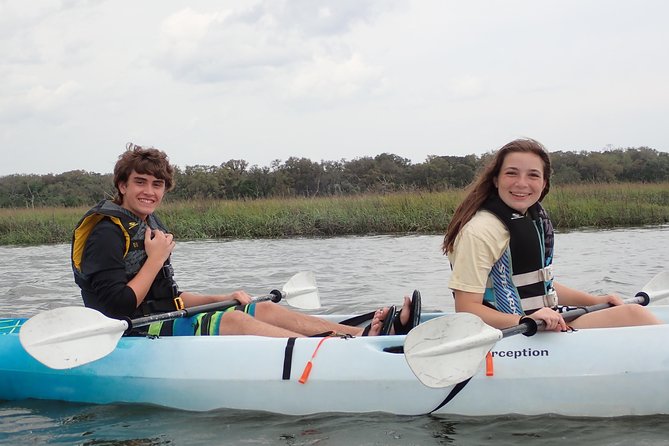
You’ll be using a sit-on-top kayak, which is the smart choice for most beginners. With a sit-on-top, you’re more stable than in a closed cockpit kayak, and it’s easier to adjust your position without feeling trapped.
Here’s the part to plan for: you must be willing to step in about six inches of water to enter and exit the kayak. That means your footwear choice matters. If you’re wearing regular sneakers, they can get soaked quickly and stay wet. Water shoes are a better bet for grip and comfort.
Also note that you don’t need prior kayaking experience. The tour is designed to feel “eco-easy,” and the guides focus on calm control: how to sit, how to paddle without overreaching, and how to keep the kayak tracking in a straight line. If you’ve never paddled before, you’ll likely feel your body learn the rhythm faster than you expect.
The 2-hour Lofton Creek paddle: pacing, scenery, and wildlife spotting
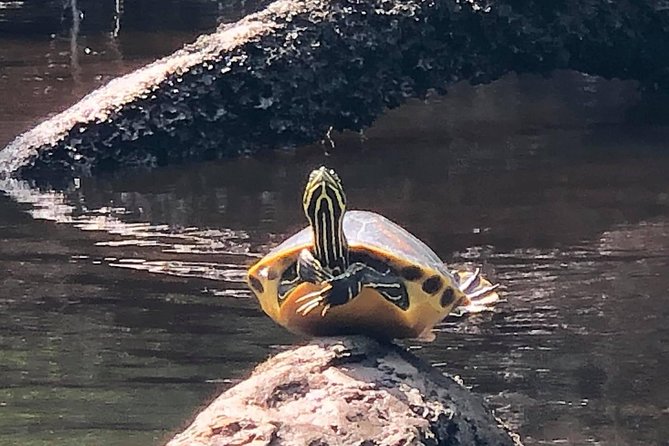
Once you launch, you’ll be traveling down Lofton Creek, described as a black water tributary of Amelia Island. This kind of waterway is usually calmer than open water, which makes it feel less intimidating for first timers.
Wildlife spotting is a big part of the point. Your guide helps you notice signs you might miss on your own: movement in the water, calls from nearby birds, and the shapes of plants that tell you where animals tend to hang out. You may see shorebirds and fish activity, and alligators can be part of the viewing mix during the paddle.
Paddle pace is also part of the experience. Even if you feel like you’re working a little, this doesn’t come across as a grind. One of the nicest things about a timed route is that you don’t spend your whole trip thinking about distance. You focus on where you are—quiet water, wildlife cues, and the guide’s running explanation.
Water and sun realities
Even on an easy paddle, you’ll feel Florida sun. Bring sunscreen and consider bug spray in summer. If you’re sensitive to heat, aim for the morning start if offered by your schedule—or be prepared with a hat and water discipline.
One practical tip: bring a change of clothes or wear swimwear. Your legs will get wet when you step in and when you paddle, especially in shoreline areas where water splashes. A waterproof bag for your phone or small camera helps you keep gear safe.
Learning from the guide: Master Naturalist talk you’ll actually use
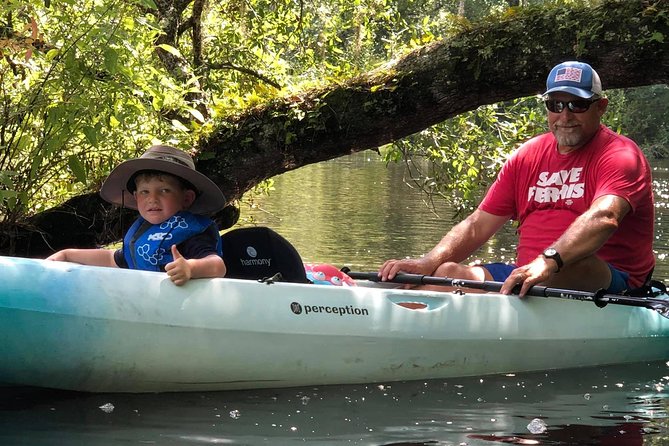
What turns this from a basic outing into an eco tour is the guide’s training. You’ll go with a certified University of Florida Advanced Master Naturalist guide, which shows up in how they explain what you’re seeing.
The best moments are usually the ones that connect habitat to behavior. For example, you may learn how tannic acid relates to the water’s color. You might also hear guidance that helps you understand what you’re seeing—like learning that small alligators you spot are not aggressive, which can calm your brain and help you observe without worry.
Guides you may meet include Zoe, James, and Barney, and their style comes through in how people describe them: friendly, patient with first-timers, and focused on making you feel safe while still paying attention to the details.
If you’re the type who likes nature facts but hates long lectures, this is a good balance. The info is delivered while you’re paddling, so it stays tied to real sights. That also makes the paddle feel shorter in a good way.
Complimentary photos and the little comfort details
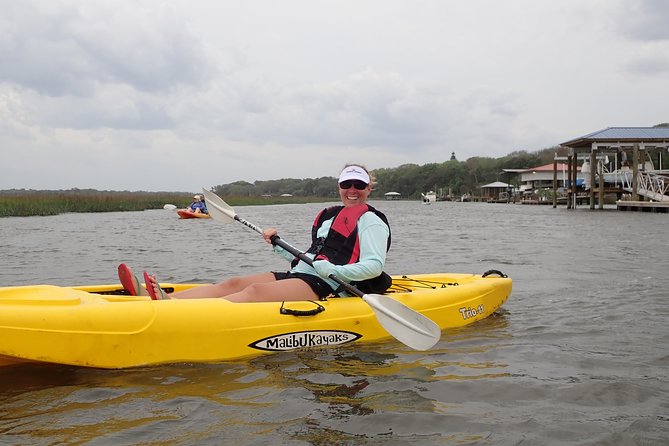
Some kayak tours stop at the point where you’re on your own. This one doesn’t. The team takes complimentary photos during your guided paddle, which makes it easier to remember the experience—especially for families and groups where it’s hard to get everyone in a shot.
People also describe guides taking photos and videos of both the surroundings and the kayakers, plus a follow-up video recap in some cases. That’s not a small perk: you spend the trip looking outward, and then you get something to bring home.
Comfort details show up in the gear descriptions, too. The seats are described as supportive and backs as helpful, and the paddles have grippy cushioned handles. When you’re on the water for about 2 hours, that kind of thoughtfulness can be the difference between feeling fine and feeling sore.
Planning your day: clothing, timing, and wet-wear strategy
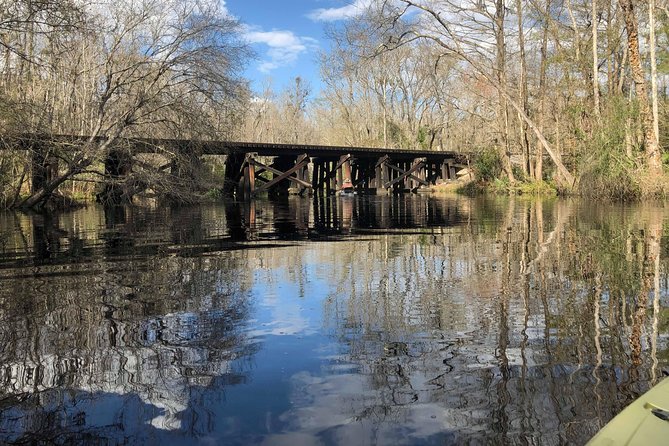
Plan like you’re going from land to wet land. Even if the water looks calm, your body will get contact with splashes and the entry/exit process. Wear clothes you don’t mind getting damp, and bring a dry layer for after.
Good choices:
- water shoes instead of sneakers
- a hat and sunscreen
- a waterproof phone setup
- bug spray in warmer months
- a change of clothes or swimwear
If you’re traveling with kids, this tour is recommended for ages 4 and up. Children under 12 must ride in a tandem kayak with an adult. That means you’ll want to bring an adult paddle plan for each child, so everyone feels confident in the pairing before you head out.
Who this eco-easy kayaking tour is best for
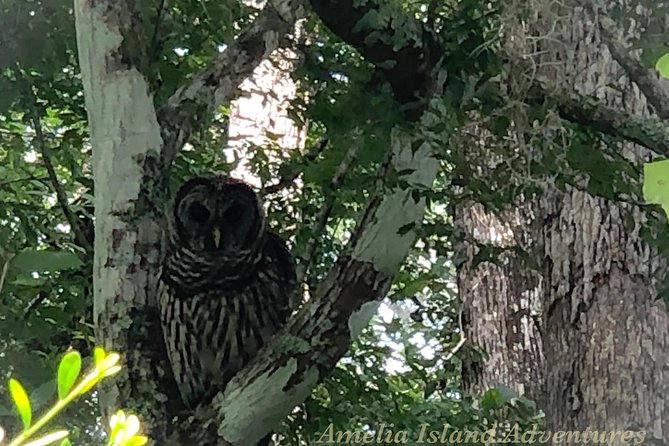
I’d put this tour in the sweet spot for people who want nature time without complicated skills. It’s also a strong pick for families, first-time kayakers, and anyone who likes guided interpretation more than DIY wandering.
It’s especially good if:
- you want a guided route through Amelia Island wetlands
- you’re okay with easy physical effort and wet legs
- you want wildlife opportunities without planning a whole scouting day
- you like taking photos but want the help of someone who knows where to stand
It’s less ideal if you have serious medical conditions, since it does involve stepping into water and paddling for about 2 hours. If you’re unsure, check with the provider before booking.
Price and value: what you’re really paying for
You don’t get just a kayak and a route—you get the guide work. The value here comes from three practical things: instruction for first-timers, a trained naturalist interpretation of the habitat, and the added photo support so your day isn’t only about remembering later.
Small group size capped at 24 travelers also matters. Less crowding tends to mean easier guidance and fewer bottlenecks at the water during launch and paddle pauses.
So even without quoting a number, I’d judge value by what’s included in your experience: certified guide-led learning, wildlife-focused pacing, water provided, and complimentary photos. For many people, that combination turns into a higher “worth it” feeling than a self-guided rental, even if the rental might look cheaper on paper.
Should you book this Guided Kayak Eco Tour?
If you want a calm, beginner-friendly way to see Amelia Island wetlands, I’d book it. The strongest reasons are the Master Naturalist guidance, the supportive kayak setup, and the fact that the paddle is long enough to feel like an outing but short enough to stay easy to manage—about 2 hours.
Book it if you:
- like wildlife watching and want help spotting what matters
- want a guided explanation of blackwater creeks
- appreciate complimentary photos and a guide who can make first-time paddling feel safe
Skip it if the idea of stepping into roughly six inches of water sounds like a dealbreaker, or if you need a zero-wet situation. Also, plan for sun and heat—this is mostly an outdoor experience with plenty of exposure.
FAQ
How long is the kayak eco tour?
The paddle lasts about 2 hours, and it ends back at the meeting point.
Where does the tour start and end?
It starts at Melton Nelson Boat Ramp, Florida 32034, USA and returns to the same location.
Do I need kayaking experience?
No prior kayaking experience is required.
What wildlife might I see?
The route is designed for wildlife spotting, and you may see shorebirds, fish, and alligators during the paddle.
What kind of kayak will we use?
You’ll use comfortable sit-on-top kayaks that are described as top-of-the-line and suitable for most body types.
Is there any requirement for getting into the kayak?
Yes. Kayakers must be willing to step in about six inches of water to enter and exit the kayak.
What’s the minimum age, and how do children ride?
This tour is recommended for ages 4 and up. Children under 12 must ride in a tandem kayak with an adult.
What if the weather is bad?
The tour requires favorable weather. If it’s canceled due to poor weather, you’ll be offered an alternative date or a full refund. Light rain usually isn’t canceled unless outdoor temperatures are 50°F or below.