REVIEW · KAVALA
Kavala: City Grand Tour by Eco Friendly Tuk Tuk
Book on GetYourGuide →Operated by Xplora City · Bookable on GetYourGuide
Kavala looks best from moving. This eco-friendly tuk tuk city loop pairs short, timed stops with a multilingual audio app, so you get the story as you go and you don’t burn your day on slow logistics. It’s a practical way to cover a steep town without feeling rushed.
I especially love the photo payoff at the Kavala Fortress, where a walk up onto the well-preserved walls and towers earns big Aegean Sea views. And I like how the route connects Ottoman-era landmarks like Imaret to the city’s identity as the Tobacco Mecca, with museum time that explains the boom and the hard lives behind it.
One possible drawback: some highlights require extra effort and extra money. Entrance fees for the fortress, Mohammed Ali’s House museum, and the Municipal Tobacco Museum aren’t included, and you’ll do some walking on hilly streets.
In This Review
- Key points to know before you go
- Two Hours in a Tuk Tuk: What the Experience Really Feels Like
- Meeting Point at Xplora CitySpot: Easy Start, No Guessing Games
- Old Town Panagia Photo Stop: A Fast First Look at Kavala’s Layers
- Imaret and Mehmet Ali’s Residence: Ottoman Power in Plain Sight
- Lighthouse, Halil Bey Mosque, and the Build-Up to the Fortress
- Kavala Fortress Walk: The Best Payoff for Your Uphill Effort
- Kamares Aqueduct: Water Infrastructure That Still Feels Impressive
- Municipal Tobacco Museum and Kapnergatis Warehouse: The City’s Working-Class Heart
- Apostle Paul’s Mosaic at Neapolis: A Thoughtful Ending Point
- Price and Value: Why $82 Makes Sense for a 2-Hour Deal
- Who Should Book This Tuk Tuk Tour (and Who Should Rethink)
- After the Tour: Quick Food Stops Without Losing Your Momentum
- Should You Book the Kavala City Grand Tour by Eco Friendly Tuk Tuk?
Key points to know before you go
- Two hours that actually feel focused, with lots of short stops and frequent photo moments
- Multilingual mobile audio with disposable headphones, covering multiple languages in one tap
- Fortress viewpoints that are worth the uphill stretch for the panorama over the city and sea
- Ottoman to neoclassical to working-class history, all in one compact route
- Tobacco storytelling tied to real places like Kapnergatis Square and the municipal warehouse
- Short-group format (private or small groups) that keeps the pace friendly
Two Hours in a Tuk Tuk: What the Experience Really Feels Like
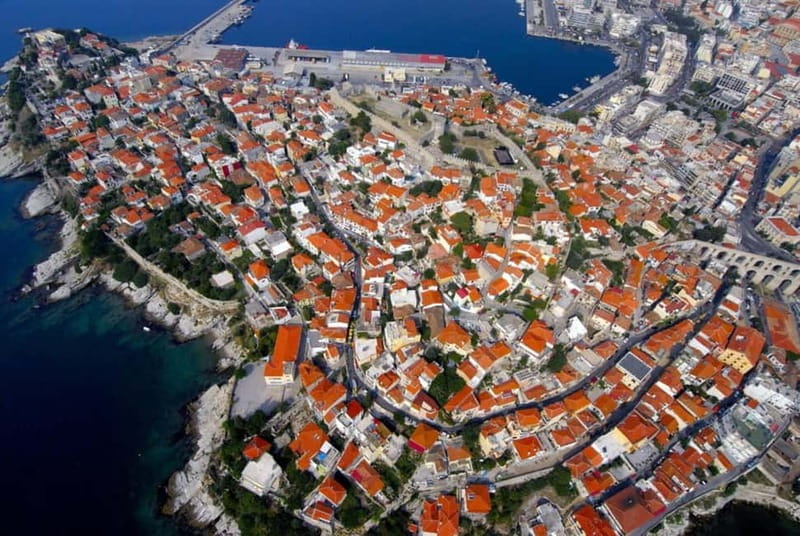
If your idea of a perfect city tour is quick orientation plus real stops, this one is built for you. You’re on the tuk tuk for the transfers, but you still get time on foot where it matters for photos and context. The whole thing runs about 2 hours, which is long enough to feel like you saw Kavala, but short enough that you won’t be stuck hiking through every hill for half a day.
The tone is “here are the main chapters, now read them out loud.” You move from Old Town corners to landmark clusters, and the app audio guides you through what you’re looking at. It helps a lot if your Greek is limited, and it also works nicely if you’re traveling with mixed language skills in your group.
One practical benefit: Kavala is steep, and some streets are narrow. Being in a tuk tuk-style vehicle helps you cover ground efficiently while still getting a close-up view of what’s right there.
You can also read our reviews of more tours and experiences in Kavala.

Meeting Point at Xplora CitySpot: Easy Start, No Guessing Games
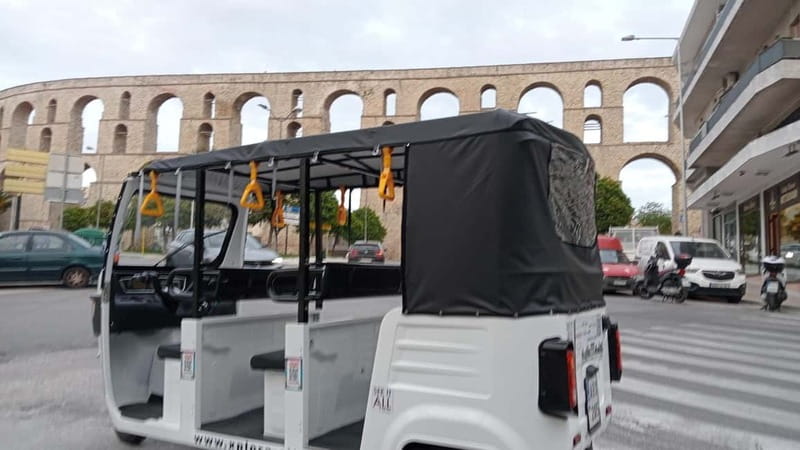
You’ll start at CitySpot by Xplora, behind the old courthouses, across the street from Kamares. The meeting point is easy to spot once you’re there because there’s a large led sign with welcoming faces.
This matters more than it sounds. If you arrive late or confused, you lose part of the tour rhythm. With a 2-hour format, that early clarity helps you settle in fast and start seeing rather than hunting.
Once you’re checked in, you’ll be set up with the audio on a multilingual tour guide app and you’ll get disposable headphones. The driver is Greek and English, which is helpful for quick questions, even though the detailed storytelling is coming through the app.
Old Town Panagia Photo Stop: A Fast First Look at Kavala’s Layers
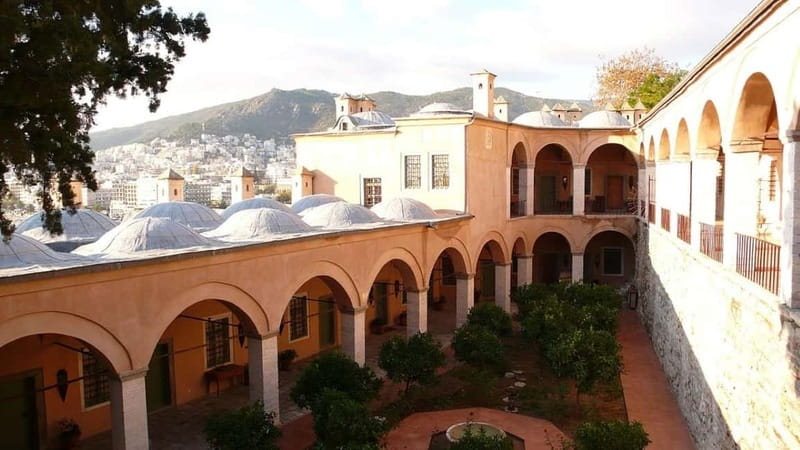
The tour starts with an Old Town stop at Panagia. You’ll get a brief photo moment and a self-guided look. Even with just a few minutes, it gives you something important: a sense of slope, street texture, and how the old parts of Kavala sit above the harbor area.
This is a smart warm-up stop. It’s short, so you’re not tired yet, and it sets the stage for the bigger landmarks that follow. If you’ve never been here before, this moment helps you mentally map the tour.
Keep your eyes open for the overall mix of architectural eras you’ll be seeing throughout the route. The experience leans into the idea that Kavala wasn’t one single story—it’s Byzantine, Ottoman, and neoclassical influence layered over time.
Imaret and Mehmet Ali’s Residence: Ottoman Power in Plain Sight
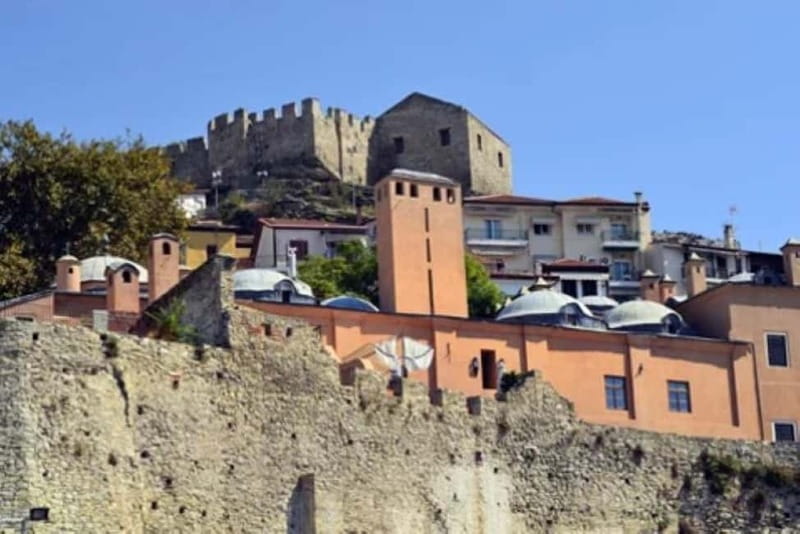
Next up is Imaret Kavalas, an Ottoman-era complex that today houses a boutique hotel. You pass it or stop briefly depending on timing, but the point is clear: this is a place where architecture signals history.
Then you’ll head to Square Mehmet Ali, with another photo stop and a visit. From there, you can explore Mehmet Ali’s Residence Museum (entrance fee not included). This is tied to a key detail in the city’s story: it’s associated with the birthplace of the Egyptian ruler Mehmet Ali.
What I like about this part of the tour is how it connects to everyday place names. You’re not just reading about Ottoman influence in a textbook. You’re standing on the kind of site that shaped regional power, then walking into the modern reinterpretation of that setting.
Practical note: there’s some self-guided time built in, and entrance hours can vary. If a site is closed when you arrive, you may still see it from the outside.
Lighthouse, Halil Bey Mosque, and the Build-Up to the Fortress
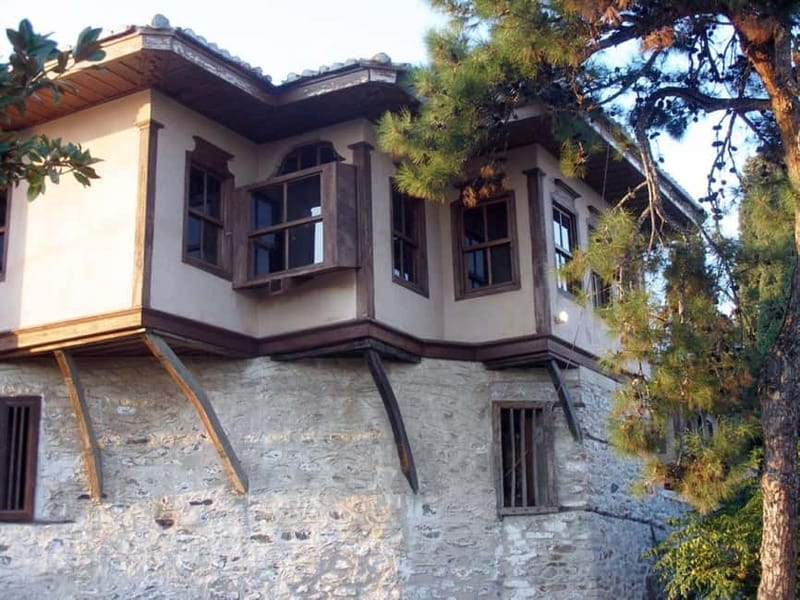
As you move toward the waterfront viewpoints, you’ll hit a few quick stops designed for “take a breath and aim your camera.”
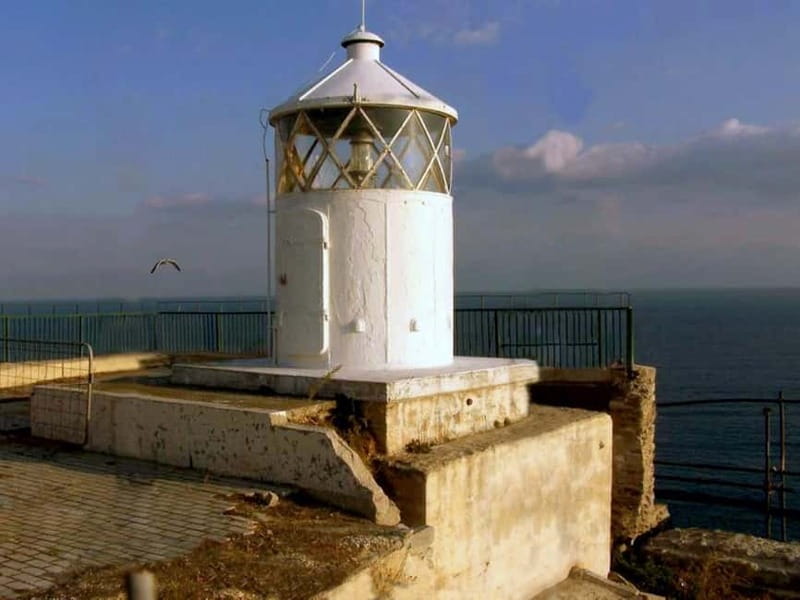
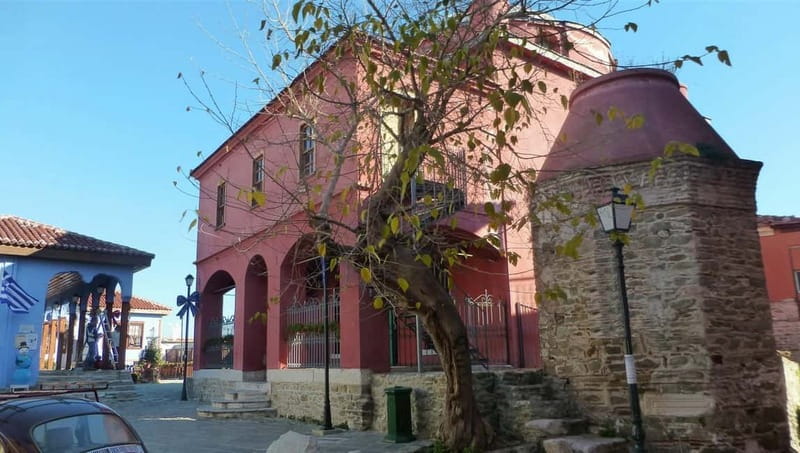
You’ll visit the Lighthouse of Kavala for photos and a walk (self-guided), then continue to Halil Bey Mosque for another photo and sightseeing stop. These aren’t the longest segments, but they work well because they break up the walking and keep the day feeling lively rather than one long grind.
In the real-world feel of the tour, these small breaks matter. Several guides in similar situations are described as offering water and cold towels on hot days, and you should expect heat management to be part of the experience, especially in summer. Bring a sun hat and comfortable clothes anyway, because the sun around the harbor and uphill streets can catch you fast.
Also, the driver is there to manage navigation through tight areas. In one account, the driver handled narrow streets with ease, which is exactly what you want when you’re trying to enjoy the ride instead of bracing for it.
Kavala Fortress Walk: The Best Payoff for Your Uphill Effort
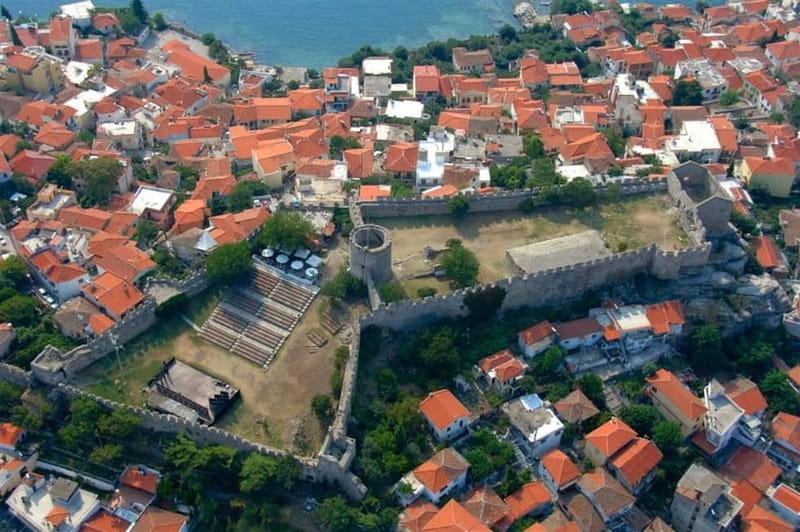
The signature moment is the Kavala Fortress, also called the acropolis area. You’ll get a photo stop and then time to visit with sightseeing and a walk. This is where the panoramic payoff hits.
The fortress is described as having well-preserved walls, towers, and posts, and the views stretch over both the city and the Aegean Sea. If you like photos, this is the stop you’ll remember later when you look back at your camera roll.
Here’s how I’d plan your mindset: this portion takes a bit of energy because you’re on the move and there’s uphill walking. If you’re okay with short uphill climbs and uneven ground, you’ll be happy you did it. If not, I’d think carefully about whether you can handle a fortress walk in summer heat.
Entrance fees for the fortress are not included, and they’re paid in euros only, so have cash ready if you decide to go in.
Kamares Aqueduct: Water Infrastructure That Still Feels Impressive
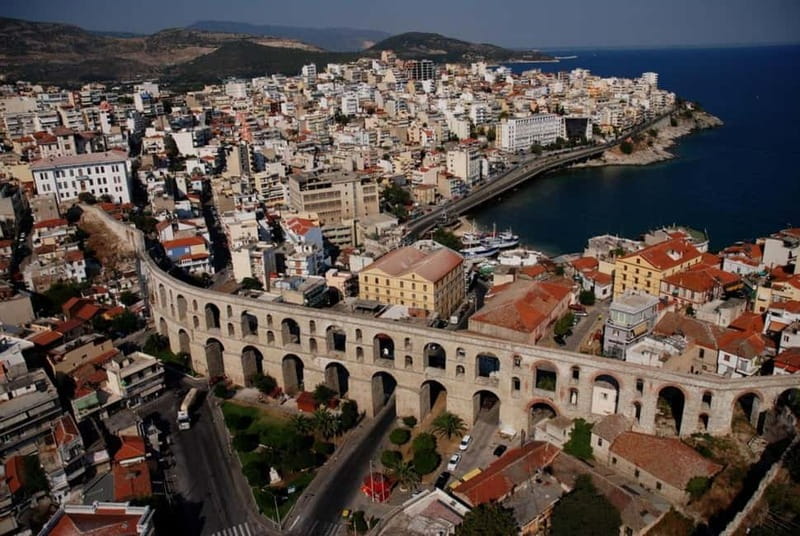
After the fortress, you’ll shift to Kamares, the famous aqueduct in town. You’ll get a photo stop and some sightseeing time.
This is one of those places where history is visible without needing a museum ticket. The structure is built to do a job, and you can still feel that original purpose while standing there. It also gives you a break from the more fortress-and-museum focus by showing another side of the city’s engineering past.
The time here is short, but it works as a “check the big landmark box” moment before you get into the tobacco sites.
Municipal Tobacco Museum and Kapnergatis Warehouse: The City’s Working-Class Heart
If Kavala has one theme that turns a sightseeing loop into something more meaningful, it’s tobacco. The tour leans hard into this, and it does it in a way that feels tied to real places, not just a general theme.
You’ll stop at the Tobacco Museum of Municipality of Kavala (entrance fee not included) and spend time learning about the commodity that shaped the city’s economic boom—and the struggles of tobacco workers. You’ll also see the Municipal Tobacco Warehouse at Kapnergatis Square.
This is the part I find most valuable for you if you want more than pretty buildings. It adds context for why Kavala’s architecture and civic identity took the form it did. Even if you don’t know much about tobacco history going in, the museum and warehouse setting help you understand what made the industry matter locally.
If your group includes people who like history but don’t want long museum marathons, the short visit windows are actually an advantage. You get the core story and then you’re back outside, walking and viewing.
Apostle Paul’s Mosaic at Neapolis: A Thoughtful Ending Point
To wrap the loop, you’ll end at the Monument of Apostle Paul, where there’s a mosaic depicting the arrival of the apostle in what was called Neapolis—Kavala’s earlier name.
This stop matters because it brings the tour back to the idea of layers: ancient religious story, then city evolution, then modern identity. It’s also a great closing moment for photos because the artwork gives a focal point and a clear “we finished with meaning” feeling.
Afterward, you return to Xplora for the end of the tour.
Price and Value: Why $82 Makes Sense for a 2-Hour Deal
At $82 per person for about 2 hours, the value comes from three things:
- Transport help for a steep town. You cover key areas without needing to self-navigate every hill with taxis or slow walking.
- A guided story layer via the audio app. The audio is available in multiple languages, and you’ll use it with disposable headphones rather than relying on everyone to read signage.
- A tight route through major categories. Fortress views, Ottoman landmarks, aqueduct, tobacco industry sites, and an ancient Christian mosaic—most tours would pick only one or two.
What you should budget extra for: entrance fees at the fortress, Mohammed Ali’s House museum, and the Municipal Tobacco Museum. The tour notes that fees are paid in euros only, so bring cash even if you prefer card for most travel.
Also remember: what’s included isn’t about “every ticket guaranteed.” It’s about the tour experience—vehicle, driver, and audio guidance—while letting you choose which optional entrances you want to commit to.
Who Should Book This Tuk Tuk Tour (and Who Should Rethink)
This is a strong choice if you want a high-impact highlights loop in a short time, especially if you’re traveling with people who want variety: viewpoints, architecture, and working history.
You’ll likely enjoy it most if:
- you like “see the place, then get the story fast” pacing
- you want helpful audio support in your language
- you can handle short walks and the hills around the fortress area
You should rethink it if you need wheelchair access or mobility accommodations. The activity is listed as not suitable for people with mobility impairments and wheelchair users. Also, the town is steep, and even with vehicle transfers, some stops involve walking.
One reviewer did report using a small-folding rollator on the tuk tuk, which suggests there can be workable flexibility in practice. Still, the official guidance is clear. If mobility is a concern for you, contact the provider before booking and be ready to ask how the stops and walking portions will work for your specific needs.
After the Tour: Quick Food Stops Without Losing Your Momentum
You’ll likely finish with energy but not unlimited time, so keep it simple. The tour idea naturally pairs well with a snack or dessert right after—local options like kurabie or bougatsa are commonly suggested as an easy follow-up.
If you’re the type who likes one last taste and one last photo, this is a good way to end the day without turning it into a second tour.
Should You Book the Kavala City Grand Tour by Eco Friendly Tuk Tuk?
Yes, book it if you want an efficient, story-led way to see Kavala’s biggest markers in 2 hours, and you like the idea of a multilingual audio app guiding your stops. The fortress views plus the tobacco-focused sites make it more than a basic “drive-by photo tour.”
I’d hold off or ask extra questions if you have mobility limits, since you’ll still face uneven ground and walking time. And I’d bring euros for entrance fees if you want to go inside the fortress and museums.
If you want to get your bearings fast and leave with real context for why Kavala looks the way it does, this is a solid way to do it.