REVIEW · NAPLES FLORIDA
Naples, FL: Manatee, Dolphin, 10,000 Islands Beach Eco Tour
Book on GetYourGuide →Operated by Manatee Sightseeing & Wildlife Adventure · Bookable on GetYourGuide
Manatees and dolphins, no rush, real Everglades. I love the up-close wildlife spotting and the Whitehorse Island shelling after a calm cruise, but wildlife sightings can depend on conditions, and this trip really does require decent weather. It’s the kind of tour where you spend time looking—then enjoy the moment when something surfaces.
The vibe is easygoing, especially once you’re on a covered boat with a local guide. I also like the small-group feel, because it makes it simpler to ask questions while you’re cruising through mangroves and harbor waters.
You’ll be given polarized sunglasses and even a polarized phone camera lens to help with glare. Just know it’s not an all-day nonstop party—your best shots happen when you stay patient and scan the mangrove edges and the wake.
In This Review
- Key things I’d circle before you go
- Port of the Islands Marina start: shade, polarized gear, and easy parking
- Cruising the harbor and bay: mangroves, birds, and photo-friendly conditions
- Manatees, alligators, and dolphins: how the guide turns time into sightings
- Whitehorse Island beach time: white sand strolling, shell-hunting, and a sea-green break
- A 3-hour Everglades cruise that doesn’t feel rushed
- Price and value at $129: what you’re really paying for
- Who this tour fits best, and who should think twice
- Quick packing checklist: what makes your day smoother
- Should you book this Manatee, Dolphin, and Ten Thousand Islands tour?
- FAQ
- How long is the Manatee, Dolphin, and 10,000 Islands Beach Eco Tour?
- What does it cost, and where does it start?
- What is included in the tour price?
- Is food or drinks included?
- What wildlife are you likely to see on the waterways?
- What happens if the tour is canceled due to weather?
- Is the tour wheelchair accessible?
Key things I’d circle before you go
- Polarized gear included: sunglasses plus a polarized phone lens help you actually see what’s out there
- Whitehorse Island beach time: white sand strolling plus shell-hunting (timing matters with the tide)
- Mangrove cruising for wildlife: manatees, alligators, dolphins, and lots of birds are the main targets
- Guides who adjust to your pace: Andy “read the room,” while Becky and Captain Wes brought extra know-how to spotting
- A calm 3-hour format: enough time to cruise, spot animals, and still enjoy a real break on the island
- Bring your own beach day fuel: food and drinks aren’t included, but alcohol is allowed with no glass bottles
Port of the Islands Marina start: shade, polarized gear, and easy parking
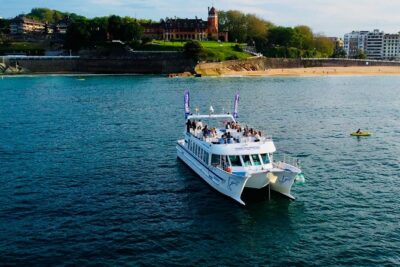
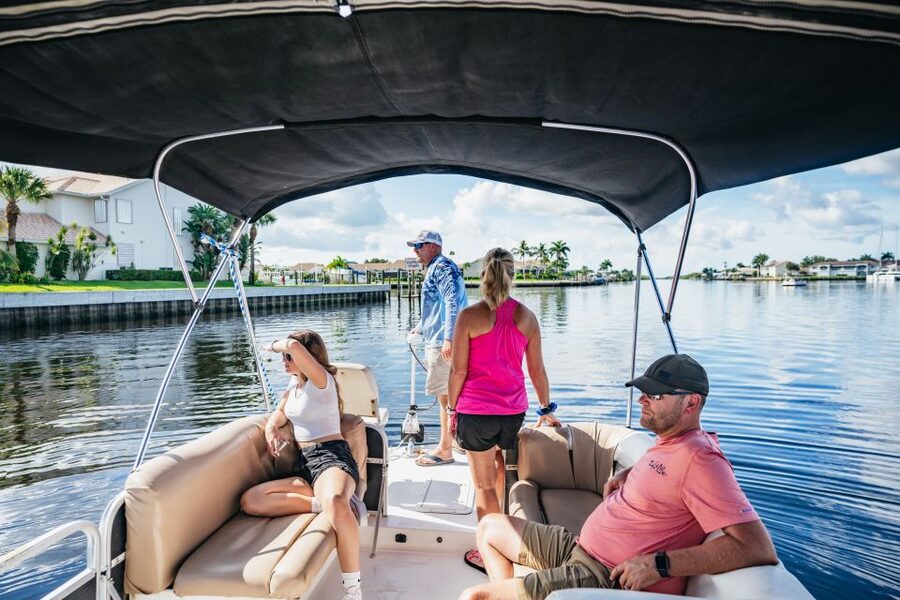
Your day begins at the Port of the Islands Marina, dock D. The setup is practical: you meet your guide at the dock, then settle into covered shade on the boat. That matters more than people think—on Florida water, being able to cool down while you set up your camera and look at the waterline helps you stay focused on spotting animals instead of roasting.
Before you head out, you’ll get polarized sunglasses, plus polarized phone camera lenses. That’s not just a nice extra. On bright days, the glare off water can make wildlife spotting frustrating. With the polarized help, you can cut reflected light and watch more carefully for subtle movement near mangroves, under docks, and along shorelines.
Parking is straightforward too: there’s free parking across the street from the firehouse. If you’re coming from Naples or nearby, this makes the start feel less stressful than tours that hide the meeting point across town.
You can also read our reviews of more tours and experiences in Naples Florida.
Cruising the harbor and bay: mangroves, birds, and photo-friendly conditions
Once you pull away from the marina, the tour shifts into scenic mode fast. You cruise through the harbor and bay waters, where the light can look almost sparkly through the boat windows and open deck areas. This is where your polarized gear earns its keep—good photos start with you being able to see clearly first.
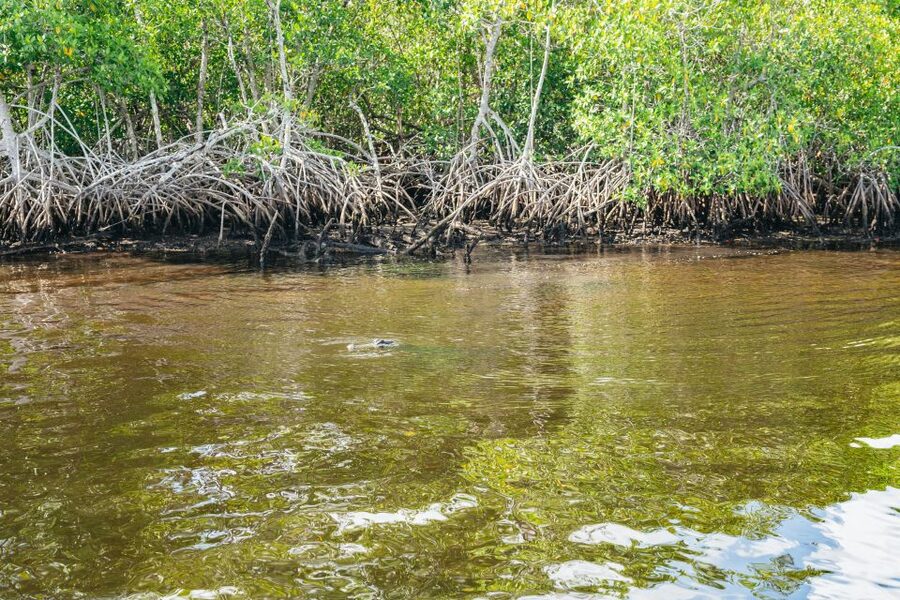
The route runs through mangrove forest areas, and that’s where the “ecosystem spotting” part gets real. Mangroves aren’t just scenery; they’re feeding and hiding zones. Watch the edges of the roots and the quieter pockets near shore. That’s often where you’ll see movement that’s easy to miss without slowing down and looking properly.
Bird spotting also becomes a highlight. This isn’t about a single dramatic sighting; it’s about a steady stream of color in the sky and around the water. You’ll also get frequent chances to pause your phone and just look up. A lot of the joy here is switching between land-style bird watching and waterline wildlife scanning.
Manatees, alligators, and dolphins: how the guide turns time into sightings
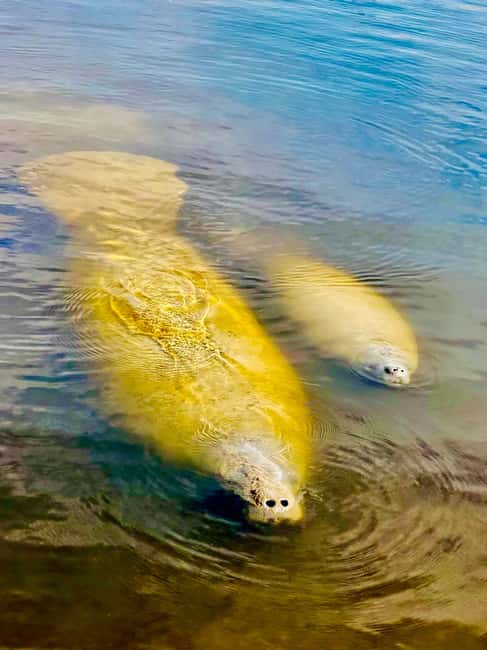
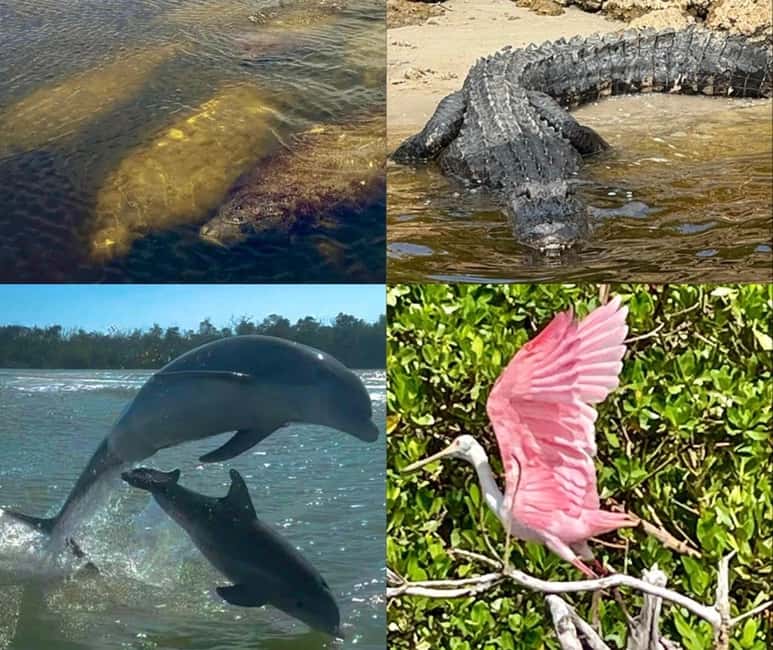
The wildlife part is the main event: manatees, alligators, dolphins, and birds are the targets. And here’s the truth you should plan around—wildlife is never guaranteed on any water tour. But good guiding can raise your odds, and the captains on this experience earn praise for exactly that.
You’ll spend time cruising through mangrove areas searching for manatees and alligators. Manatees can be hard to spot because they may surface briefly or hide close to structures. In real life, I’d think of it like dock-hunting with patience: you’re not staring at one spot for hours; you’re repeatedly scanning likely spots and letting the captain adjust quickly.
Alligators show up in their own way too—again, it’s about watching the margins of the mangroves and shoreline pockets. On some outings, you might get more gators and fewer manatees. On others, you might get the opposite. Either way, the boat’s slow, deliberate movement helps you actually see what’s there.
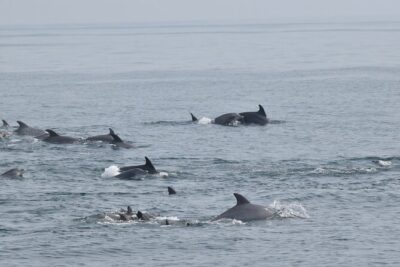
Dolphins are often linked to the wake. When they’re in the mood, you can get that classic moment where they pop up and travel with or near the boat. Captain Wes gets singled out for dolphin spotting and for engaging them so they keep coming up alongside. If you can, it’s worth keeping an eye out for guides with a strong dolphin record—names like Captain Wes and Captain John come up as favorites for making the water time feel magical.
Whitehorse Island beach time: white sand strolling, shell-hunting, and a sea-green break
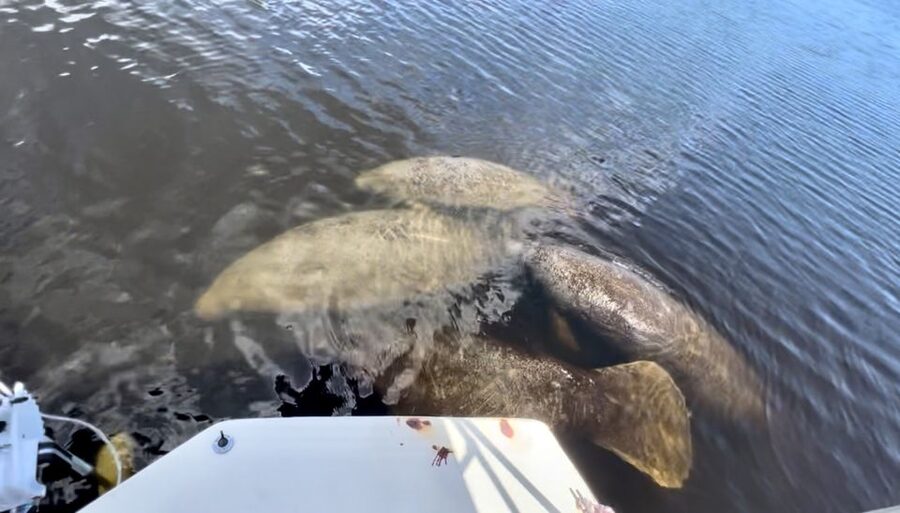
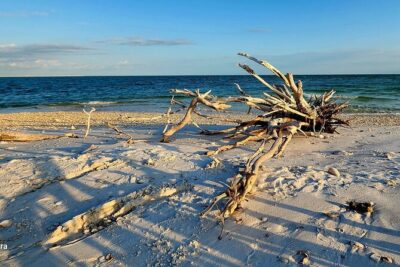
After the wildlife cruise, you disembark at Whitehorse Island for beach time. This is where the tour gives you a second kind of fun: a break from scanning the water and a chance to stretch your legs on white sand.
Shelling is part of the appeal. You’ll have time to stroll and look around for shells on the soft sand. Timing matters with tide—on some days, shelling can be limited when the shoreline is tighter. Still, it’s a relaxing change of pace, and it’s a good moment to switch from phone photos to simple barefoot time.
You’ll also have the chance to dip in the sea green water. It’s the kind of swim that feels refreshing because you’re coming off a cruise, not because you’re planning a workout. Just use the same common sense you’d use anywhere: keep an eye on your footing and don’t assume the water will be perfectly calm.
This island stop also makes the entire 3-hour experience feel balanced. Instead of turning into a nonstop wildlife hunt, you get a genuine beach intermission.
A 3-hour Everglades cruise that doesn’t feel rushed
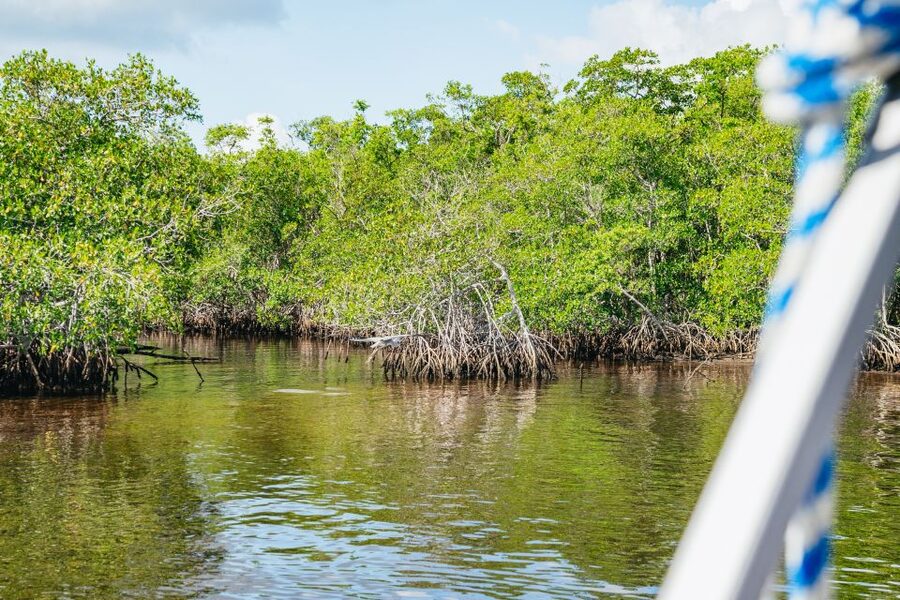
Three hours is a sweet spot for this kind of tour. It’s long enough to cruise, get multiple wildlife search stretches, and still enjoy the Whitehorse Island break. It’s also short enough that the day doesn’t hijack your whole schedule—use it as a half-day anchor in your Naples plans.
The best guide moments can be subtle: answering questions as you go, explaining what you’re seeing, and adapting pace based on the group. Andy, for example, is praised for keeping things low key and relaxing, especially when wildlife sightings were lighter. That’s actually smart guiding. If you’re the type who gets tense when you’re not seeing animals every five minutes, a calm captain helps you enjoy the ride even on a slower wildlife day.
If you want a family-friendly option, this is also one to consider. Some outings are described as especially enjoyable for families because there’s a balance of boat time, wildlife spotting, and beach time.
Price and value at $129: what you’re really paying for
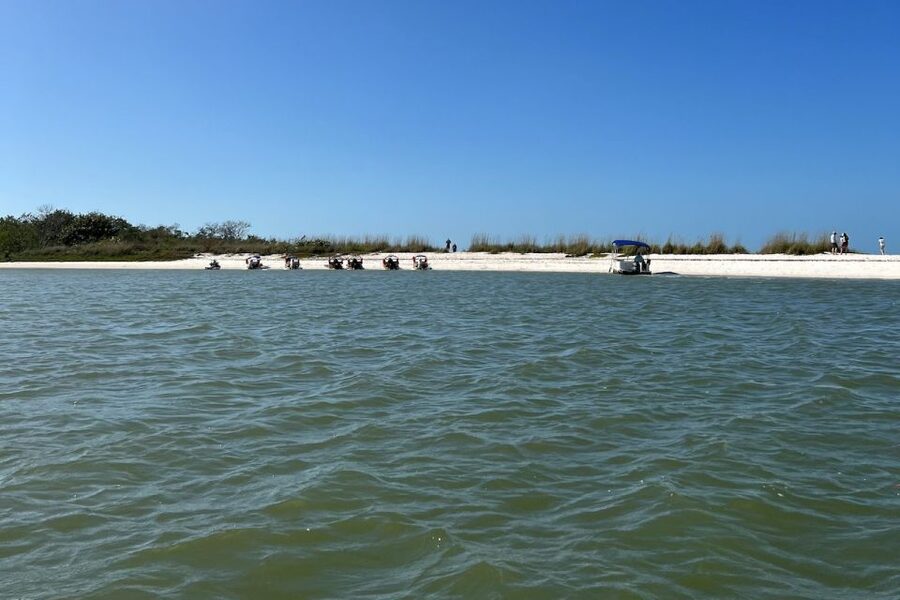
At $129 per person for about 3 hours, you’re paying for four concrete things: a guided wildlife-focused boat tour, covered boat comfort, polarized photo-spotting gear, and a real island beach stop.
You’re not paying for just a generic cruise. The guide component matters because the whole experience depends on knowing where to look in mangrove country and how to interpret what you’re seeing. Good guiding is what turns a “we went out on a boat” day into a “we actually understood the ecosystem” day.
You’re also getting helpful gear included: polarized sunglasses and polarized phone camera lenses. Even if you’re not a hardcore photographer, this can make wildlife spotting easier and photos clearer. And you get free parking across the street, which cuts down on hassle costs.
Food and drinks aren’t included, so think of the $129 as the boat + guide + wildlife spotting package. Bring your own snacks, and you’ll keep the overall day budget under control. (Alcohol is permitted, just skip glass bottles.)
Who this tour fits best, and who should think twice
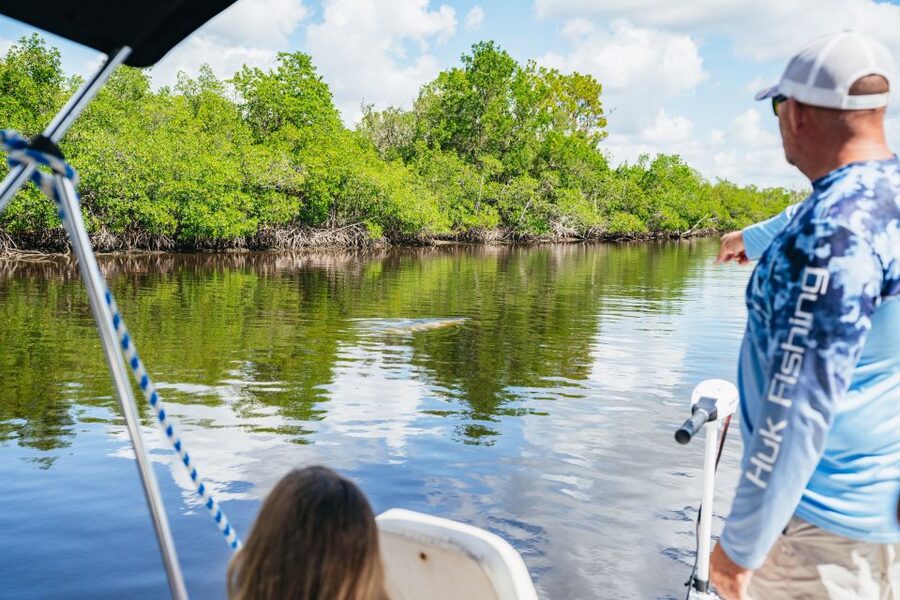
This works best if you want an authentic water-and-wildlife day without complicated planning. If you enjoy nature watching, bird spotting, and the feeling of being out on the water in Florida instead of just driving past it, you’ll probably love this.
It also fits couples who want a relaxing half-day with chances for dolphin and manatee moments, plus a beach break. If you’re traveling with kids, the structure helps: boat cruise, animal spotting, and then white sand time.
Think twice if your vacation style is “I need guaranteed wildlife every time.” Wildlife sightings can vary. Some trips come back with manatees and dolphins in great numbers; others are lighter, with more birds or alligators. If you’re okay with “good odds, not promises,” you’ll have a better time.
Quick packing checklist: what makes your day smoother
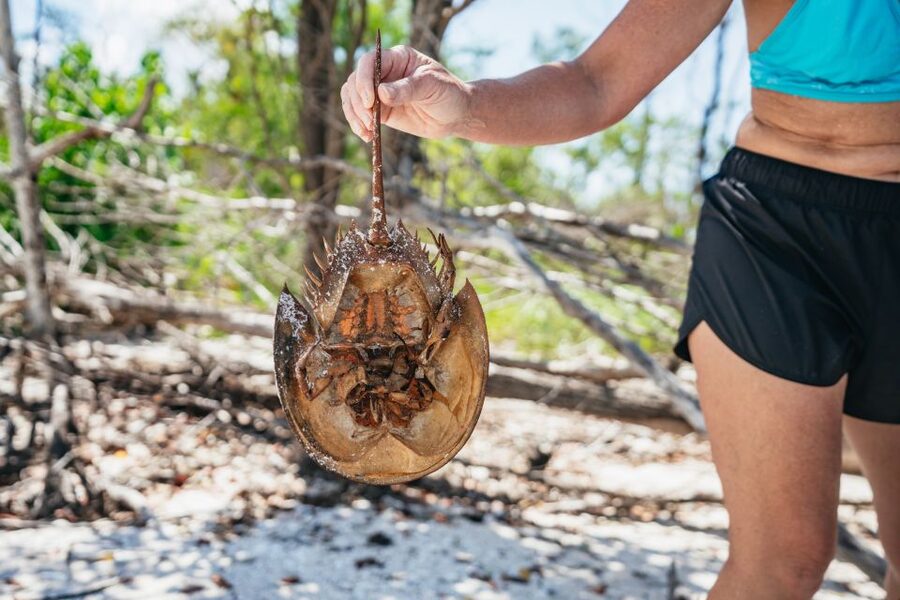
Bring beach attire, and plan to get a little wet. Since food and drinks aren’t included, pack your own snacks and water so the beach stop is enjoyable instead of stressful. Alcohol is allowed, but remember: no glass bottles.
Also bring mosquito repellent. It’s not listed as provided, and spending time outdoors on mangrove and beach areas makes it smart insurance.
For electronics, your phone camera lens is already part of the deal, but don’t forget basic protection: a dry bag or zip pouch helps keep your phone safe when you’re near the water and on the island.
And wear something comfortable for walking on sand. You don’t need hiking gear, but you do want shoes or sandals you can trust on beach ground.
Should you book this Manatee, Dolphin, and Ten Thousand Islands tour?
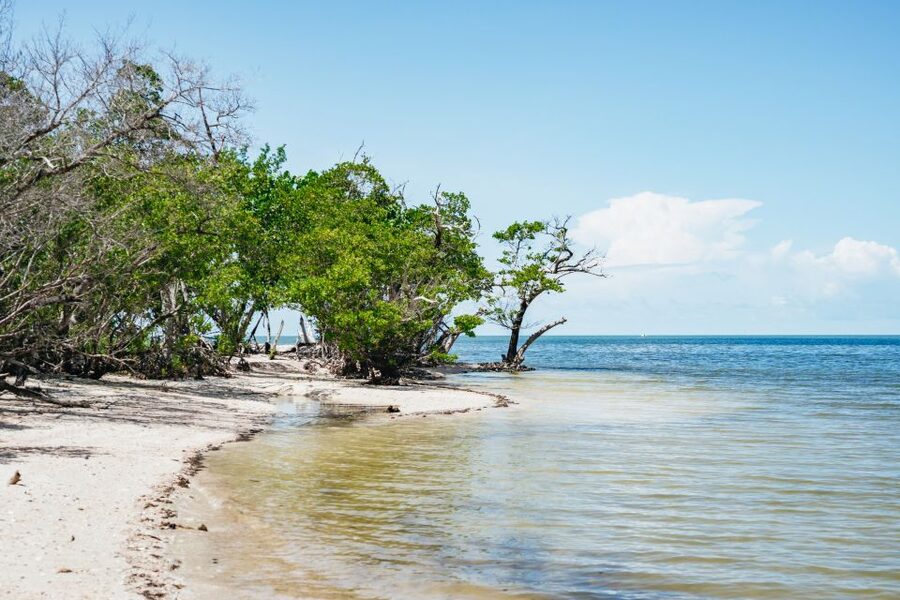
I’d book it if you’re excited by the idea of a guided Everglades-to-Ten-Thousand-Islands style boat day with a real beach stop. The value is strong when you use what’s included—polarized gear for clearer viewing, a local guide to help you spot wildlife, and Whitehorse Island for that relaxing sand break.
It’s also a good choice when you want a manageable 3-hour experience that fits into a Naples itinerary without turning into a full-day ordeal.
I’d be cautious if you’re going strictly for one animal only. Dolphins, manatees, and alligators are the targets, but outcomes depend on conditions and wildlife behavior. If you can flex and enjoy the whole rhythm—mangroves, birds, beach time—you’ll get the most out of the day.
FAQ
How long is the Manatee, Dolphin, and 10,000 Islands Beach Eco Tour?
It runs for 3 hours.
What does it cost, and where does it start?
The price is $129 per person. You meet at the Port of the Islands Marina, dock D.
What is included in the tour price?
You get a guide, a boat tour, and polarized sunglasses plus polarized phone camera lenses. Free parking is available across the street from the firehouse.
Is food or drinks included?
No. You should bring your own food and drinks. Alcohol is permitted, and there should be no glass bottles.
What wildlife are you likely to see on the waterways?
You’ll look for manatees and alligators in the mangrove areas, and dolphins may appear near the wake. You can also spot colorful birds in the sky and around the habitat.
What happens if the tour is canceled due to weather?
If it’s canceled because of poor weather, you’ll be offered a different date or a full refund.
Is the tour wheelchair accessible?
Yes, the experience is wheelchair accessible. A small group option is also available.