REVIEW · BATOEMADEG
Nusa Penida: Ecotourism, Seaweed Farming & East Tour
Book on GetYourGuide →Operated by Eco Tourism Nusa Penida · Bookable on GetYourGuide
East Nusa Penida swaps crowds for community. This 6-hour ecotourism trip pairs seaweed farming with conservation work and scenic stops like Atuh Beach and Diamond Beach. It feels less like sightseeing and more like learning how locals live with the ocean.
I especially liked the chance to see real conservation results, including coral recovery, plus the practical side of algae preparation. I also really valued the hands-on seaweed work—reviewers describe tying and planting seaweed—and the fact that lunch can be shared with the farmers themselves.
One thing to consider: the day packs multiple highlights into 6 hours, so it’s not a slow beach day. If you want long stretches of free time, this format may feel a bit quick.
In This Review
- Key Things That Make This Tour Worth It
- Why East Nusa Penida Feels Different Than the Usual Bali Excursions
- Conservation Work You Can Understand: Coral Recovery and Algae Prep
- Hands-On Seaweed Farming With Local Farmers
- East Penida’s Main Stops: Atuh Beach, Diamond Beach, and the Treehouse
- Atuh Beach
- Diamond Beach
- The Treehouse
- When the Day Gets Flexible: Giri Putri Cave Upon Request
- The Guide Factor: Festi, Questions, and a Small Group Advantage
- Included Comforts That Keep the Day from Feeling Pricey
- Who This Tour Suits Best (And Who Might Skip It)
- Should You Book This Nusa Penida Ecotourism East Tour?
- FAQ
- How long is the Nusa Penida ecotourism and seaweed farming tour?
- What languages are the tour guide available in?
- How big is the group?
- What’s included in the price?
- Is there free cancellation?
- What does the pricing look like?
Key Things That Make This Tour Worth It
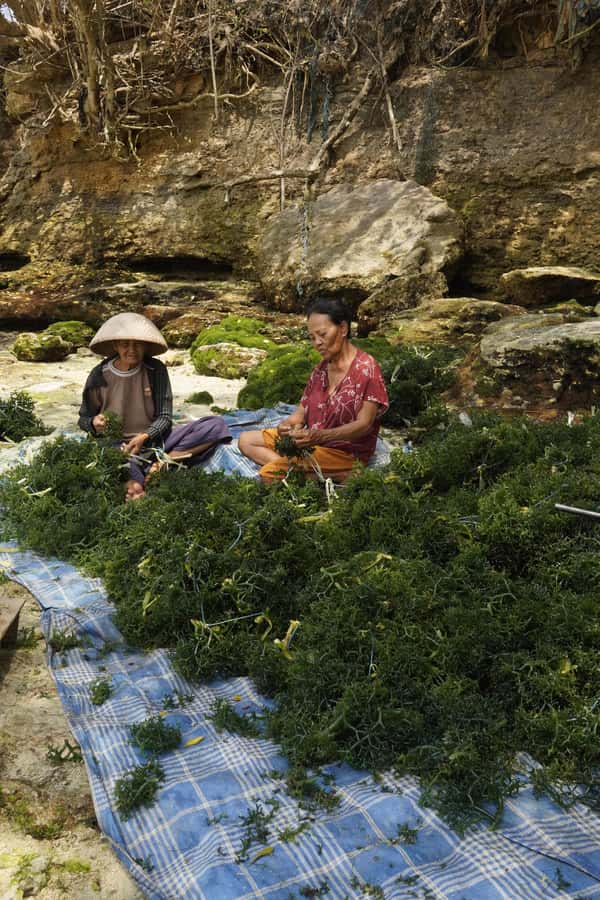
- Seaweed farming with real farmers: you get involved, not just watch from the sidelines
- Conservation-focused learning: coral recovery and algae preparation are part of the story
- East Penida’s major viewpoints: Atuh Beach, Diamond Beach, and the famous Treehouse are built into the route
- Small-group feel: limited to 8 participants, which makes questions easier
- A guide who answers everything: Festi is specifically praised for being helpful and question-friendly
Why East Nusa Penida Feels Different Than the Usual Bali Excursions
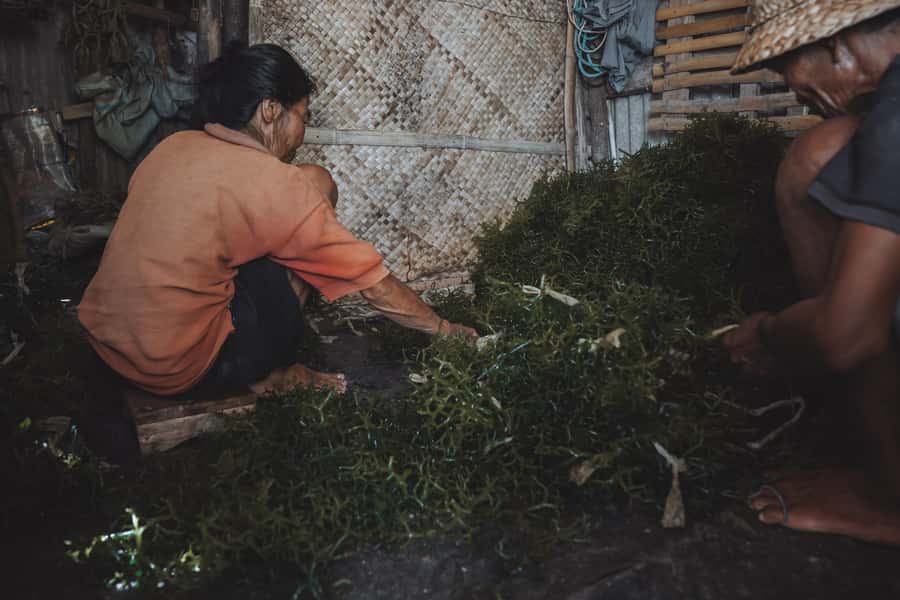
Nusa Penida is famous for dramatic cliffs and famous beach photos. But this tour leans in a different direction. Instead of treating the coastline like a backdrop, you’re learning how the coast is managed—through local livelihoods and conservation work tied to the sea.
The standout here is the angle: you spend time seeing the island through the eyes of a coastal community, and the conservation piece isn’t just a lecture. The tour is built around a long-running effort (a 10-year legacy of conservation is part of the concept), so it doesn’t feel like a short-term feel-good project.
Conservation Work You Can Understand: Coral Recovery and Algae Prep
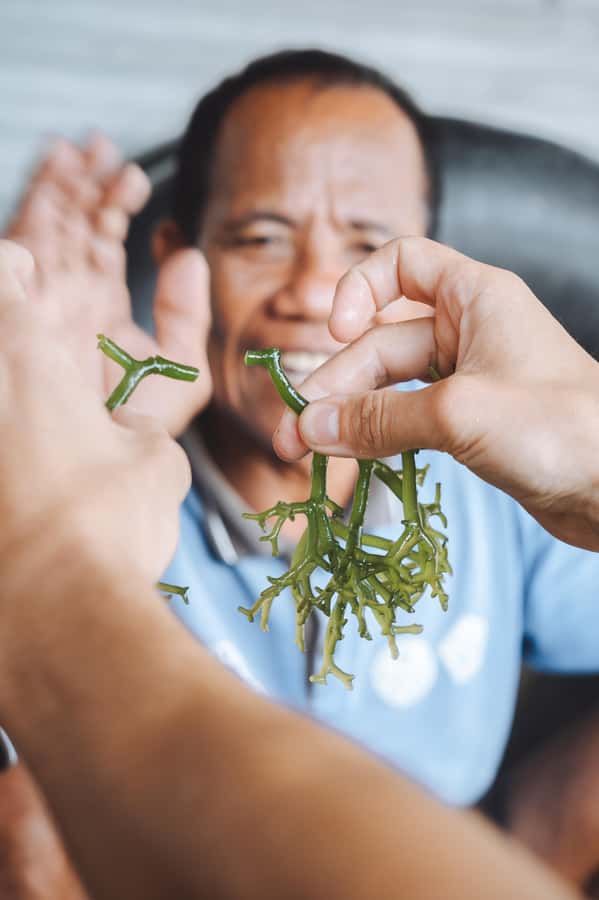
A big part of why I’d choose this tour is that it treats the ocean as a living system, not a view. Based on participant feedback, the tour includes a chance to see coral recovery work and then get into preparation related to algae.
That matters for two reasons. First, it helps you connect what you see in the water (and on the reef) to actual hands-on steps people take to improve conditions. Second, algae preparation is one of those behind-the-scenes activities that makes conservation feel practical. It’s not just a hopeful story; it’s labor, routines, and process.
If you like tours where you leave with a clearer mental model of how something works, this is the type that delivers. And if you’re more “show me, don’t tell me,” you’ll appreciate that the day is structured around real work and real people doing it.
Hands-On Seaweed Farming With Local Farmers
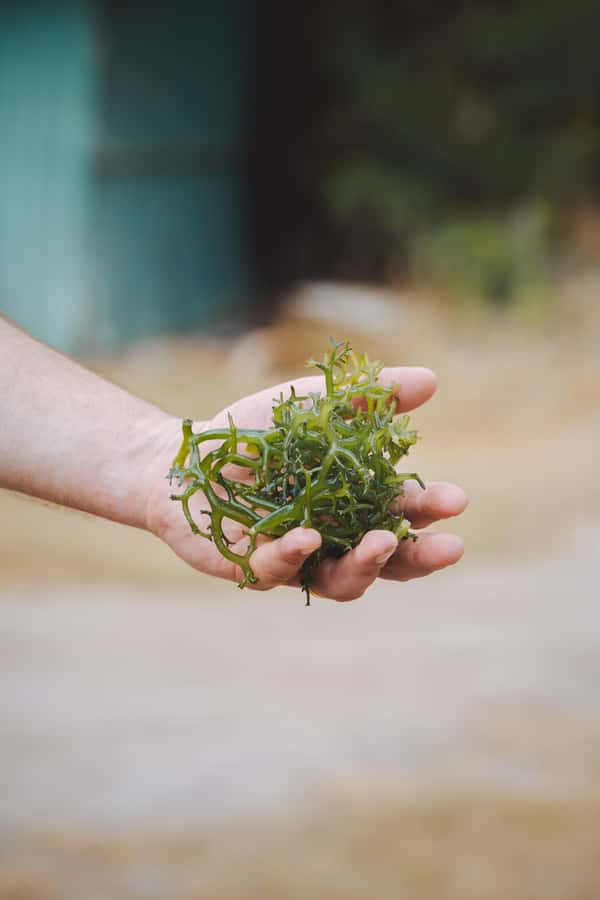
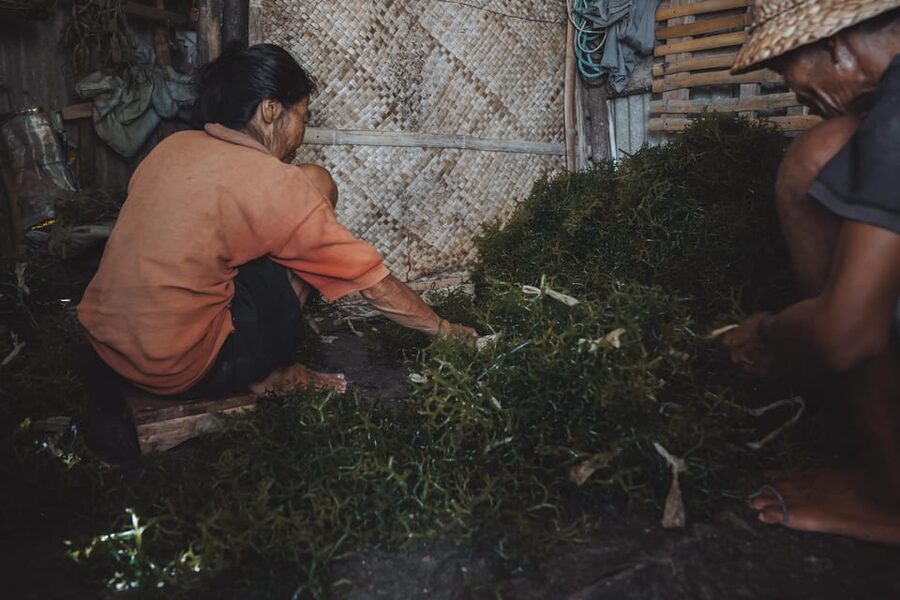
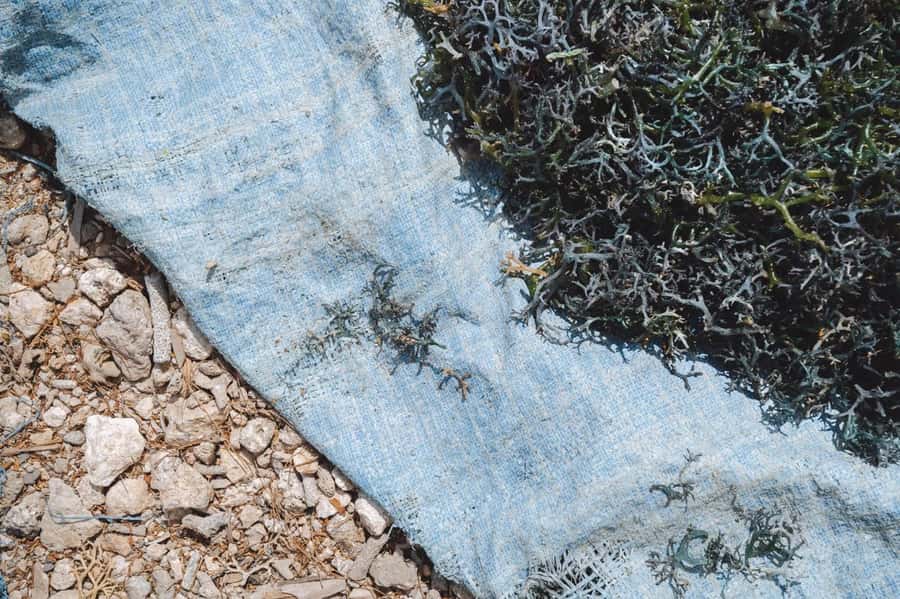
Seaweed gets talked about as a health trend and a sustainable ingredient, but this tour frames it as something closer to community infrastructure. The plan is to learn how local seaweed farmers grow and harvest seaweed, one of the ocean’s more sustainable resources.
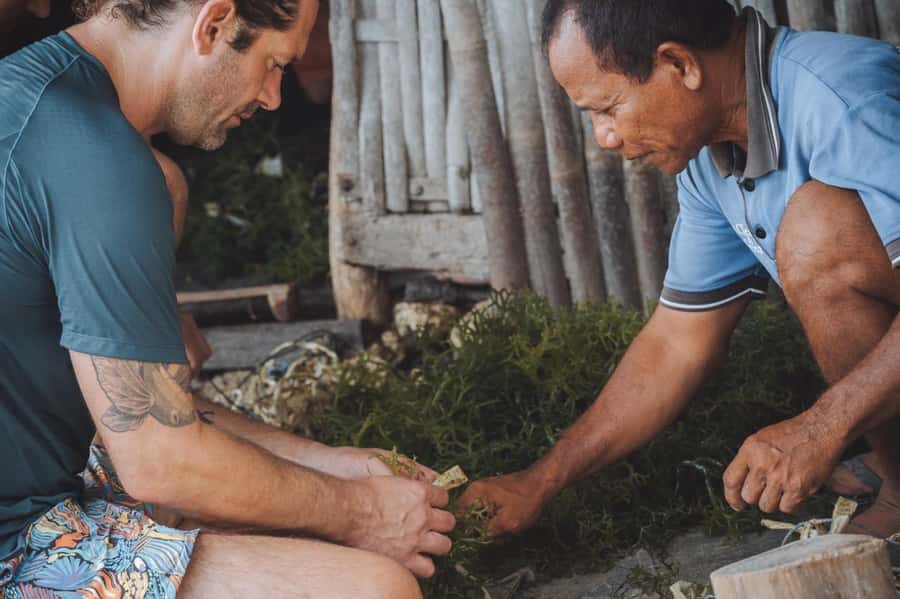
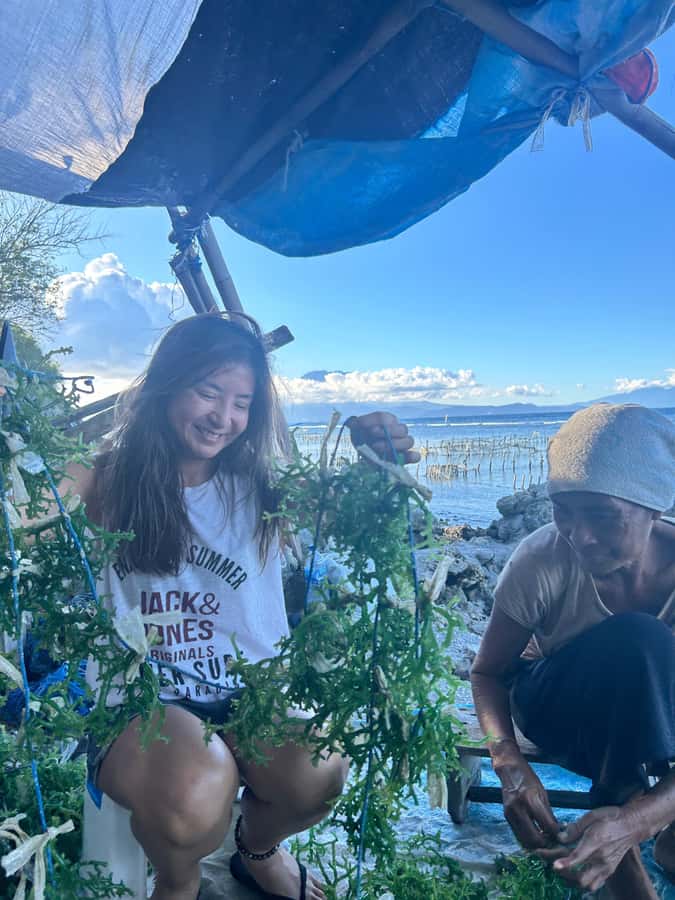
What I like is that you don’t just learn theory. Reviews specifically mention helping with tying and planting the seaweed. That hands-on time changes the whole vibe. It turns seaweed from a topic into a tangible process.
There’s also a human side to it that’s hard to fake. One review highlights a farmer who was friendly and invited the group to eat lunch at his house. Even if every day looks slightly different, the tour’s intent is clear: support real island livelihoods, and treat the farmers as hosts, not as performers.
East Penida’s Main Stops: Atuh Beach, Diamond Beach, and the Treehouse
After the farming and conservation time, the route shifts to the places Penida is known for. You’ll visit Atuh Beach, Diamond Beach, and the famous Treehouse.
Here’s what I think these stops do best when paired with the earlier conservation work: they remind you why the environment matters. You’re not just standing at viewpoints. You’re seeing the coastline right after learning about ocean recovery and sustainable use. That connection can make the photos feel more meaningful, and it can also make you more careful about how you move around sensitive areas.
Atuh Beach
Atuh Beach is included as a key highlight. Expect dramatic coastal scenery and the kind of view people come to Penida for. The time spent here is likely designed as a snapshot stop, so you’ll want your camera ready and your attention on the cliffs and water.
Diamond Beach
Diamond Beach is another headline stop. Again, it’s a famous photo spot, but the value of this tour is that it’s not random. It’s part of a “learn the ocean, then see the ocean” flow.
The Treehouse
The Treehouse stop is also listed as part of the experience. This is the kind of viewpoint that tends to be memorable because it feels like a destination, not just a roadside pull-off. You’ll likely want a moment to slow down and enjoy it rather than rushing through just to check it off.
When the Day Gets Flexible: Giri Putri Cave Upon Request
One review adds a useful detail: the guide Festi was able to fit in a stop at Giri Putri Cave when the group was passing by and asked for it.
That’s a small detail, but it’s a big quality marker. When a tour leader can adjust without turning the day chaotic, it usually means they understand the local rhythm and can keep the main plan intact.
So if you have a soft spot for caves or you want one more culture-and-nature stop, ask about it during the day. Just remember it’s described as a request-based addition, not guaranteed.
The Guide Factor: Festi, Questions, and a Small Group Advantage
This tour is led by a live guide available in English, Indonesian, and German. Reviews call out the guide Festi by name, describing him as super helpful and able to answer a lot of questions.
That matters more than people think. In conservation and community-based tourism, questions are half the experience. If your guide can explain how seaweed farming connects to livelihoods, why coral recovery matters, and what the local work really involves, you’ll walk away with more than photos.
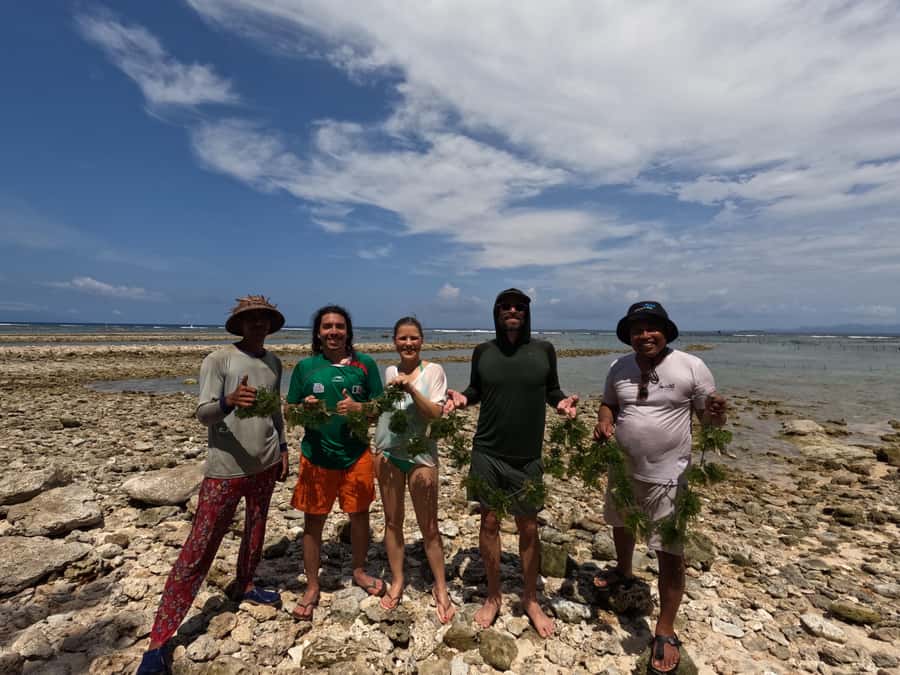
The group size also helps. It’s capped at 8 participants, which tends to make the day feel easier to manage and more personal. You’re not fighting for attention when you want clarity or when you’re curious about what you’re seeing.
Included Comforts That Keep the Day from Feeling Pricey
At $73 per person for a 6-hour experience, the value is less about “cheap thrills” and more about what you’re getting for the money. You’re not just paying for transportation to scenic stops. You’re also paying for access to a conservation-and-farming program, plus a guide, plus meals and drinks.
What’s included:
- Transportation to the seaweed farms and sights
- Lunch, snacks, coffee, and tea
- All taxes and fees
For me, that’s what makes this tour feel more worth it than a basic day-trip. When meals are included, you avoid the usual Bali add-on costs. When the guide and program are included, you’re paying for structured learning instead of piecing it together yourself.
Who This Tour Suits Best (And Who Might Skip It)
This is a great fit if you:
- Want authentic experiences tied to locals and conservation
- Like hands-on learning, especially around seaweed farming
- Prefer smaller groups and lots of room for questions
It might not be the best fit if you:
- Want a purely beach-and-picture day with lots of free time
- Don’t enjoy educational components like coral recovery and algae preparation
If you’re somewhere in between—curious but still want the classic Penida scenery—this format usually lands well.
Should You Book This Nusa Penida Ecotourism East Tour?
I’d book it if you want a Penida day that feels grounded in real work, not only views. The combination of conservation (including coral recovery and algae preparation), hands-on seaweed involvement, and the big East Penida highlights makes it a strong “learn and see” day.
I’d hesitate only if you know you get impatient with packed schedules. With 6 hours and multiple stops, the day moves. But if you’re okay with that pace—and you like knowing where your sightseeing money goes—this is one of the more meaningful ways to experience East Nusa Penida.
FAQ
How long is the Nusa Penida ecotourism and seaweed farming tour?
The duration is 6 hours. Starting times depend on availability.
What languages are the tour guide available in?
The live tour guide speaks English, Indonesian, and German.
How big is the group?
The tour is a small group limited to 8 participants.
What’s included in the price?
Transportation to the seaweed farms and sights is included, along with lunch, snacks, coffee, and tea, plus all taxes and fees.
Is there free cancellation?
Yes. You can cancel up to 24 hours in advance for a full refund.
What does the pricing look like?
The price is $73 per person.