REVIEW · TONGATAPU ISLAND
Other side of heaven Eco friendly snorkeling adventure
Book on Viator →Operated by Hamala Tonga Tours · Bookable on Viator
Snorkeling on Tongatapu can be stress-free. Other side of heaven turns reef time into an easy, guided swim where I like the close-up coral and colorful fish you get, and I like the way you hear real-world talk about how climate is affecting coral in Tonga. One thing to consider: at $150 per person, it may feel pricey if you’re only after a quick in-water session right off the pier.
I also appreciate the practical setup: you start at Vuna Wharf, walk to the snorkeling area, get a safety briefing and equipment check, and then you’re in the water for about two hours total. The group stays small (up to 12 people), which usually means more attention when you’re new to snorkeling.
In This Review
- Key Things to Know Before You Go
- Other Side of Heaven at Tongatapu: what makes it feel like a fish tank
- From Vuna Wharf to the snorkeling area: simple start, clear flow
- The 2-hour snorkeling routine: what you’ll actually do in the water
- Tongatapu stops that turn one snorkel into a mini island outing
- Wildlife moments: manta rays, turtles, and how you spot marine life
- Coral and climate: why this tour includes a reef reality check
- Price and value: is $150 worth it?
- Who this tour fits best (and who should rethink it)
- Final call: should you book Other side of heaven snorkeling?
- FAQ
- Where does the Other side of heaven snorkeling tour start?
- How long is the tour?
- Is pickup available?
- What time does the tour begin?
- How many people are on the tour?
- Do I need to be a strong swimmer?
- What marine life might you see?
- What happens if the weather is poor?
- What is the cancellation policy?
Key Things to Know Before You Go
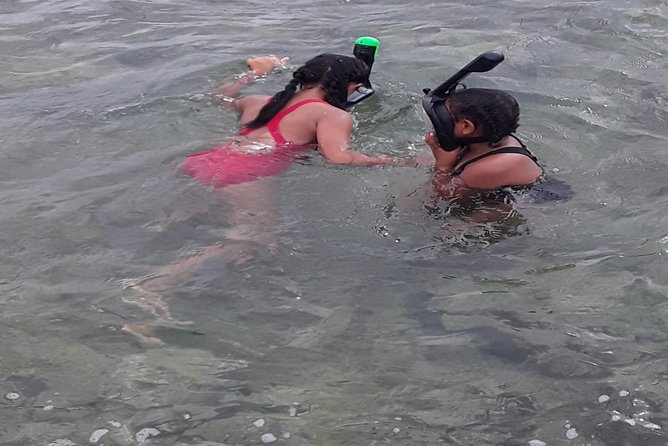
- Guided “huge fish tank” snorkeling: It’s designed to feel calm and beginner-friendly rather than wild and chaotic.
- Small group size (max 12): More personal attention during the briefing and in the water.
- Tongatapu marine life you can actually see close up: Coral, fish colors, and the chance of a manta ray or turtle passing by.
- Reef talk tied to climate: You’ll get first-hand context on how climate change is affecting coral in Tonga.
- Add-on island stops, not just water time: The price includes multiple Tongatapu sites, plus time customized for more swimming.
Other Side of Heaven at Tongatapu: what makes it feel like a fish tank
The big promise of Other side of heaven is simple: you snorkel where the water feels manageable, and the view feels right there in front of you. The vibe is like swimming in a huge fish tank—clear enough, close enough, and guided enough that even a basic beginner can enjoy it without feeling out of control.
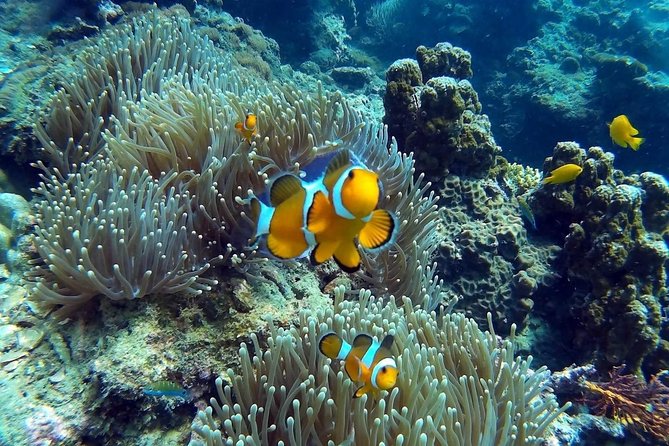
What I’d call the heart of the experience is the reef viewing. You’re there for the marine life and coral—the kind of underwater variety that makes you keep lifting your head to look again and again. And because this is Tongatapu, you also get a sense of place; you’re not just floating in unknown water. You’re seeing how the local ecosystem looks up close, and you’re getting the story of what’s changing.
The operator frames the experience as eco-friendly, and even without a long list of technical sustainability details, you can tell the tour style is built around reef respect: guided entry, equipment checks, and staying with the plan so you don’t treat the underwater world like a free-for-all.
From Vuna Wharf to the snorkeling area: simple start, clear flow
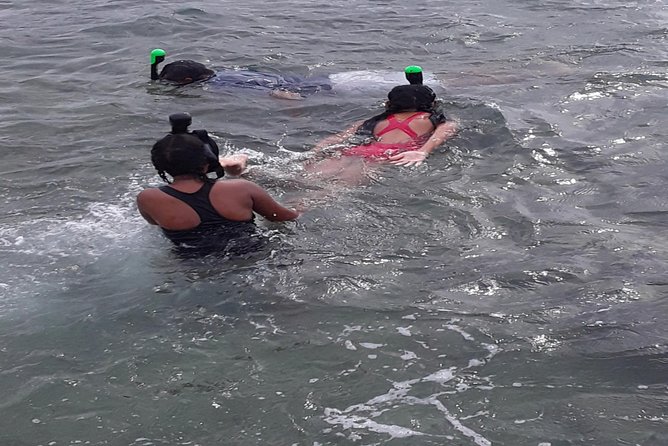
Your day starts at Vuna Wharf in Nuku’alofa (Tongatapu Island). You meet up, then you walk to the snorkeling area. That may sound minor, but it matters more than you’d think. A short, organized transfer usually means fewer delays, less confusion, and more of your energy saved for the water.
Before you head in, you get a safety briefing and an equipment check. For first-timers, that kind of step-by-step start is gold. It’s the difference between guessing how your snorkel sits and having someone show you what’s right before you commit to the water.
Pickup is offered, and it can make the whole outing feel smoother—especially if you’re staying farther from the wharf. If you don’t want a pick-up, it’s still easy to build your schedule around a 9:00 am start.
The 2-hour snorkeling routine: what you’ll actually do in the water
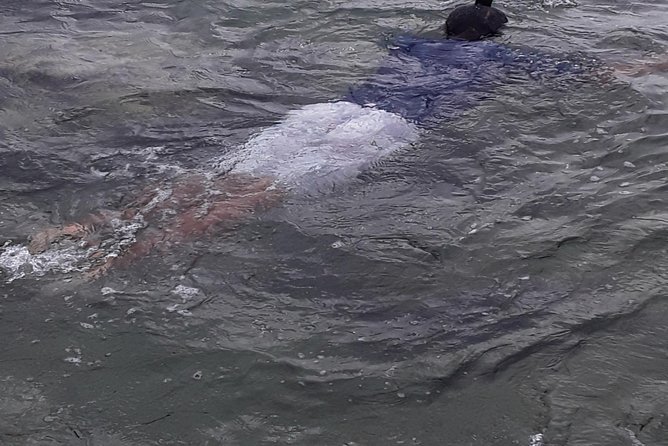
The total time on this outing is about two hours (approx.). That’s a sweet spot for most people: long enough to feel like you got your money’s worth, short enough that you don’t lose the day to logistics.
Here’s the flow you can expect:
- You meet, then walk out to the snorkeling area.
- You get a safety talk and equipment check.
- You snorkel and see marine life and coral at the “Other side of heaven” site.
- You finish back at the meeting point.
The tour’s design is aimed at keeping the experience fun and safe. The “huge fish tank” concept means you’re not left alone figuring out currents or distance. You’re there to enjoy the view—especially the fish colors and coral textures—and to keep things comfortable while you learn.
Also, you may get the chance to spot something special. The chance of a manta ray or turtle swimming by is part of the pitch. Nobody can guarantee sightings in the ocean, but building a guided plan around where people typically see wildlife increases your odds compared with a random swim.
Tongatapu stops that turn one snorkel into a mini island outing
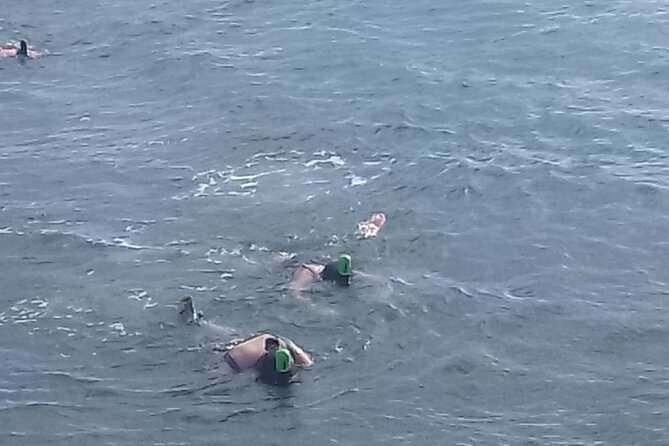
Even though this is a snorkeling adventure, the value isn’t only the water time. The tour price includes a set of Tongatapu sightseeing stops, and the operator can customize the day to give you more swim time.
What those stops may include:
- 3 headed coconut
- Blow holes
- Tsunami rock
- Abel Tasman
- Otuhaka Resort
- Royal Palace
- Royal Burial
A lot of snorkeling tours are just, meet, gear up, jump in, and done. This one works more like a short island circuit—so you leave with more than underwater photos. You also get context above water, which makes the reef viewing feel less random. When you can look at the island and then see the marine life close up, it helps your brain connect the dots between land and sea.
One practical note: these stops don’t have to mean long museum-style time. With an outing around two hours total, expect a “see it, take photos, keep moving” style rather than extended sitting.
Wildlife moments: manta rays, turtles, and how you spot marine life
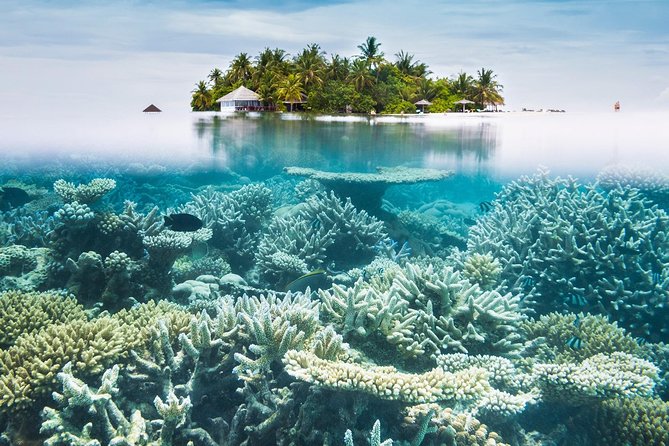
When the operator says you might see a manta ray or turtle, what you should do is manage your expectations while staying open. Think of it like this: you’re not just looking for something guaranteed. You’re in an environment where wildlife passing by is possible, so you should pay attention instead of zoning out.
In practice, spotting marine life comes down to three things:
- Slow movements in the water
Fast arm waving and frantic kicking often scares animals away.
- Keeping your eyes on the reef line
Fish and coral interact closely with each other, so where the reef texture changes is where life tends to cluster.
- Listening to your guide’s cues
If someone points out where to look, it’s usually because that spot has a better chance of showing you something.
This is also where the “beginner-friendly” angle helps. If you’re still getting comfortable breathing and using fins (or staying stable without panicking), it’s harder to look at details. A calm, guided setup makes it easier to keep your attention on the reef long enough to enjoy it.
Coral and climate: why this tour includes a reef reality check
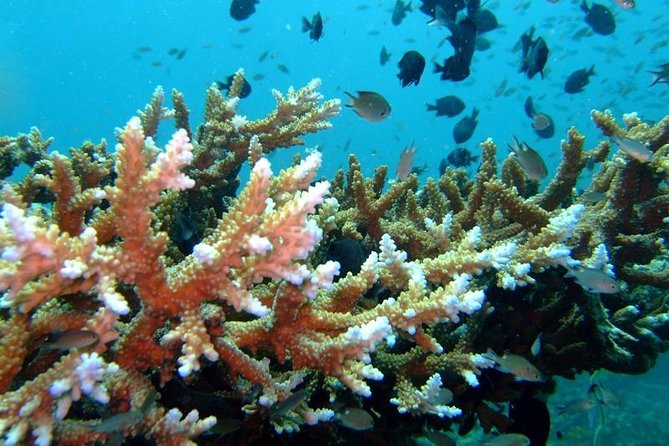
One of the most interesting parts of Other side of heaven is the promise of first-hand context about how climate is affecting coral in Tonga. That matters because reef snorkeling can turn into a purely visual experience. You see bright fish, take photos, and move on.
This tour ties the underwater view to a bigger story: how the coral ecosystem is under pressure. Even if you’re not a marine scientist, you’ll still come away with a clearer sense of what you’re looking at and why it’s worth protecting.
Look at it this way: you’re paying for more than entertainment. You’re paying for a guided way to witness the reef and then understand what’s happening to it. That’s also why “eco-friendly” branding fits the experience style. If the tour is going to talk about climate impact, it’s likely built around not treating the reef like a disposable backdrop.
Price and value: is $150 worth it?
Let’s talk money without hand-waving. $150 per person is not a bargain price for snorkeling. And if your mental image is just jumping in off the pier, you’ll probably feel the sting.
So here’s the value equation I’d use before you book:
- If you want only water time, the price may feel too high for what you get.
- If you want guided snorkeling with an easy safety-first approach, plus a route that can include multiple Tongatapu sites and customized time for more swimming, the price starts to make more sense.
The operator includes more than the snorkel itself. That matters because guiding doesn’t just mean someone holding a whistle; it means organized entry, equipment handling, safety briefing, and a planned route. It also means you’re more likely to spend your time actually enjoying the reef instead of troubleshooting.
Add the small group size (max 12). Fewer people usually means less crowding near the water and more chance your guide can help you quickly if something feels off.
My practical advice: decide what you’re buying. If you’re buying a calm guided experience plus a mini island outing, $150 might be reasonable. If you’re buying a simple swim, you can likely find cheaper options elsewhere.
Who this tour fits best (and who should rethink it)
This outing is built for people who want a safe beginner experience and a reef view without a high-stress learning curve. If you’re comfortable with water but new to snorkeling, the guided approach is exactly what you want.
It also fits you if you want more than one type of memory from the day. Between the snorkeling and the potential Tongatapu stops (coconut, blow holes, tsunami rock, palace and burial sites, and more), you’ll have both underwater photos and above-water context.
A moderate physical fitness level is required. That doesn’t sound intense, but it does mean you should be able to walk from the wharf area and handle basic water movement comfortably.
If you’re an advanced snorkeler who wants long, independent sessions and maximum time in the water, the about-two-hour duration may feel short. You might still enjoy it, but it’s not positioned as an all-day reef expedition.
Final call: should you book Other side of heaven snorkeling?
Book it if:
- you want guided snorkeling in calm, beginner-friendly conditions
- you care about seeing coral and fish close up
- you like the idea of adding Tongatapu landmarks to the day
- you’re okay paying for organization and safety rather than DIY
Skip it or shop around if:
- you’re mainly trying to do a quick, budget snorkel
- you only want long uninterrupted water time
- your schedule is tight and you’d rather not spend time on a short route and briefing
For most first-timers to Tonga reef snorkeling, this is a solid match. The best part is that it doesn’t treat snorkeling as a test. It treats it as an accessible adventure, with a small group and a plan that keeps the focus on what you came for: coral, fish, and the chance of a cool wildlife moment.
FAQ
Where does the Other side of heaven snorkeling tour start?
It starts at Vuna Wharf in Nuku’alofa, Tonga, and the activity ends back at the meeting point.
How long is the tour?
The duration is about 2 hours (approx.).
Is pickup available?
Yes, pickup is offered.
What time does the tour begin?
The start time listed is 9:00 am.
How many people are on the tour?
The maximum group size is 12 travelers.
Do I need to be a strong swimmer?
The tour is described as very safe even for a basic beginner, and it requires a moderate physical fitness level.
What marine life might you see?
You’ll see marine life, coral, and various species of fish, and there is a possibility of seeing a manta ray or turtle.
What happens if the weather is poor?
This experience requires good weather. If it’s canceled due to poor weather, you’ll be offered a different date or a full refund.
What is the cancellation policy?
The experience is non-refundable and cannot be changed for any reason. If it’s canceled because the minimum number of travelers isn’t met, you’ll be offered a different date/experience or a full refund.