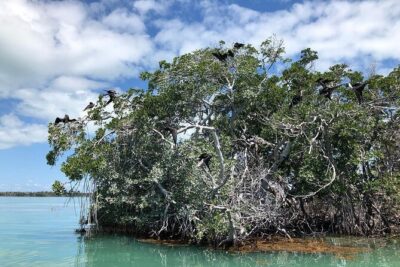
REVIEW · POTTUVIL
Pottuvil Lagoon Eco Tour : Mangrove Adventure in Arugam Bay
Book on GetYourGuide →Operated by Arugambay Agenda · Bookable on GetYourGuide
Pottuvil Lagoon feels like a living nature documentary. You glide through the mangroves of Arugam Bay while a guide points out the wildlife and explains how the whole system works. I especially like the early-morning or sunset timing for easier wildlife spotting and calmer water, and I also love the friendly, story-driven guiding I’ve seen from guides like Rishi and Hanas. One thing to keep in mind: there’s no food or snacks included, so plan for that before you go.
You’re not just “looking at trees.” The mangroves are a feeding and shelter zone, and you’ll see signs of that right away: muddy banks, crabs, prawns, and birds moving through the channels. If you’re lucky, you’ll also catch the moment that makes Arugam Bay famous—elephants crossing or even swimming in the lagoon—plus crocodiles basking nearby. The tour is relaxed and well-paced, but you’ll want to pack light and bring a hat for the boat time.
If your idea of a perfect tour is quiet nature plus wildlife, this one clicks. If you hate sun exposure, muddy boat landings, or the idea that sightings are never guaranteed in the wild, you might want to choose a different type of outing.
In This Review
- Key highlights I’d prioritize
- Pottuvil Lagoon in Arugam Bay: What You’re Really Seeing
- Sunrise vs Sunset: Two Different Ways to Fall for the Lagoon
- Getting There: Pickup, Tuk-Tuk Ride, and a Real Safety Brief
- On the Boat Safari: Mangroves, Birds, Crocs, and Elephant Moments
- Birds that are actually fun to identify
- The big-ticket wildlife: elephants and crocodiles
- Crabs and prawns: the smaller life that makes the lagoon work
- The Coconut Refreshment and Any Beach Breaks
- Price and Value: Is $32 Worth a Mangrove Safari?
- Guides Matter: Rishi, Hanas, and Ibrahim’s Different Styles
- Practical Tips: What to Bring (and What to Skip)
- Who Should Book This Tour, and Who Might Not
- Should You Book the Pottuvil Lagoon Eco Tour?
- FAQ
- How long is the Pottuvil Lagoon Eco Tour?
- Do they offer sunrise and sunset tours?
- Where are the pickup and drop-off locations?
- What language is the live tour guide?
- What’s included in the price?
- What wildlife can I expect to see?
- What should I bring, and what is not allowed?
- Is food provided, and what about cancellation or payment later?
Key highlights I’d prioritize
- Sunrise and sunset sessions for different light, different wildlife energy, and different vibes
- Elephants in the lagoon and crocodiles basking in a mangrove setting
- Birdwatching built in, from kingfishers and herons to egrets and even sea eagles
- Mangrove ecosystem talk that turns scenery into something you understand
- Cold king coconut refreshment during the safari
- Pickup by tuk-tuk with transport handled, so you can focus on the water
Pottuvil Lagoon in Arugam Bay: What You’re Really Seeing
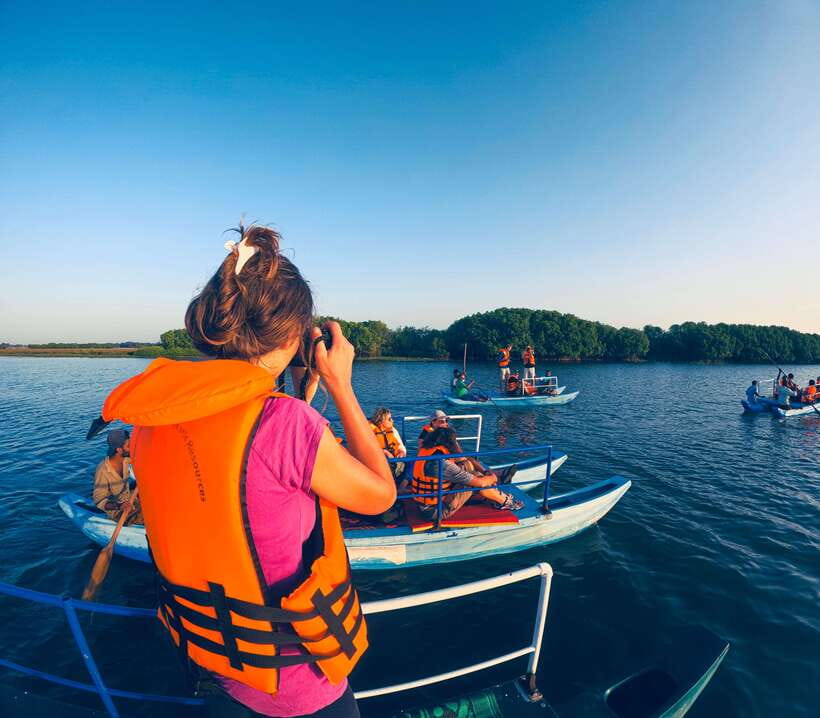
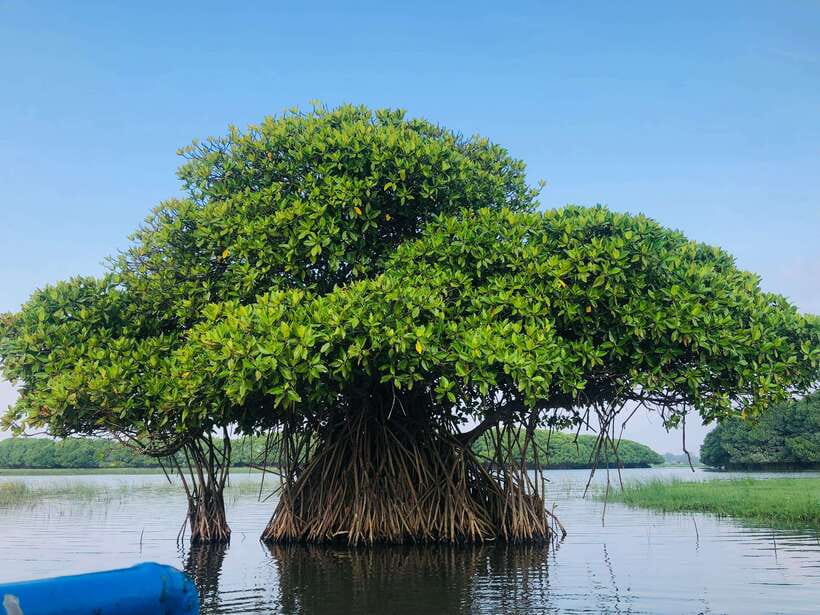
Pottuvil Lagoon is one of those places where the “wow” isn’t just a single animal sighting. It’s the whole rhythm of the ecosystem—water channels, mangrove roots, muddy edges, and wildlife using each part for food and safety. On this mangrove adventure, you glide rather than stomp, which makes it easier to watch without constantly spooking the animals.
The experience is built around realistic nature viewing. You’ll look for crabs scuttling across muddy banks, prawns darting in the water, and birds perched or flying overhead. The mangroves themselves aren’t scenery dressing; they’re part of the wildlife route. The guide’s job is to connect those dots so you don’t just see random birds—you learn what they’re doing there and why.
And yes, the animals that steal the show are the ones you came for. Expect crocodiles basking in the sun and elephants moving through the lagoon. Reviews also mention sightings like flying foxes, different eagles, and even flying fish. That doesn’t mean you’ll see everything, but it does tell you the lagoon often offers more than the basics.
Sunrise vs Sunset: Two Different Ways to Fall for the Lagoon
This tour has a fun choice baked in: you can go on a sunrise session or a sunset session. Same lagoon, different mood.
Sunrise usually feels calmer and cooler, with softer light for spotting movement. It’s also the time when animals can seem more active in the channels and along the edges. If you’re the kind of person who likes that early “everything is waking up” feeling, this is the slot.
Sunset is for the slower, golden-hour style of watching. The water can be glassier, the colors look great for photos, and the experience becomes more about drifting through the mangroves while wildlife shows up in its own timing. One review described the sunset tour as relaxing while still delivering strong wildlife sightings like crocodiles and elephants.
If you’re torn: pick the one that matches your energy. Going early means waking up, but you might get a smoother start for animal spotting. Going late means a longer day, but you’ll finish with great light.
Getting There: Pickup, Tuk-Tuk Ride, and a Real Safety Brief

This is a properly organized eco tour for people who don’t want to wrestle with transport. Pickup is available in Pottuvil and Arugam Bay. The tuk-tuk ride is about 20 minutes, and the vehicle arrives around 10 minutes before departure.
Before the boat safari starts, there’s a 10-minute safety briefing. It’s not long, but it’s important. Even on a gentle lagoon outing, being clear on basic rules helps you stay comfortable and lets you focus on the wildlife, not the logistics.
Tour gears are included, and entry tickets are covered too. That matters because the “real cost” of some wildlife tours is what you end up paying on the spot for basics. Here, you can show up and go.
On the Boat Safari: Mangroves, Birds, Crocs, and Elephant Moments
The core of the experience is the lagoon safari itself. You’ll spend about 2 hours on the water during the guided portion, with sightseeing along the way. The boat ride is the right pace for this kind of watching—slow enough to track details, but active enough to keep your eyes busy.
Birds that are actually fun to identify
Birdwatching here is more than generic “look for birds.” The tour description calls out kingfishers, herons, egrets, and even sea eagles. That’s a solid mix, because you’re not just hoping for something rare—you have a mental checklist as you watch.
In reviews, people also mention eagles and flying foxes. That’s a reminder that lagoon wildlife can be layered: you might see small movement near the roots, bigger birds in the air, and mammals closer to the waterline.
Tip: keep your eyes moving. Birds can pop up in short bursts—one minute they’re flying, the next they’re perched right where mangrove branches meet open channel.
The big-ticket wildlife: elephants and crocodiles
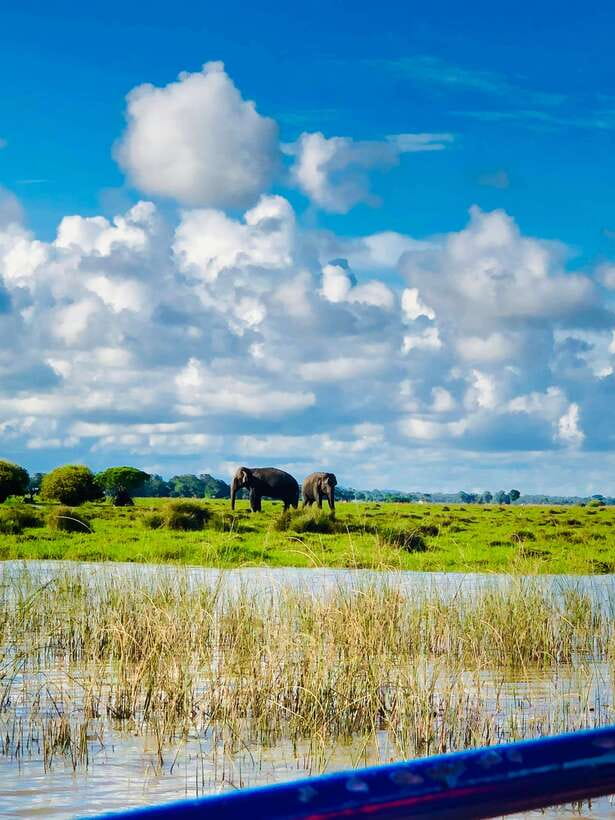
This is the part most people talk about. The lagoon can produce elephant sightings—elephants gracefully crossing the lagoon is specifically mentioned, and reviews include the idea of elephants and crocodiles in the same outing.
Crocodiles are described as basking in the sun. That’s helpful for watching because basking animals tend to hold position longer than animals that are actively hunting. One review even singled out a very large crocodile, which is exactly the kind of moment you hope for on a safari like this.
Reality check (in a good way): wildlife viewing has uncertainty. The tour maximizes your chances through timing and local guidance, but you’re still in nature. Your best approach is to stay present and enjoy the whole scene, not just the top two animals.
Crabs and prawns: the smaller life that makes the lagoon work
This tour doesn’t only chase the headline mammals and reptiles. The description includes crabs on the muddy banks and prawns darting in the water. That’s a big deal because it shows you the food web in action—what feeds what, and why mangroves matter.
Mangroves aren’t just trees in water. They function as habitat and shelter, creating a place where small creatures can live and bigger animals can find food. A good guide turns that into something you can observe, not just something you hear as a lecture.
The Coconut Refreshment and Any Beach Breaks
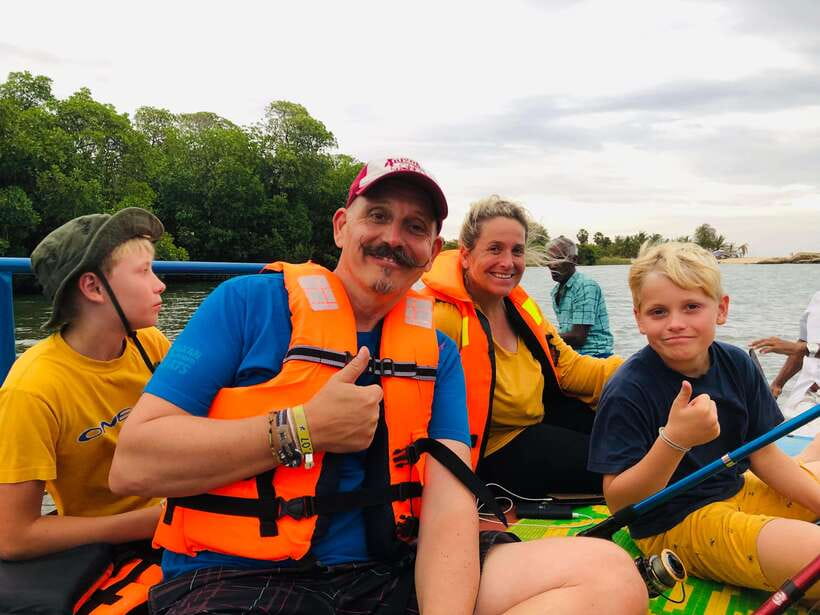
During the safari, you get a cold king coconut refreshment. It’s simple, but it’s the right kind of break for a 3-hour outing. Sun + boat time adds up, and coconut water is one of those “local yes” drinks that keeps you comfortable without slowing the tour down.
Some tours include a pause where you can rest and get out briefly. One review describes a stop at a beach and a short mini trek toward a lagoon opening with blue water. The details like exactly how long you walk may vary by session and conditions, but the overall idea is consistent: you don’t stay trapped on the boat the whole time.
If you like small moments, pay attention during beach stops. One review mentioned guides spotting shells and quickly helping participants collect a few. It’s not the reason to go, but it’s a nice example of how the guides pay attention to details around you.
Price and Value: Is $32 Worth a Mangrove Safari?
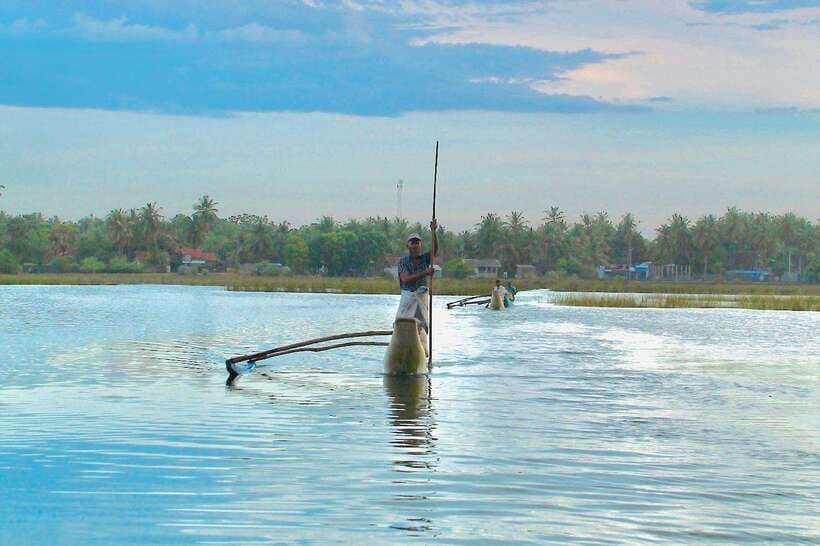
At $32 per person for a 3-hour outing, the value comes from what’s included. You’re getting hotel pickup and drop-off, full transport, entry tickets, a live English guide, and tour gears.
For a safari-style experience, that “all-in” structure matters. If you’ve traveled in places where tours quietly tack on add-ons, this one feels more straightforward. You’re also paying for local expertise—the guide’s role is central here because the whole point is learning what you’re seeing in the mangroves, not just passing by them.
The only real gap in value is food. No food or snacks are included, so if you eat lightly on the way in, you’ll probably feel good. If you’re prone to getting hungry, grab a snack before pickup so the coconut is just a bonus, not your only food.
Guides Matter: Rishi, Hanas, and Ibrahim’s Different Styles
One of the strongest signals from the experience is the guiding. People name guides like Rishi, Hanas, and Ibrahim, and the common thread is passion and clear explanations.
Rishi is praised for explaining with strong enthusiasm about the lagoon’s nature. Hanas is mentioned as being attentive enough to handle missed calls and still make sure the outing runs smoothly. Ibrahim stands out for being very knowledgeable about the lagoon and for providing thoughtful additions when possible, like offering transport for a separate elephant-rock excursion.
What you should take from this: you’ll get more than a tour script. You’ll likely get guided observation—where to look, what clues to notice, and what each animal behavior might mean in the mangrove system.
Also, there’s sometimes an extra layer on the boat itself. One review praised the rower for being friendly and knowing a lot about the lagoon. That matters because a boat handler who reads the water and wildlife movement can help you see more, not just steer you through.
Practical Tips: What to Bring (and What to Skip)

This tour is easiest when you travel light. The rules are clear: no luggage or large bags. You also can’t bring alcohol or drugs, and weapons or sharp objects are not allowed.
Bring:
- Hat (called out specifically)
- Light sun protection (you’ll thank yourself on boat time)
You might also want:
- A small dry bag for essentials like phone and camera
- Water (even though you’ll get coconut water)
Don’t overpack. With a boat safari, bulky bags become a hassle you didn’t need.
Who Should Book This Tour, and Who Might Not
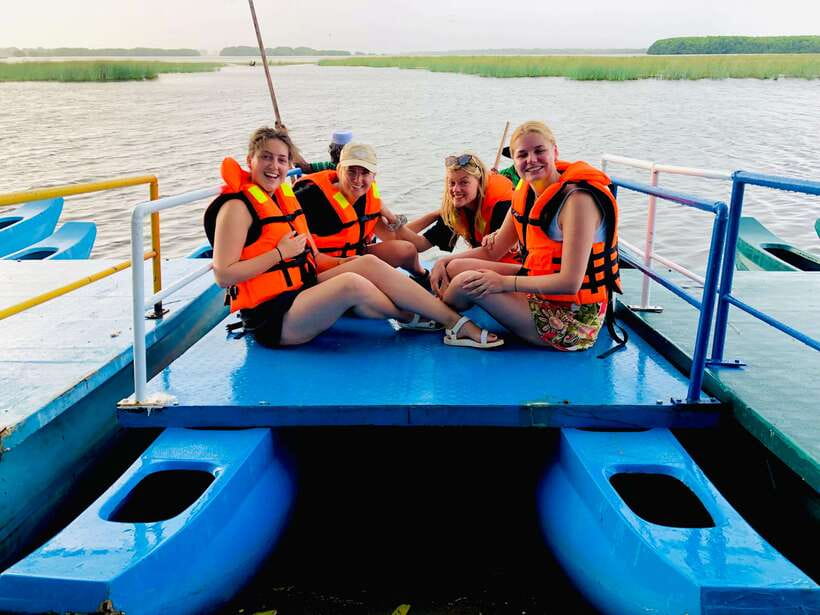
You’ll probably love this tour if you:
- Want a wildlife outing that’s still calm and scenic
- Enjoy learning basic ecology from the guide while you watch
- Prefer small, real sightings over big theme-park energy
You might skip or reconsider if:
- You’re strict about food being included (it isn’t)
- You dislike being out in sun for parts of the day
- You’re not comfortable with the idea that nature can be unpredictable
This is a great match for couples, solo travelers, and anyone who likes birds and mangrove ecosystems. If you’re also planning other Arugam Bay nature stops, this one is a strong anchor activity.
Should You Book the Pottuvil Lagoon Eco Tour?
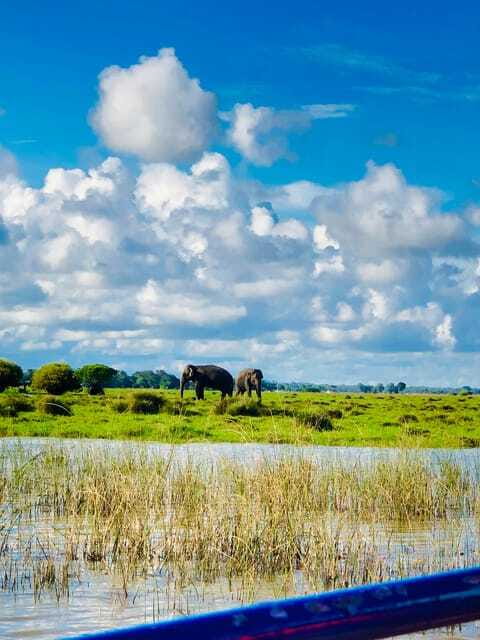
If you’re in Arugam Bay and you want something genuinely local—boat time in mangroves with elephants, crocodiles, and birdlife—this tour is worth booking. The included pickup, transport, guide, entry tickets, and gear make it easy to justify the price. The cold king coconut and the relaxed timing (sunrise or sunset options) add comfort and variety.
Book it if you can handle a 3-hour outdoor outing and you remember the key practical point: bring a hat and plan for food outside the tour. If those are no problem for you, you’ll likely leave with great sightings and a better understanding of why mangroves are such important habitat in Sri Lanka’s east coast.
FAQ
How long is the Pottuvil Lagoon Eco Tour?
The tour duration is 3 hours.
Do they offer sunrise and sunset tours?
Yes. You can choose between sunrise and sunset sessions for different experiences.
Where are the pickup and drop-off locations?
Pickup options include Pottuvil and Arugam Bay. Drop-off options include Arugam Bay and Pottuvil.
What language is the live tour guide?
The live tour guide speaks English.
What’s included in the price?
Hotel pickup and drop-off, full transport, entry tickets, a live tour guide, and tour gears are included.
What wildlife can I expect to see?
You might see crocodiles, elephants, crabs, prawns, and birds. The tour description also mentions kingfishers, herons, egrets, and sea eagles.
What should I bring, and what is not allowed?
Bring a hat. Large bags or luggage are not allowed. Alcohol and drugs are not allowed, and weapons or sharp objects are not allowed.
Is food provided, and what about cancellation or payment later?
Food or snacks are not included. You can cancel up to 24 hours in advance for a full refund. You can also reserve now and pay later, meaning you pay nothing today.