REVIEW · SAN SEBASTIAN
San Sebastian: Sustainable Catamaran Cruise with Audio Guide
Book on GetYourGuide →Operated by Catamaran Ciudad San Sebastian · Bookable on GetYourGuide
Silence on the bay, then art and history. This silent eco-catamaran gives you the best angles of La Concha Bay and key sculptures like Chillida’s Peine del Viento, with a smartphone audio guide that keeps things moving at your pace. I like that it’s calm and low-impact, but one catch: it’s mostly audio, not a live, back-and-forth guide with lots of extra explanation.
You’ll also appreciate the practical comfort. The boat has spacious decks, plus an onboard bar and restrooms, and the high-stability design is meant to help when you’re even a little prone to seasickness. That combination makes it easy to do even if your group ranges from teens to grandparents.
From the water, the city reads differently. You’ll pass famous spots like the Kursaal, circle Santa Clara Island, and see the coastal view that defines San Sebastián, including Peine del Viento and Santa Clara Island. Just plan ahead: download the audio guide before you board, and bring headphones, because they are not included.
In This Review
- Quick hits before you go
- Entering La Concha Bay the silent way
- The eco-catamaran ride: hybrid propulsion and real comfort
- Audio on your phone: how the guide actually works
- Kursaal to the sculpture line: what the route is built for
- Peine del Viento photo stop: best time to shoot, no rushing
- Santa Clara Island and Miramar Palace passes
- Timing: what 40 minutes feels like in real life
- Price and value: is $16 worth it?
- Who this cruise suits (and who should think twice)
- Little rules that help the ride go smoothly
- Should you book this silent catamaran cruise?
- FAQ
- How long is the San Sebastián sustainable catamaran cruise?
- Where does the cruise depart from?
- How much does it cost?
- Is there an audio guide, and what languages are available?
- Do I need headphones for the audio guide?
- What landmarks will I see during the trip?
- How are the stops timed during the 40 minutes?
- Are drinks included in the ticket price?
- What happens if the sea conditions are bad?
- Is it wheelchair accessible?
Quick hits before you go
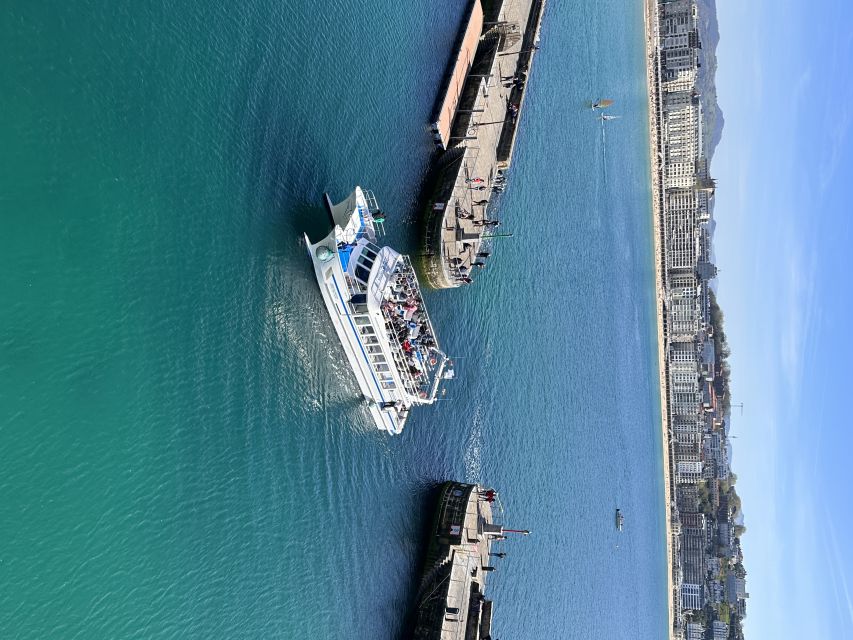
- Hybrid, low-noise sailing: you get the sea breeze without the usual engine racket or fumes
- Icon views by boat: La Concha Bay landmarks plus the sculpture trail from the water
- Audio guide on your phone: English, French, Spanish, and Basque, using headphones you bring
- 40 minutes, not 2 hours: quick circuit, strong photo payoff
- Comfort for more ages: onboard bar, restrooms, and a high-stability catamaran design
Entering La Concha Bay the silent way
San Sebastián is famous for its bay, but from the promenade it can feel like you’re watching a postcard. This cruise changes the angle fast. You’re out on the water, moving smoothly, with a quiet that lets you actually hear the sea wind and take in the coastline.
The standout idea here is that it’s designed to be respectful and comfortable at the same time. The catamaran uses a modern hybrid propulsion system meant to keep the ride calmer and more eco-friendly than a typical motor-powered boat tour. If you’re the type who hates being shoved into a loud group setting, the silence is a big part of why this works.
You can also read our reviews of more tours and experiences in San Sebastian.
The eco-catamaran ride: hybrid propulsion and real comfort
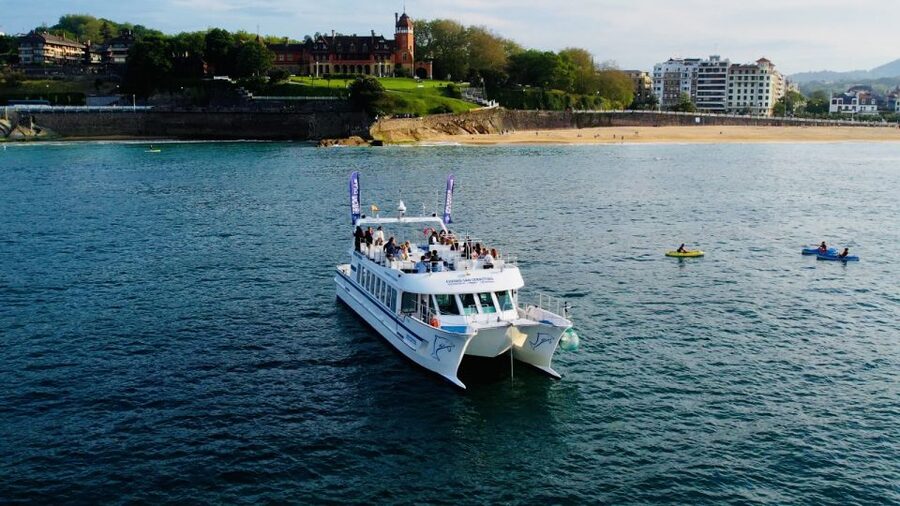
Let’s talk about the boat, because it affects everything you feel on the water. This is a modern hybrid catamaran, so you’re not fighting vibration and engine noise the way you might on older tours. On top of that, the boat has a high-stability design, which matters if you get queasy on boats.
You’ll also have somewhere to hang out. Deck space is generous, so you can spread out instead of constantly turning around for someone’s phone camera. And yes, there’s an onboard bar and restrooms, which turns a 40-minute outing into something you can actually enjoy without constantly thinking about logistics.
One practical note: smoking isn’t allowed onboard. If you’re traveling with smokers, it helps to know that so you can plan for fresh-air breaks before boarding.
Audio on your phone: how the guide actually works
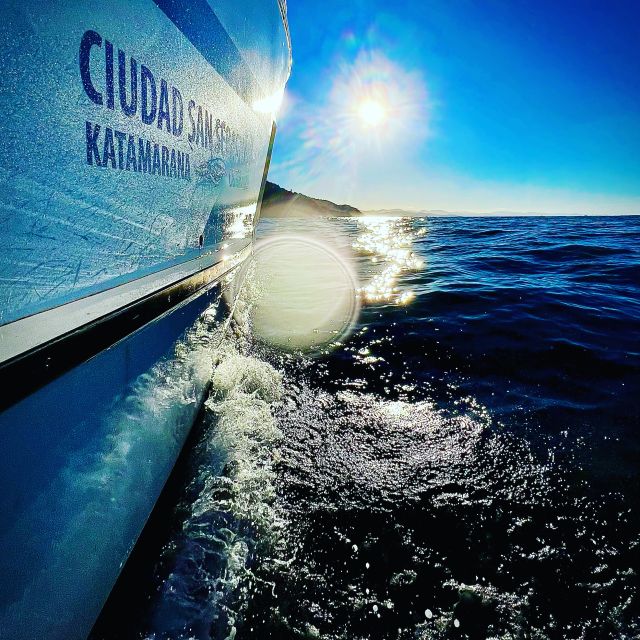
This is a “listen as you go” experience, using your smartphone for the audio guide. It’s free and available in English, French, Spanish, and Basque. You download the interactive audio guide from Google Play or the App Store before you board, then press play when you’re on the water.
I like this format because it keeps you in control. You can pause the story for photos, restart when you want, and move at the pace that fits your attention span. It’s also a good fit for mixed-language groups since the same trip can serve different listeners.
Here’s the tradeoff: it’s not a live host narrating in real time. If you love a human guide to answer questions or add extra commentary, you might find it a little hands-off. And the audio experience depends on you having headphones, since they are not included.
Kursaal to the sculpture line: what the route is built for
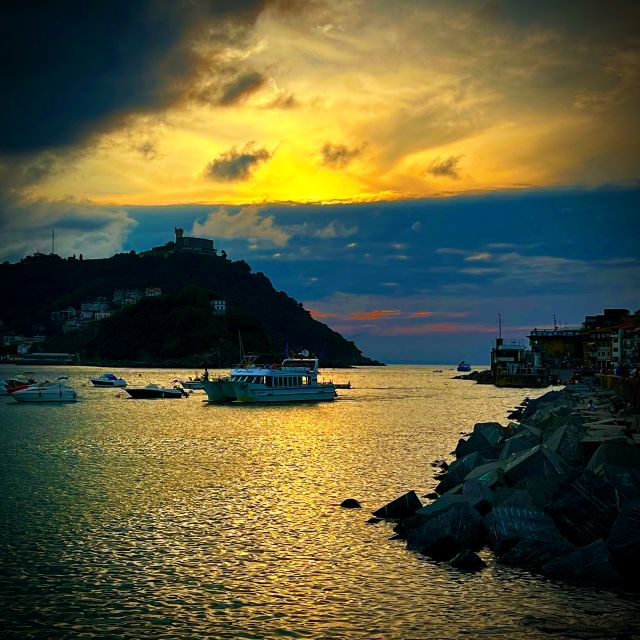
The cruise is shaped around a simple goal: show you San Sebastián’s bay landmarks from angles you can’t get from shore. The circuit starts at the Catamarán Ciudad San Sebastián and quickly puts you into La Concha Bay views, where the narration helps you recognize what you’re seeing.
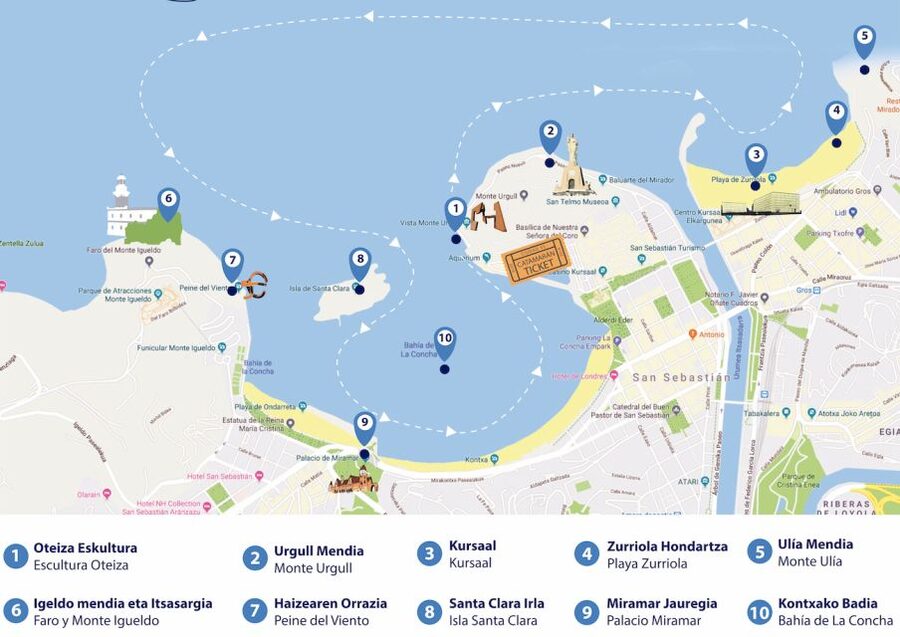
You’ll get a guided segment as you glide through La Concha Bay (about 10 minutes). That early stretch is where you build your bearings: you learn the layout of the bay and start noticing which structures line up with the shoreline. After that, the route focuses on the Kursaal area for another guided chunk (about 10 minutes).
Why Kursaal matters from the water: the Kursaal sits at a spot people talk about on land, but from the bay it reads like a piece of architecture placed against the coast’s dramatic curves. If you’re the kind of traveler who likes to understand how buildings relate to a city’s geography, this portion helps you connect the dots.
Then the cruise shifts to the sculpture trail, where the scenery turns from architecture to art. Expect key works associated with the shoreline sculpture line-up, including Oteiza’s Empty Construction and Chillida’s Peine del Viento. Seeing those works from sea level changes how they feel, because you’re not only looking at the art. You’re also seeing the wind and water setting the mood.
Peine del Viento photo stop: best time to shoot, no rushing
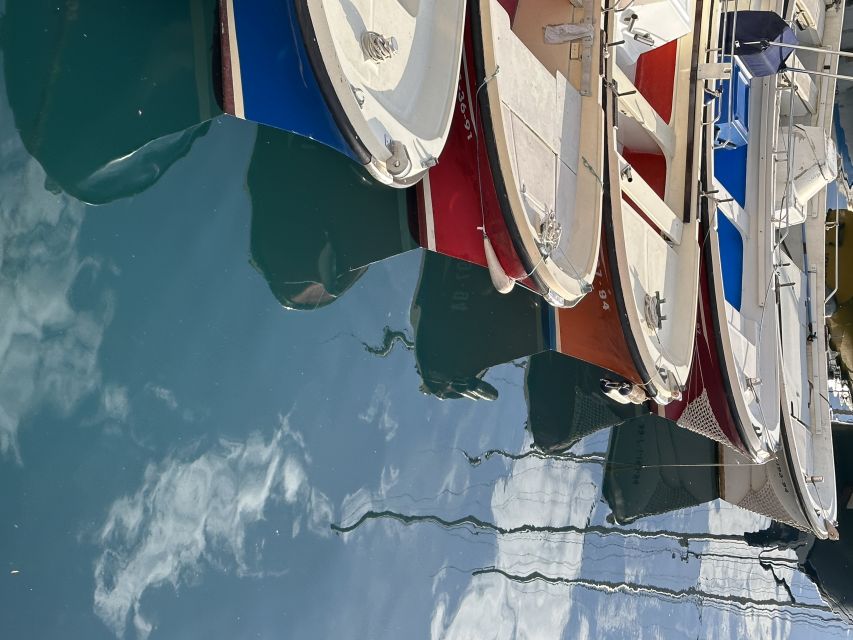
The most photogenic moment is the planned stop for Peine del Viento. You’ll have around 10 minutes here for pictures. This is the part where you can slow down, find your angle, and take photos without worrying that you’ll be on the move in seconds.
Why it’s worth paying attention: Peine del Viento is famous for how it relates to wind and the coastline. From the water, you can better sense the connection between sculpture, sea, and that Basque coast feeling. If you’ve only seen it from land, the shapes and spacing make more sense when you’re out where the sculpture is effectively “working” against the elements.
Photo tip that doesn’t require guesswork: bring your phone battery. A 40-minute outing is short, and you don’t want to burn your charge during the most important shots.
Santa Clara Island and Miramar Palace passes
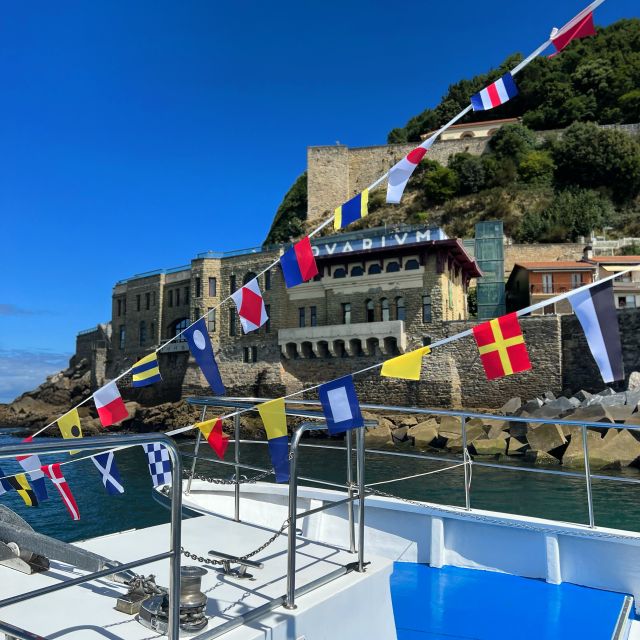
After the sculpture stop, the cruise keeps giving you variety. You’ll pass Santa Clara Island for about 5 minutes and then continue toward the Miramar Palace area for another 5 minutes. These segments are shorter, so treat them like moving picture frames: look, notice, snap quickly if you want, then relax.
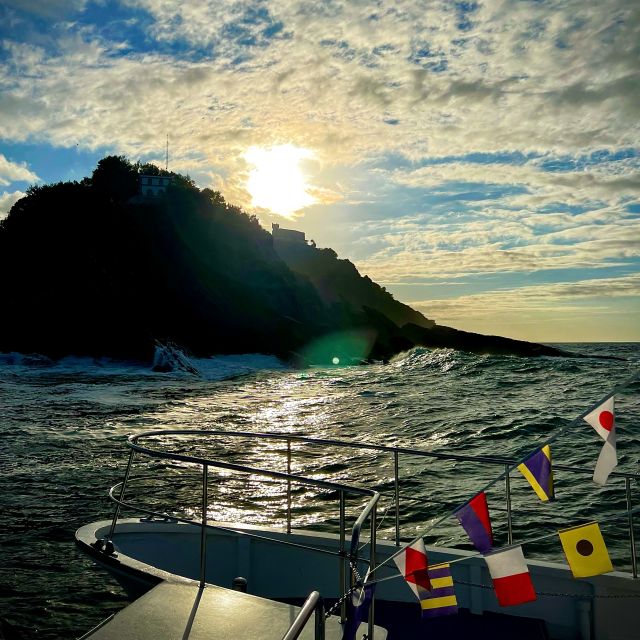
Santa Clara Island is intriguing partly because it feels like it has its own mood compared with the main bay. From the boat, it becomes a strong visual anchor, and it helps you understand the bay’s boundaries. The narration also helps you spot natural features along the coast, including the cliffs associated with Mount Ulia and Mount Igeldo, which adds context to what you see on the horizon.
Miramar Palace is another quick but satisfying pass. It’s the kind of landmark where a glimpse from the water can be more memorable than a slow walk from land, because you see it with the coastline as a backdrop. If you like coastal architecture and viewpoints, you’ll probably like this part even if you’re not doing a full sightseeing day.
Timing: what 40 minutes feels like in real life
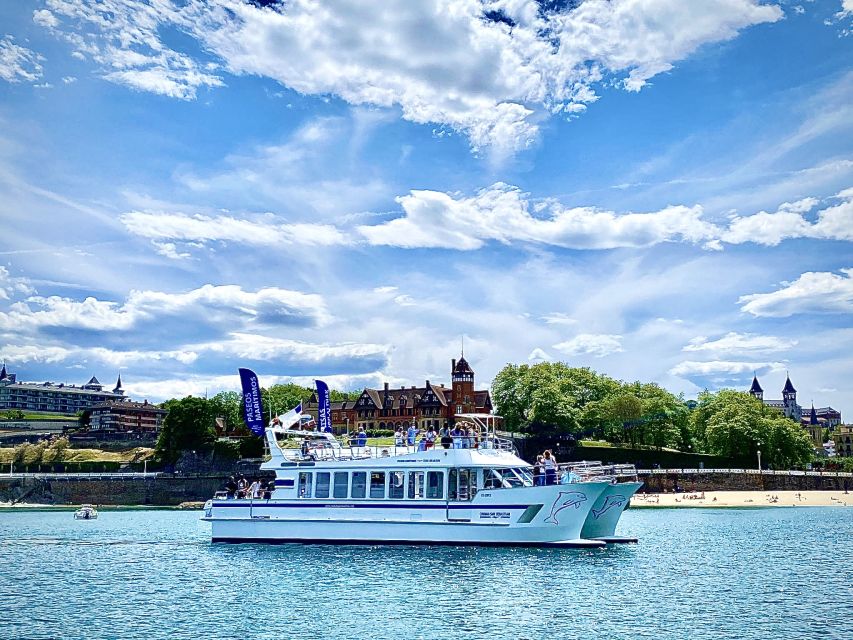
Forty minutes sounds short because it is short. The pacing is built for people who want a focused taste of the bay without committing half a day. The cruise includes guided sections in the first part and then shorter passes as you go.
Here’s how the time breaks down in a way that helps you plan your attention:
- La Concha Bay guided: ~10 minutes
- Kursaal guided: ~10 minutes
- Peine del Viento photo stop: ~10 minutes
- Santa Clara Island pass: ~5 minutes
- Miramar Palace pass: ~5 minutes
- La Concha Bay guided on the way back: ~5 minutes
That last 5 minutes matters more than you’d think. It’s like a repeat moment where the audio ties together what you’ve already seen. You leave with clearer mental maps, not just a stack of photos.
One more practical detail: arrive about 10 minutes before it starts. You don’t want to cut it close right when everyone is boarding.
Price and value: is $16 worth it?
At around $16 per person for a 40-minute cruise, you’re paying for three things: access to the bay from the water, a structured route around major landmarks, and audio guidance that you can use hands-free while you look out at sea.
In San Sebastián, boat time can easily cost more when it includes a live guide and longer durations. Here, the format keeps costs down by using smartphone audio rather than staffing a narration team on board. That’s why the price can stay friendly while still giving you a guided feel.
So is it good value? For many people, yes, because:
- you get key viewpoints you can’t replicate from the promenade
- the ride is designed to be calm and comfortable
- the audio guide adds context without demanding your full attention
If you’re someone who wants a lot of spoken interaction, you may feel you paid mainly for the boat ride and photo time. If that’s you, adjust your expectations before booking.
Who this cruise suits (and who should think twice)
This works especially well for couples, families, and anyone who wants a low-stress activity that fits into a busy day. The high-stability design is aimed at people who get seasick, and the onboard bar plus restrooms helps it feel complete even though it’s short.
It’s also a strong choice if you like art and coastal landmarks, because the route is built around major sculpture and iconic architecture: Oteiza’s Empty Construction, Chillida’s Peine del Viento, and the Kursaal area.
Who should think twice:
- If you need a live guide with lots of interactive explanation, this is mostly audio driven.
- If you have mobility needs, note the mixed signals: it’s listed as wheelchair accessible, but it’s also labeled not suitable for people with mobility impairments. That’s the kind of mismatch you should clarify directly before you commit.
Good news for pet lovers: well-behaved pets are welcome on board, as long as they’re kept on a short leash. Just plan for that extra responsibility during boarding and movement.
Little rules that help the ride go smoothly
These cruises are short, so small rules can matter more than you expect. Smoking isn’t allowed on board. If you’re traveling with electronics, bring headphones ahead of time and keep your phone charged for the audio.
If sea conditions aren’t favorable, the tour may be canceled in advance. That’s not unusual for a boat. The smart move is to avoid scheduling something critical immediately afterward, since weather can change plans fast.
Should you book this silent catamaran cruise?
I’d book it if you want a fast, good-value way to see San Sebastián’s bay from the water without loud engines and without committing to a long tour. The silence, the comfort-minded design, and the landmarks-on-rails route make it a practical choice, especially for families and for travelers who enjoy art and coastal viewpoints.
I would think twice if you’re chasing a “talking guide” experience. This is more about looking and listening via your phone than asking questions of a person on deck. If you like that style, it’s a strong use of time. If you need more back-and-forth explanation, you might prefer a different guided format.
FAQ
How long is the San Sebastián sustainable catamaran cruise?
The cruise lasts about 40 minutes.
Where does the cruise depart from?
It departs from the Catamarán Ciudad San Sebastián.
How much does it cost?
The price is $16 per person.
Is there an audio guide, and what languages are available?
Yes. The audio guide is available on your smartphone and is offered in English, French, Spanish, and Basque.
Do I need headphones for the audio guide?
Yes. Headphones are not included, so you’ll need to bring your own to listen to the audio guide through your phone.
What landmarks will I see during the trip?
You’ll cruise around La Concha Bay, see the Kursaal area, have a photo stop for Peine del Viento, pass Santa Clara Island, and pass by Miramar Palace.
How are the stops timed during the 40 minutes?
La Concha Bay is guided for about 10 minutes, the Kursaal is guided for about 10 minutes, Peine del Viento is a photo stop of about 10 minutes, Santa Clara Island is passed for about 5 minutes, Miramar Palace is passed for about 5 minutes, and La Concha Bay is guided for about 5 minutes on the way back.
Are drinks included in the ticket price?
No. Drinks and snacks are available at the onboard bar for an additional cost.
What happens if the sea conditions are bad?
The tour may be canceled due to unfavorable sea conditions, and you’ll be notified in advance.
Is it wheelchair accessible?
It’s listed as wheelchair accessible, but it is also labeled not suitable for people with mobility impairments, so it’s best to confirm that your specific needs can be accommodated.