REVIEW · SQUAMISH
Squamish Discovery Eco-tour
Book on Viator →Operated by Blazing Saddles Adventures · Bookable on Viator
Tides, salmon, and e-bikes in one ride.
What I love most is the practical estuary education (you’ll understand why these in-between places matter) and the easy-power e-bike feel, even if you’re new to riding. One consideration: the tour is weather-dependent, so if conditions are poor you may get rescheduled.
This is a short, focused outing in Squamish that runs about 2 to 3 hours and returns to the start point. You’re in English, you get a mobile ticket, and the group is kept very small (maximum 4 travelers), which helps your guide slow down when you want questions answered.
The meeting point is at 1861 Mamquam Rd, Squamish, BC V8B 0G2, and it’s close to public transportation. Most people can participate, but you’ll still want to be comfortable riding (short stops, some uneven surfaces) since the whole point is to move through the area, not just stand still.
In This Review
- Key Highlights (What Makes This Tour Worth Your Time)
- Squamish by E-bike: Small Group, Low Effort, Real Nature
- Price and What You Actually Get for $111.84
- Stop 1: Squamish Estuary and the Tide Wedge Concept
- Salmon Spawning Habitat: Why This Stop Is More Than a Photo Op
- Trails, Pacing, and the Way the Guide Reads the Group
- Logistics That Matter: Timing, Starting Point, and How Long You’ll Be Out
- Weather and Safety: When Nature Calls the Reschedule Button
- Who This Tour Suits Best (And Who Might Skip It)
- Should You Book the Squamish Discovery Eco-tour?
- FAQ
- How long is the Squamish Discovery Eco-tour?
- What does the tour cost?
- Where does the tour start?
- What stops are included?
- How long do you spend at the Squamish Estuary stop?
- Is the tour offered in English?
- Do I get a ticket on my phone?
- What group size should I expect?
- What happens if weather is poor?
- Is free cancellation available?
Key Highlights (What Makes This Tour Worth Your Time)
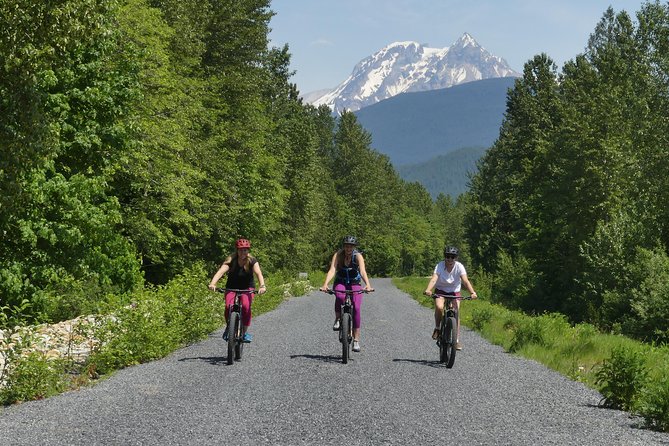
- Small group size of up to 4, so you’re not lost in the crowd.
- E-bike friendly for first-timers, with assist that helps you keep a steady pace.
- Squamish Estuary stop that explains how flood and ebb tides shape real habitats.
- Salmon spawning habitat focus, built into the route rather than tacked on at the end.
- Local-guide storytelling, with humor and clear pacing that works for families too.
- Quick, efficient timing (about 20 minutes at the estuary admission stop, plus the rest of the ride).
Squamish by E-bike: Small Group, Low Effort, Real Nature
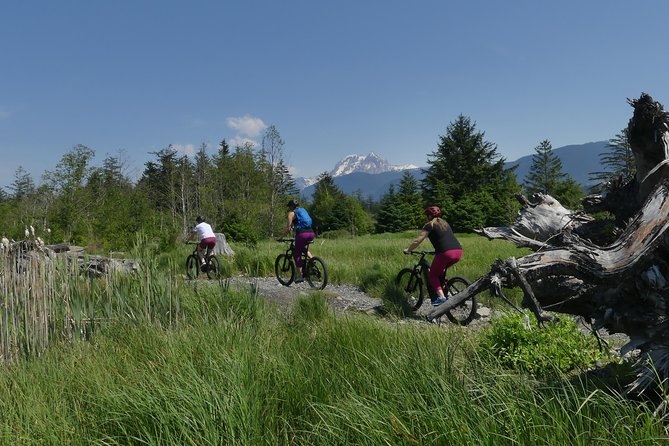
If you only have a couple hours in Squamish and you still want nature with context, this is a strong match. You get a guided route that covers the key ecological highlights without turning the day into a full workout. The e-bike part matters here: in multiple recent experiences, people noted that the bikes are powerful and make the ride feel manageable, even when the path changes from smoother surfaces to more rugged trail.
The vibe is also less formal than some “eco” tours. Several riders described their guide as funny and local, with explanations tied to what you’re literally seeing—river, estuary, plants, and the physical features that shape animal life. That style helps the information stick, because you’re not just hearing facts in the abstract.
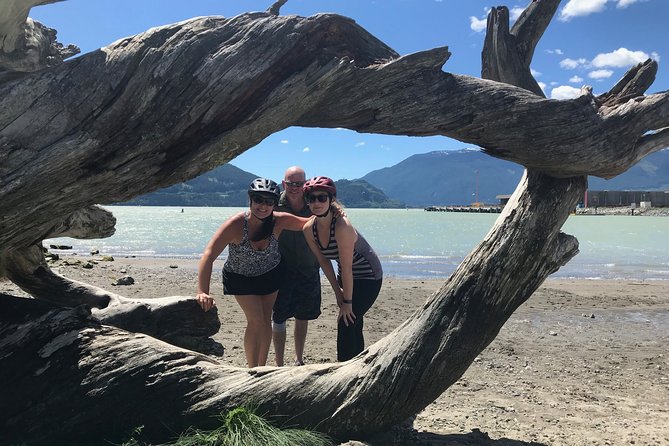
The small cap (maximum 4 travelers) is a big deal for value. You’ll usually get more back-and-forth than you would on a bigger bike tour, and the guide can adjust pace if someone is nervous or if you’re traveling as a family.
Price and What You Actually Get for $111.84
At $111.84 per person for 2–3 hours, this isn’t a budget outing. So here’s how I’d judge the value in plain terms:
- You’re paying for a guided route with real interpretation (estuary ecology and salmon habitat are not random buzzwords here).
- You’re paying for the e-bike experience, which lets you cover more ground quickly without needing elite fitness.
- You’re paying for group control—small numbers, more attention, and easier pacing.
One detail that sweetens the deal: at the Squamish Estuary stop, there’s a noted admission ticket free component (the estuary section includes about 20 minutes). That doesn’t mean the whole tour is free, but it does mean part of what you’re doing is supported rather than tacked on as an extra cost.
Bottom line: this is best if you want guided learning plus active sightseeing. If you’d rather bike independently with zero interpretation, you might feel the price less justified.
Stop 1: Squamish Estuary and the Tide Wedge Concept
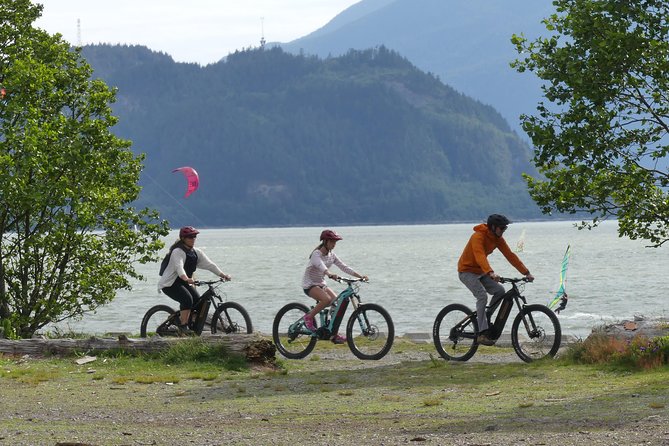
The Squamish Estuary stop is the heart of the learning. You’ll spend around 20 minutes there, and it’s framed around how estuaries work: these are places where coastal rivers meet the sea, mixing fresh and saltwater. The key idea you’re meant to understand is that estuary life changes with each tide.
Here’s what the guide conceptually helps you picture:
- During flood tide, ocean water pushes into the estuary and up the lower river reaches.
- During ebb tide, fresh water drains out toward the sea, carrying sediments and pushing lighter fresh water into the estuary basin.
That “tide wedge” matters because it controls where nutrients and sediment go—meaning it directly affects what plants and animals can thrive. Estuaries are described as among the most productive coastal environments, even compared to agricultural land and open ocean.
You’ll also hear why these habitats are under pressure. The tour info includes stark numbers: about 80% of the Fraser Estuary has been lost or altered, and 50% of the Squamish estuary has been lost or altered/developed. Estuaries are also noted as scarce on BC’s coastline—less than 3% of it.
I like how this stop balances awe with explanation. You’re not just being shown scenery; you’re being taught the “why” behind the living richness.
Small caution: this stop is tied to weather and timing. If conditions are off, you may spend less time outside than you’d hoped. The tour does require good weather, so plan for that.
Salmon Spawning Habitat: Why This Stop Is More Than a Photo Op
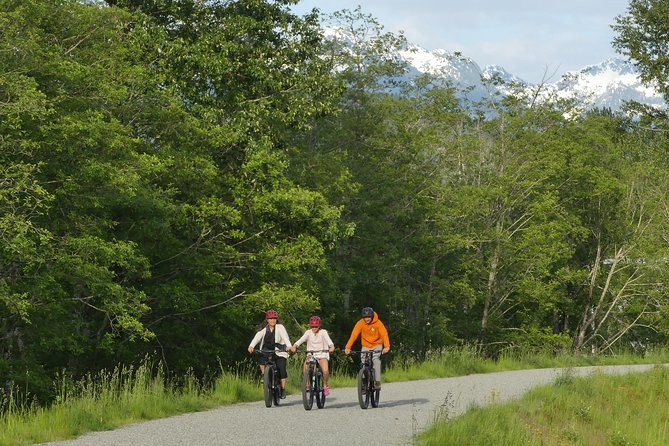
The second highlight is the salmon spawning habitat area. Even when you don’t spot salmon on the spot (and you shouldn’t plan your hopes around that), this stop is valuable because it reframes the estuary as a life-support system, not scenery.
Salmon need the right combination of water conditions, timing, and habitat structure for spawning. By pairing the estuary tide explanation with a salmon-focused viewing area, the route makes a logical chain:
- Estuaries mix fresh and saltwater and shift with tides.
- That shifting environment shapes sediment and nutrient flow.
- Those conditions support the food web and habitat salmon rely on.
In practical terms, you’ll be learning to look. Instead of only scanning for wildlife, you’ll start noticing the features that make habitat work—water movement, shoreline structure, and the way the river system connects to the coast.
If you’re the kind of person who enjoys turning observations into understanding, this stop will feel like a payoff.
Trails, Pacing, and the Way the Guide Reads the Group
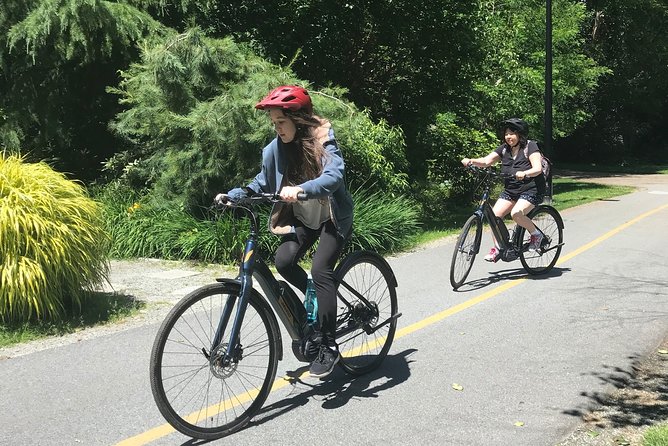
This is where the reviews really carry weight. The guide approach shows up again and again: local knowledge, a sense of humor, and a pace that fits different comfort levels.
A few patterns I’d call out:
- People new to e-bikes reported the ride felt fun and easy, not intimidating.
- The route can mix paved to gravel to mountain-bike style trails. That’s part of the charm, but it also means you should be okay with changing surfaces.
- The guide can tailor the ride to abilities. One common theme is that the tour feels matched to the group, whether that means slowing down for a nervous rider or keeping things flowing for more confident cyclists.
- Family-friendly handling is real here. A 12-year-old travel experience was described as a great fit, with encouragement and patience.
One small “human” detail that I enjoyed from the descriptions: the guide didn’t just run a script. People remembered moments like paying attention to tree roots in a way that connects to wildlife possibilities, including the idea of sheltering habitat. That’s the kind of observational lens you can carry on your own after the ride.
So if you’re hoping for a calm, scenic spin with someone narrating, you’ll likely appreciate this. If you’re looking for a high-speed, training-style mountain ride, you might find it more educational and gentler in pacing.
Logistics That Matter: Timing, Starting Point, and How Long You’ll Be Out
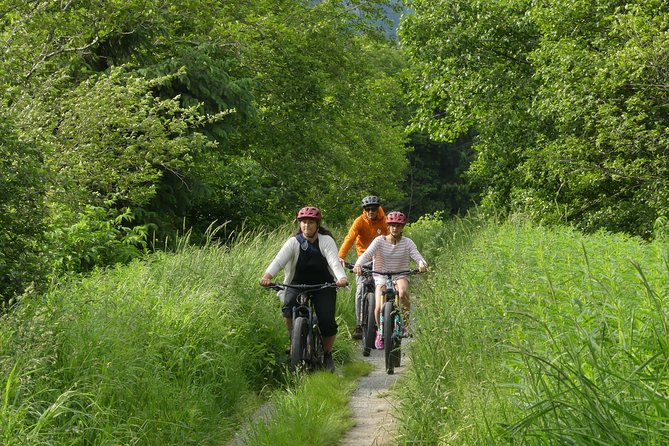
The tour runs about 2 to 3 hours. That length is ideal for a morning or early evening slot, because it’s long enough to learn and ride, but short enough that you still have energy for other Squamish plans.
The start and finish are the same: 1861 Mamquam Rd, Squamish, BC V8B 0G2. That’s convenient for planning. It’s also noted as near public transportation, which is helpful if you’re not driving from Vancouver.
Group size stays small with a maximum of 4 travelers. That affects your experience more than you’d think. You’re more likely to hear details clearly, and the guide can correct course or adjust pace without the whole line feeling delayed.
The tour includes a mobile ticket, and confirmation is received at booking. It’s in English, so it’s straightforward to understand the briefing and interpretation.
Weather and Safety: When Nature Calls the Reschedule Button
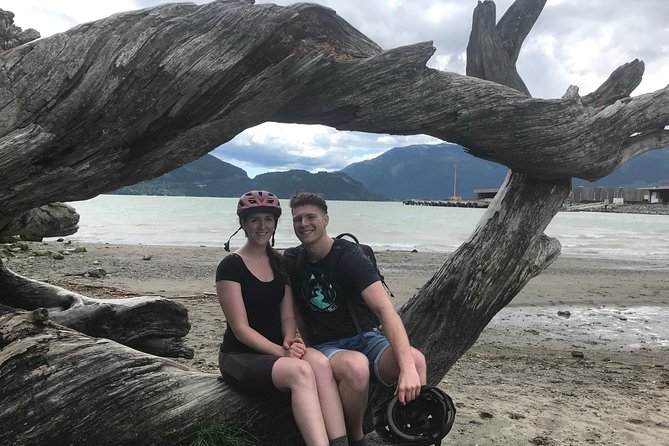
This eco-tour requires good weather. That doesn’t mean it’s held hostage by every cloud, but it does mean conditions matter for riding and for comfortable viewing.
If the tour is canceled due to poor weather, you’ll be offered a different date or a full refund. That’s the practical way to look at it: don’t plan it as the one activity you can’t move. If you’re flexible in your schedule, this becomes a low-stress plan.
As for participation, the info says most travelers can participate. I read that as: it’s not built for extreme technical biking only, but it’s still an active ride with changing trail surfaces. If you have mobility limits or strong concerns about balance, I’d check with the provider before booking.
Who This Tour Suits Best (And Who Might Skip It)
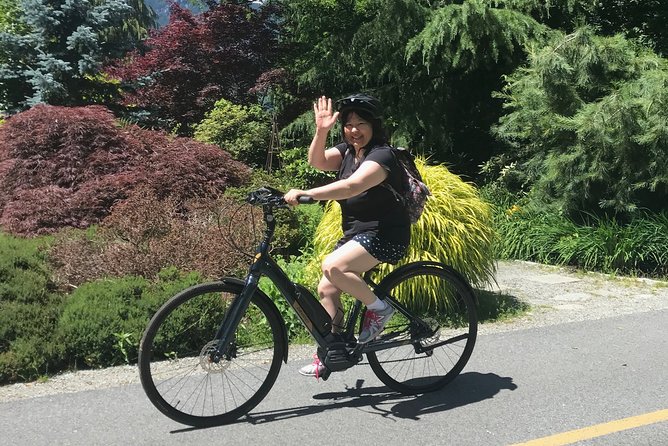
This tour is a good fit if:
- you want a short guided ride that mixes learning and movement
- you’d rather bike with a guide than figure out the best route alone
- you enjoy ecology explanations tied to real places, like estuaries and salmon habitat
- you’re traveling with a family or a mixed-ability group and want a pace that adapts
You might skip it if:
- you only want a walk (no bike time)
- you expect guaranteed wildlife sightings
- you’re looking for a long, challenging ride or a purely athletic mountain-bike experience
One more note: if you’re in Squamish and you’re also going to do other outdoor activities, this can work well as an early intro. You’ll leave understanding what you’re seeing around the water and river system, which helps the rest of your trip make more sense.
Should You Book the Squamish Discovery Eco-tour?
Yes, I’d book it if you want an efficient way to see Squamish’s water systems with real context. The combination of a small group, e-bike ease, and tide-and-salmon learning is exactly the kind of experience that feels worth the price.
I’d especially recommend it if you’re a first-time e-bike rider or you’re traveling with someone who wants guidance and patience. The guide approach—humor, local details, and pacing that can be tailored—shows up strongly in recent experiences.
Just book with weather in mind. Bring the expectation that this is about learning and habitat viewing, not a guaranteed wildlife parade.
FAQ
How long is the Squamish Discovery Eco-tour?
It runs about 2 to 3 hours.
What does the tour cost?
The price is $111.84 per person.
Where does the tour start?
The meeting point is 1861 Mamquam Rd, Squamish, BC V8B 0G2, Canada. The tour ends back at the meeting point.
What stops are included?
The itinerary includes a Squamish Estuary stop and a salmon spawning habitat stop.
How long do you spend at the Squamish Estuary stop?
The estuary stop is listed as about 20 minutes, with an admission ticket free component.
Is the tour offered in English?
Yes, it is offered in English.
Do I get a ticket on my phone?
Yes, the tour uses a mobile ticket.
What group size should I expect?
This activity has a maximum of 4 travelers.
What happens if weather is poor?
This experience requires good weather. If it’s canceled due to poor weather, you’ll be offered a different date or a full refund.
Is free cancellation available?
Yes. You can cancel up to 24 hours in advance for a full refund, and the refund applies if you cancel at least 24 hours before the start time.