REVIEW · ROTORUA
Tarawera and Lakes 2-Hour Duck Eco Tour
Book on GetYourGuide →Operated by Rotorua Duck Tours Ltd · Bookable on GetYourGuide
A WWII Duck tour in Rotorua changes how you see everything. You get multiple lake stops with live commentary on volcanic power and Maori culture, plus those cool amphibious-boat moments where you splash without getting off. I especially like the way the Lake Tarawera views connect the geology to real people and real history, and I also love the onboard humor that keeps the two hours moving. One thing to plan around: the open sides/windows can make it chilly when there’s wind, so dress for that even if the day looks mild.
You’ll start right in Rotorua, then head out to the lakes district for a mix of road-and-water riding on an authentic WWII-style landing craft. It’s a fun, not-too-long outing that still teaches you the why behind the sights—volcanic domes, geothermal activity, and the 1886 Mt Tarawera eruption. If you’re tight on schedule, I’d also give yourself a little buffer at the end of the tour, since it runs as a single block.
In This Review
- Key things to know before you book
- How a WWII Duck tour makes Rotorua feel different
- Meeting point in Rotorua: get set up for the ride
- Lake Okareka splash-down: calm water, big story setup
- Mt Tarawera volcanic domes: the geology you can actually picture
- Lake Tarawera on the water: the highlight moment
- Rotokakahi (Green Lake) and Tikitapu (Blue Lake) to finish strong
- The guides: stories, humor, and how to get the most out of it
- Price and value: why $65 feels fair for this format
- Weather reality: how to dress for wind and rain
- Who this tour is best for (and who might want another option)
- Should you book the Tarawera and Lakes Duck tour?
- FAQ
- Where is the meeting point for the tour?
- How long is the Tarawera and Lakes 2-Hour Duck Eco Tour?
- Is hotel pickup or drop-off included?
- What language is the live guide commentary in?
- Which lakes do you visit?
- Does the tour run in bad weather?
- What should I bring or wear?
Key things to know before you book
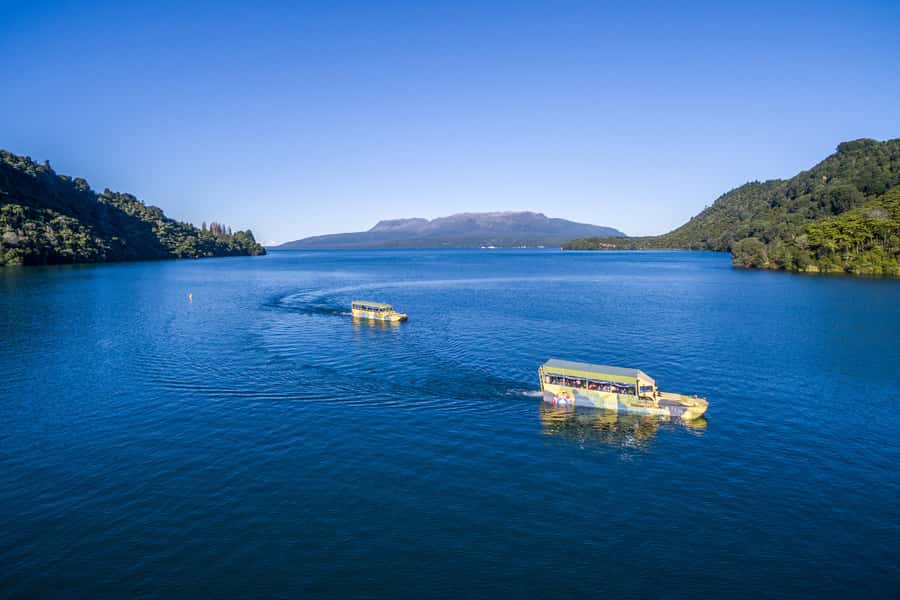
- WWII amphibious Duck ride: land driving plus splash-down water time, all from the same seat
- Four lakes visited: Lake Okareka, Lake Tarawera, Rotokakahi (Green Lake), and Tikitapu (Blue Lake)
- Live guide storytelling: geology, geothermal activity, and Maori migration and legends
- You see Tarawera’s volcanic domes from the water for a standout perspective
- All-weather operations: roll-down sides help on rainy days, but wind can still chill you
How a WWII Duck tour makes Rotorua feel different
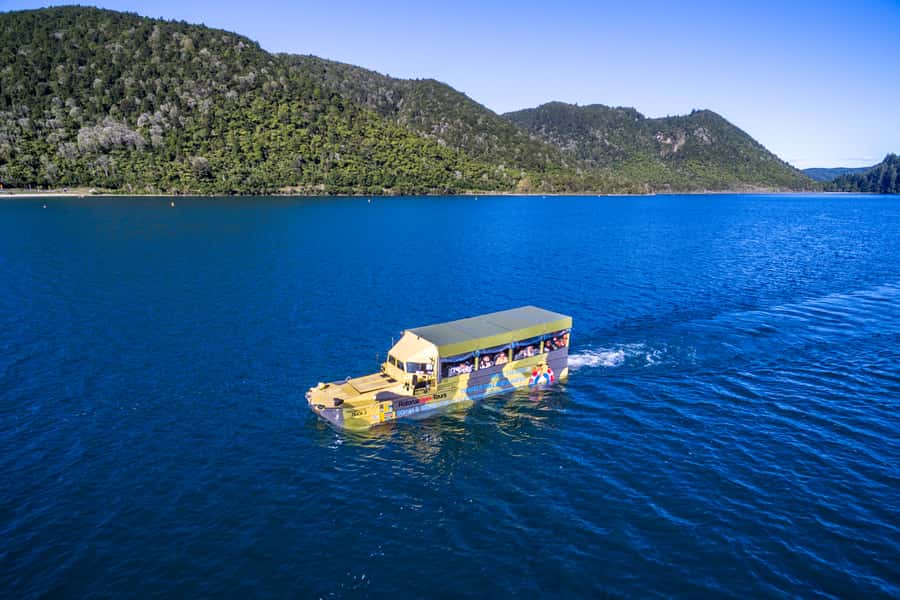
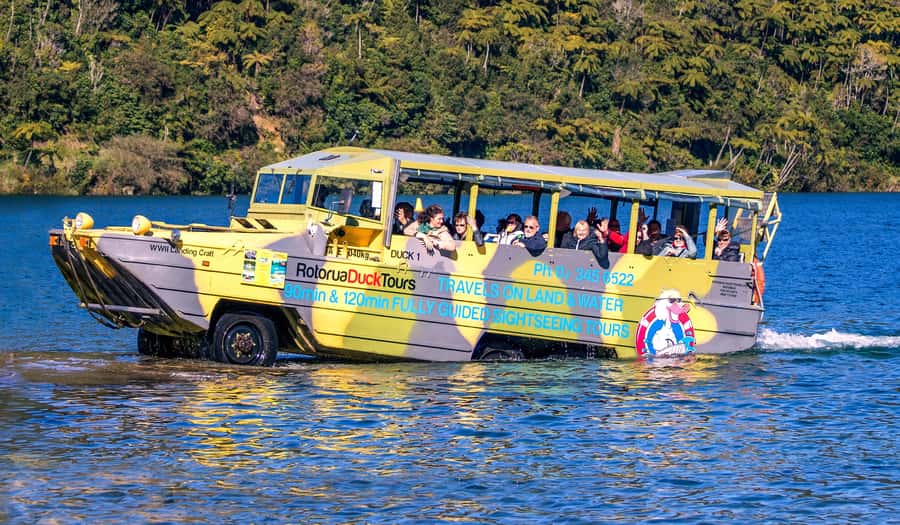
Rotorua is famous for geothermal steam and easy day trips, but this tour adds a twist: you’re not just looking at lakes from shore. You travel on land and then ride out onto the water on a genuine WWII amphibious craft. That matters because it changes your angles—your eyes track across bays and domes from water level, instead of from a car window or a fixed pier.
The vibe is part sightseeing, part moving classroom. Your ConDUCKtor’s commentary connects what you see to what caused it: volcanic domes, geothermal activity, and the big turning point of the 1886 Mt Tarawera eruption. And because it’s live narration, it’s easier to ask questions and get the story in plain language, not just facts on signs.
You can also read our reviews of more tours and experiences in Rotorua.
Meeting point in Rotorua: get set up for the ride
The tour meets at 1241 Fenton Street, Rotorua. It’s a straightforward starting point in the middle of town, which is handy if you’re already exploring Rotorua before and after your tour.
Since there’s no hotel pick-up/drop-off, you’ll want to make sure you can get there on your own. Arrive a bit early so you’re not rushing for check-in when you’re dressed for weather.
What to wear is simple but important:
- Comfortable shoes for boarding and moving around
- On cold or windy days, dress warmly. The Duck has open windows/sides at times, and the breeze can bite even when Rotorua isn’t freezing
- Blankets are provided, but bringing extra layers doesn’t hurt
One practical tip: if you’re the kind of traveler who runs warm, still pack at least one layer you’d be happy wearing for wind chill. You’re outdoors on a moving platform, and the two hours can feel longer if you’re underdressed.
Lake Okareka splash-down: calm water, big story setup
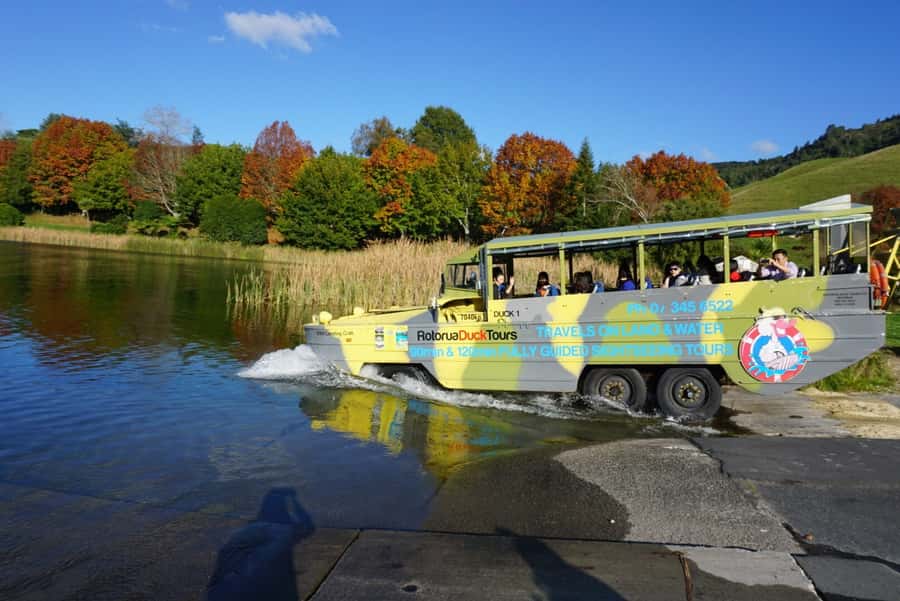
Your first water stop is Lake Okareka. This is one of the most “welcome” parts of the route because the lake is sheltered and calm, so the splash-down doesn’t feel chaotic. You get that immediate payoff: you’re on a craft that literally goes from road to water, and you experience it without leaving your seat.
Why this stop is more than a photo moment: your guide uses the surroundings to set up the bigger explanation. You’re in the Rotorua lakes district, where volcanic activity shapes everything—from water chemistry and geothermal behavior to the way lakes sit in the broader volcanic terrain. Starting with Okareka gives you a baseline feeling for the area before the tour turns more dramatic.
If you’re traveling with kids, this is usually where they start paying attention for the right reasons: it’s simple, visible, and the whole group gets the same moment at the same time.
Mt Tarawera volcanic domes: the geology you can actually picture
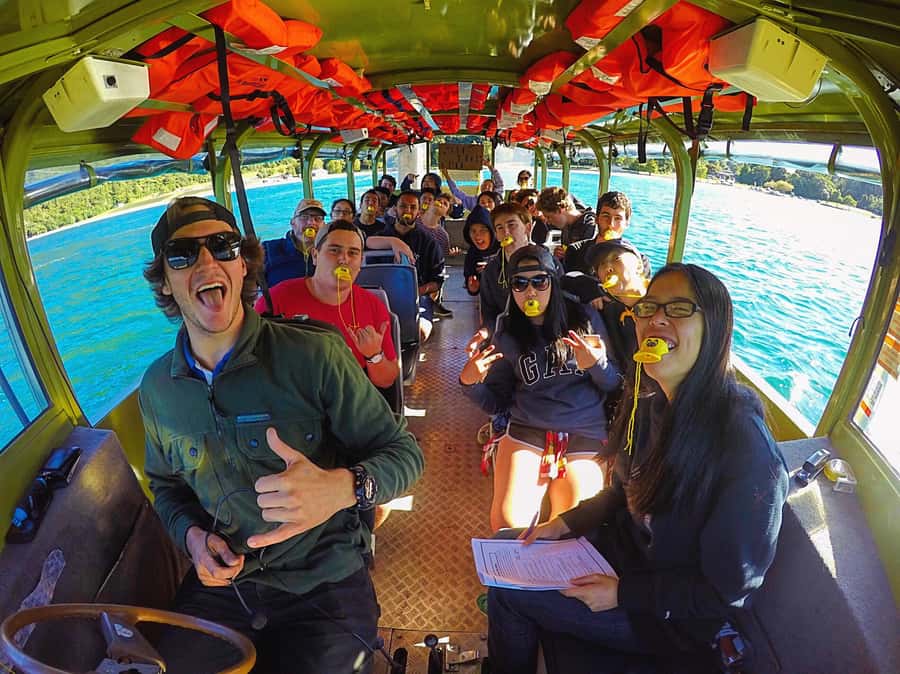
After the first splash, the Duck moves on to the next stage of the story: seeing the volcanic domes of Mt Tarawera with the lakes district around you. This is where the tour earns its keep as a “history-meets-nature” experience.
Expect your guide to connect several threads:
- how the volcano shaped the lake area
- geothermal activity and why Rotorua smells the way it does
- the human timeline, including Maori migration to New Zealand and the cultural meaning tied to places
- the devastating 1886 eruption and what it changed
The most helpful part is that this isn’t delivered as a lecture. The craft is moving, the scenery keeps shifting, and your guide’s narration sticks to the landforms you’re looking at. That’s how you end up remembering the story—because it’s attached to what you can see.
Lake Tarawera on the water: the highlight moment
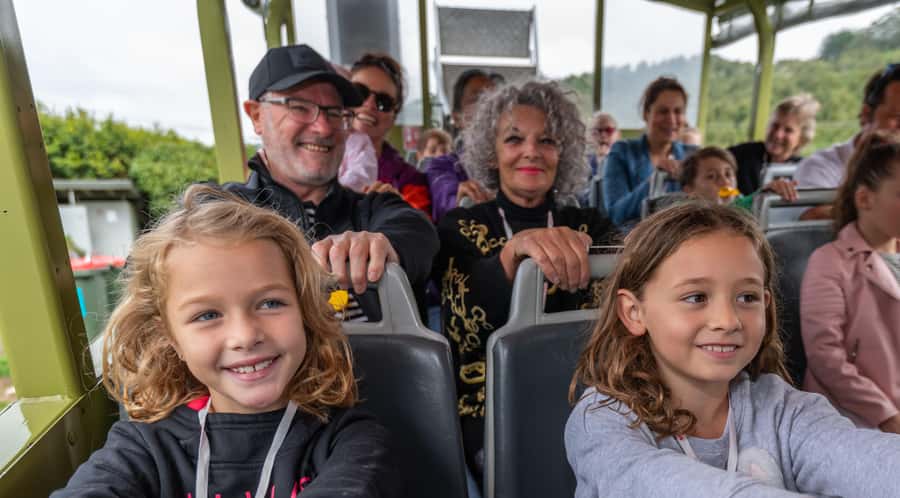
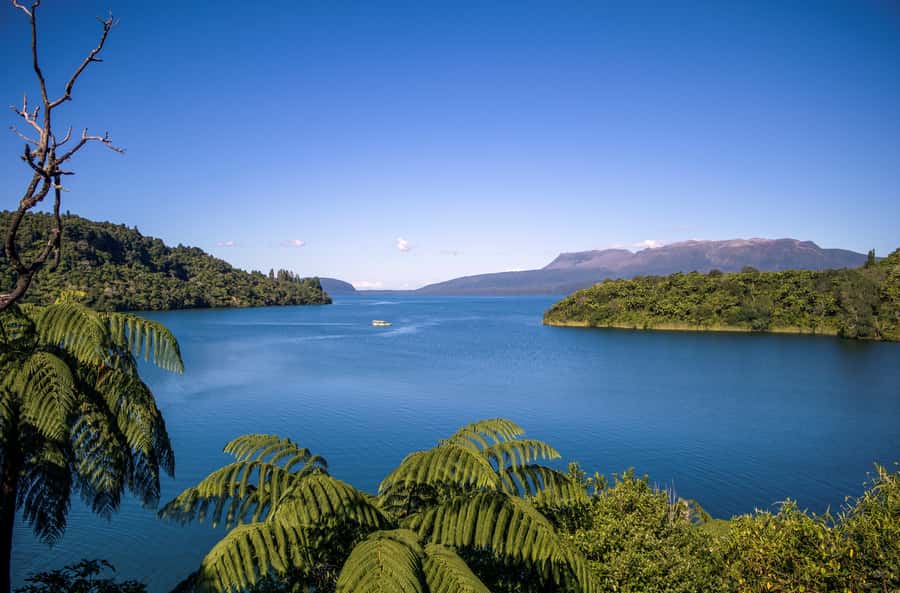
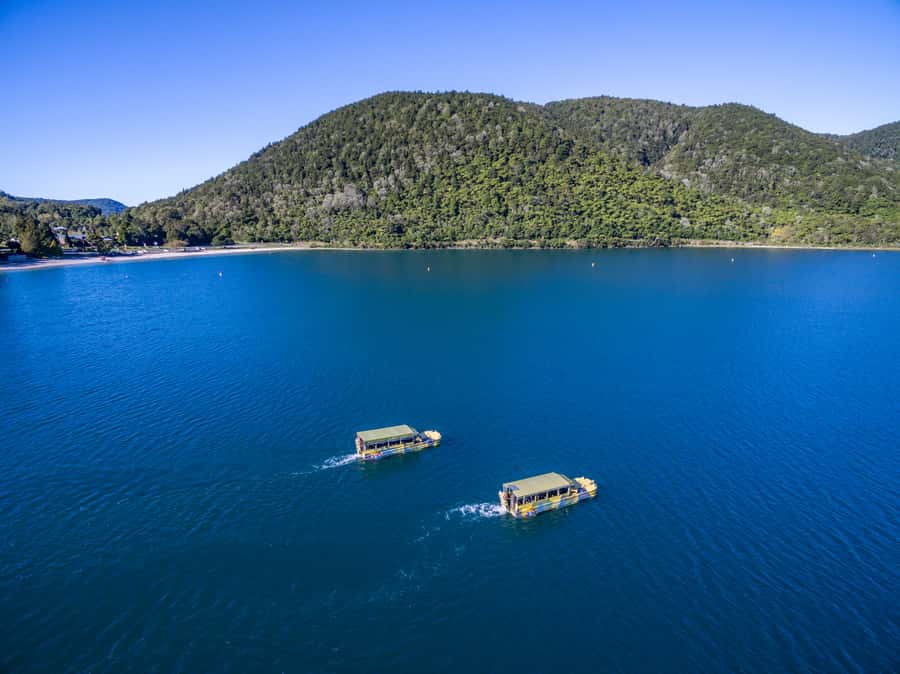
Then comes the big one: you ride out onto Lake Tarawera, after the tour has set the volcanic context. This is the part where you really feel why an amphibious craft is worth doing here. From the water, you can pick out the lake’s shape, its scale, and how the volcanic terrain sits behind it.
The tour description frames Lake Tarawera as a chance to appreciate those famous volcanic domes from the water’s edge. In practice, that means you’ll get a more “3D” sense of distance and shape than you would on a shore-based walk.
Also, Lake Tarawera is the emotional center of the story because it links directly to the 1886 eruption. Even if the science part is new to you, the guide’s narration helps you understand the human stakes: why the landscape matters culturally, and why geothermal places have both physical and spiritual significance.
And yes, it’s fun. You’ll be in motion, hearing the live commentary, and experiencing that splash-and-ride rhythm the Duck is built for.
Rotokakahi (Green Lake) and Tikitapu (Blue Lake) to finish strong
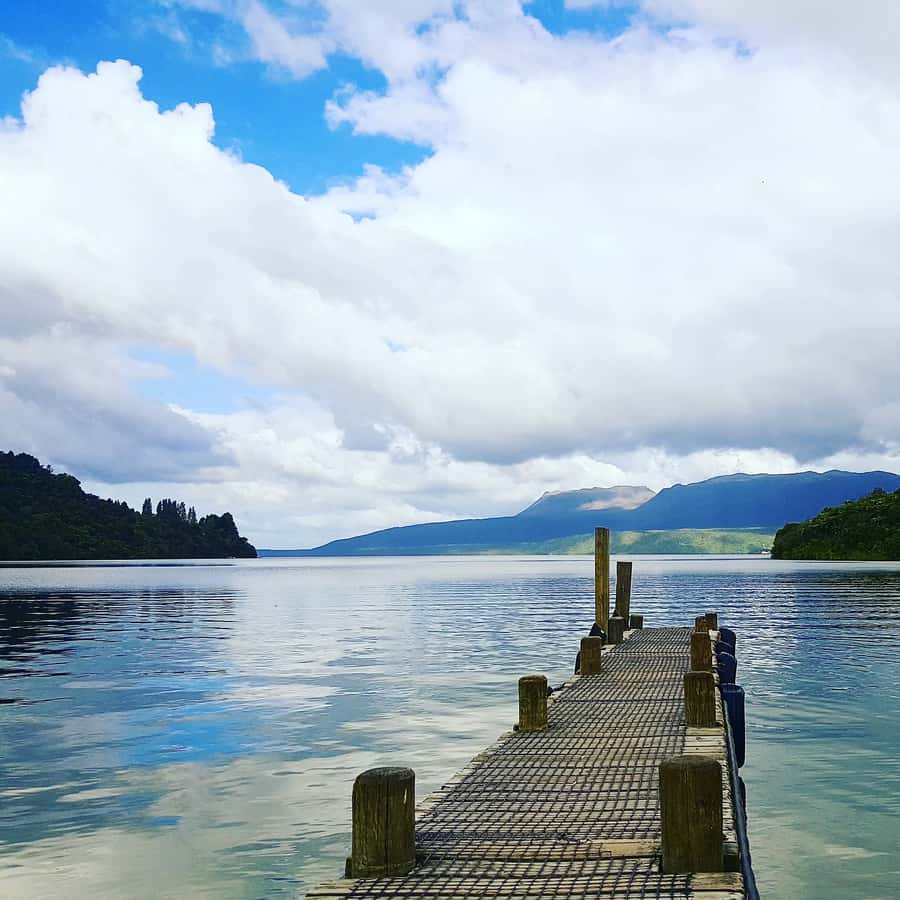
On the return journey, you’ll see Rotokakahi (The Green Lake). The tour format here is “see it as you go,” so you’ll spend time looking out at the lake within the broader route back toward Rotorua.
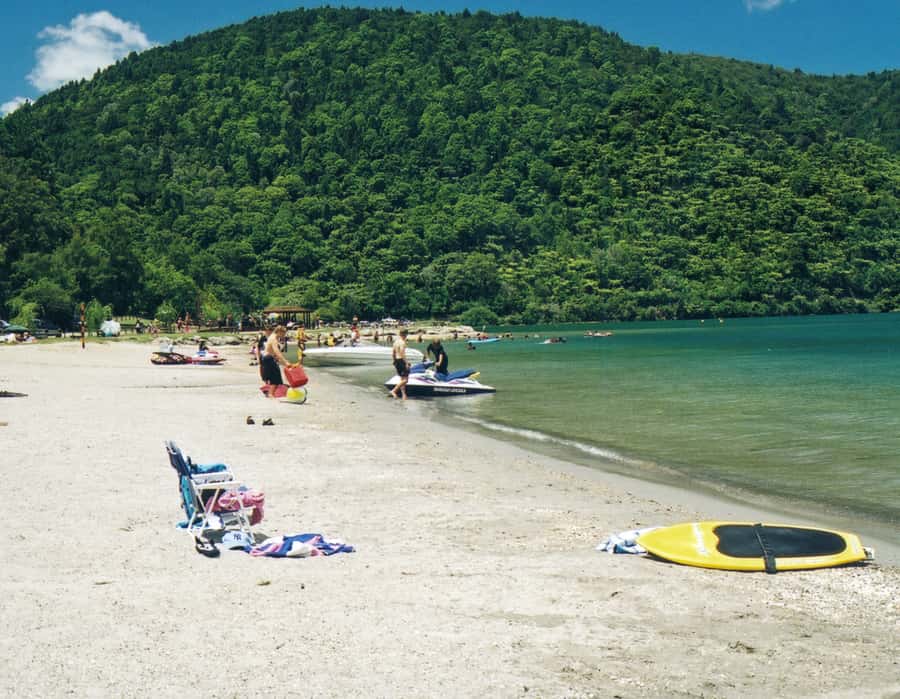
Then the final water stop is Tikitapu (the Blue Lake). It’s a great closing act because you get the last splash-down and a bright visual finish—blue water, volcanic scenery in the background, and the group still having energy at the end of the two hours.
One small note for your expectations: the highlight list emphasizes splash-downs on multiple lakes, while the route description emphasizes a view of Rotokakahi and a splash-down at Tikitapu. Either way, you’ll definitely visit all four lakes—Okareka, Tarawera, Rotokakahi, and Tikitapu—and you’ll get meaningful time on the water during the tour.
The guides: stories, humor, and how to get the most out of it
This kind of tour lives or dies on the guide. The good news is that the narration has a strong track record for being both informative and entertaining.
Names you may encounter include Esther, Ollie, and Shelly, plus guides like Marcus—and the consistent theme across them is that they bring geology to life without making it dry. Some guides lean into humor with jokes and laughs, which can make the tour feel lighter while still covering the hard facts: volcanic activity, the 1886 eruption, and cultural context.
Here’s the balanced part: comedic pacing isn’t everyone’s style. If you prefer a quieter guide, you might find the jokes a bit much on some departures. If that’s you, go in expecting humor to be part of the delivery, and focus on the parts that tie directly to what you’re seeing outside.
To get the most out of it, I’d listen for the “why” behind each stop: what the volcano did, how geothermal activity behaves, and why particular lakes are treated as sacred or meaningful.
Price and value: why $65 feels fair for this format
At $65 per person for two hours, you’re paying for more than scenic driving. The price is covering:
- a fully guided experience with live narration
- amphibious transportation that moves you onto the water
- time at multiple lakes rather than a single point-of-interest
If you compare this to a basic lakes outing, you’re getting extra value through the combination: road views plus true water riding on the WWII craft. You’re also getting a packaged explanation of why Rotorua looks the way it does, not just where the lakes are.
Two hours also hits a sweet spot. It’s long enough for you to feel like you’ve toured, but not so long that you’re exhausted before you can enjoy Rotorua’s rest of the day.
Weather reality: how to dress for wind and rain
Duck tours run in all weather, and that’s a big plus for Rotorua. If it rains, you’re not stuck hoping for clear skies. Clear roll down sides help keep you dry, and the tour is designed to operate even when conditions aren’t perfect.
The trade-off is wind. Because the Duck can have open windows, the air can get cold. The tour provides blankets, but I’d still plan to wear layers you’re comfortable moving in.
If the forecast looks stormy, you might still go—just go dressed for it. If it’s clear but breezy, you’ll likely be fine if you pack a warm layer and expect to feel cool at the water stretches.
Who this tour is best for (and who might want another option)
This one fits best if you’re:
- a first-timer in Rotorua who wants a guided overview that still feels active
- someone who likes a mix of scenery + story, especially volcanic geology and Maori cultural context
- traveling as a family. The tour is described as suitable for all ages, and the amphibious ride gives everyone a shared “wow” moment
It’s also great for couples and solo travelers because it’s structured but not formal. You don’t need specialist knowledge to enjoy it.
You might consider a different type of tour if:
- you strongly dislike guided humor and prefer strictly serious narration
- you’re very time-sensitive and can’t afford the fact that it’s a single fixed 2-hour outing
Should you book the Tarawera and Lakes Duck tour?
I’d book it if you want a Rotorua experience that’s actually different from a normal lakes drive. The mix of WWII amphibious craft riding, Lake Tarawera time on the water, and a guided explanation of geothermal activity and the 1886 Mt Tarawera eruption makes it a high-value way to see the lakes district in only two hours.
Before you go, remember three things:
- dress for wind, not just rain
- plan to arrive at 1241 Fenton Street on time since there’s no pick-up
- bring a curious mindset—you’ll get the best experience by listening for the “how did this form” and “why does it matter” parts
If that sounds like your kind of day, this tour is an easy yes.
FAQ
Where is the meeting point for the tour?
The tour meets at 1241 Fenton Street, Rotorua, New Zealand.
How long is the Tarawera and Lakes 2-Hour Duck Eco Tour?
The tour lasts 2 hours.
Is hotel pickup or drop-off included?
No. Hotel pick-up/drop-off is not included.
What language is the live guide commentary in?
The live tour guide commentary is in English.
Which lakes do you visit?
You visit Lake Okareka, Lake Tarawera, Rotokakahi (Green Lake), and Tikitapu (Blue Lake).
Does the tour run in bad weather?
Yes. Duck tours operate in all weather, and clear roll down sides help keep you dry in rainy conditions.
What should I bring or wear?
Wear comfortable shoes. Dress warmly on cold days because the Duck can have open windows, and bring extra layers if you run cold, even though blankets are provided.
If you want, tell me your travel month and whether you run hot or cold, and I’ll suggest what to wear for Rotorua weather on that kind of open-sided craft.