REVIEW · CAPE TOWN
Township Eco Tour
Book on GetYourGuide →Operated by Camissa Travel and Marketing · Bookable on GetYourGuide
A commuter train does something to your thinking.
On this Township Eco Tour in the Western Cape, you spend four hours getting a real look at everyday life around Langa, with time to walk, talk, and contribute through a community food project. I like that it’s not just sightseeing. You also get to see how daily movement and community food work connect.
I especially like the train ride to Langa—the same kind of route many locals use to reach work. The second big win is the chance to volunteer at the Sinebhongo community garden and soup kitchen, including talking with the women running the food work.
One consideration: the experience depends on the community project’s schedule. The tour doesn’t run on weekends, and your time for hands-on help is tied to what’s open that day.
In This Review
- Key highlights worth your attention
- Why the train ride to Langa changes the whole tone
- Meeting point near Old Marine Drive and the simple rules that keep it smooth
- Langa walking tour: learning the neighborhood through everyday details
- Sinebhongo community garden and soup kitchen: volunteering with real purpose
- Joe Slovo hostels at the informal settlement: respectful conversations, no shortcut
- Light lunch and what fits into a 4-hour schedule
- Price and value: is $53 a fair deal for what you get?
- Tips, timing, and who this tour is (and isn’t) for
- Should you book the Township Eco Tour?
- FAQ
- How long is the Township Eco Tour?
- Where do I meet the tour?
- What does the tour include?
- Is alcohol included?
- What should I bring?
- Can I bring luggage or a large bag?
- Is the tour wheelchair accessible?
- Do they run tours on weekends?
- What’s the minimum number of guests for it to run?
Key highlights worth your attention
- Commuter train to Langa: you ride the route locals use, not a tourist detour
- Guided walk in Langa: learn the place from inside, street by street
- Sinebhongo garden + soup kitchen: real, practical volunteering with food-focused work
- Joe Slovo hostels conversation time: space for dialogue with locals beyond a photo stop
- Small guided group feel: better questions, less rushing, more human pacing
Why the train ride to Langa changes the whole tone
The tour starts with a simple idea: take the train. Not in a dramatic, movie-scene way. In a real-world way. You meet your local operator (they wear a branded uniform) near Old Marine Drive, close to the Rovos rail platform, then head to Cape Town Station for the commuter portion.
Once you’re on the train, you’re seeing Cape Town from the ground level—where people go every day, for work and errands. It helps you notice things that a taxi window never shows. You get a sense of rhythm. You also get less of the tourist bubble.
And yes, it matters that this is Langa, described as the oldest township in Cape Town. That word can turn into trivia fast, but it actually gives context. When you walk the neighborhood after the ride, you’re not starting from zero. You’re following the layers of a place that has been part of Cape Town’s daily story for a long time.
Also, this is one of those tours where you’re not trying to pretend you fully understand. You’re learning the basics: how people move, where they gather, and what “normal” looks like when you’re not visiting for a few hours and leaving. That’s a powerful shift.
You can also read our reviews of more tours and experiences in Cape Town.

Meeting point near Old Marine Drive and the simple rules that keep it smooth
Logistics here are pretty straightforward, but they do affect comfort. Your operator meets you at the entrance to Old Marine Drive, near the Rovos rail platform. The good news is that there’s plenty of safe parking nearby at affordable cost. If you’re driving, plan to arrive a bit early so the group can assemble without stress.
Bring comfortable shoes. You’ll be on your feet during the walking parts, and the ground won’t be styled for tourism comfort. Also pack a sun hat. Even when it’s not peak summer heat, the sunlight in the Western Cape can still be sharp.
The tour also has one clear constraint: no luggage or large bags. That’s not just a rule for fun. Smaller bags mean easier movement through crowded areas and a smoother volunteer experience. If you’re the type who travels with a huge daypack plus everything else, consider traveling lighter for this one.
The tour runs with a minimum of 2 guests, and it doesn’t operate on weekends. That matters for planning. It means this is built around the community projects and weekday routines, not a schedule designed only for tourists.
Finally, it’s not suitable for wheelchair users. That’s worth taking seriously. The walking and movement between areas isn’t described as accessible.
Langa walking tour: learning the neighborhood through everyday details
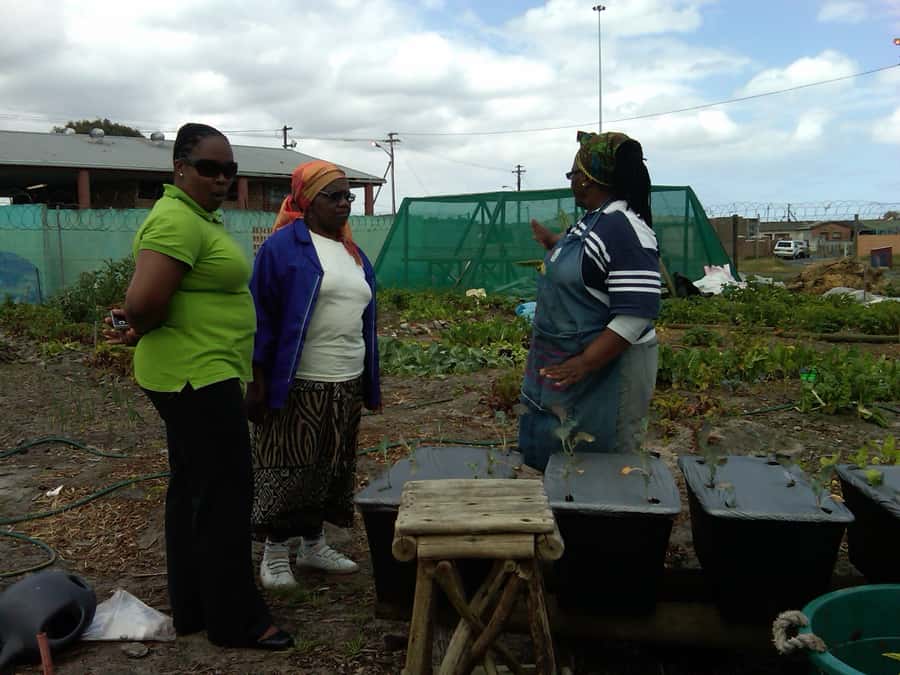
After the train ride, you step into Langa with a guided walking tour through the streets of the community. This is the part I like because it’s not just “here’s a building, here’s a view.” It’s more like how the neighborhood works—what you see, what locals do, and why certain things are where they are.
Your guide leads you through the sights and sounds you’d normally miss if you just passed through. You’ll get context on the history and how daily life is organized. The goal isn’t to turn suffering into a story. It’s to understand the place as a lived community, not a set.
When you walk with a local guide, you naturally start asking better questions. Not big, dramatic ones. The practical ones. What’s this for? Who uses it? How does the day flow? In small moments, you start to realize how much knowledge you don’t get from maps and guidebooks.
One more thing: walking gives you time to adjust your expectations. You’ll likely notice that the tourist Cape Town experience is heavily taxi-and-bus oriented, while many residents commute by train. The tour doesn’t force you to judge. It just helps you see the contrast clearly, and then you can decide what that means for your understanding of the city.
Sinebhongo community garden and soup kitchen: volunteering with real purpose
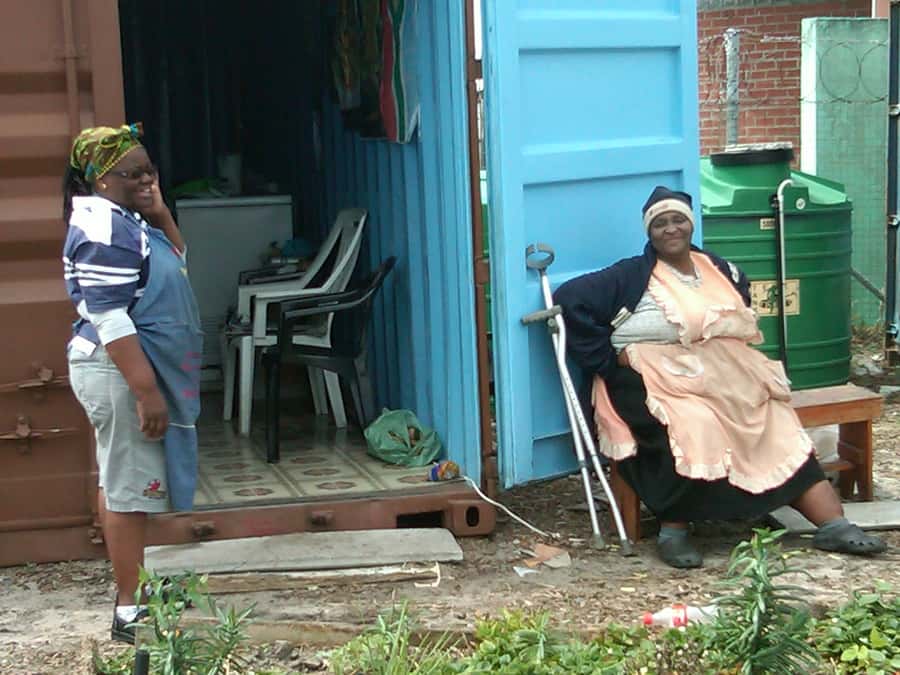
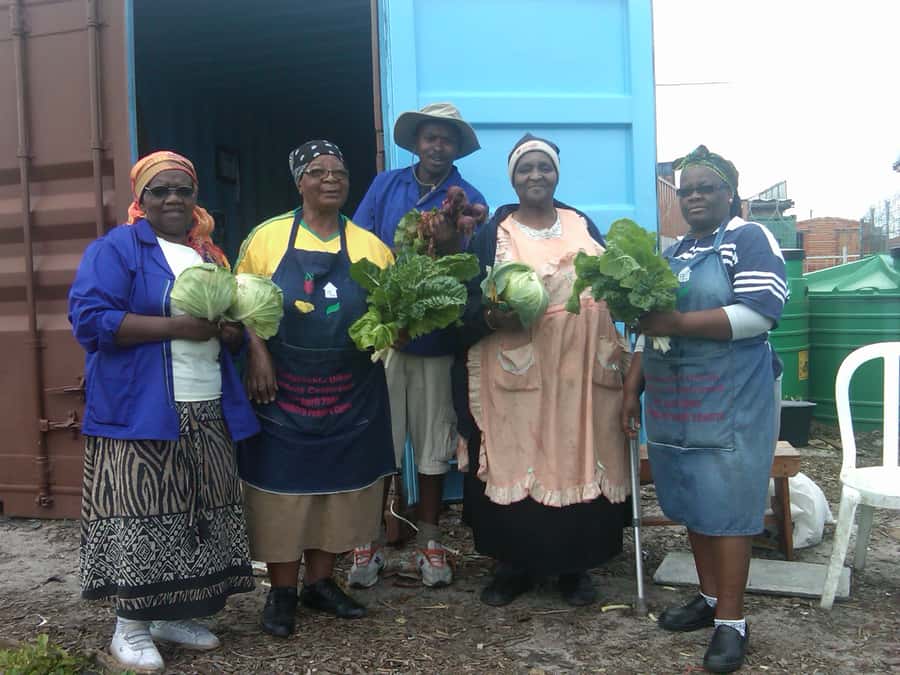
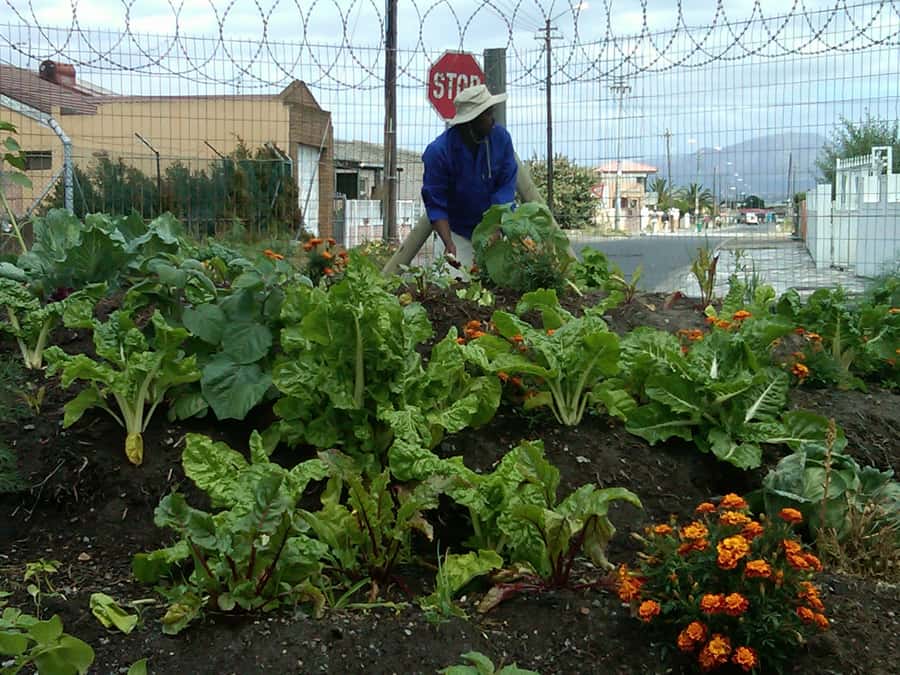
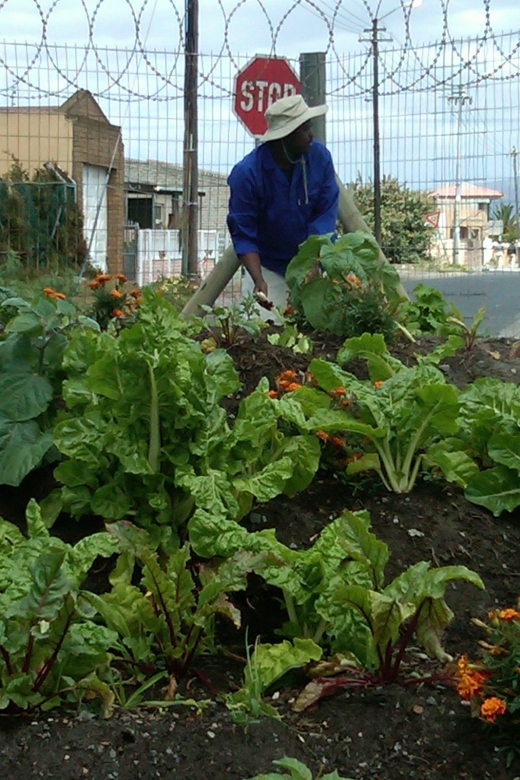
This is the heart of the tour. You go to Sinebhongo, where the community garden and soup kitchen support people through food work. Your group gets a chance to volunteer with hands-on help in the garden and kitchen area, and you’ll have interaction time with the women behind the project.
I like that this is practical. It’s not just standing around for a photo while someone else does the work. You’re contributing time and energy, and the experience is tied directly to food preparation and distribution. That connection is important because it’s easier to understand what your effort is actually doing.
You may also spend time learning as vegetables are picked and food is prepared. Even if you’re not doing advanced tasks, you’ll understand the workflow. And that makes the impact feel concrete, not abstract.
One caution: volunteering should be approached with respect and patience. You’re entering a functioning community space with its own rhythms. The guide’s role is key here—follow their cues and keep a calm pace. That’s also where the tour’s “eco” angle shows its meaning: it’s environmentally minded in the simplest way—growing food locally and using it to support people.
If you’re hoping for strictly environmental education, understand the emphasis is food and community support. The garden is the hook. The lunch and soup work is the proof.
Joe Slovo hostels at the informal settlement: respectful conversations, no shortcut
After Sinebhongo, you move on to the Joe Slovo area, described as an informal settlement. You’ll get to visit the hostels and speak with locals.
This portion is valuable for one reason: it slows down the usual tourist pattern. Instead of rushing from viewpoint to viewpoint, you get time for conversation. You’re learning how people describe their own lives, in their own terms. That kind of dialogue doesn’t give you a full education in a single afternoon. But it can change how you think and what you pay attention to afterward.
It’s also emotionally different from volunteering. Volunteering is action. Conversation is reflection. You’ll likely come away remembering small details: how people explain their day-to-day choices, what they want outsiders to understand, and what they think you should notice.
Here’s the practical advice: listen more than you talk. Ask questions your guide can help shape. Keep your tone respectful and avoid turning anyone’s life into a curiosity. The tour’s best moments tend to happen when you remember you’re there to learn, not to collect stories.
Light lunch and what fits into a 4-hour schedule
A lot is packed into a 4-hour window, but the pacing is built around transitions: train ride, walking tour, volunteering, then conversation time and a light lunch.
Lunch is included, and since it’s connected to the work at the garden and soup kitchen, it often feels more meaningful than a random restaurant meal. Even when the food is simple, you’re eating with context. You know what it took to get there, and you’ve seen the people behind the effort.
Time matters here. In four hours, you’re not trying to master the entire system of South Africa. You’re trying to get a grounded view of one township community, plus a slice of how food support operates locally. Done right, that’s exactly what this tour aims for.
One small note: alcohol isn’t included, so plan on water and soft drinks if you want them. Water is included, so you won’t start the day dehydrated, but you’ll still want to pace yourself, especially if it’s sunny.
Price and value: is $53 a fair deal for what you get?
At about $53 per person for roughly four hours, the value depends on what you compare it to.
This price includes several elements that normally cost extra on other tours: the train ticket to Langa, water, and lunch. You’re also paying for a local guide and the coordination needed to bring a small group through multiple community spaces. Add the volunteering component—time in the garden and soup kitchen—and it stops being just a sightseeing product.
The biggest value isn’t the price tag. It’s what you’re doing with that money: using the tour fee to support a community-linked activity, while you personally contribute time through the garden and food work.
If you’re purely chasing photos, this might feel too “hands-on” and too serious. If you want a real understanding of township life with practical involvement, then the price makes more sense. You’re not only learning. You’re participating.
And because the tour needs at least two guests, it’s likely designed around a small-group experience rather than a huge bus crowd. That small scale often matters for how respectful and question-friendly the day feels.
Tips, timing, and who this tour is (and isn’t) for
This tour is a strong fit if you want a structured but human experience. You like learning through movement—train, walk, and on-the-ground volunteering. You also want to help in a way that’s connected to a real community food project.
It’s especially good for first-timers to township tours who feel unsure about doing it alone. Having a guide and a planned route helps you avoid the chaos and misunderstanding that can happen when you improvise. It’s also a nice option if you want a deeper context to pair with the rest of your Cape Town trip.
What might not fit:
- If you want a luxury, low-foot-traffic afternoon, this isn’t that.
- If you need wheelchair access, it’s not suitable based on the information provided.
- If you’re traveling with lots of luggage, you’ll need to downsize for comfort and policy reasons.
Finally, keep your expectations grounded about the “eco” theme. The tour’s eco focus is mostly about food growing and support through the garden and soup kitchen. It’s not described as a science lecture or environmental lab. Think food, people, and community support.
Should you book the Township Eco Tour?
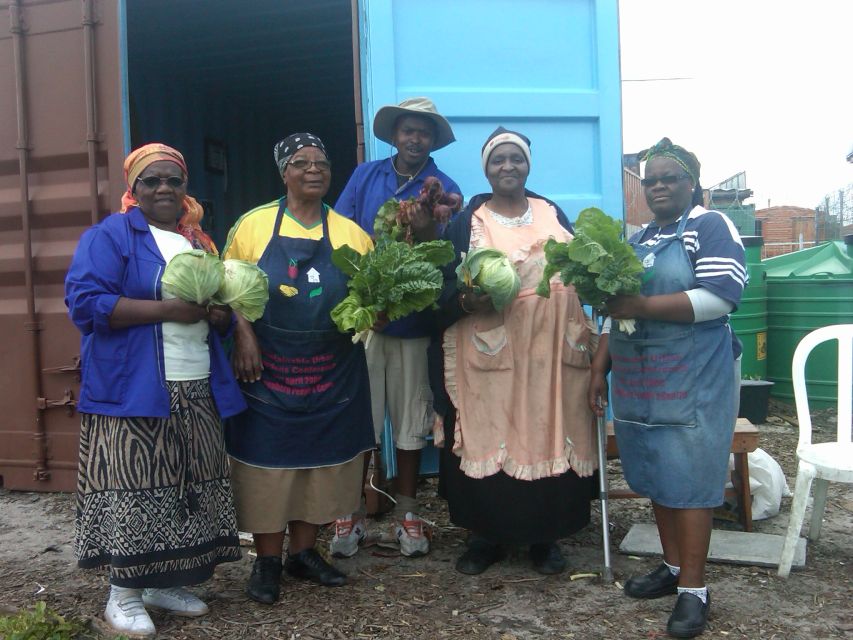
I’d book this if you want more than a standard township walkthrough and you’re comfortable with a hands-on, food-centered volunteer stop. The combination of commuter train to Langa, a guided neighborhood walk, and the Sinebhongo garden and soup kitchen work makes it feel purposeful rather than performative.
Skip it if you’re expecting a weekend activity, since it doesn’t operate on weekends due to the project being closed. Also skip if your mobility needs don’t match the walking-and-moving style of the day.
If you book, come with comfortable shoes, a sun hat, a willingness to listen, and the mindset that your role is contributor, not tourist celebrity. Do that, and you’ll likely come away with a sharper, more respectful understanding of this part of Cape Town.
FAQ
How long is the Township Eco Tour?
It lasts about 4 hours.
Where do I meet the tour?
You meet at the entrance to Old Marine Drive, close to the Rovos rail platform.
What does the tour include?
It includes a train ticket to Langa, water, and lunch.
Is alcohol included?
No, alcoholic beverages are not included.
What should I bring?
Bring comfortable shoes and a sun hat.
Can I bring luggage or a large bag?
No. Luggage or large bags are not allowed.
Is the tour wheelchair accessible?
No, it’s not suitable for wheelchair users.
Do they run tours on weekends?
No. Tours do not operate on weekends because the garden project is closed.
What’s the minimum number of guests for it to run?
It requires a minimum of 2 guests to take place.