REVIEW · SESIMBRA
Arrábida – Sesimbra: Eco-Friendly Beginner’s Scuba Diving
Book on GetYourGuide →Operated by ArrabidaLife · Bookable on GetYourGuide
Your first breaths underwater can feel awkward. I love how this eco-friendly beginner scuba experience in Arrábida Natural Park turns nerves into a guided, step-by-step lesson, with coaching from Paulho and a real mission to spot plastic. You also get to explore the Professor Luiz Saldanha Marine Park without committing to a long certification track.
The two parts I liked most: the SSI-style briefing that builds confidence fast, and the small-group attention (it’s capped at 10). The one drawback to think about: it’s health-and-comfort dependent, and there’s no hotel pickup or included food.
You’ll spend about four hours learning, preparing, then going underwater once—enough time to feel what scuba is like without turning your day into a full course. Afterward, you get free access to SSI’s marine ecology e-learning called SSI Blue Oceans, plus a participation certificate. If you’re the type who wants safety first and a hands-on environmental role, this fits nicely.
In This Review
- Quick hit points
- Arrábida Natural Park and Sesimbra: an eco-first scuba intro
- Professor Luiz Saldanha Marine Park: Europe’s biodiversity classroom
- The briefing that teaches breathing and underwater communication
- Boat ride to a historical marine-park spot
- Spot-and-collect plastic: eco action that’s actually part of the work
- What you do in about four hours
- Who makes it work: instructors, language, and that calm safety feeling
- SSI Blue Oceans e-learning: the useful bonus after your session
- Price and value: is $111 worth it for a first-time underwater experience?
- What to bring (and what to skip)
- Is it right for you? Health limits and best-fit profile
- Booking timing and planning for a no-stress day
- Should you book ArrabidaLife’s eco-friendly starter session?
- FAQ
- How long is the eco-friendly beginner scuba experience?
- Where does the underwater session take place?
- Is the experience good for first-timers?
- How many people are in the group?
- What languages are available?
- What do I need to bring?
- Is it suitable for children or pregnancy?
- What’s included besides the underwater session?
Quick hit points
- Beginner-friendly, SSI-recognized format with theory and a security/communication briefing
- Professor Luiz Saldanha Marine Park and Europe’s standout biodiversity
- Real eco action: you’re encouraged to locate and collect underwater plastic
- Small group (up to 10) for calmer coaching and tighter control
- Free SSI Blue Oceans e-learning after the session
Arrábida Natural Park and Sesimbra: an eco-first scuba intro
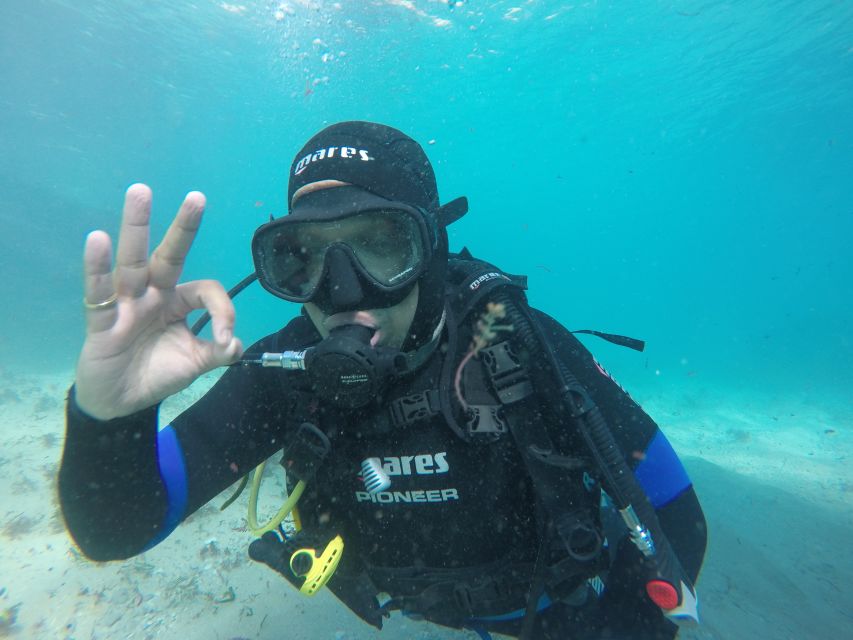
This is a smart way to try scuba when you’re curious, but not ready to sign up for a full training program. You’re based in the Lisbon District area, and the activity centers on the marine environment around Arrábida Natural Park near Sesimbra. The vibe is practical: learn how to breathe underwater, learn how to communicate safely, then spend one focused session below the surface.
I especially appreciate that the experience is built for beginners. The structure is designed around comfort and control. Instead of rushing you in, they start with a security and communication briefing. That matters because the first thing most people need isn’t courage—it’s simple, repeatable technique.
Another reason this works: the team isn’t only teaching you to enjoy the ocean. You’re also given an on-the-spot environmental task. Guides actively encourage you to locate underwater plastic and help collect it during your time in the water. That turns the trip from sightseeing into a hands-on contribution, and it feels less like a token gesture.
Professor Luiz Saldanha Marine Park: Europe’s biodiversity classroom
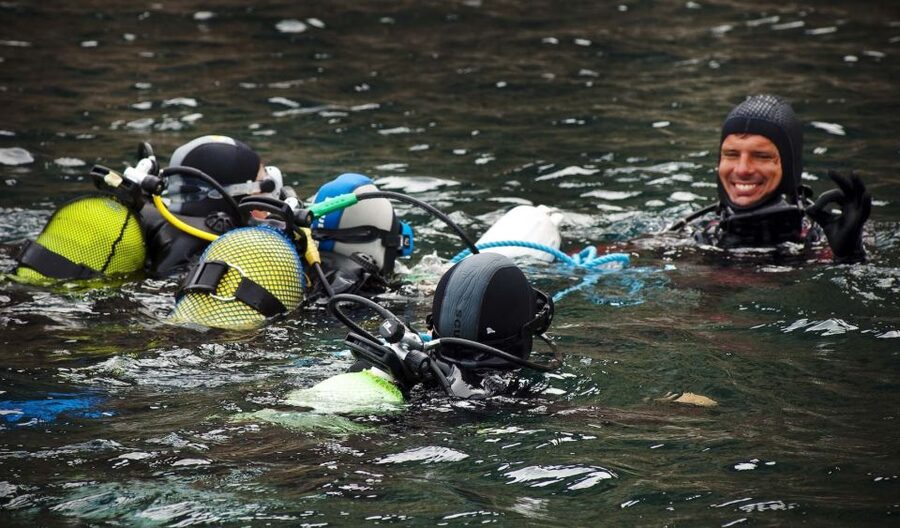
The water you’ll explore is in the Professor Luiz Saldanha Marine Park, inside Arrábida Natural Park. The program highlights that this area has some of the most extensive biodiversity in Europe. For you, that means the underwater world you see is likely to be varied rather than “just a few fish and done.”
It also helps that the program is tied to internationally recognized scuba education. It’s described as internationally recognized by SSI (Scuba Schools International) and Wild Sea Europe. Translation: they’re not improvising a one-off experience. You should expect a clear learning sequence and safety-first standards.
One more detail I like: the program includes a “historical” marine-park spot for the underwater session. You’re not just going out to a random patch of water. You’ll travel by boat to a spot within the marine park, and you’ll be introduced to it as part of the experience.
The briefing that teaches breathing and underwater communication
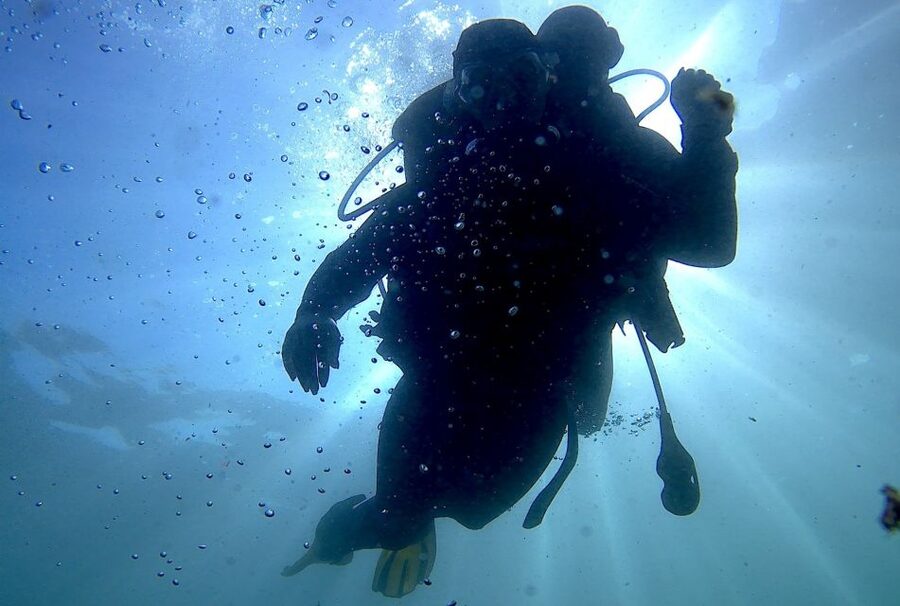
Before you go anywhere near the water, the team runs a theory session plus a security briefing and an environmental awareness session. Then they cover communication, and they explain how you’ll handle breathing underwater. That setup is everything for first-timers.
Here’s what you should expect in plain terms:
- You’ll get step-by-step guidance on what to do once you’re in the water
- You’ll practice or at least rehearse the basic idea of breathing and staying in control
- You’ll learn the communication side so you’re not “guessing” underwater
It’s also a good sign that instructors speak Portuguese, English, and Spanish, since it lowers the risk of missing instructions. Add in the small-group format (max 10 people), and you usually get enough personal attention to straighten out confusion quickly.
The best beginner experiences feel calm. This one is trying to create calm by teaching you the rules first. If you’re the type who likes structure—this should feel reassuring.
Boat ride to a historical marine-park spot
After the briefing, you board a boat and head toward one of the historical spots inside the marine park. The boat portion matters more than it sounds. It’s the transition moment where you get set, organized, and guided so you’re not scrambling right when it’s time to go underwater.
You’ll also get a clear purpose for the trip. You’re not doing an endless floating tour. You’re heading somewhere specific within the park, then doing a single underwater session under supervision.
Practical tip: plan for a “go by the schedule” kind of day. This program is about four hours total, so you’re not building extra sightseeing breaks into the middle of it. If you’re trying to fit this between other plans, keep some cushion.
Spot-and-collect plastic: eco action that’s actually part of the work
One of the standout features is the mission you do during the water portion: guides encourage you to locate underwater plastic so they can collect it. In other words, the environmental focus isn’t only a lecture. It’s something you help with while you’re in the water.
That’s a big deal for value. Many eco activities feel like you stand near a sign and nod politely. Here, you’re participating in cleanup behavior. You’ll also be operating under a clear expectation: littering isn’t allowed.
For you, that means two things:
- You’ll be looking at the water differently than you would on a casual snorkel.
- You’ll probably feel a stronger sense of purpose, even if you’re nervous at first.
It can also make the experience more memorable. Instead of just watching what swims by, you’re scanning the environment and doing something useful. That’s a more meaningful “first scuba” story to tell later.
What you do in about four hours
This is a beginner-friendly format designed to fit into a half-day. Here’s the rhythm you should expect, based on how the program is described and how it’s been consistently praised:
- Theory and security briefing: set rules, explain breathing and communication
- Environmental awareness: learn what they want you to pay attention to
- Small-group prep: you get guided attention rather than being lost in a crowd
- Boat travel to a historical marine-park spot
- One underwater session supervised by your instructors
- Wrap-up and what’s next (including the post-experience e-learning access)
The time commitment is tight enough that you can try scuba without turning the day into a multi-stage course. At the same time, it’s structured enough that you don’t feel like you’re being thrown into the deep end—figuratively and practically.
Who makes it work: instructors, language, and that calm safety feeling
The reviews strongly emphasize the professional, easygoing teaching style. I’d focus on three things:
- Step-by-step explanations: people reported feeling guided through each part clearly.
- Safety and comfort: instructors helped them feel secure and cared for.
- Friendly competence: the team is serious about safety, but not stiff.
One review specifically mentions being cared for by Paulho and feeling safe under his supervision. That name matters because it points to consistent, human coaching—not just a generic “instructors were great” comment.
Also, you’re in a small group of up to 10. That tends to reduce chaos. It makes it easier for you to ask questions and for staff to notice if you’re struggling.
If you tend to get anxious around new physical activities, that coaching style is a big reason to choose this over random “try it” experiences.
SSI Blue Oceans e-learning: the useful bonus after your session
After you finish, you receive free access to an e-learning service called SSI Blue Oceans. It’s described as marine ecology e-learning. This matters because it extends the experience beyond the four hours you spend on the water.
You’ll also get a participation certificate. That’s not going to replace certification, but it’s nice as proof of your first guided underwater experience.
If you want to build interest the right way, e-learning is a solid add-on. You’ll likely remember what you saw underwater more if you can connect it to a bit of background afterwards.
Price and value: is $111 worth it for a first-time underwater experience?
At $111 per person for a four-hour program, this sits in the “serious intro experience” range. You’re paying for more than just the boat trip. You’re paying for:
- theory and a security briefing
- environmental awareness coaching
- a supervised underwater session at the Professor Luiz Saldanha Marine Park
- insurance
- a small-group cap (up to 10)
- a free SSI marine ecology e-learning access (SSI Blue Oceans)
- a participation certificate
Value is about whether you’re getting a guided, safety-first introduction rather than a quick stunt. This program explicitly positions itself as beginner-friendly without requiring a more extensive certification path. If you want to test the waters—literally and mentally—while staying within a structured and recognized format, $111 can feel fair.
One thing to consider: food and drinks aren’t included, and there’s no hotel pickup. So your real cost might be a bit more if you need to get there and eat before or after. Still, the inclusion list is strong enough that the base price doesn’t feel padded.
What to bring (and what to skip)
You’ll want to bring a few basics:
- Passport or ID card
- Swimwear
- Towel
- Sandals
That’s it. Keep it simple. Since this is a water-based activity, having a towel and dry-then-go gear saves you from the usual “where can I dry off?” stress.
Not allowed: littering. That fits with the plastic-spotting mission in the water.
If you’re thinking about comfort: you’re likely moving between boat and water, so bring what will keep you from feeling sloppy or cold afterward.
Is it right for you? Health limits and best-fit profile
This activity isn’t for everyone. It’s listed as not suitable for:
- children under 8
- pregnant women
- people with back problems
- people with heart problems
- people with respiratory issues
Also, the practical reason matters: scuba activity depends on breathing control and physical comfort. If you fall into any of those categories, don’t treat this like a “maybe.” The safest choice is to follow the provider’s limits.
Who it suits well:
- Adults who want a first underwater experience with structured safety coaching
- People who like small-group attention
- Anyone who wants eco action built into the activity, not tacked on
If you’re looking for something more advanced or certification-heavy, you may eventually want a longer course—but this is designed to help you get comfortable first.
Booking timing and planning for a no-stress day
This program runs for about 4 hours. It uses starting times based on availability. If you’re flexible, you can reserve now and handle payment later. There’s also free cancellation up to 24 hours in advance for a full refund.
What to plan around:
- Eat before or after since food and drinks aren’t included
- Arrange your own way to the meeting point since hotel pickup/drop-off isn’t included
- Bring your ID and a towel so you don’t end up scrambling at the last minute
Because it’s a beginner experience, the day is likely to feel more “guided process” than “just show up and swim.” Showing up calm and ready makes a difference.
Should you book ArrabidaLife’s eco-friendly starter session?
If you’re a first-timer and you want a guided, safety-first scuba intro with a real environmental component, I’d say yes. The biggest reasons are the combination of professional step-by-step coaching, the small-group size, and the practical eco mission of finding and collecting underwater plastic. You also get solid extras afterward with free SSI Blue Oceans e-learning and a participation certificate.
Book it if you:
- want a beginner format recognized by SSI
- appreciate clear instruction and feeling cared for
- like doing something meaningful in the water, not only watching
Skip it (or ask questions first) if you’re in any category listed as not suitable, especially related to respiratory, heart, or back issues. And if you hate activity days with no food included, plan your meals so the day stays comfortable.
Overall, this is a good-value way to experience the Professor Luiz Saldanha Marine Park while learning the basics the right way.
FAQ
How long is the eco-friendly beginner scuba experience?
It lasts about 4 hours.
Where does the underwater session take place?
The underwater session is in the Professor Luiz Saldanha Marine Park within Arrábida Natural Park.
Is the experience good for first-timers?
Yes. It’s designed as a beginner program and gives you the chance to try scuba without needing a more extensive certification path.
How many people are in the group?
The group is kept small, limited to 10 participants.
What languages are available?
The instructor team speaks Portuguese, English, and Spanish.
What do I need to bring?
Bring your passport or ID card, swimwear, a towel, and sandals.
Is it suitable for children or pregnancy?
No. It’s not suitable for children under 8 and it’s not suitable for pregnant women.
What’s included besides the underwater session?
You get a theory session, security briefing, environmental awareness session, insurance, free access to SSI Blue Oceans marine ecology e-learning, and a participation certificate.