REVIEW · ANTIGUA
DiveCarib – An Eco-Friendly Certified Diver Trip in Antigua
Book on Viator →Operated by DiveCarib · Bookable on Viator
Saltwater magic starts before you even gear up. This eco-friendly certified scuba trip in Antigua pairs 40+ years of team experience with a real focus on safety and marine etiquette, plus a scenic boat ride that gives you a second viewpoint on the island. I also love that the operation runs with a small max group size (8), so the briefing and setup feel calm instead of rushed.
Two more things I like: the gear quality is handled well, and the guide presence matters—my notes highlight how impressive Lee was as the on-water lead. My main caution is the eligibility rule: you must have dived in the ocean within the last two years, or plan on a refresher before you join.
In This Review
- Key Points That Matter
- Getting There at 8:30am: The Dockyard Start
- The Setup: Facility Intro and the Briefing That Actually Helps
- Boat Ride Time: Antigua From a Whole New Angle
- Equipment Details: Tank Specs and How the Timing Works
- In the Water: Safety Checks and the Lead Guide’s Role
- Possible Site Change (and Why That’s Not a Bad Sign)
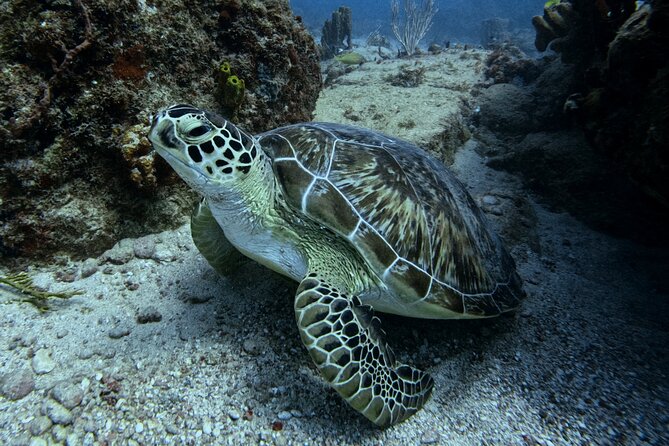
- What You’ll Actually See: Marine Life With Boundaries
- Eco-Friendly Certification: What It Means for Your Experience
- Who This Suits Best (And Who Should Skip or Ask Questions)
- Price and Value: Is $199 Fair for What You Get?
- Group Size and Pace: Why an 8-Person Limit Changes Everything
- The Details That Keep It Smooth: Tickets, Confirmation, Weather
- Should You Book DiveCarib’s Antigua Scuba Trip?
- FAQ
- What time does the scuba trip start in Antigua?
- How long does the experience last?
- How much does it cost?
- What is the maximum group size?
- What are the requirements to join if I’m already certified?
- What if I have not dived in the last two years?
- What kind of air tank and pressure plan should I expect?
- Is water provided during the trip?
- What happens if weather conditions are poor?
Key Points That Matter
- Small group max of 8 helps you get attention during the safety check and kit-up
- Strict no-touch, no-take, no-feeding wildlife rules keep the reefs healthier for everyone
- Clear time and air limits (about 1 hour, with minimum surface pressure set) help you plan your pace
- Aluminum S80 11.2L tank details and starting pressure are defined before you go
- Eco-friendly certified approach plus drinking water on board makes it feel less throwaway
- Weather and conditions can change the site if surge shows up
Getting There at 8:30am: The Dockyard Start
The experience starts at 8:30am at the DiveCarib National Sailing Academy on Dockyard Drive in Antigua and Barbuda. It ends right back at the same meeting point, which is convenient because you don’t need to find a ride across town after you’re done.
For a tour like this, timing is everything. Early morning tends to mean calmer water and better visibility odds, and you’ll also avoid the midday heat while you’re kitting up and doing your pre-checks. The trip is about 4 hours total, so you’re not signing up for an all-day production. That matters if you’re mixing in beach time, sightseeing, or a cruise-day schedule.
You’ll be near public transportation, which is useful if you’re not driving. I’d still budget a little extra slack for taxi timing, because you’ll want to arrive with enough time to get checked in, meet the team, and get mentally ready for the water ladder moment.
You can also read our reviews of more tours and experiences in Antigua.
The Setup: Facility Intro and the Briefing That Actually Helps
The first stretch is usually your land-based reality check. The team starts with an introduction to the facility and the crew, then moves into the briefing. This isn’t just paperwork. The goal is to cover how the day works, what you’ll do at the boat, and how your equipment will be handled.
You’ll also get a dive briefing on all aspects of the trip. That includes what to focus on once you’re in the water, what the guide will be looking for, and how to handle the specific logistics of rental gear used by this operator. If you’re the type who hates surprises at sea, you’ll probably appreciate this part.
One thing I’d underline: the trip requires you to be mentally and physically fit to scuba and to do normal swim-and-climb basics. That means you should be comfortable swimming unassisted, walking unassisted, and climbing the dive ladder unassisted. If any of those are shaky for you, don’t “power through.” Choose the safer option and ask what else is available.
Boat Ride Time: Antigua From a Whole New Angle
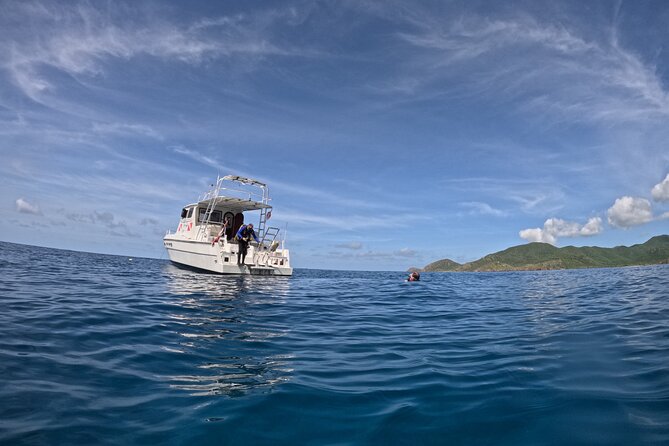
After the briefing, you board the boat and head out. Here’s the secret value of this kind of trip: you’re not only paying for underwater time. The boat ride itself is part of the show.
Antigua from the water gives you a different sense of scale—coastlines look longer, shorelines look sharper, and you can spot where the sea changes from calm to choppy. Even before you gear up, you’ll get a chance to admire the island in that “no land-limits” perspective.
Drinking water is available on board, which sounds minor until you’re standing around in sun and salt air. It helps you stay functional and not turn your pre-dive focus into a dehydration problem.
Equipment Details: Tank Specs and How the Timing Works
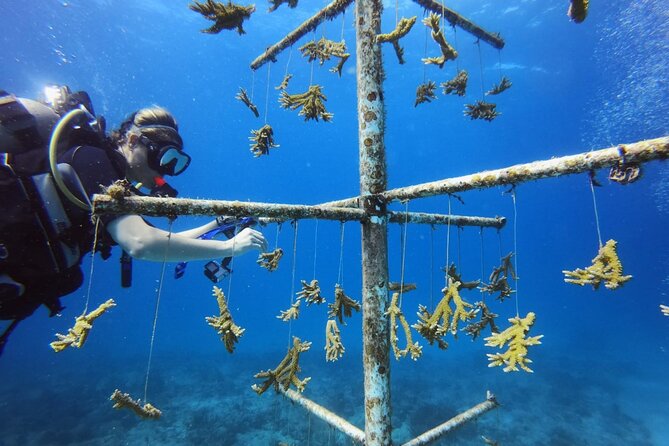
One reason this trip feels well-run is that it doesn’t hide the technical side. The cylinder is described clearly: aluminum S80 (11.2 litre) with a starting pressure of 3000 Psi (207 Bar).
They also define how your underwater time is set. The plan is one hour, or you’ll come up when you reach a minimum end/surface pressure of 500 Psi (35 Bar). That’s a straightforward safety framework. For you as the participant, it means you’re not stuck guessing when you should slow down, and it gives the guide a consistent pacing system across the group.
If you rent gear, you’ll kit up after arrival at the first site. The guide will walk you through key equipment points for the day, and you’ll do a pre-water safety check. Expect that this is where you confirm things like fit, valves, and readiness—your personal “are we good?” moment before going under.
Also note: the operator is explicit about who can join. Certified participants need to have dived within the last two years, and if that window is exceeded, you’re expected to do a refresher dive before joining certified trips. For many people, that rule is the difference between confidence and stress.
In the Water: Safety Checks and the Lead Guide’s Role
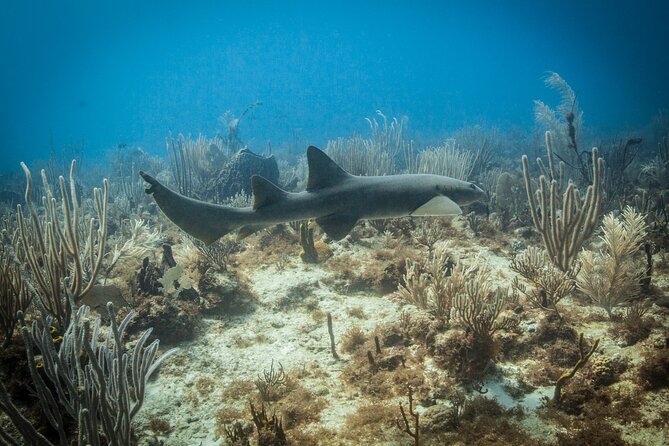
When you arrive at the first dive site, you’ll kit up and complete a pre-dive safety check. This is where the day turns from logistics into real underwater time.
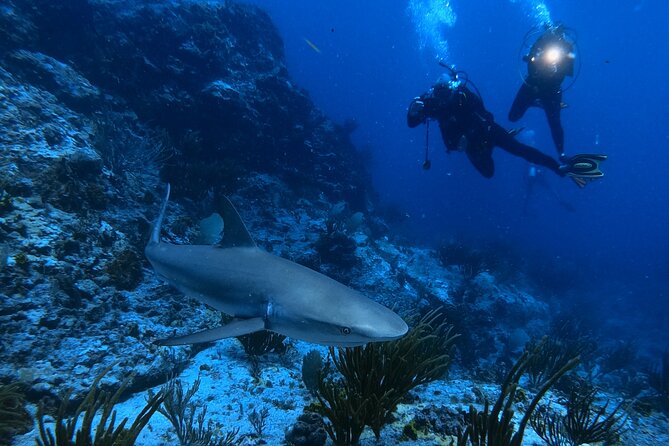
A trained guide leads all the underwater sessions and has extensive knowledge of the local marine environment. Practically, that means you’re not just looking around randomly. You’ll have help finding marine life, and you’ll also be guided on how to behave in ways that protect both you and the ecosystem.
The operator has a strict policy: no touching, no taking, and no feeding wildlife. This matters more than people think. Touching can damage fragile organisms, taking removes habitat, and feeding can change animal behavior in ways that are bad for the sea life and usually bad for future encounters too. If you want to see wildlife and still feel good about it afterward, this policy is a huge part of the value.
Possible Site Change (and Why That’s Not a Bad Sign)
One review note flagged a situation where surge caused an alternate site, Black Point, to be used for the second location. The takeaway for you: conditions can shift, and a good operator adjusts rather than forcing the plan.
If you’re the kind of diver who gets cranky about changes, try to reframe this. The goal is safe conditions and a strong experience, not stubbornly hitting one exact spot.
What You’ll Actually See: Marine Life With Boundaries
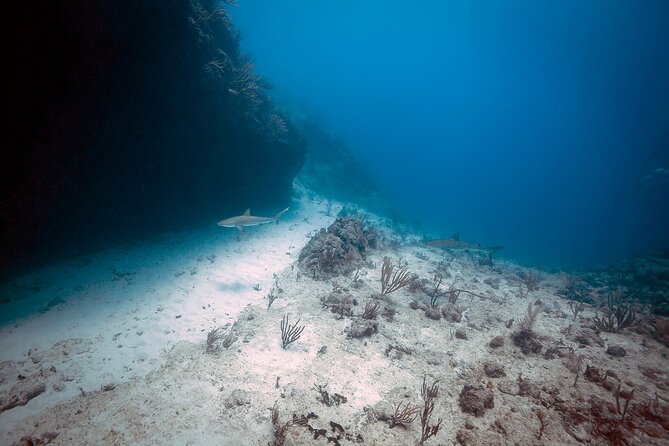
The trip is built around guided exploration of Antigua’s marine wildlife. The guide’s local knowledge is the reason this goes beyond simply being “underwater with tanks.”
You can also expect a behavioral framework: the no-touch/no-take/no-feeding rules are enforced. That means you’ll likely get a more natural wildlife viewing experience, because you aren’t chasing animals down or stirring up contact.
Also, this kind of guidance tends to help you enjoy the day even if you’re not a hardcore equipment nerd. You’ll spend less effort figuring out what to do next and more effort noticing what’s around you.
Eco-Friendly Certification: What It Means for Your Experience
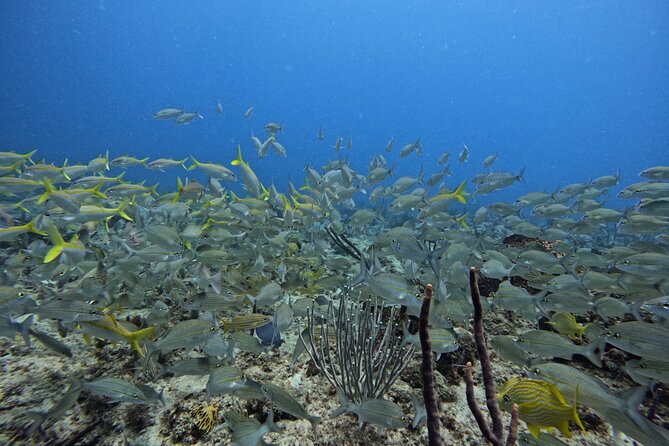
This operator describes the trip as eco-friendly certified. While that doesn’t automatically guarantee every single action is perfect, it does signal that the company is at least thinking about impact—especially with wildlife rules spelled out so clearly.
Practically, this shows up as:
- clear expectations before you enter the water
- strict wildlife interaction limits
- no random behavior that churns up the seabed
If you care about responsible travel (and if you don’t, you’ll probably start caring when you see how fragile the environment is), this kind of structure makes the experience feel less like consumption and more like participation.
Who This Suits Best (And Who Should Skip or Ask Questions)
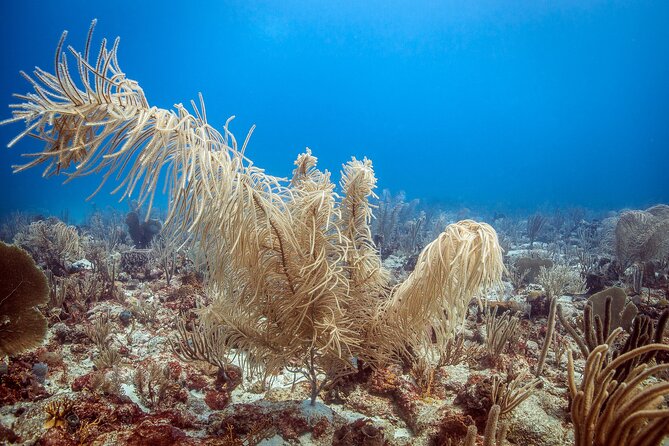
This is for certified scuba participants, with a hard requirement: you must have dived within the last two years and it must have been in the ocean. If you haven’t, the operator asks you to enquire about afternoon refresher sessions instead.
So who is it ideal for?
- You’ve been scuba certified for a while, but you’re within the two-year window
- You want a guided experience with a clear safety structure
- You value small-group attention (max 8)
- You prefer an operator that enforces wildlife etiquette
Who should think twice:
- You haven’t been in the ocean in two years or more and don’t want to do the refresher step
- You struggle with the basics needed for scuba fitness, like swimming unassisted or climbing the ladder without help
- You’re hoping for a casual, no-gear, first-time sort of outing (this is a certified trip with specific requirements)
If you’re unsure about your fitness or comfort level, it’s better to ask first. The trip explicitly requires you to be physically and mentally fit to scuba and to do normal activities during the day.
Price and Value: Is $199 Fair for What You Get?
At $199 per person, this trip sits in a category where you should ask: are you paying for underwater time only, or for the whole operation?
Here’s the value case:
- Small group size (max 8) means more attention and less waiting
- A structured briefing and a pre-water safety check reduces chaos
- Rental equipment is provided, and the experience includes explanation of equipment points
- The boat ride is part of the experience, not just transportation
- Air management is clearly defined with real starting pressure and safety minimums
- Drinking water is included on board
- The operation has strong credentials, including a 5-star rating from the professional diving instructors association and a team with 40+ years combined experience
What you might feel in return: a day that runs smoothly and keeps focus on safety and respectful marine viewing. You’re also not locked into a full-day plan, since the total time is around four hours.
If you compare it to less structured options, the real “value” is that the trip is clearer about how it manages risk and behavior in the water. For many people, that peace of mind is worth the price difference.
Group Size and Pace: Why an 8-Person Limit Changes Everything
A maximum of 8 travelers matters for scuba days. It affects everything:
- how long the boat can wait during kit-up
- how much time you get during equipment explanation
- how easy it is for the guide to notice issues early
In a larger group, you sometimes feel like you’re part of a conveyor belt. Here, the setup suggests the team can keep an eye on each participant without turning the day into a rushing competition.
The result is a calmer pace—especially during the transition from briefing to boat to water.
The Details That Keep It Smooth: Tickets, Confirmation, Weather
You’ll receive a mobile ticket, which is handy if you’re bouncing around Antigua with limited paper.
Confirmation is expected within 48 hours of booking, subject to availability. That means you should still plan your day around the likely start time, but don’t rely on last-minute miracles.
This experience requires good weather. If it gets canceled due to poor conditions, you’ll be offered a different date or a full refund. That’s not just fine print—it’s a sign the operator won’t push unsafe water.
Should You Book DiveCarib’s Antigua Scuba Trip?
I’d book it if you want a guided, safety-first scuba session with clear equipment standards, a small group, and strict marine wildlife behavior rules. The boat ride adds value, and the day is long enough to feel like a real experience without eating up your whole vacation schedule.
I’d also book it if you’re the type who appreciates solid credentials and a crew that seems to manage conditions responsibly—especially with the clear refresher requirement for anyone outside the two-year window.
Skip this one and ask about alternatives if you haven’t dived in the ocean recently. If you do need the refresher, treat it as part of the investment in confidence, not a delay. It’s often the step that makes the rest of the day enjoyable.
FAQ
What time does the scuba trip start in Antigua?
It starts at 8:30am at DiveCarib National Sailing Academy in Dockyard Drive, Antigua and Barbuda.
How long does the experience last?
The duration is approximately 4 hours.
How much does it cost?
The price is $199.00 per person.
What is the maximum group size?
The group is limited to a maximum of 8 travelers.
What are the requirements to join if I’m already certified?
You must have dived within the last 2 years, and it must have been in the ocean.
What if I have not dived in the last two years?
If you haven’t dived within the last two years, you’re required to complete a refresher dive before joining certified diver trips. The operator can also offer afternoon refresher sessions if you enquire.
What kind of air tank and pressure plan should I expect?
They use an aluminum S80 (11.2 litre) tank. The starting pressure is 3000 Psi (207 Bar), and dive times are set at one hour or with a minimum end/surface pressure of 500 Psi (35 Bar).
Is water provided during the trip?
Yes. Drinking water is available on board.
What happens if weather conditions are poor?
This experience requires good weather. If it’s canceled due to poor weather, you’ll be offered a different date or a full refund.