REVIEW · RANGIROA
Blue Lagoon Eco-Tour, Avatoru Pass Snorkeling, Secret Green Lagoon
Book on GetYourGuide →Operated by RANGIROA EXCURSION · Bookable on GetYourGuide
Sharks and sandbars without the chaos is the real draw. This Blue Lagoon Eco-Tour pairs guided snorkeling (including shark observation) with a respectful eco-walk, then closes with the calm of Secret Green Lagoon and coffee. I also love the Tuamotu touch built into the day, from a weaving workshop to a proper local lunch. One possible drawback: you’ll be in the water at multiple stops, so if currents or your pace slow you down, the final lagoon can feel like it comes fast.
The day runs like a well-paced loop, starting early from Avatoru and moving between lagoon worlds that look similar from the boat but feel totally different once you’re floating there. You’re getting a mix of marine life, white sand beaches, and culture in one go, and the tour is clearly designed to keep the focus on nature rather than crowds. Still, it’s not a casual stroll tour, and it’s not a great fit if you have limited mobility or trouble boarding a boat.
In This Review
- Key things I’d circle on your planning list
- A Full-Day Lagoon Circuit in Rangiroa
- Shark Bay Snorkeling: Blacktip Sharks, Calm Rules, Good Visibility
- The Blue Lagoon Main Area: White Sand, Stingrays, and an Eco Walk
- Culture on the Private Motu: Weaving, Traditional Music, and Real Food
- Avatoru Pass Snorkeling: Currents Decide the Details
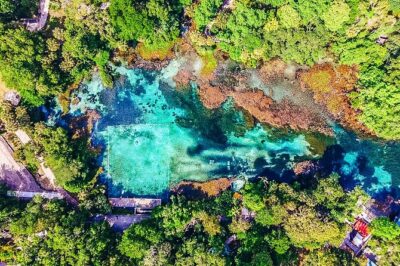
- Secret Green Lagoon: Quiet Emerald Water, Coffee, and Homemade Cakes
- Price and Value: What $159 Buys You in Real Terms
- Timing, Comfort, and What to Bring (So Your Day Feels Easy)
- Who Should Book This Tour (and Who Might Skip It)
- Should You Book the Blue Lagoon Eco-Tour?
- FAQ
- How long is the Blue Lagoon Eco-Tour?
- Where does the tour take place?
- What snorkeling is included?
- Do I need to bring my own snorkeling gear?
- What food and drinks are included?
- Is there any cultural activity during the day?
- What about the Green Lagoon stop?
- How does pickup work?
- What should I bring for comfort and safety?
- Is the tour suitable for everyone?
Key things I’d circle on your planning list
- Shark Bay snorkeling with safe observation of blacktip sharks, plus supervised setup
- Eco-guided lagoon walking focused on nurseries, seabirds, protected species, and living coral
- Tuamotu culture on a private motu, including weaving plus traditional music
- Avatoru Pass snorkeling only when conditions allow, so flexibility matters
- Secret Green Lagoon time for quiet, coffee, and homemade cakes
A Full-Day Lagoon Circuit in Rangiroa
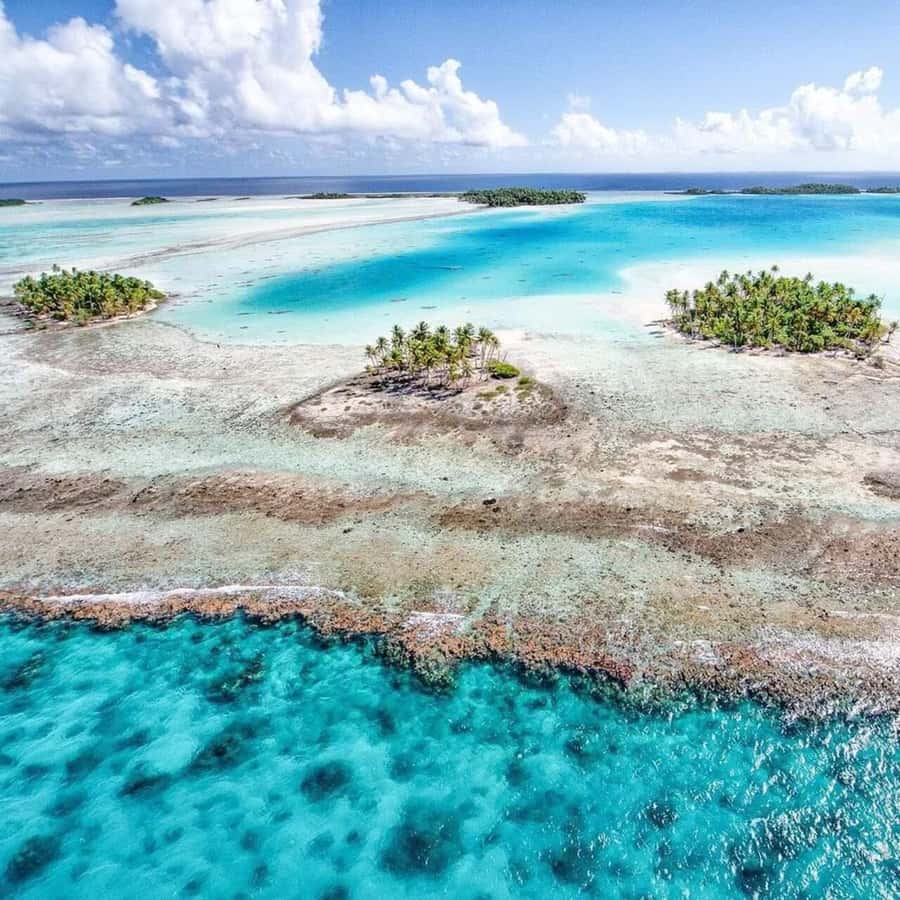
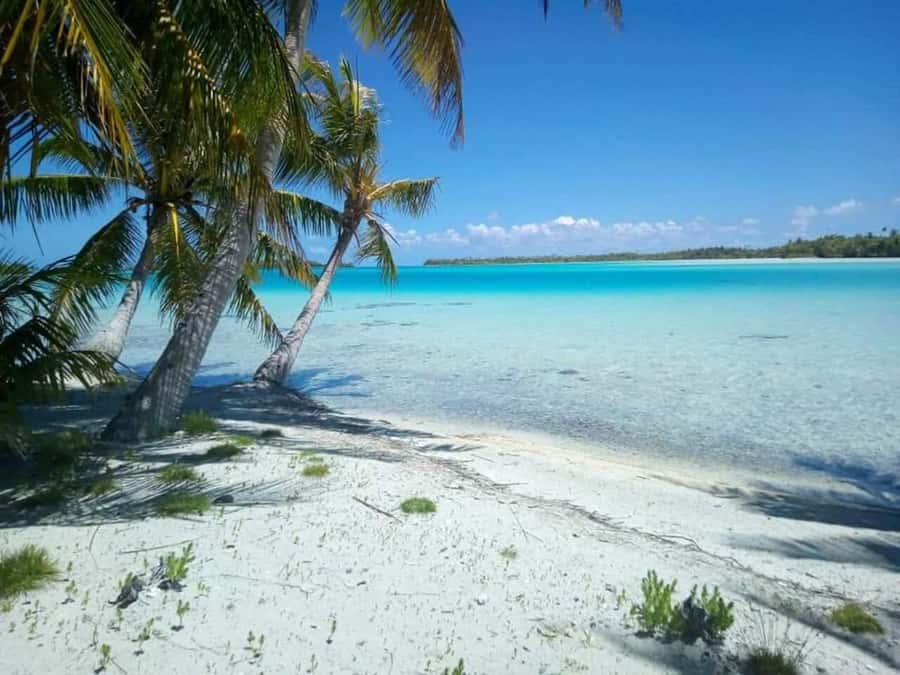
Rangiroa has that famous lagoon glow, but what I like about this tour is that it treats the water like a living system, not a photo backdrop. You’ll move through two lagoon areas plus a private motu island stop, so you don’t just snorkel once and call it a day. Instead, you’re sampling different habitats: shallow sandbars and clear water, then a pass with more current-driven marine life.
The tour is also long enough to feel like a full experience, but still tight enough to keep momentum. You’ll start with pickup around 8:20 am, then head out by boat for about an hour to your first snorkeling area. You’re aiming for roughly 8 hours total, with planned breaks for food, culture, and a little downtime.
This is a good option for people who want maximum water time without the stress of planning multiple stops on your own. The included guide also matters here, because lagoon wildlife is easiest to spot when someone points it out and keeps you on the right path.
Shark Bay Snorkeling: Blacktip Sharks, Calm Rules, Good Visibility
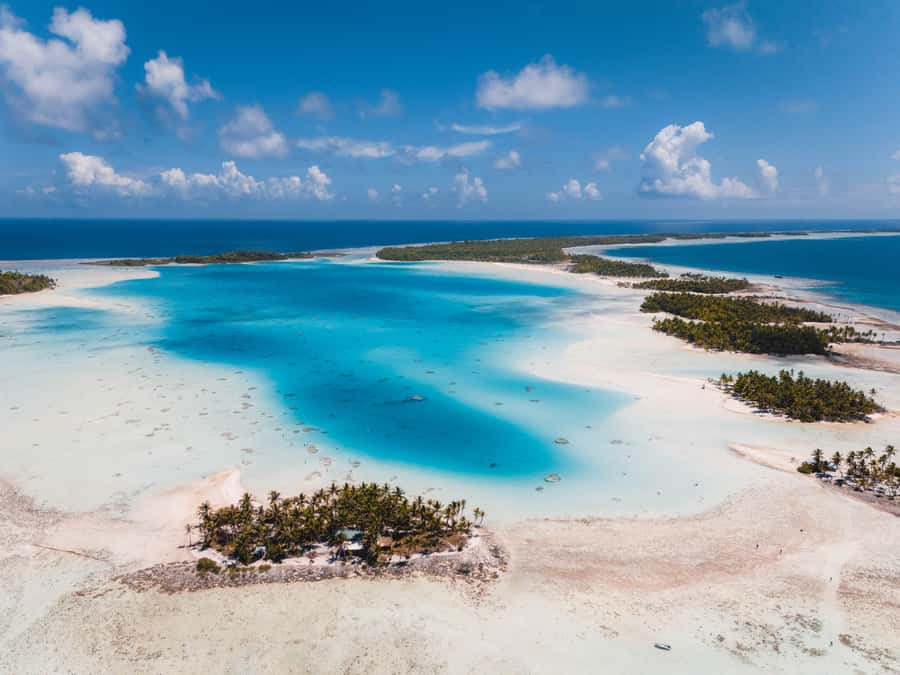
Your first water time is in Shark Bay, where snorkeling is guided and supervised with a focus on safe observation of blacktip sharks. If you’ve never snorkeled with sharks (even from a calm, shallow distance), the presence can be intimidating. The point of choosing a guided setup is that you get the rules first and you don’t have to guess how to behave around wildlife.
This stop starts after the boat ride, with the schedule landing around 10:00 am for the guided snorkeling. You also get your snorkeling kit onboard, including a mask and snorkel, so you’re not scrambling right before you get in the water.
What to watch for:
- The tour plan is built around visibility and wildlife behavior. If conditions are poor, the day still keeps structure, but you might feel the water time shift.
- Since you’re snorkeling in a guided context, you should expect brief instructions before you enter, plus a controlled pace once you’re in.
One practical note: the tour includes gear, but it doesn’t include sun protection. That matters in French Polynesia. You’ll want hat/lycra/sunscreen ready, because snorkeling can trick you into thinking you’re not getting burned.
The Blue Lagoon Main Area: White Sand, Stingrays, and an Eco Walk
After the shark snorkeling, you’ll arrive on the main lagoon island in the heart of the Blue Lagoon, around 10:30–10:45 am. This is where the tour shifts from water-on-wildlife mode to land-and-lagoon comprehension.
You’ll start with a local snack and then free time to swim in the clear water. This is a good moment to slow down and really look at what’s around you. A lot of people rush snorkel stops, then realize too late that the best viewing happens when you’re not staring through a rushed mouthpiece.
The eco-guided portion is around 11:15 am, and it’s structured to cover multiple parts of the ecosystem:
- Shark nurseries (explained as part of the lagoon life cycle)
- Seabirds, including terns and noddies
- A protected species listed as Lori Nonette
- Stingrays
- Endemic flora such as miki miki and tohonu
- Living corals and shells
- White sand beaches and sandbars
That combination is why this tour feels different from a typical “float and go” excursion. When a guide connects what you saw in the water with what you see on the sand and in the vegetation, it sticks. Even if you’re not a marine nerd, it helps you understand why this lagoon is worth protecting.
You also get a visit to a private island. Private motu time is one of the best ways to get that sense of place in Rangiroa without chasing remote coordinates yourself.
Culture on the Private Motu: Weaving, Traditional Music, and Real Food
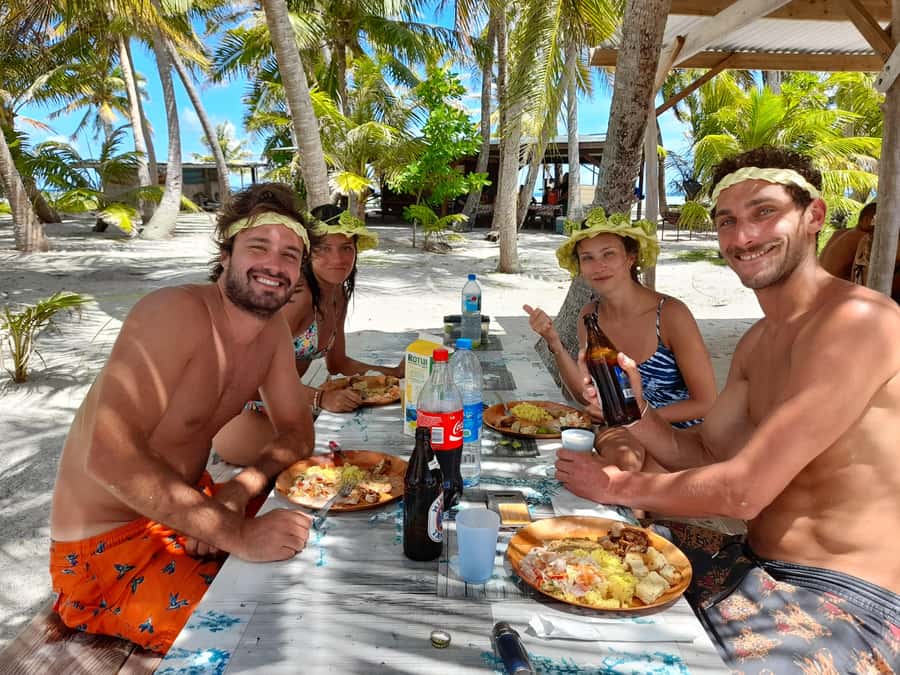
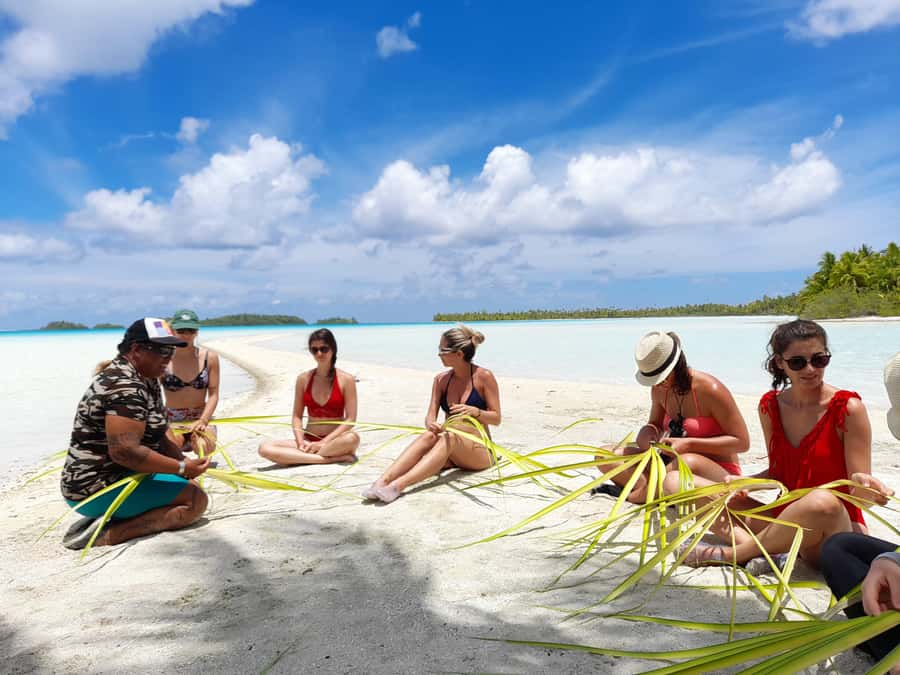
Lunch isn’t an afterthought here. It’s scheduled after the eco-walk and cultural moments, around 12:00–1:30 pm. You’ll do a weaving workshop with the local team, then enjoy traditional music. This is the kind of activity that makes the day feel local instead of just scenic.
Then comes aperitif followed by a traditional Tuamotu lunch. The menu is clearly spelled out, including raw fish, grilled meats, coconut bread, rice salad, and cold drinks. There’s also a vegetarian option available. The “you eat like someone lives here” feeling is a big part of the value of this tour, because food is one of the easiest ways to experience culture without needing background research.
In one recent experience, the guides and lunch earned high praise for how well the meal landed after the morning snorkeling. That makes sense: you’re sun-warmed, salt-stung, and ready for food that doesn’t taste like airline food.
From there, you get free time around 1:30 pm to relax, swim, and explore. This is when you should pace yourself. If you go hard on photos and swimming right after lunch, you might find later snorkel time feels shorter.
Avatoru Pass Snorkeling: Currents Decide the Details
The next snorkeling stop is Avatoru Pass, scheduled around 3:15 pm, but with an important condition: it depends on current permitting. That one line changes how you should think about this part of the day.
If currents are right, you’ll be in a site known for marine biodiversity. If the currents don’t cooperate, the tour still keeps you moving through the plan, but the water time at the pass may shift or be adjusted for safety and comfort.
This is also a reminder that lagoon snorkeling isn’t a guaranteed aquarium visit. The pass environment is dynamic, and the guide’s job is to choose what’s safest and what will give the best experience in that moment.
If you get motion-sick easily, bring a clear plan for yourself. The tour doesn’t mention medication or special protocols, so your best strategy is simple: go light before the pass, stay hydrated, and listen to the guide when they brief you.
Secret Green Lagoon: Quiet Emerald Water, Coffee, and Homemade Cakes
The final stop is the Secret Green Lagoon, around 3:45 pm. The description alone sounds like a reward: emerald waters and tranquility, followed by coffee and homemade cakes.
This part of the itinerary is smart. After snorkeling and culture and moving around, you get a gentler finish. It’s the moment to stop thinking in schedules and start thinking in atmosphere. If you’re the type who wants a calm last photo, this is it.
One practical consideration: timing depends on how the earlier parts of the day go. If you linger a lot during free swim time or you take extra time with lunch and relaxing, you might feel less relaxed here. Still, even shortened lagoon time can be worth it because the mood is so different from the busier-feeling water stops.
Price and Value: What $159 Buys You in Real Terms
At $159 per person for an 8-hour day, the fair question is: what’s included, and what would it cost you to replicate it on your own?
You’re not just paying for boat transport. The tour includes:
- Round-trip transfer from your accommodation on the main island of Avatoru
- Boat ride to the Blue Lagoon and back
- Guided eco-tour in the Blue Lagoon area
- Guided, supervised snorkeling in Shark Bay
- Guided, supervised snorkeling in Avatoru Pass when currents permit
- Private motu visit plus a morning snack
- Weaving workshop and traditional music
- Aperitif and traditional Tuamotu lunch, plus cold drinks
- Coffee and homemade cakes at the Green Lagoon
- Snorkeling gear (mask and snorkel)
- A local guide with both environment knowledge and Paumotu culture
When you itemize that, the price stops looking like “just a snorkel tour.” It’s also a cultural day and an eco-focused guided walk. For Rangiroa, where time on the water and time on land both matter, I think the included guide and the structured flow are the main value drivers.
Timing, Comfort, and What to Bring (So Your Day Feels Easy)
The schedule starts early and stays active. Pickup is around 8:20 am, then you’ll be out on the water by 9:00 am. You’re back at the marina by 4:30 pm, then returned to your accommodation.
Because you’re moving through water and sandbars, comfort matters more than style:
- Bring sun protection: hat/cap, sunscreen, and lycra if you like it
- Pack sandals or water shoes for walking on coral areas
- Bring a towel and beachwear
- Sunglasses help a lot when the lagoon surface is bright
The tour provides snorkel gear, but you can bring your own if you prefer. Either way, plan to take your time between stops so you’re not rushing with wet hands and sandy equipment.
Also note: the tour isn’t recommended for people with limited mobility, those who have trouble boarding a boat, or pregnant women. If any of those apply to you, it’s worth talking with the operator before you book.
Who Should Book This Tour (and Who Might Skip It)
This tour fits best if you:
- Want both snorkeling and eco-guided nature learning
- Like mixing culture with water time, not treating culture as a checkbox
- Prefer a guided day that reduces guesswork in a remote lagoon setting
It may be less ideal if you:
- Need lots of quiet downtime with no boat movement
- Have limited ability to board or stand in changing shore conditions
- Want only one short water stop
For families, the tour is designed for kids with adult supervision. If you’re traveling with a baby or toddler, you’ll still be dealing with boat time, sun, and gear. The good news is that the day includes clear structure and multiple breaks for food and downtime.
Language-wise, you’ll be guided in French and English, so you can follow the explanations about wildlife and the lagoon ecosystem.
Should You Book the Blue Lagoon Eco-Tour?
If your top priority is a full, well-guided lagoon day that mixes snorkeling, eco education, and Tuamotu culture, I’d book it. The strongest part of the experience is how the day connects wildlife you see in the water with what you learn on land, then finishes with a calm, nature-first lagoon and dessert.
If your priority is a super flexible, slow-paced day with minimal boat movement, you might feel the schedule is a bit structured. Also, because Avatoru Pass depends on currents, treat that snorkeling as a condition-based bonus rather than a guaranteed must-do.
Overall, this is a smart choice for nature lovers who like their travel days active, guided, and genuinely tied to the place.
FAQ
How long is the Blue Lagoon Eco-Tour?
The duration is about 8 hours.
Where does the tour take place?
It operates in the Tuamotu Islands around Rangiroa, visiting the Blue Lagoon area, a private motu, Avatoru Pass, and the Secret Green Lagoon.
What snorkeling is included?
You get guided and supervised snorkeling in Shark Bay and also snorkeling in Avatoru Pass when conditions allow (current permitting). Snorkeling gear (mask and snorkel) is included.
Do I need to bring my own snorkeling gear?
No. The tour provides masks and snorkels. You can bring your own if you’d rather.
What food and drinks are included?
Lunch is included and features raw fish, grilled meats, coconut bread, rice salad, and cold drinks. There’s also a morning snack, an aperitif, and coffee with homemade cakes later at the Green Lagoon. A vegetarian option is available.
Is there any cultural activity during the day?
Yes. You’ll have a weaving workshop and traditional music with the local team on the private motu.
What about the Green Lagoon stop?
You’ll stop at the Secret Green Lagoon for emerald-water tranquility, plus coffee and homemade cakes.
How does pickup work?
Pickup is included from accommodations on the main island of Avatoru. For Tiputa, you’re asked to contact the provider. You’ll wait at the entrance of your accommodation, or a nearby meeting point is provided for certain boarding houses after booking.
What should I bring for comfort and safety?
Bring sun protection (hat/sunscreen/lycra), a towel, sunglasses, and beachwear. Wear sandals or water shoes suitable for walking on coral areas.
Is the tour suitable for everyone?
The tour isn’t recommended for people with limited mobility, those who have difficulty boarding a boat, or pregnant women. Kids must be accompanied by a responsible adult.