REVIEW · DA LAT
Experience Making specialty coffee in Da Lat City
Book on Viator →Operated by Happy Tour · Bookable on Viator
Five cups. One lesson you’ll remember.
In Da Lat, I love how this experience turns coffee into something you can actually taste and explain. You’ll explore Arabica and Robusta from a sustainable coffee farmer, then control flavor through processing, roasting, and brewing—ending with your own cup of traditional Phin coffee while you watch the city.
What I like most is that you’re not just listening. You roast the beans yourself, then taste across roast levels (Light, Medium, Dark) and brewing approaches so you can connect cause and effect right away. I also appreciate the small-group feel, capped at 10 travelers, which keeps questions practical and the pacing comfortable.
One possible drawback: it’s about one hour, so it’s not a long, slow farm day. If you’re expecting a full-day tour with lots of time wandering, this will feel more like a focused hands-on workshop at the shop.
In This Review
- Key highlights before you go
- Coffee class setup at HuyEco Coffee Farm in Da Lat City
- Five farm coffees: Arabica and Robusta with different processing
- How roasting Light, Medium, and Dark changes what you taste
- Brewing practice and tasting: compare, then build a personal preference
- Making your own traditional Phin coffee while watching the city
- Why this is good value at about $21 per person
- Who should book the specialty coffee experience in Da Lat
- A few practical considerations before you go
- Should you book this Da Lat specialty coffee experience?
- FAQ
- Where is the meeting point?
- How long does the coffee experience take?
- How much does it cost?
- How many people are in the group?
- What kinds of coffee will I learn about and taste?
- Which processing types are specifically mentioned?
- Do I roast the coffee beans myself?
- What is the final coffee you make at the end?
- What is the cancellation policy?
Key highlights before you go
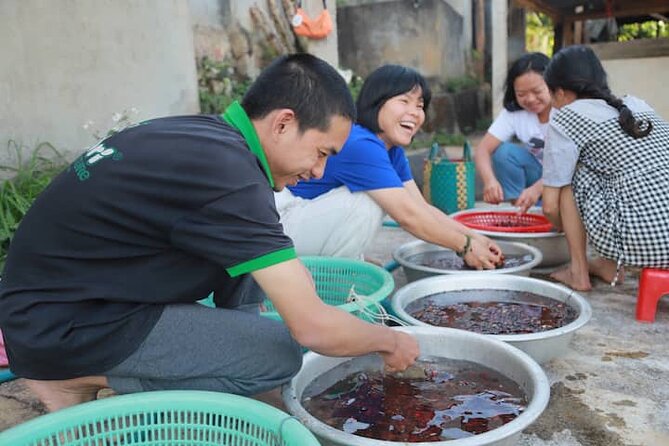
- Roast your own coffee beans: you’ll handle the process, not just watch it
- Five farm coffees to compare: including Robusta natural and Arabica wash from the same grower
- Processing method affects flavor: you’ll learn how natural vs wash changes the cup
- Taste Light, Medium, and Dark: roast level is treated as a real flavor tool
- Finish with your own Phin coffee: traditional brewed coffee made by you
- Small group size (max 10): easier questions and more time at the tasting table
Coffee class setup at HuyEco Coffee Farm in Da Lat City
This experience meets at HuyEco Coffee Farm, located at Hẻm 29 Đường 3/4, Phường 3, Đà Lạt, Lâm Đồng 66000, Vietnam. It runs for about 1 hour, and the tour ends back at the starting point.
Because it’s capped at 10 travelers, you’re likely to feel more like a small workshop than a big group show. That matters for coffee. Taste improves when you can ask the obvious questions: why something smells a certain way, what a processing method typically does, and how roast decisions show up in the cup.
You’ll also get a mobile ticket, which is a small but real convenience in a city where you may be walking a lot between stops. In practice, I’d plan to arrive a few minutes early so you can get settled and start with the first explanation without rushing.
Five farm coffees: Arabica and Robusta with different processing
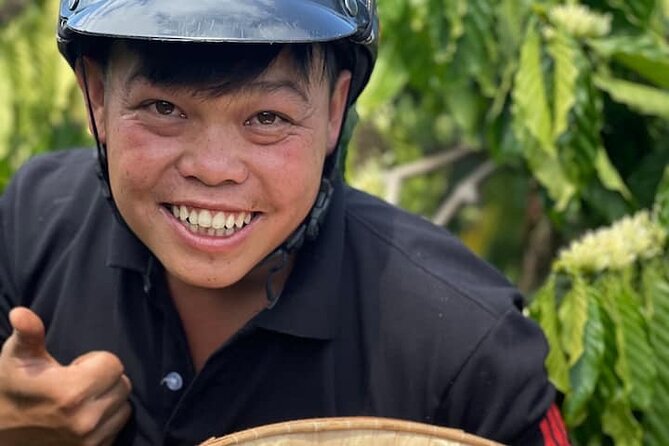
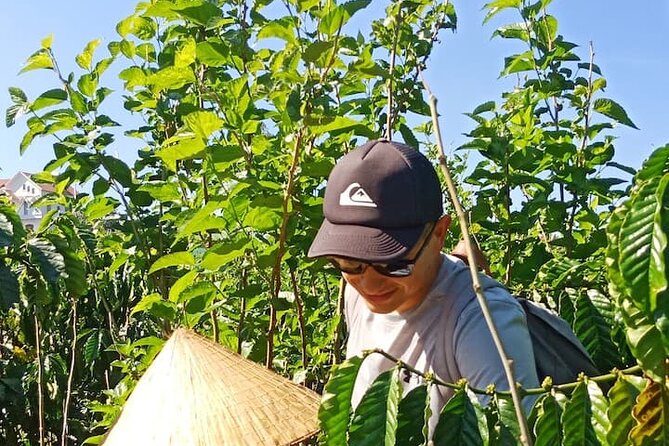
The core idea here is simple: you’re tasting coffee that comes from the farm and learning what changes the flavor. The host is a sustainable coffee farmer who walks you through how the coffees are grown and processed, then how roasting and brewing can control the final cup.
You’ll explore five types of coffee from the farm, including both Arabica and Robusta, with different processing and roasting approaches. From the coffee list provided, you’ll definitely cover:
- Robusta Vietnam with Natural Process
- Arabica Vietnam with Wash Process
- Arabica Vietnam with Natural Process
The remaining two are described as other farm varieties within that same framework of processing and roast control. Even without seeing the exact labels ahead of time, the structure is what you care about: each cup is meant to teach you how method changes taste.
Here’s the practical takeaway. If you’ve ever had Vietnamese coffee that tastes sour, harsh, or overly mixed with sugar or condensed milk, this class is your chance to reset your expectations. The goal is to taste the coffees closer to their original character—so you can notice things like fruitier notes versus cleaner sweetness, and heavier body versus more lifted flavors.
How roasting Light, Medium, and Dark changes what you taste
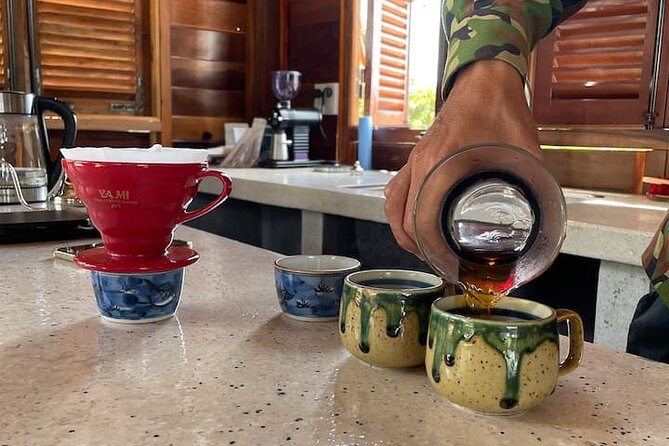
After the setup and explanations, you’ll roast the beans yourself. That sounds a little dramatic, but it’s genuinely useful. When you roast, you stop treating coffee like magic. You start treating it like chemistry plus timing.
The experience uses roast levels as a teaching tool. You’ll taste across Light, Medium, and Dark Roast, and the instruction connects those roast choices to what you’ll notice in the cup.
Why this is valuable: roast doesn’t just “make it stronger.” It changes how aroma develops, how acidity shows up, and how the flavor profile shifts from more delicate expression toward deeper, sometimes more smoky or heavy characteristics. In a 60-minute workshop, you won’t memorize roasting curves—but you will build a clear personal reference point: This roast level tastes like this to me.
I also like that this isn’t only theory. You’re controlling part of the process and then tasting the result in a guided way. That makes it easier to carry the lesson home if you ever roast at a small scale, or even if you just choose different roast levels when buying beans.
Brewing practice and tasting: compare, then build a personal preference
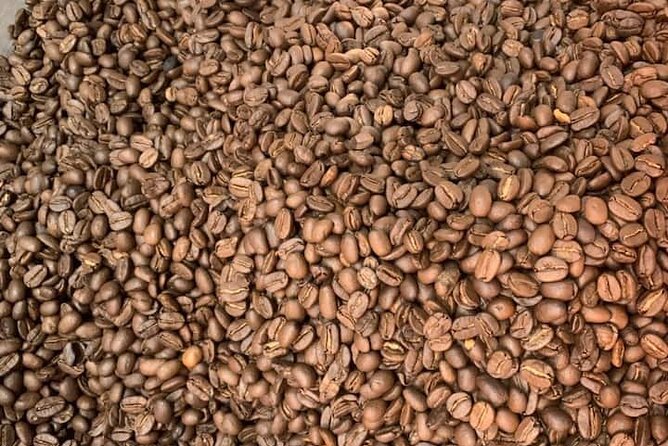
Once roasting is done, you’ll taste the coffees using different brewing techniques alongside those roast levels. The format is basically comparison tasting, and comparison is where the learning clicks.
You’ll go cup to cup, and the host will connect what you taste back to processing and roasting choices. That’s important because people often try to remember coffee flavors as vague impressions—chocolatey, nutty, fruity. In this kind of tasting, you start getting more specific. You notice how a natural-process Robusta might differ in weight or fruitiness from a washed Arabica. You also begin to understand why two coffees can be from Vietnam and still taste very different.
Here’s my practical advice for getting the most from this part: don’t rush to pick a favorite after the first sip. Instead, treat each cup like a new experiment. Ask yourself what changed: aroma, sweetness, acidity, body, or finish. You’ll find it’s easier to spot patterns once you compare rather than react.
Also, because you’re in a small group, you can usually get your questions answered on the spot. If something in a cup puzzles you, this setup is good for clearing it up immediately instead of letting it fade.
Making your own traditional Phin coffee while watching the city
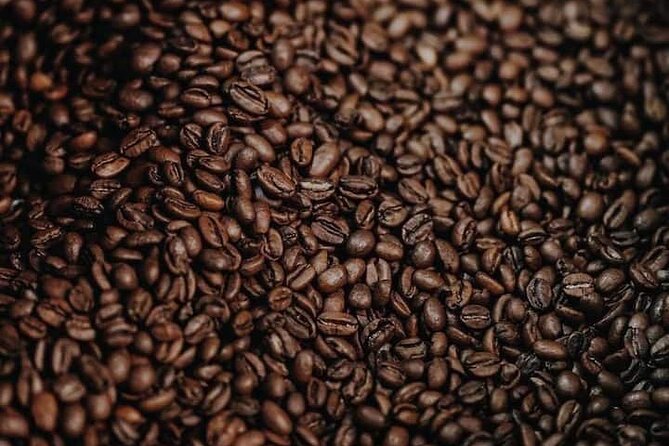
The final step is hands-on and very Vietnamese: you’ll make your own cup of traditional Phin coffee while watching the city.
This part is more than a fun ending. It turns the tasting lesson into something you can actually do later. You’ve spent time learning how processing and roasting affect flavor—then you brew in a style that many visitors associate with Vietnamese coffee culture.
Even if you already know how Phin brewing works, you’ll likely enjoy seeing it through a more flavor-focused lens. Instead of thinking only about strength or sweetness, you can think about how your roasted beans choice and brew result are connected.
And yes, having it happen while you look out at the city adds a calm, grounding finish. You get to stop analyzing and just enjoy what you made.
Why this is good value at about $21 per person
Pricing for a class like this can range from “tasting only” to “full workshop.” Here, you’re paying for a mix of explanation and real participation: you’ll explore multiple coffees from the farm, roast the beans yourself, taste across roast levels, try different brewing techniques, and then brew your own Phin.
At $21 per person for roughly one hour, the value comes from how much is included in that time window. You’re not only sampling coffee—you’re learning the levers that shape flavor: processing method, roasting level, and brewing approach. That’s the kind of lesson that tends to stick because you connect it to what’s in the cup.
The small group limit (max 10) also supports the value. You’re more likely to get specific answers rather than being one voice in a crowd.
If you’re the type of person who likes coffee, but gets annoyed by tours that move too fast or feel scripted, this workshop format is usually a good fit.
Who should book the specialty coffee experience in Da Lat
You’ll likely enjoy this most if you:
- Want to taste Vietnamese Arabica vs Robusta without assuming they all taste the same
- Care about coffee quality and want it explained in plain, practical terms
- Like hands-on learning (roasting, then brewing) more than passive watching
- Enjoy comparing roast levels and brewing approaches with guided support
It also works well if you’re traveling with a small group or as a solo traveler who wants a friendly, structured activity. The experience is designed for a limited number of people, which usually keeps it personal.
If your idea of a perfect coffee day is a long outing with hours of farm walking and large-scale production, you might prefer a longer format. Here, the focus is clearly on the tasting and process control.
A few practical considerations before you go
Because the experience is about one hour, your time is intentionally concentrated. Don’t expect a full itinerary of extra stops or multiple long breaks. The whole point is to compress learning and tasting so you leave with a clear memory of how the cups differed.
Also, since you’re roasting and brewing, you’ll want to show up with a basic openness to trying several cups. If you only want one coffee and you hate the idea of comparison tasting, this format may feel like more variety than you need.
Finally, the experience is tied to the coffee shop and farm setup in Da Lat City. If you prefer tours that are heavy on scenic viewpoints or lots of outdoor wandering, you might want to pair this with a separate sightseeing plan.
Should you book this Da Lat specialty coffee experience?
If you want a short, high-impact coffee lesson, I’d say yes. This is one of those activities where you actually leave knowing what to taste for. The combination of farm-sourced coffees, roasting your own beans, and then brewing your own Phin makes it more than a tasting session.
Book it if:
- You enjoy learning through doing
- You want to understand how processing and roast level shape flavor
- You like small-group, Q&A-friendly experiences
Skip it (or consider something else) if:
- You only want a quick sample and zero hands-on work
- You’re expecting a long, sprawling farm trek
- You’re not interested in trying multiple roast levels and methods
If you land in Da Lat with curiosity and a good appetite for coffee comparisons, this one-hour workshop gives you a lot to work with—straight from the source, in a format built for real flavor understanding.
FAQ
Where is the meeting point?
The experience starts at HuyEco Coffee Farm, Hẻm 29 Đường 3/4, Phường 3, Đà Lạt, Lâm Đồng 66000, Vietnam.
How long does the coffee experience take?
It lasts about 1 hour.
How much does it cost?
The price is $21.00 per person.
How many people are in the group?
The tour/activity has a maximum of 10 travelers.
What kinds of coffee will I learn about and taste?
You’ll explore 5 types of Vietnam coffee from the farm, including Arabica and Robusta, with different processing methods and roasting approaches.
Which processing types are specifically mentioned?
The experience includes Robusta with Natural Process, Arabica with Wash Process, and Arabica with Natural Process.
Do I roast the coffee beans myself?
Yes, you roast the coffee beans yourself.
What is the final coffee you make at the end?
You make your own cup of traditional Phin coffee.
What is the cancellation policy?
Free cancellation is available up to 24 hours in advance for a full refund. If you cancel less than 24 hours before the start time, the amount you paid is not refunded.