REVIEW · CORAL BAY
Coral Bay 3-Hour Turtle Ecotour
Book on Viator →Operated by Coral Bay Ecotours · Bookable on Viator
Sea turtles show up fast here. This 3-hour Coral Bay ecotour uses a glass-bottom boat (Nhanya-Ku) plus guided snorkel stops to help you see turtles feeding, coral, and fish without guessing where to go. I also like that the crew talks through the local turtle behavior and the marine ecosystem while you ride and look down through the boat.
I love the practical setup: you meet close to the water, walk a short distance to the boat, then spend your limited time at two selected sites instead of wandering around. One thing to keep in mind is boat access during the water time—at least one older passenger found getting out of the stern tricky without extra help, so consider your comfort with steps and getting in and out.
In This Review
- Key Highlights You’ll Care About
- Entering The Coral Bay Marine World From Peoples Shopping Village
- Nhanya-Ku: Glass-Bottom Views Without Waiting for Perfect Conditions
- Two Snorkel Sites: Why This Tour Uses Stops Instead of One Big Chance
- Turtle Time: How the Crew Improves Your Chances
- Coral and Fish Feeding: What Actually Makes the Stops Worth It
- Snorkeling Comfort: Wetsuits, Water Time, and Boat Access
- Timing, Group Size, and the Pace of a 3-Hour Tour
- Price and Value: What $466 Really Covers
- Who Should Book This Turtle Ecotour
- Should You Book This Coral Bay 3-Hour Turtle Ecotour?
- FAQ
- How long is the Coral Bay 3-Hour Turtle Ecotour?
- Where do I meet for the tour?
- What’s included in the price?
- Are wetsuits included?
- Does the tour use a glass-bottom boat?
- How many people are on the tour?
- Is the tour suitable for most travelers?
- What happens if the weather is bad?
- What’s the booking and cancellation timing?
- You May Also Want To Consider
Key Highlights You’ll Care About
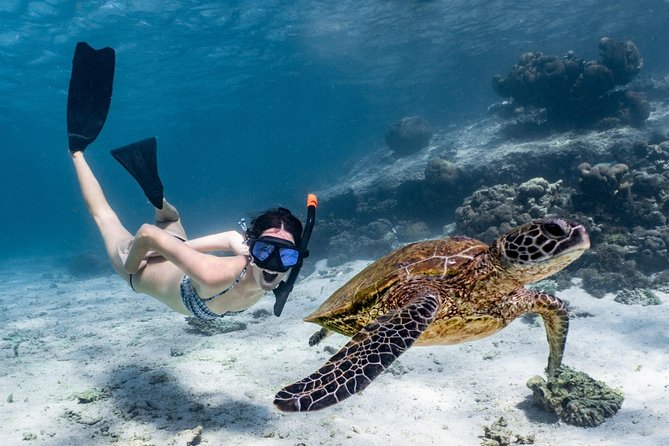
- Nhanya-Ku glass-bottom viewing that lets you check coral and fish without having to snorkel the whole time
- Two specially selected sites for coral viewing, fish feeding, and snorkel time
- Local turtle-spotting know-how that improves your odds of seeing turtles in their natural feeding areas
- Drinks included (plus coffee and/or tea) so you stay hydrated during the full outing
- Small-boat feel with a max of 30 travelers, which keeps the tour from feeling like a stampede
- Cruise to places you can’t reach from shore, so your time is spent where the wildlife is
Entering The Coral Bay Marine World From Peoples Shopping Village
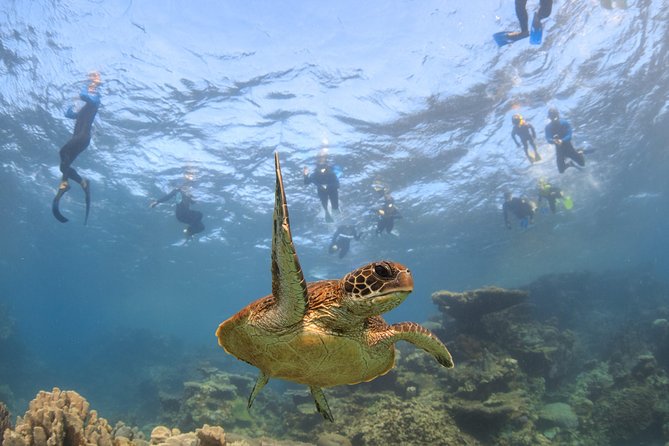
The tour starts at Coral Bay EcoTours in Peoples Shopping Village at 4 Robinson St. Plan to arrive about 15 minutes early so you can check in, meet your escort/host, and get guided to the beach departure area in front of the shop.
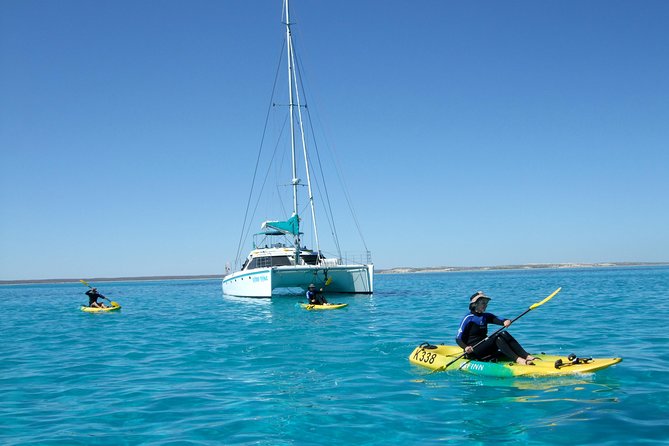
From there, it’s a short 2–3 minute walk to the custom-built boat, the Nhanya-Ku. That matters more than it sounds. In places like Coral Bay, every bit of time counts because the sea can change and good viewing happens when you’re in the right spots. This tour is built to get you out on the water quickly, then start showing you marine life right away.
You’ll get a mobile ticket, and confirmation is provided at booking time. The tour runs about 3 hours, so it’s a manageable chunk of your day—long enough to do two marine sites, but not so long that you feel cooked if conditions shift.
Nhanya-Ku: Glass-Bottom Views Without Waiting for Perfect Conditions
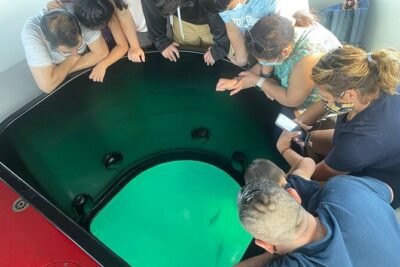
One of the most useful parts of this tour is the glass-bottom boat. You’re not stuck waiting for everyone to line up for snorkels or for visibility to be ideal above water. From the boat, you get clear views of marine life below the surface while the crew handles the navigation and points out what you’re seeing.
Even if you’re not an experienced swimmer, this setup helps you stay connected to the main action: coral, fish, and the general habitat turtles use. The crew also answers questions about turtles and the wider ecosystem as you cruise. That adds context, not just scenery.
A big practical win: you’re going somewhere you can’t reach by wading or shore-hopping. The tour description is blunt about it—areas you want to see are inaccessible without a boat—so your best chance comes from going out, then using local guidance to time your viewing.
And yes, it’s a turtle tour, but you shouldn’t ignore the extras. Coral viewing, fish feeding, and snorkeling at two selected stops means you’re not betting everything on a single sighting window.
Two Snorkel Sites: Why This Tour Uses Stops Instead of One Big Chance
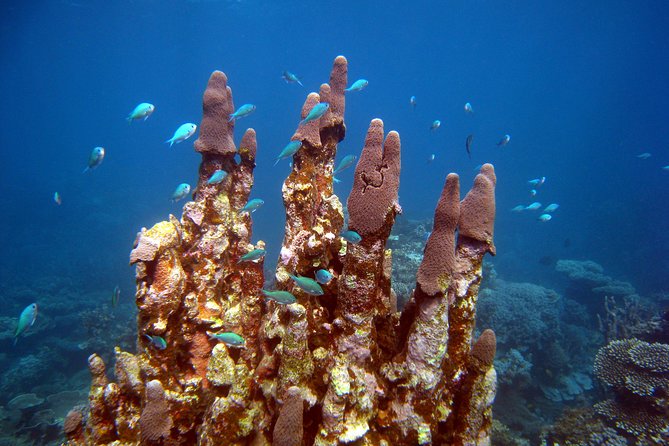
This outing includes two specially selected sites for coral viewing and snorkeling. That structure is smart for your odds. In turtle country, even the best guide can’t control what’s in the water at any exact moment—but multiple stops increase the chances you’ll hit wildlife activity and good viewing.
At the sites, you’ll do a mix of:
- Coral viewing (with help from the boat’s glass-bottom perspective)
- Fish feeding (which can draw marine life closer to where you can see it)
- Snorkeling time at those stops
The tour description emphasizes turtles feeding in natural surroundings. That’s the core theme, and the two-site plan helps you stay in the game long enough to catch it. You can think of it like this: one stop is a single meeting; two stops is your second chance.
If you want a realistic expectation: you’ll likely see coral and fish at both stops, and you may get snorkel time that lines up with turtle activity. One helpful signal from the experience: at least one participant reported seeing turtles within the first 10 minutes, and also reported swimming with a turtle during the snorkel. That doesn’t mean it’s guaranteed, but it shows the tour is set up so that early action is possible, not just later.
Turtle Time: How the Crew Improves Your Chances
Turtles are the headline, but the reason this works is local knowledge. The tour is built around the idea that finding the best turtle viewing spots is hard without guidance. Here, the crew’s job is to take you straight to where turtles are often seen and to show you how to look for them while they feed.
You’ll get insight into local turtle species and behavior, not just a generic wildlife talk. That matters because turtles aren’t always visible the way you expect. Sometimes it’s about where they surface, how they move through habitat, and what’s happening in the feeding zone.
The experience also seems to handle tough environmental questions with directness. One participant specifically noted that the crew did not gloss over coral bleaching when asked. If you’re the type who wants the real story—not just postcards—that honesty is a big value add.
Guides can make or break wildlife tours. In the feedback, Jessie and Oliver were singled out as fantastic: friendly, strong at their jobs, and making the experience memorable. Even if your guide is different, that kind of crew energy tends to translate into better scanning, clearer instructions, and fewer wasted minutes while everyone’s still figuring out what they’re looking for.
Coral and Fish Feeding: What Actually Makes the Stops Worth It
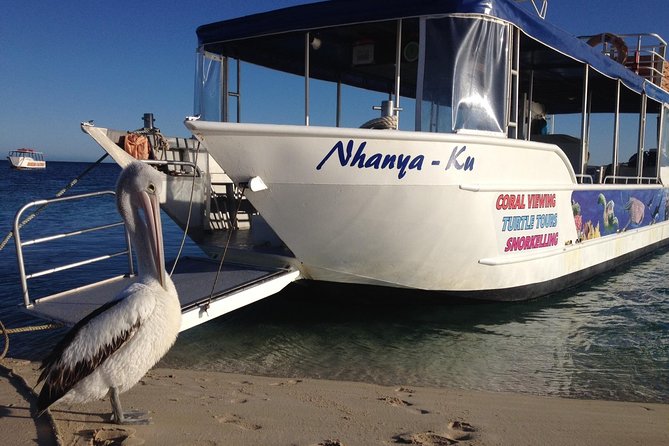
Even though turtles are the star, the coral and fish elements are what make the tour feel complete. Coral Bay’s underwater world isn’t a single-ticket show. It’s habitat—structures turtles and other marine life use, and places where fish activity makes the water feel alive.
The tour includes fish feeding as part of the planned viewing at the sites. That’s not just for fun. From a viewing standpoint, food can draw fish into areas where you can spot them more easily. That also makes the snorkel experience more varied because you’re not only staring at rocks and hoping something moves.
Because the boat is glass-bottomed, you can also enjoy the coral and fish without always committing to a full snorkel session. You can stay relaxed, keep your bearings, and decide when you want to put your face in the water.
One more practical piece: drinks are included. That helps you keep your energy up while you’re waiting, scanning, and switching between boat and water time. When you’re out for a few hours, hydration changes how pleasant it feels.
Snorkeling Comfort: Wetsuits, Water Time, and Boat Access
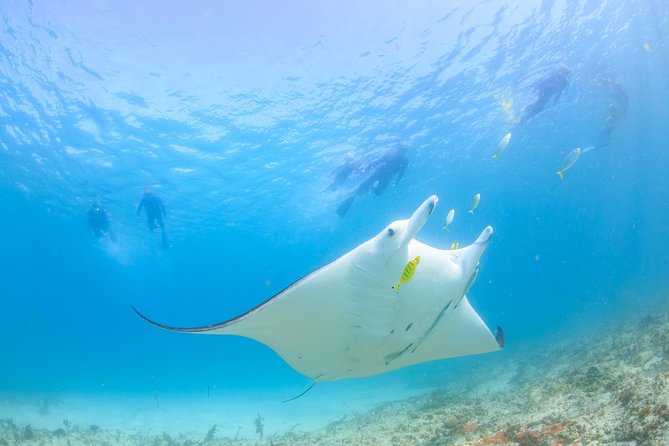
This tour does include beverages, but wetsuits are not included. If you run cold in the water or you’re sensitive to cooler temps, plan ahead. Even if you only snorkel for short stretches, being comfortable affects how much you actually enjoy the moment.
Also think about how you’ll handle getting in and out. One review mentioned difficulty for an older passenger getting out of the stern and suggested a rail could help. That’s a real-world caution. If mobility is a concern for you, it’s worth considering:
- whether you’re comfortable with steps or short climbs
- whether you’ll need extra support from the crew
- whether snorkel time is truly your priority, or if glass-bottom viewing plus watching from the boat might suit you better
Good news: the crew is there to guide you, and the tour is described as organized. Still, this isn’t a lazy pool float. It’s a working marine experience with real transitions from boat to water.
If you’re new to snorkeling, don’t panic. The benefit of this tour is that you’re not on your own. The boat provides constant underwater viewing, and the crew’s job is to manage the timing so you spend your effort where it counts.
Timing, Group Size, and the Pace of a 3-Hour Tour
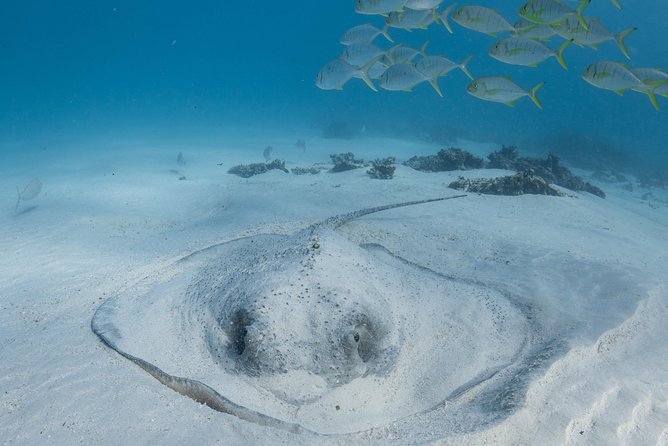
The tour runs about 3 hours and caps at 30 travelers. That’s the sweet spot for a boat-based wildlife outing. Big groups can turn scanning into a blur. Smaller groups help the crew manage instruction and keep everyone moving at a steady pace.
The rhythm is simple:
1) check-in at the shop area
2) walk to the boat
3) cruise and briefing with ongoing explanations
4) reach the first snorkeling/coral site
5) repeat at the second site
6) return to the meeting point
Because the itinerary is built around two sites, you’re not stuck waiting around for one long window. It feels like a concentrated plan, which helps if you only have a limited amount of time in Coral Bay.
Drinks included (plus coffee and/or tea) add comfort during the cruise. That’s not flashy, but it makes a difference when you’re out on the water and time is moving.
Price and Value: What $466 Really Covers
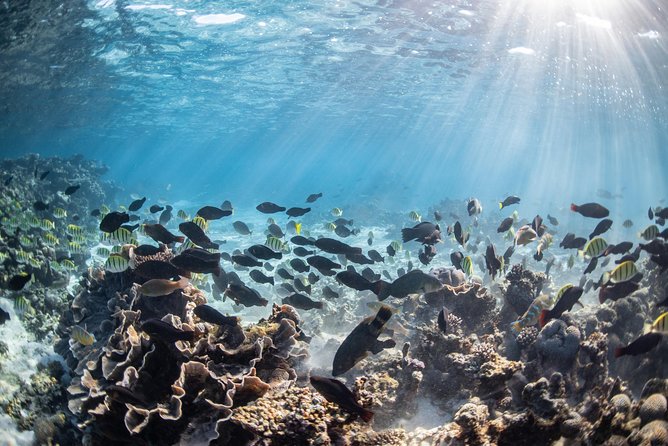
Let’s talk money plainly. The tour costs $466 for a roughly 3-hour outing. That’s not “budget” pricing, so you should judge it based on what you’re getting—not just the turtle label.
Here’s what you actually receive that you can’t easily replicate on your own:
- a custom-designed glass-bottom boat (Nhanya-Ku)
- guidance from a crew that knows where turtle sightings are more likely
- two selected sites with snorkeling, coral viewing, and fish feeding
- drinks included, plus coffee and/or tea
- tour escort/host and GST included
Also consider the hidden costs if you DIY it. Reaching the right marine areas, timing snorkeling, and finding turtle feeding zones is exactly the hard part that this tour removes. If you’re traveling from farther away or you don’t have local boat knowledge, you’re often paying to save effort, uncertainty, and time.
So is it worth it? If turtles are your goal, and you prefer a structured plan with local guidance, this pricing starts to make sense. If you mainly want casual snorkeling without guidance, you might feel the cost more than the value. In that case, look at your own priorities: turtle odds and curated marine stops, versus open-water freedom.
Who Should Book This Turtle Ecotour
This tour fits best if you want all of these at once:
- you care about turtles, not just snorkeling
- you like getting explanations while you view wildlife
- you want access to areas that are hard to reach without a boat
- you’d rather let the crew handle the timing than gamble on random spots
It also makes sense for couples, small groups, and people who want a fun activity that still feels educational. If you’re a confident swimmer, snorkeling time can be a highlight. If you’re not, the glass-bottom viewing keeps the experience valuable even when you stay mostly on the boat.
One more match: if you’re asking real questions about the marine environment, the crew’s willingness to address coral bleaching when asked is a good sign. You’ll get more than surface-level talk.
Should You Book This Coral Bay 3-Hour Turtle Ecotour?
If your top goal is seeing turtles in the right places—and you want to maximize your odds with local guidance—this is a strong choice. The combination of Nhanya-Ku glass-bottom viewing, two planned marine sites, and fish feeding support makes the tour feel efficient. The included drinks are a small comfort, but they help keep the experience smooth.
I’d hesitate if you know you’ll struggle with boat boarding or water transitions, given that at least one older passenger found stern access difficult. Also, remember wetsuits aren’t included, so plan accordingly if you get cold.
Overall: this is a purpose-built turtle experience, not just a quick boat ride with a chance of wildlife.
FAQ
How long is the Coral Bay 3-Hour Turtle Ecotour?
It runs for about 3 hours.
Where do I meet for the tour?
Meet at Coral Bay EcoTours Peoples Shopping Village, 4 Robinson St, Coral Bay WA 6701, Australia. The tour ends back at the same meeting point.
What’s included in the price?
Included items are the tour escort/host, GST, beverages, and coffee and/or tea.
Are wetsuits included?
No. Wetsuits are not included.
Does the tour use a glass-bottom boat?
Yes. The tour is operated on the custom-designed glass-bottom boat Nhanya-Ku.
How many people are on the tour?
Maximum group size is 30 travelers.
Is the tour suitable for most travelers?
The information says most travelers can participate.
What happens if the weather is bad?
The experience requires good weather. If it’s canceled due to poor weather, you’ll be offered a different date or a full refund.
What’s the booking and cancellation timing?
You receive confirmation at booking. You can cancel for a full refund up to 24 hours in advance of the experience start time.
You May Also Want To Consider
If turtles are a must-do for your Coral Bay trip, book early enough to match your schedule with good weather. Bring what you need for comfort (including your own wetsuit if you want one), and be honest with yourself about water comfort and how you’ll handle getting in and out of the boat. Then let the crew do the hard part: finding the spots where marine life is most likely to show up.