REVIEW · CAPE MAY
Whale Dolphin and Bird Watching Ecotour Cruise
Book on Viator →Operated by Cape May Whale Watch & Research Center · Bookable on Viator
A science lesson on the open sea. This Cape May cruise blends marine biologist guidance with dolphin, whale, and bird watching, plus a touch tank that keeps the learning going even before big animals appear.
I especially like the mix of close-to-shore searching and a later offshore run, so you’re not staring at the same water forever. The onboard explanations make the wildlife easier to spot and understand, which turns a boat ride into a real nature outing.
For me, the best value is that you’re not paying for hoping. The tour includes a guided marine mammal experience with guaranteed marine mammal sightings, plus hands-on science interaction. One thing to weigh: while baleen whales are part of the search, sightings are wild and can vary by day, so expect dolphins and seabirds to be your more reliable highlights.
In This Review
- Key things to know before you go
- A 1:30 pm Cruise That Fits Real Life in Cape May
- Dolphins Near Shore, Then Offshore for Baleen Whales
- Marine Biologists On Board (and Why That Changes Everything)
- The Touch Tank Experience With Live Local Sea Creatures
- Birds and Wildlife-Spotting Without the Guesswork
- Price and Value: What You’re Really Paying For
- Weather, Seas, and Setting Smart Expectations for Whales
- Who This Cruise Is Best For (and Who Might Want a Different Plan)
- Should You Book This Cape May Whale, Dolphin, and Bird Watching Cruise?
- FAQ
- Where is the meeting point for this cruise?
- What time does the whale dolphin and bird watching cruise start?
- How long is the experience?
- How much does it cost?
- Is this tour in English?
- What’s included in the ticket price?
- Are food and drinks included?
- Does the cruise guarantee whale sightings?
- What happens if weather is poor?
- How big is the group?
Key things to know before you go
- Marine biologist guided tour that focuses on what you’re seeing and why it matters
- Guaranteed marine mammal sightings, even if baleen whales don’t show up
- Coastal Atlantic bottlenose dolphin search near Cape May, then an offshore run
- Touch tank with live local sea creatures, plus a kid-friendly interaction at times
- Bird watching included, with chances for species like osprey and bald eagle
A 1:30 pm Cruise That Fits Real Life in Cape May
This outing runs about 3 hours and starts at 1:30 pm at Rt-109 at Schellenger Landing, Lower Township, NJ 08204. You’ll head out from Cape May waters and come back to the same meeting point at the end, which makes it easy to plug into a vacation day without complex logistics.
I like that the experience uses a mobile ticket and keeps things simple: confirmation comes at booking time, it runs in English, and the vibe is casual but purposeful. The boat also caps at a maximum of 149 people, which matters when you want room to move around and actually see what’s happening outside instead of being stuck in one spot.
Practical note: parking fees are included, which is one less surprise cost. Food and drinks are available onboard (bar and galley), but you’ll want to plan to purchase those separately since nothing is included in the ticket price.
You can also read our reviews of more tours and experiences in Cape May.
Dolphins Near Shore, Then Offshore for Baleen Whales
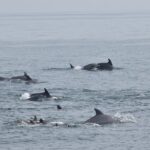
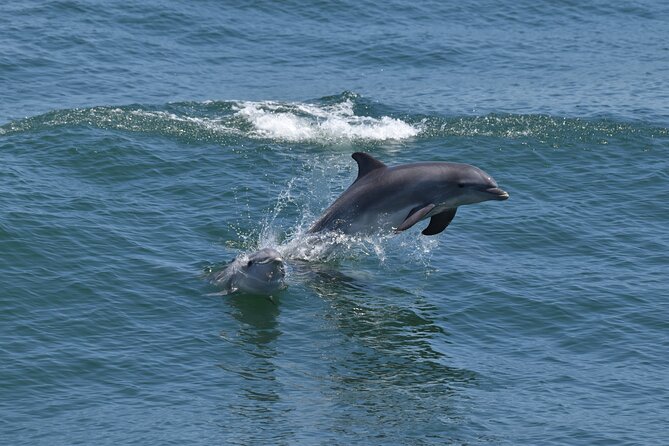
The cruise is set up in a way that gives you two different “looks” at wildlife. First, you start along the shoreline from Cape May, searching for coastal Atlantic bottlenose dolphins. That matters because dolphins often travel and surface closer to where you can watch and learn from the boat, and the ship’s crew can point out what they’re looking for.
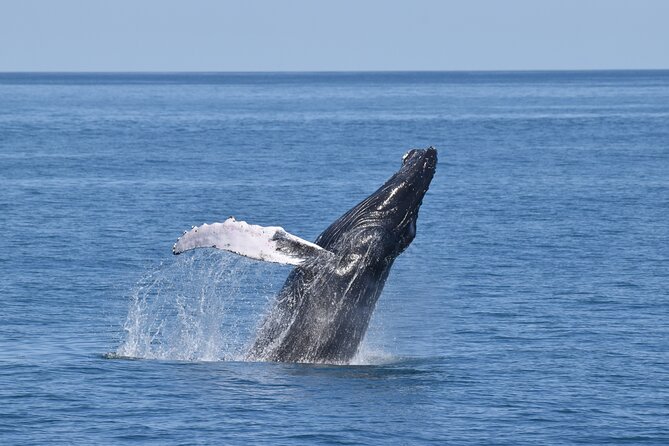
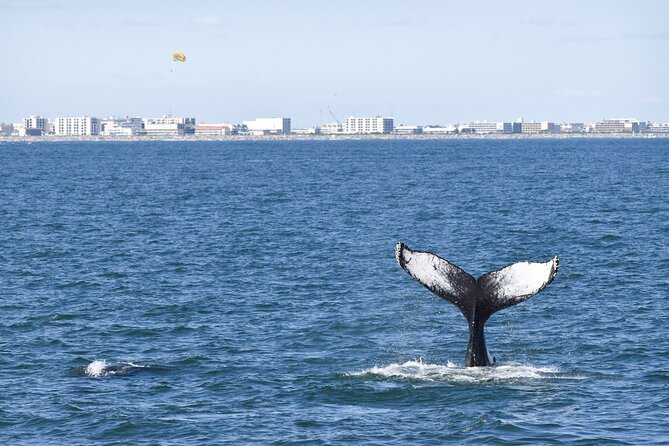
After that, the cruise goes offshore in search of migratory baleen whales. This is where expectations need a little patience. Baleen whales are wild animals, and ocean conditions and movement patterns can shift what you see. The upside is that the boat doesn’t treat whale watching like a waiting game only—the marine biologist-led instruction keeps you focused on spotting signs in real time.
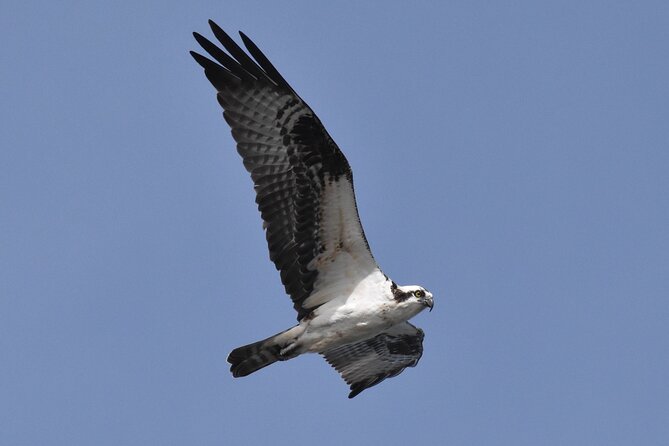
Bird life joins the fun along the way. People have reported osprey and even a bald eagle, and birds are one of those bonuses that make an afternoon feel like it’s flying by. If you enjoy natural “where to look” moments, you’ll like how the cruise pairs wildlife searching with explanation.
Marine Biologists On Board (and Why That Changes Everything)
The ticket isn’t just for time on the water. It includes a marine biologist guided tour, hands-on educational interaction, and guaranteed marine mammal sightings. That combo is the key: you’re learning how to interpret the ocean, not just watching from the rail.
When a trained scientist is on board, you tend to get better answers fast:
- what the crew sees as patterns in movement and surfacing
- how different marine animals behave differently
- what to watch for so spotting isn’t pure luck
The reviews back up that the science portion isn’t dry. Multiple outings praised the naturalists and onboard staff for helping people find animals and understand what they were looking at—whether it turned into whales that day or stayed with dolphins and other sea life.
One more value point: the cruise includes both marine mammal searching and a structured educational experience, so even if whales don’t show, the trip still works as a learning experience.
The Touch Tank Experience With Live Local Sea Creatures
This is one of the most distinctive parts of the tour. You get an interactive touch tank experience with live local sea creatures. That’s not just a fun add-on—it’s a clever way to connect what you learn onboard to real animals you can feel (with staff guiding the interaction).
You’ll also want to know this is timed into the experience so there’s something to do while the boat is looking offshore. One review mentioned that there’s a small petting experience for kids during whale-search time, which helps make the cruise feel less like an adult-only wait.
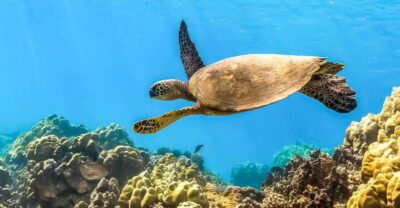
What might you see in the touch tank? The info says it’s live local sea creatures, but exact species aren’t listed for the touch pool. Still, the same trips have included sightings such as sea turtles and stingrays, so the theme is consistent: the ocean life you learn about isn’t just theoretical.
If you’re traveling with kids or anyone who needs hands-on learning, the touch tank is a big reason this tour earns its strong rating.
Birds and Wildlife-Spotting Without the Guesswork
Bird watching is part of the package, and it’s not treated like a side quest. The crew helps you look—people have specifically mentioned getting guidance on where to look for sea life and seeing multiple bird species from the boat.
This is where the “marine biologist + boat” format pays off. Instead of scanning on your own with no context, you get direction for what to track. Seabirds can also be useful clues: where birds gather, the ocean food web is often active, which can line up with dolphins or other marine life.
From provided accounts, birds spotted include osprey, and at least one outing included a bald eagle. Even when whale sightings don’t happen, birds keep the cruise feeling full and active instead of quiet.
If you’re the type who enjoys moments like: there’s something happening out there, and now I know what it might mean—this part will land well.
Price and Value: What You’re Really Paying For
At $50 per person, this cruise can feel like a bargain if you factor in what’s included. Your ticket covers:
- marine biologist guided tour
- guaranteed marine mammal sightings
- hands-on scientific educational interaction
- touch tank with live local sea creatures
- parking fees
Now, the parts you should budget for separately: food and drinks. A full galley, bar, and gift shop are onboard, and they accept cash or credit card. If you want snacks or a drink, bring spending plans accordingly.
So does $50 make sense? In my view, it’s a good price for a structured, science-led wildlife cruise—especially because you’re not just buying a generic boat ride. The educational component and the touch tank turn it into an experience you can actually talk about later, not just a one-and-done photo stop.
Weather, Seas, and Setting Smart Expectations for Whales
This experience depends on weather. That’s not a marketing line—it’s a real operational requirement. The tour is stated to require good weather, and if it’s canceled due to poor conditions, you’ll be offered a different date or a full refund.
Because baleen whales are the big target, it’s worth saying plainly: whale sightings can vary. Some outings include humpback whales and plenty of dolphins, while others may focus on dolphins and birds only. Either way, the important point for your planning is the guarantee: the cruise includes guaranteed marine mammal sightings, so the trip is designed to produce marine life even when baleen whales aren’t part of the day.
One review even described going about 6 miles into the Atlantic Ocean, which suggests you’re not just cruising slowly in sight of land. You’re making a real run, and that increases the odds of meaningful wildlife encounters.
My practical advice: if you’re booking for whales specifically, keep expectations flexible. If you’re booking for dolphins, birds, and real natural history learning, you’ll likely feel satisfied no matter which animals show up that day.
Who This Cruise Is Best For (and Who Might Want a Different Plan)
This is a strong fit for:
- families who want a mix of boat time and hands-on learning
- wildlife lovers who like learning how to spot animals
- travelers who prefer guided interpretation over “figure it out yourself” nature time
- anyone visiting Cape May who wants an afternoon activity that doesn’t eat the whole day
It’s also practical. The experience allows service animals, is listed as near public transportation, and says most travelers can participate. That doesn’t mean it’s ideal for every situation, but it signals you shouldn’t assume you’re locked out due to standard tour realities.
If you’re the kind of person who gets restless waiting for one species, this itinerary format helps because dolphins are pursued early and birds are part of the ongoing search. You’re not stuck staring at the same question mark.
Should You Book This Cape May Whale, Dolphin, and Bird Watching Cruise?
I’d book it if you want a Cape May ocean outing that mixes wildlife spotting with real science and an interactive touch tank. The marine biologist guided tour plus guaranteed marine mammal sightings are the deciding factors for me, and that’s before you get to the bonus bird watching and the chance of memorable extras like a bald eagle or sea turtles and stingrays on some runs.
I’d hesitate only if your plan is all-or-nothing for baleen whales. Wildlife can be unpredictable, and even strong whale watch cruises can produce a day centered on dolphins instead. If you can accept that you’re purchasing an education-and-encounter experience, not a guaranteed whale sighting, this is a smart use of time.
If you like the sound of an afternoon that’s part field trip, part nature cruise, and part hands-on learning, this Cape May outing is worth the $50.
FAQ
Where is the meeting point for this cruise?
It starts at Rt-109 at Schellenger Landing, Lower Township, NJ 08204, USA.
What time does the whale dolphin and bird watching cruise start?
The start time is 1:30 pm.
How long is the experience?
It lasts about 3 hours.
How much does it cost?
The price is $50.00 per person.
Is this tour in English?
Yes, the experience is offered in English.
What’s included in the ticket price?
Parking fees, a marine biologist guided tour, guaranteed marine mammal sightings, hands-on scientific educational interaction, and an interactive touch tank experience with live local sea creatures are included.
Are food and drinks included?
No. A full galley and bar are available onboard, and there is also a gift shop, but food and drinks are not included in the ticket.
Does the cruise guarantee whale sightings?
The cruise guarantees marine mammal sightings. The search includes baleen whales, but the information provided guarantees marine mammal sightings rather than specifically baleen whales.
What happens if weather is poor?
This experience requires good weather. If it’s canceled due to poor weather, you’ll be offered a different date or a full refund.
How big is the group?
The activity has a maximum of 149 travelers.