REVIEW · DALAT
Experience specialty coffee with sustainable coffee farmers
Book on GetYourGuide →Operated by HuyEco Coffee & Culture · Bookable on GetYourGuide
Fresh coffee, straight from the person who grows it. At HuyEco Coffee & Culture in central Da Lat, Huy walks you through Arabica and Robusta roasting and processing, then you taste Light, Medium, and Dark brews. One thing to plan for: the experience can run from 90 minutes up to 5 hours, and it may get chilly indoors, so pack a light layer.
What I really like is the hands-on finish. You’ll roast your own beans, compare flavors side by side, and end by making classic Phin coffee while you watch the city.
In This Review
- Quick highlights: what you’ll remember
- Entering HuyEco Coffee & Culture in the center of Da Lat
- The coffee flight: 5 coffees, one farmer’s logic
- Hands-on roasting: why this part sticks
- Light, Medium, Dark: tasting without the mystery
- Making Phin coffee: the classic finish (and the view)
- Sustainable coffee, explained in farmer language
- Practicalities that make or break the session
- Duration: 90 minutes to 5 hours
- Small group size (max 10)
- Language: English and Vietnamese
- What’s included: 5 coffee drinks plus the tour ticket
- What’s not included
- What to bring
- Price and value: why $14 makes sense here
- Who should book this, and who might skip it
- Tips to get the most out of your tasting
- Should you book HuyEco Coffee & Culture?
- FAQ
- How much does the coffee experience cost?
- How long does the tour take?
- Where do I meet for the tour?
- Is the tour guide available in English?
- How many people are in the group?
- What’s included in the price?
- What is not included?
- What should I bring?
- Farewell question: Are you a coffee person?
Quick highlights: what you’ll remember
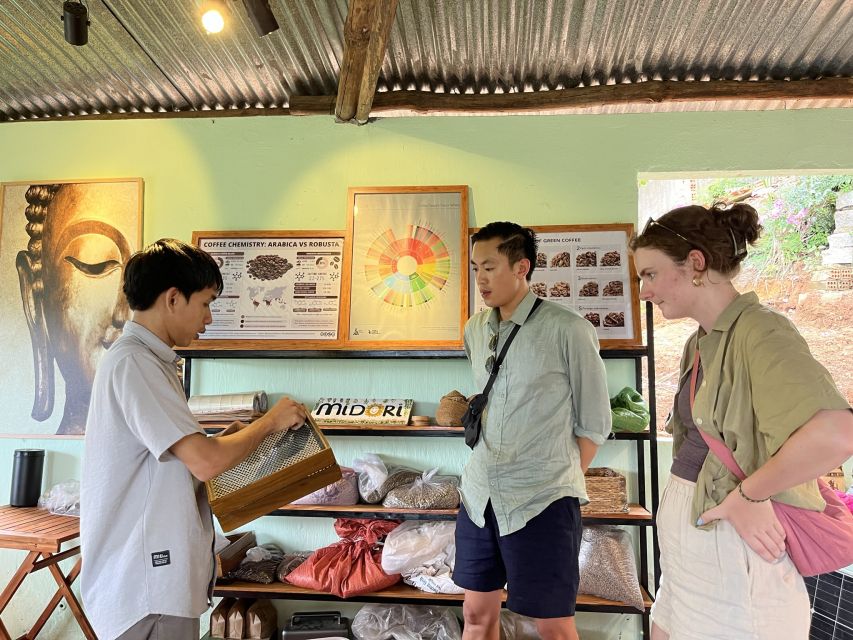
- 5 farm coffees to compare (Arabica and Robusta) with different processing and roasting methods
- Roast your own beans so you can taste how roast level changes everything
- Light, Medium, Dark tasting using different brewing techniques, not one-size-fits-all coffee
- Traditional Phin brewing guided step by step, with a view while you sip
- A small group (up to 10) keeps questions flowing, in both English and Vietnamese
Entering HuyEco Coffee & Culture in the center of Da Lat
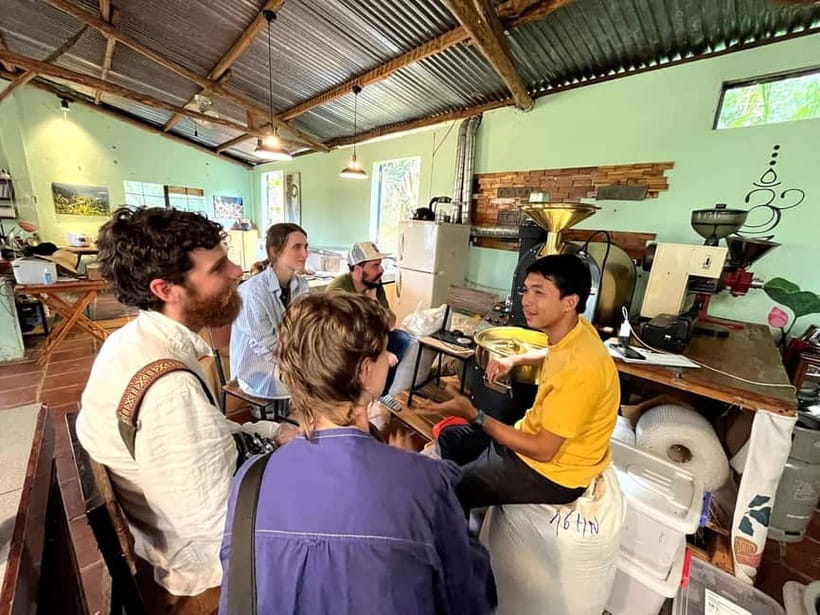
You meet at HuyEco Coffee & Culture, right in central Da Lat. That matters because the “coffee lesson” is easy to plug into a day of walking, grabbing a taxi, or using a booking app—no complicated transfer plan required.
In Google Maps, search the exact name: HuyEco Coffee & Culture. Double-check before you go, because Da Lat has a lot of similar-sounding small businesses.
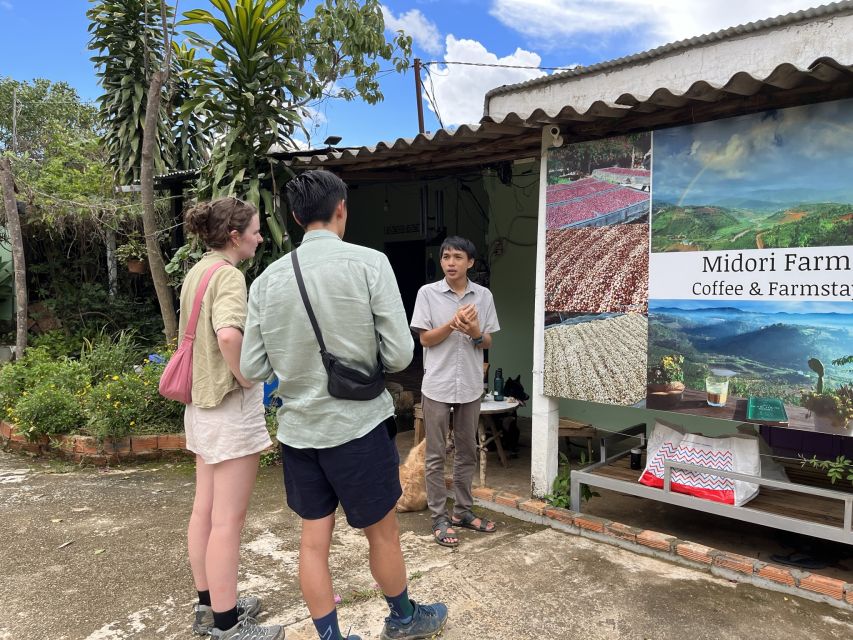
This is also the kind of place where you can feel the owner’s commitment fast. It isn’t just a tasting room. The focus stays on the farmer side of coffee: how it’s grown, how it’s processed, and how roasting and brewing change what ends up in your cup.
You can also read our reviews of more tours and experiences in Dalat.
The coffee flight: 5 coffees, one farmer’s logic
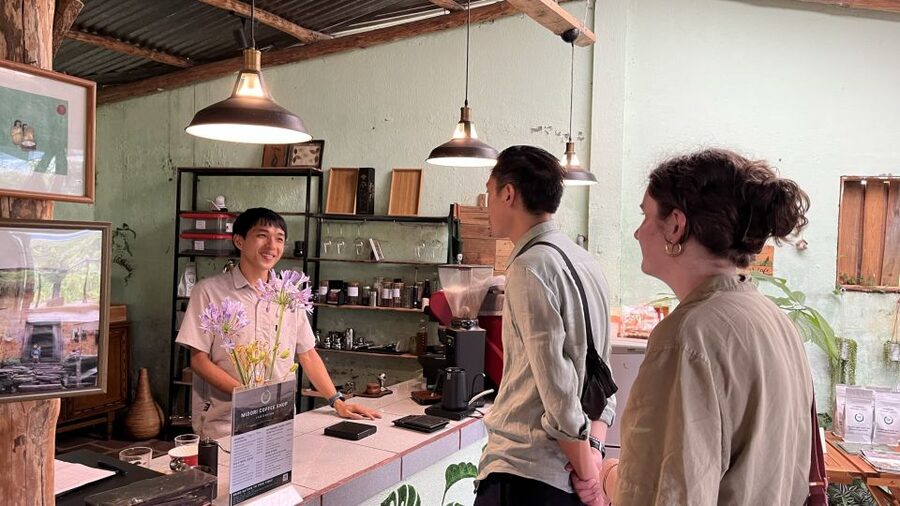
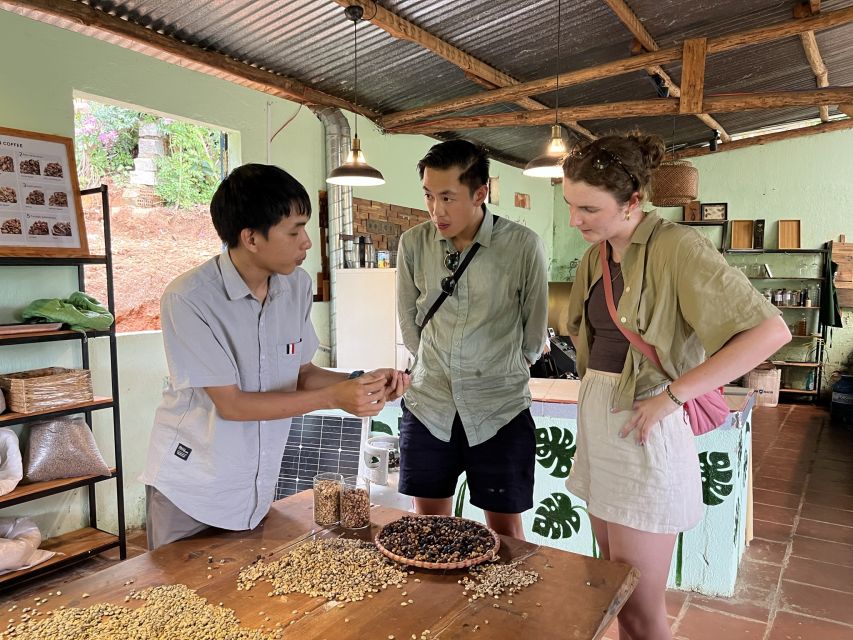
The core of the experience is a guided comparison of the coffees produced by Huy’s farm. You’ll taste five types of coffee, including both Arabica and Robusta. The goal is simple: understand the original character of coffee as farmers make it, without sweeteners or milk covering the story.
Here’s why that matters. In Vietnam, coffee culture often leans toward strong, sweet, and condensed-milk-style drinks. This experience flips the script. You taste sour, sweet, and fruity notes when they’re present, and you learn how those notes change when the beans get processed and roasted differently.
You’ll also hear how processing and roasting shape flavor. Processing is the “before” story—what happens to the coffee after it’s harvested. Roasting is the “during and after” story—how heat develops aroma and changes acidity, sweetness, and bitterness. When you taste multiple coffees back to back, the differences stop being vague and start becoming obvious.
Hands-on roasting: why this part sticks
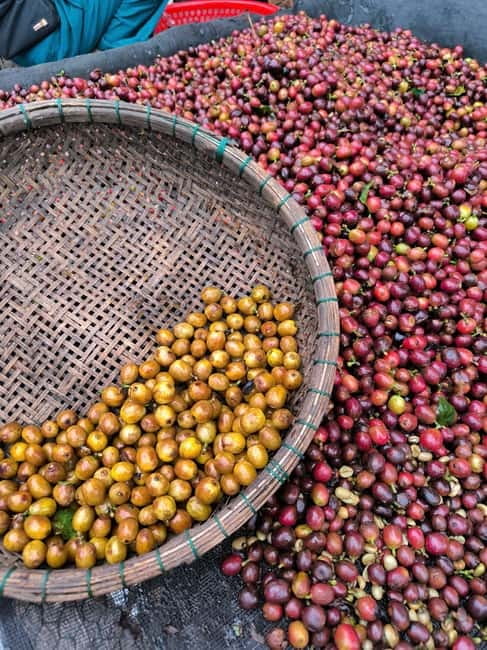
Roasting is the moment you stop being a spectator. You’ll roast the coffee beans yourself, starting from green beans and moving toward the familiar brown you recognize in shops.
This is valuable because roasting teaches you cause-and-effect. A roast that’s too light can taste sharp or thin to some people. A darker roast can bring heavier body and more roasted flavors, but it can also flatten delicate fruitiness. When you roast your own, you feel how quickly the bean can shift.
And it’s not just a fun activity. The tasting that follows connects directly to what you did. When you brew Light, Medium, and Dark roasts afterward, you’re not guessing—you’re comparing with a fresh memory of the bean’s transformation.
In past sessions, the vibe is also relaxed. You’ll likely get plenty of time for questions, not a rushed assembly-line tasting. In a small group (limited to 10), that’s a big quality upgrade.
Light, Medium, Dark: tasting without the mystery
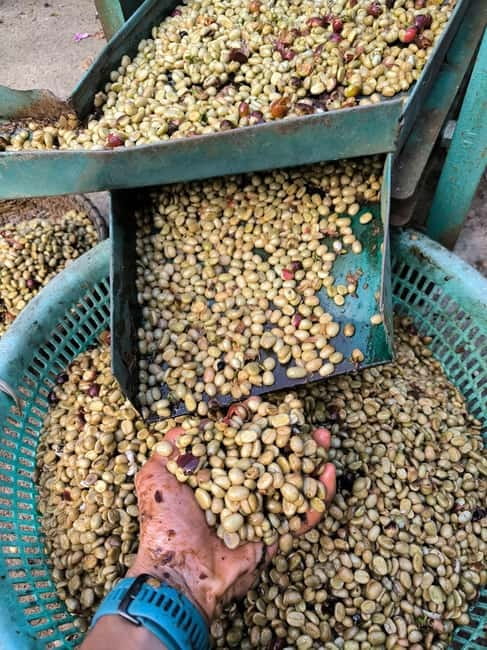
After roasting, you taste the coffees using different brewing techniques and roast levels—Light, Medium, and Dark.
This is where the experience becomes practical, especially if you’re the type who reads coffee labels and wonders what they actually mean. Light roasts often emphasize clarity and acidity, while darker roasts tend to feel heavier and more chocolatey or roasted. But the real lesson is that the flavor you get isn’t only about the roast level. It’s also about how the coffee is brewed.
Brewing technique affects extraction: how much of the coffee dissolves into the water, and how fast. That changes strength and flavor balance. So even if two people buy the same bag, they can end up with very different cups.
If you care about making better coffee at home, this section is gold. You’ll leave with a clearer sense of what to adjust—grind, brewing method, roast preference, and even how you interpret acidity or fruitiness.
Making Phin coffee: the classic finish (and the view)
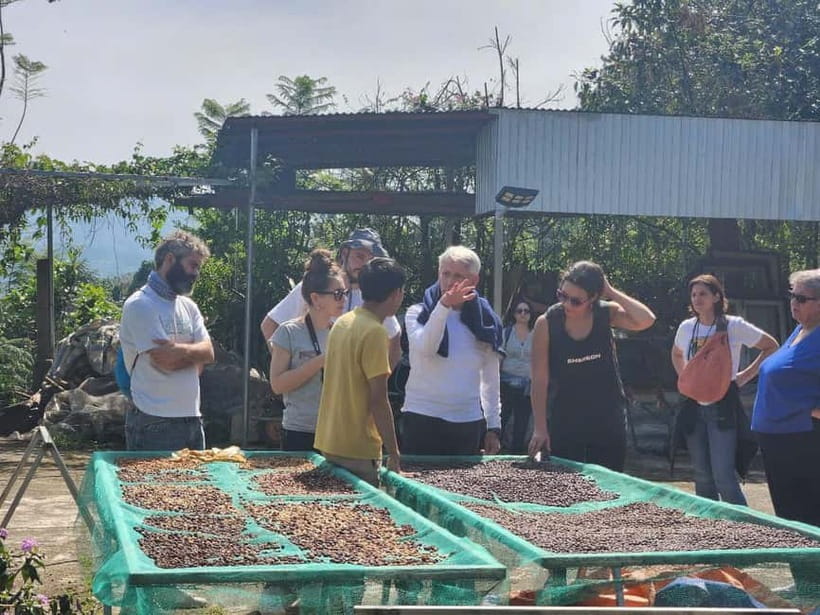
The last step is making your own cup of traditional Phin coffee. This is not just “watch someone else do it.” You follow along and make the drink yourself.
Phin brewing is a Vietnam staple, but doing it in a learning format matters. You get to connect the dots between what you tasted earlier and what you’re actually brewing now. The coffee you roasted and sampled earlier isn’t just a souvenir moment—it becomes the coffee in your cup.
Also, you do this while watching the city. Da Lat has its own rhythms, and seeing the view from the cafe area makes the whole session feel like more than a tasting class. It becomes an afternoon pause.
Pro tip: if you’re sensitive to temperature changes, bring a warm layer. One of the most common surprises is that Da Lat can feel cold even when you expect mild weather, and the cafe environment can be chilly.
Sustainable coffee, explained in farmer language
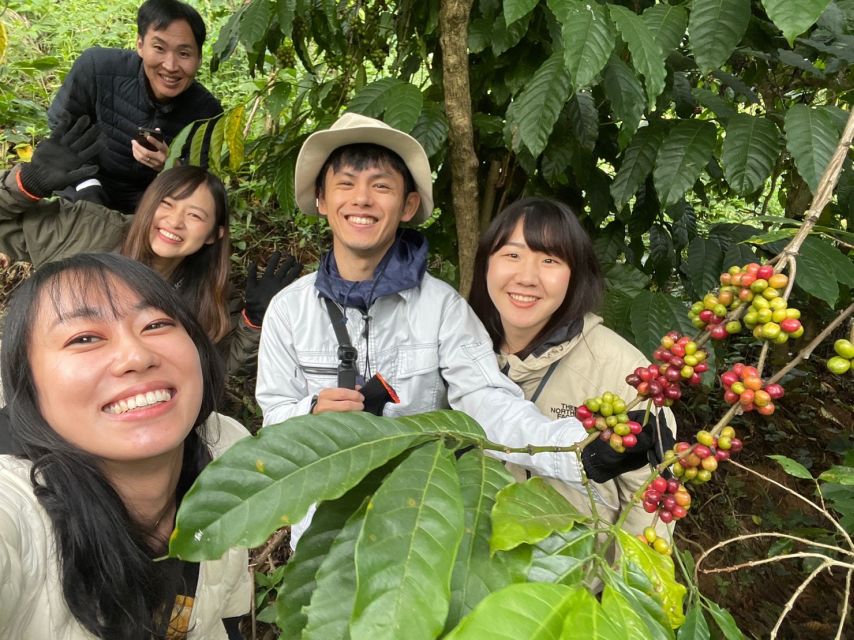
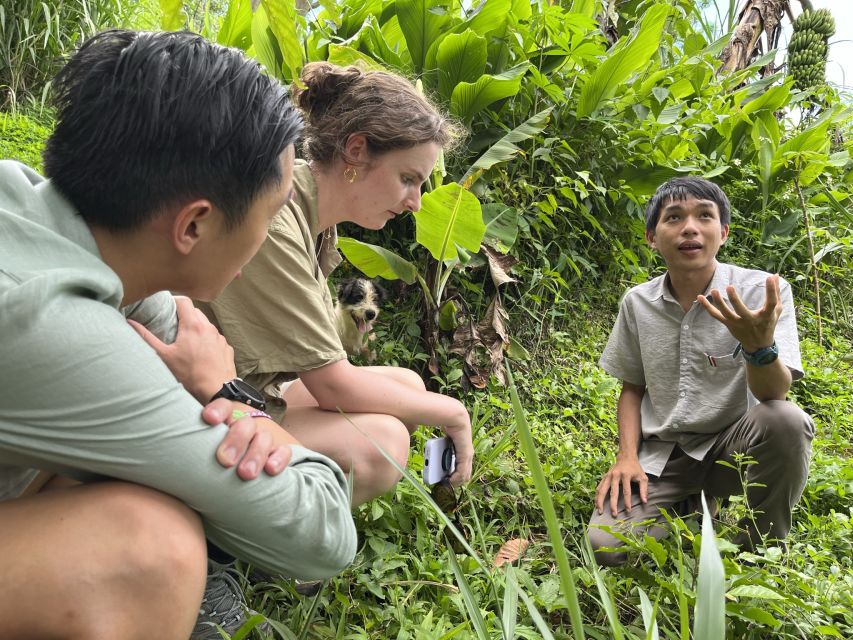
The sustainability angle here is not just a marketing word. Huy shares how coffee can be grown with a sustainable mindset, and you get the connection between farm decisions and cup flavors.
When a farmer explains sustainability, you should listen for practical choices: how the farm supports long-term soil and plant health, how coffee quality is protected from year to year, and how processing decisions affect what you taste.
You’ll come away with a clearer understanding of why some coffee tastes clean and balanced while others can lean harsh or flat. That doesn’t mean every bean becomes perfect. But it does help you stop thinking of coffee flavor as random.
One helpful framing: sustainability isn’t only about environment. It’s also about consistency and respect for the labor behind the cup. When the producer’s approach is clear, it shows up in the coffee.
Practicalities that make or break the session
Duration: 90 minutes to 5 hours
The experience can be anywhere from about 90 minutes to 5 hours depending on the session and the pace. If you’re on a tight schedule, I’d plan a buffer. Coffee tasting is one of those activities where your interest level can easily stretch the time—especially when you’re comparing flavors and asking questions.
Small group size (max 10)
This is a real quality lever. In a smaller group, it’s easier to get clarification on how processing changes flavor, or why your cup tastes the way it does.
Language: English and Vietnamese
The tour offers a live guide in both English and Vietnamese. If you’re traveling with basic Vietnamese, you’ll still be fine. If your Vietnamese is stronger, you might get extra moments of back-and-forth.
What’s included: 5 coffee drinks plus the tour ticket
You’re not paying just for seating. The price includes the tasting and the guided experience. You get five drinks at the coffee shop as part of the program.
What’s not included
Hotel or airport transfers aren’t included. Extra drinks and food aren’t included either. So if you’re hungry afterward, factor that into your day.
What to bring
Bring your passport. (It’s a small step, but it saves stress at check-in.)
Price and value: why $14 makes sense here
At $14 per person, this sits in a sweet spot for what you get—especially because it’s not only sipping. You’re tasting multiple coffees, roasting your own beans, trying different roast levels, learning how brewing changes flavor, and making Phin coffee.
If you’re the type who likes to understand what you’re buying, the value is even higher. You’re not only tasting; you’re learning how the farmer’s decisions and the roasting choices land in the cup.
Also, small group size helps justify the price. You’re paying for guided attention, not just access to a table.
Who should book this, and who might skip it
Book it if:
- You love coffee and want to taste Arabica vs. Robusta in a way that explains flavor, not just names.
- You want hands-on learning (roasting your own beans and making Phin).
- You’re curious about how sustainable farming choices connect to what ends up in your cup.
Consider skipping if:
- You’re only interested in a quick caffeine hit and don’t want a structured tasting and brewing format.
- You hate longer sessions. The duration can stretch up to 5 hours, depending on the flow of your group.
Tips to get the most out of your tasting
- Take notes in your phone. Roast level and processing terms blur together fast when you’re tasting multiple cups.
- Ask one question per coffee. Example: what processing choice affects acidity or fruit notes most?
- Taste slowly first, then compare. Your brain needs a second to reset after each brew.
- Bring a light jacket or sweater. You can’t control the weather, but you can control comfort.
Should you book HuyEco Coffee & Culture?
Yes, if you’re in Da Lat and you care about coffee beyond the basics. This is one of those rare experiences that treats coffee as a chain of decisions—farm, processing, roasting, brewing—so you leave with real understanding, not only a pleasant cup.
I’d book it early in your trip if possible. Knowing what “Light” vs. “Dark” really means to you helps you enjoy coffee the rest of the time you’re in Vietnam. And if you’re returning home with coffee questions, this is exactly the kind of session that makes those questions easier to answer.
FAQ
How much does the coffee experience cost?
It costs $14 per person.
How long does the tour take?
It lasts from 90 minutes up to 5 hours. The exact time depends on starting times and availability.
Where do I meet for the tour?
You meet at HuyEco Coffee & Culture in central Da Lat. Find it in Google Maps by searching that exact name.
Is the tour guide available in English?
Yes. The live tour guide speaks English and Vietnamese.
How many people are in the group?
It’s a small group limited to 10 participants.
What’s included in the price?
The price includes five coffee drinks at the coffee shop and the tour guide ticket.
What is not included?
Hotel or airport transfers are not included, and extra drinks and food are not included.
What should I bring?
Bring your passport.
Farewell question: Are you a coffee person?
If you are, go. If you’re curious, go anyway. This one turns taste into knowledge fast.