REVIEW · ALGARVE
Faro: Eco-Friendly Ria Formosa Bird Watching in Solar Boat
Book on GetYourGuide →Operated by fromherefaro · Bookable on GetYourGuide
Birds run the tide here. This eco-friendly outing through Ria Formosa is all about salt-canal bird watching, powered by a solar boat that keeps the whole experience calm and low-impact.
I particularly like how the guide connects what you see to how this place works, so the birdlife feels less random and more like a living system. You’ll glide, pause, scan, and learn at a pace that fits wildlife viewing.
My other favorite part is the setup: binoculars and a local guide in a small group (limited to 12). It means you’re not fighting the crowd for a good view, and you get help identifying what’s actually in front of you.
One heads-up: this experience is not suitable for wheelchair users. Plan around that if mobility is a concern, because the boat setup isn’t designed for it.
In This Review
- Key things I’d plan around
- Solar Boat Birding in Faro: Why Ria Formosa Changes Hour to Hour
- Rua da Porta Nova Meeting Point: A Smooth Start in Faro
- Parque Natural da Ria Formosa: Canals, Nests, and the Wetland Logic
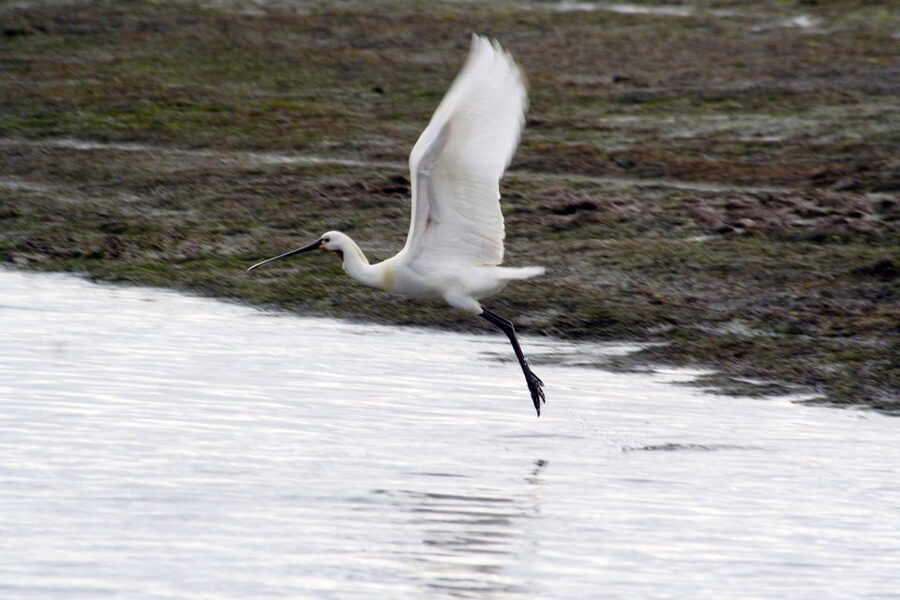
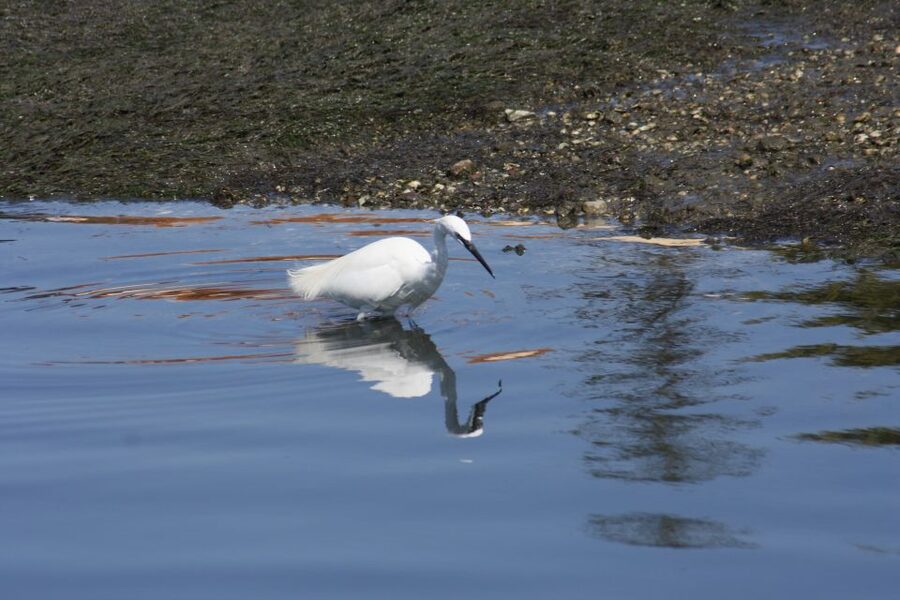
- Spotting Moments: Ospreys, Spoonbills, Flamingos, and More
- Why the Boat Feels Different: Quiet, Shaded, and Wildlife-Friendly
- Tides, Timing, and What to Bring (So You Can Enjoy It Fully)
- Price and Value: Why $47 Can Make Sense Here
- Should You Book This Solar Boat Bird Watching Tour?
- FAQ
- How long is the bird watching tour?
- What’s included in the price?
- Do I need to bring food and drinks?
- Where do I meet the tour?
- Is transportation to the meeting point included?
- What languages are offered by the live guide?
- Is this tour wheelchair accessible?
- What happens if the weather is bad?
Key things I’d plan around
- Solar-powered boat: quieter motion helps you get close without stressing wildlife.
- 3-meter tides in a 6-hour cycle: the scenery and bird activity can shift fast.
- Saltwater canals and nesting areas: you’re not just spotting single birds.
- Small group size (max 12): easier viewing and more back-and-forth with the guide.
- Guides who spot birds early: they’re focused on finding sightings, not rushing past them.
Solar Boat Birding in Faro: Why Ria Formosa Changes Hour to Hour
Faro’s wetlands can feel like a different world depending on the hour. In Ria Formosa, the sea level rises and falls about 3 meters every 6 hours, so feeding areas, channels, and bird behavior can all shift during your time on the water.
That tide rhythm is one reason this kind of bird watching is so satisfying. You’re not just looking at birds perched in place. You’re watching how birds take advantage of changing water depth and food availability, right along saltwater canals where prey moves and birds hunt.
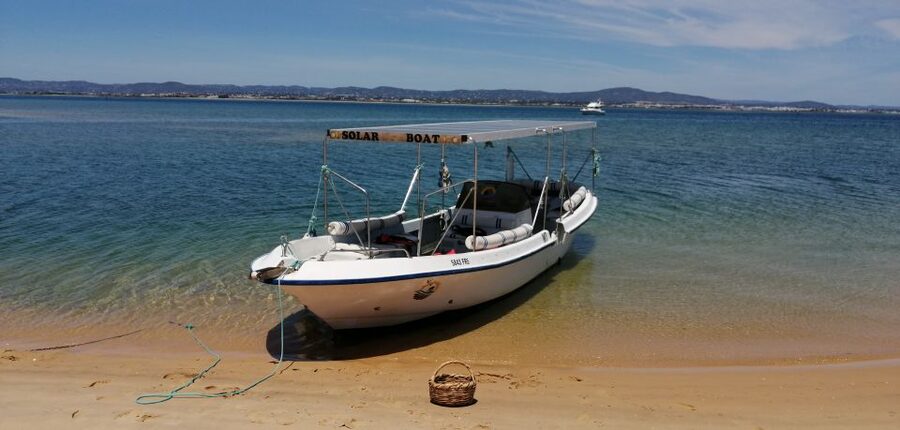
The eco angle isn’t just marketing, either. A solar-powered vessel moves quietly, which matters here. Less noise and less disturbance mean a better chance of seeing natural behavior—like hunting, circling, and resting—without the habitat feeling overrun.
You can also read our reviews of more tours and experiences in Algarve.
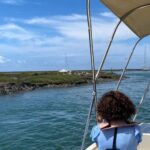
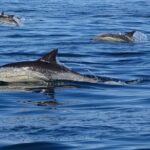
Rua da Porta Nova Meeting Point: A Smooth Start in Faro
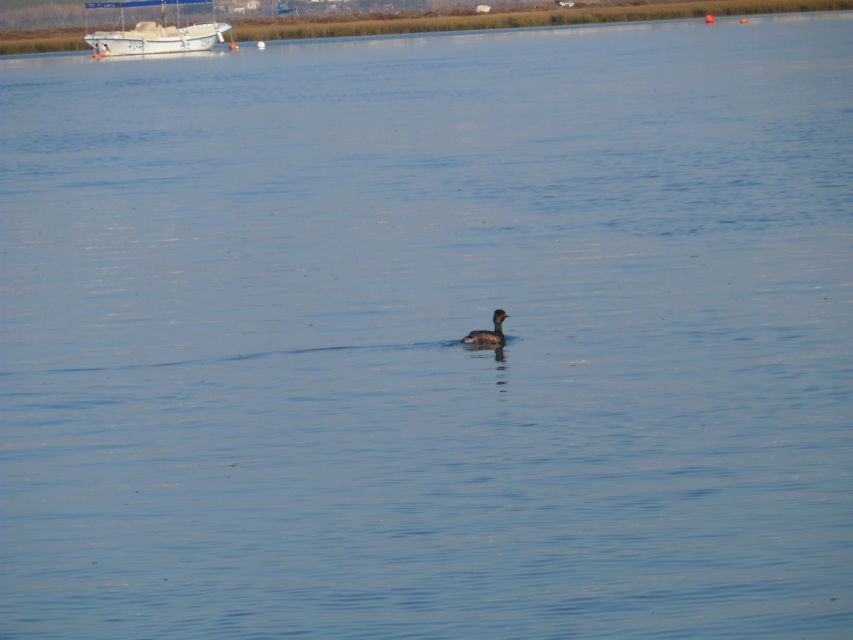
The meeting point is in Faro at Rua da Porta Nova (8000-250 Faro), at the kiosk with all the bird advertising. It’s an easy location to spot once you’re close, but I’d give yourself extra time to orient—parking can be tricky in this area, and you may end up walking a bit to get there.
Once you arrive, you’ll be checked in and then brought onto the boat with the skipper and local guide. This tour runs about 2 hours total, with guided birding focused on roughly one hour out in the park area while the boat moves through the wetlands.
There’s no food or drinks included, so treat the start like a “grab your essentials first” moment. Bring snacks and water, and you’ll be able to stay relaxed instead of cutting your viewing time short to look for a snack.
Parque Natural da Ria Formosa: Canals, Nests, and the Wetland Logic
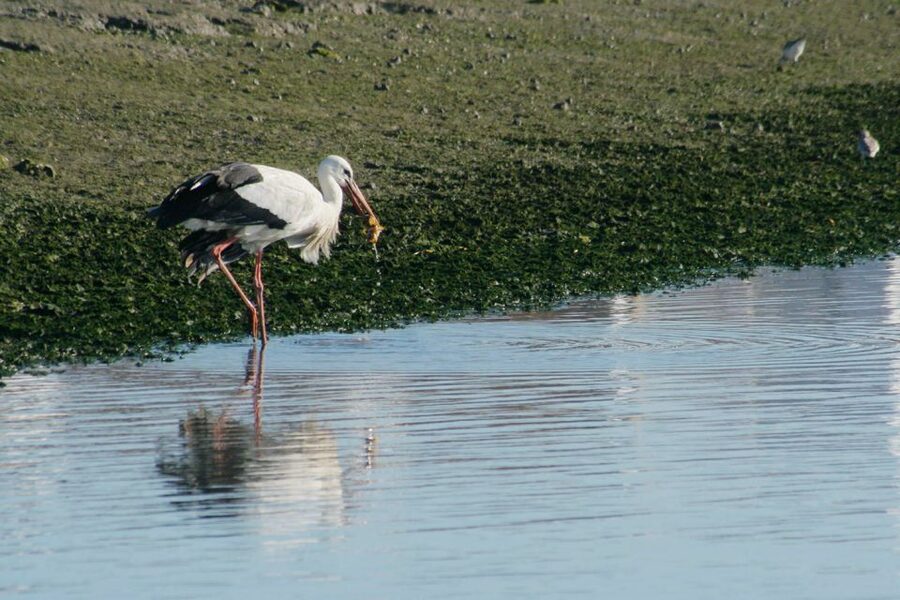
Ria Formosa isn’t a single flat shoreline. It’s a maze of channels, salt pans, and sheltered water where a lot of life connects tightly.
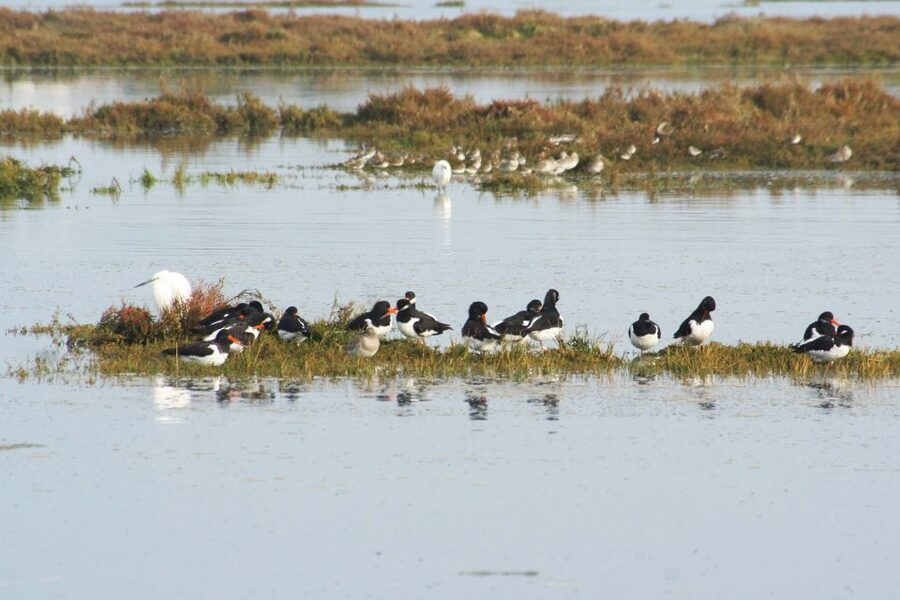
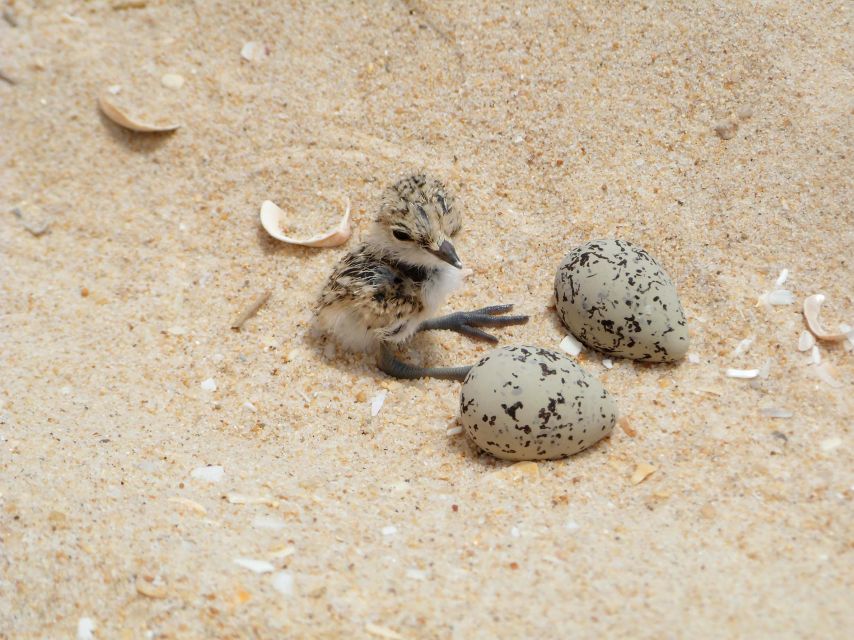
On this tour, you’ll spend your guided time exploring saltwater canals where birds feed. You’ll also be shown what nesting activity looks like in a protected area—there are dozens of bird nests mentioned in the experience focus, tied to birds that nest within Ria Formosa National Park.
Here’s what I think makes this stop really work for you: the guide ties sightings to the ecosystem. Instead of “there’s a bird,” you start hearing the why—how the wetlands stay productive, how food chains work, and why migratory birds return year after year.
Also, the wetlands here support local livelihoods alongside wildlife. The ecosystem is described as self-regenerating, allowing parts of the community to develop fishing and shellfish production. That matters because it shows you the balance between habitat, people, and conservation that exists in many real-world protected landscapes.
Spotting Moments: Ospreys, Spoonbills, Flamingos, and More
Bird watching gets better when you’re not just scanning—you’re watching behavior. This is where the best moments tend to happen.
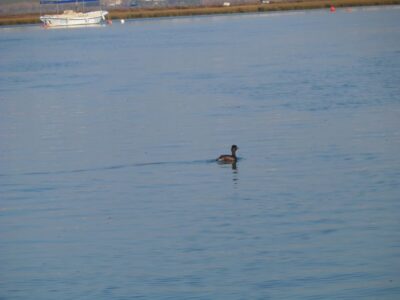
The tour specifically highlights predatory birds hunting, plus time in canal areas where the soundscape is mostly bird calls and interactions. You should expect the guide to keep repositioning the boat for better angles, so you can watch rather than just see.
In practice, sightings can include a mix of:
- Osprey (including hunting behavior in some cases)
- Spoonbills
- Kingfisher
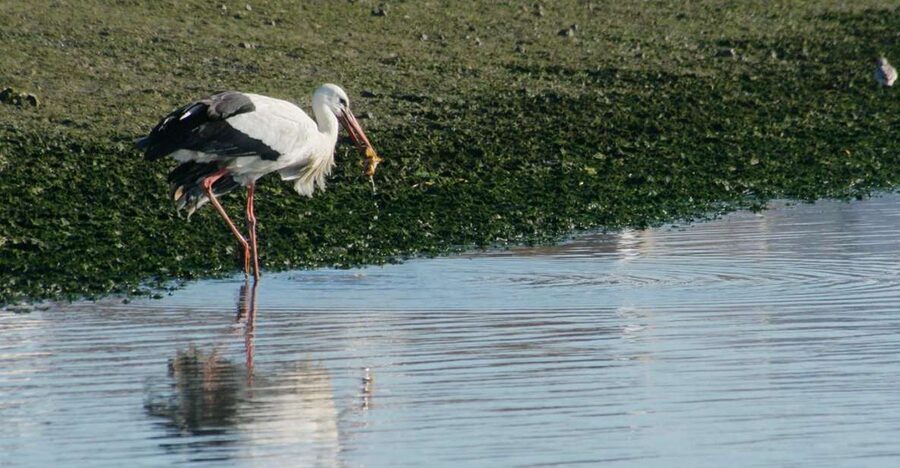
- White stork
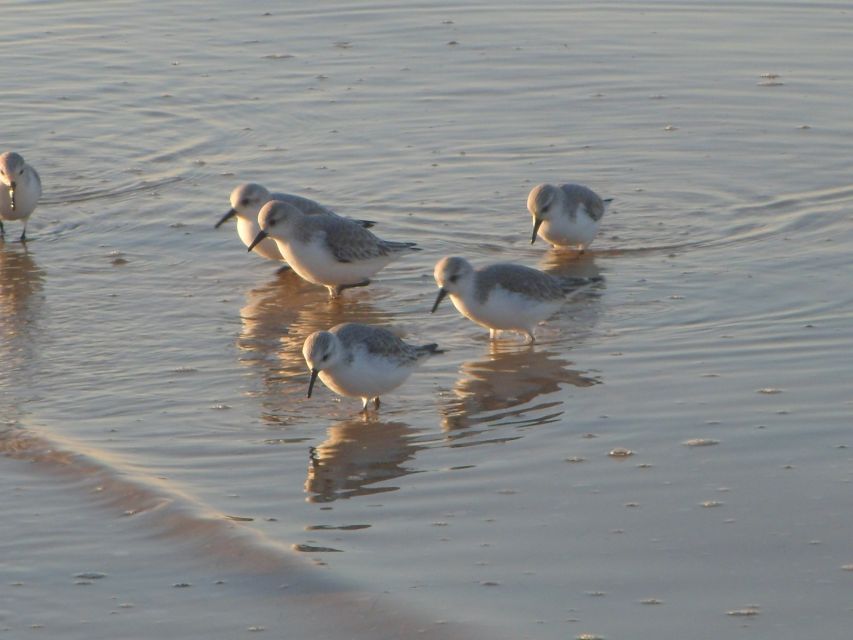
- Ruddy turnstone
- Marsh harrier
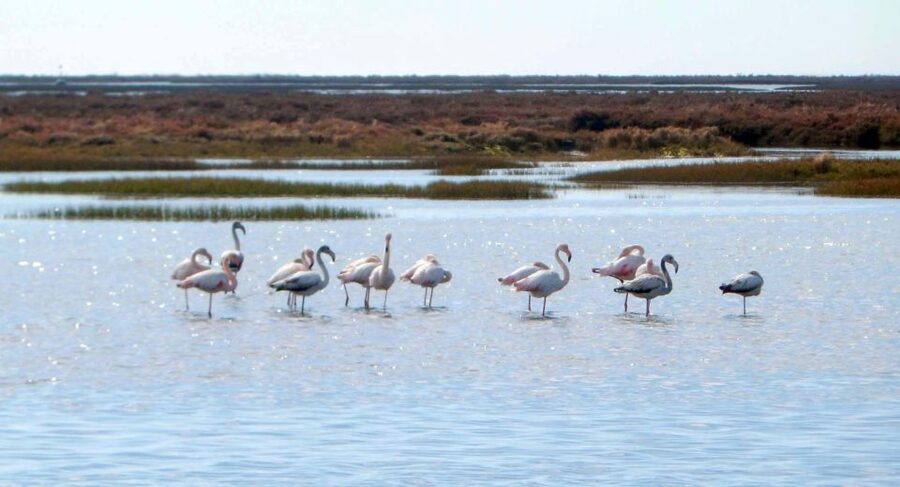
- Flamingos (not guaranteed, since they favor salt plain conditions)
I’d also mentally prep for close-range excitement. Several guides on this route aim to bring you into a good viewing position, and that’s a big reason the solar boat is a good fit. The quiet glide helps you watch without the usual motor-boats vibe.
If you’re a serious bird fan, it also helps that the tour gives tools for identification. You’ll have binoculars, and the guide uses local fauna and flora info to connect names to what you’re actually seeing out there.
Why the Boat Feels Different: Quiet, Shaded, and Wildlife-Friendly
A lot of boat tours feel like a motor ride with scenery. This one is different because the boat is solar-powered, so the movement is smoother and quieter.
That quiet affects the experience in a very practical way. You’re more likely to get longer, calmer looks at birds without constantly hearing engines or feeling like you’re vibrating through the habitat. Several people also note that the boat is shaded, which can make a big difference in warmer months when you’re out on the water for a couple hours.
The skipper and guide also matter. You want a crew that can spot birds from a distance and then guide you to the right viewing spot. Names that come up for this type of tour include Andre, Iris, Sebastian, and Miguel—and the consistent theme is that they work hard to find birds and keep you oriented to what you’re looking at.
One small caution: because the boat is meant for observation, you’ll likely spend your time standing or leaning forward at viewing angles. If you’re the type who prefers lots of structured seating, expect a more “observation boat” feel than a sightseeing coach.
Tides, Timing, and What to Bring (So You Can Enjoy It Fully)
Because Ria Formosa changes with the tide, timing affects what you’ll see. Birds may concentrate in different spots as water levels shift, and that can change the mix of species and the intensity of activity.
You don’t need to become a tide scientist for this tour, but you should be aware of the main idea: the wetland is dynamic. On a short outing, that means you’ll get a snapshot that reflects the tide conditions on your day.
For comfort, bring:
- Food and snacks (not included)
- Water
- Comfortable clothes you don’t mind getting a little wet if there’s spray
- Sunscreen
- Something light for sun or wind, depending on the season
One more practical note: weather can matter. The tour can be canceled in unfavorable weather conditions, and you’ll be notified in advance. If you’re flexible, this is worth it; if you’re on a tight schedule, keep an eye on forecast updates for Faro.
Price and Value: Why $47 Can Make Sense Here
The price is $47 per person for a 2-hour experience. On paper, it’s not “cheap” for a short outing. But you’re paying for several value drivers that add up in bird watching:
- Small group size (limited to 12), so you get a better viewing setup
- Binoculars included, which saves you from renting or trying to rely on your phone zoom
- Local guide and experienced skipper, which is often the difference between seeing birds at all and seeing birds well
- A solar-powered boat, which keeps the experience quieter and gentler on wildlife
Also, the tour isn’t only about wildlife spotting. The guided portion is designed to help you understand the ecosystem—tides, food availability, and why migratory birds keep returning. For many people, that’s the real “value”: you leave with names and patterns, not just a couple of photos.
If your priority is fast sightseeing with tons of stops, this may feel slow. If your priority is birds plus learning plus a calm boat ride, it’s strong value for Algarve nature time.
Should You Book This Solar Boat Bird Watching Tour?
Book it if:
- You love birds and want a calmer, wildlife-friendly way to see them
- You’d rather learn how the wetland works than just collect species names
- You appreciate small-group attention and guided identification help
- You’re okay bringing your own snacks and water
Skip or rethink it if:
- You need wheelchair access (this tour isn’t suitable for wheelchair users)
- You’re expecting a food-and-drinks cruise (that’s not included)
- You want a nonstop action style itinerary. This is about watching, not speed.
FAQ
How long is the bird watching tour?
It lasts about 2 hours total, with a guided tour portion focused on the park area for about 1 hour.
What’s included in the price?
Binoculars are included, along with guides who share local fauna and flora information. You also get an experienced skipper and local guide on board.
Do I need to bring food and drinks?
Yes. Food and drinks are not included on board, so bring snacks and water.
Where do I meet the tour?
Meet at Rua da Porta Nova, 8000-250 Faro, at the kiosk with all the bird advertising.
Is transportation to the meeting point included?
No. Transfer or any transportation to the meeting point is not included.
What languages are offered by the live guide?
The live tour guide offers Portuguese, English, and Spanish.
Is this tour wheelchair accessible?
No. The tour is not suitable for wheelchair users.
What happens if the weather is bad?
The tour can be canceled due to unfavorable weather conditions, and you’ll be notified in advance.