REVIEW · NAPLES
Guided Hobie Kayak EcoTour: Premium Eco Experience Bonita Springs
Book on Viator →Operated by Mike's Coastal Expeditions · Bookable on Viator
Pedal kayaking here is quietly addictive. On a guided Hobie EcoTour with Mike’s Coastal Expeditions from the Big Hickory Pass bridge, you get an easier ride and more time to look around, plus you can score shelling on a pristine beach most people never reach. The one catch to plan for is sun and heat, since you’re out on open water for about 2.5 hours.
I like how this tour adapts to conditions. You’ll choose Gulf or Estero Bay estuary routes based on tide, and you get a quick hands-on lesson before cruising the mangroves and sandbars. You’ll be geared up with dry bags, shelling bags, and premium lifejackets, then end right back where you started.
In This Review
- Key points before you go
- Entering Bonita Springs by kayak: why the Hobie pedal system matters
- Starting at Big Hickory Pass bridge: gear, fit, and the quick lesson
- Gulf or Estero Bay: how tide changes what you’ll see
- Mangrove tunnels and sandbar pauses: the scenic payoff
- Shelling on a quiet private beach: what makes it special
- Wildlife spotting with a local guide: dolphins, manatees, and birds
- The vibe on the water: group size, photos, and comfort
- Price and value: is $70 worth it?
- When to book and what to expect on the day
- Who this tour fits best (and who might want to rethink)
- Should you book this Hobie EcoTour?
- FAQ
- How long is the Guided Hobie Kayak EcoTour?
- Where do we meet for the tour?
- What’s included with the tour?
- Is the tour beginner-friendly?
- What wildlife might we see?
- Is it offered in English, and do I get a mobile ticket?
Key points before you go
- Hobie pedal drives make it feel like sightseeing with transportation built in
- Private shelling beach time with shell bags to take your finds home
- Tide-based route choice for the best fit that day
- Mangrove tunnels and sandbar pauses for a truly different kind of Florida outing
- Photo help included with family photos and wildlife shots
- Max 28 people keeps the tour from feeling crowded
Entering Bonita Springs by kayak: why the Hobie pedal system matters
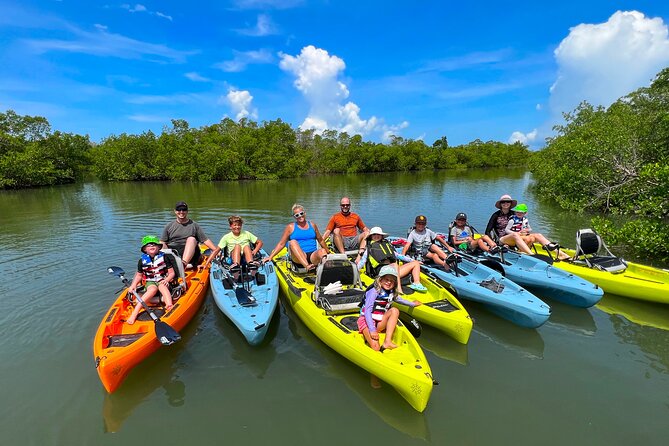
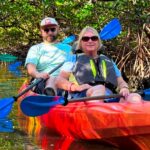
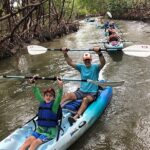
This isn’t a basic paddle-and-hope experience. The kayaks are Hobie models with Mirage-style pedal drives, which means your feet do most of the work while your hands stay free for pointing, filming, and grabbing snacks when the crew pauses. In plain terms: it’s easier to keep your heading and spend your energy on the good stuff, like watching birds wheel over the mangroves.
If you’re traveling with kids or you just do not want to fight a stiff paddle for 2+ hours, this setup is a major quality-of-life win. A few people I talked with said the pedal system felt especially helpful when there was wind, because you’re not constantly correcting like you do in traditional kayaks.
You can also read our reviews of more tours and experiences in Naples.
Starting at Big Hickory Pass bridge: gear, fit, and the quick lesson
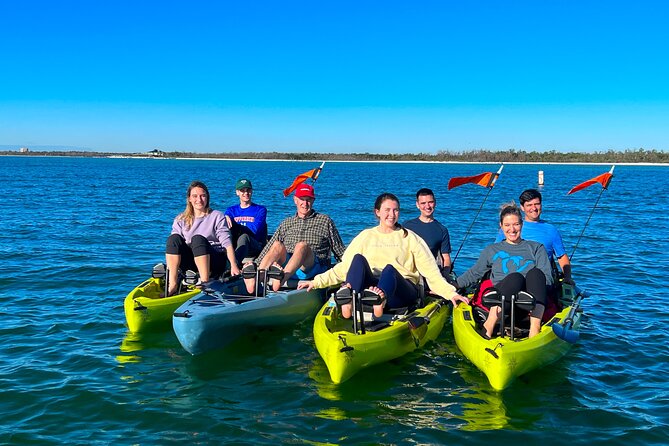
You start at the Big Hickory Pass bridge in Bonita Springs (the meeting point is listed as 946V+92 Bonita Springs). Mike, the owner and guide, runs the show and typically handles gear, instruction, and the storytelling that makes the trip feel personal.
Before you push off, you’ll get:
- dry bags (so your phone and camera don’t become Florida souvenirs)
- shelling bags (so you can collect without turning your pockets into sand traps)
- premium lifejackets (fit matters, and you’ll get help getting set)
Then comes the fast coaching. It’s not a long classroom thing. You get set up on the Hobie kayaks with comfortable seats and the pedal drive system, then you’ll be on the water. Many first-timers find they’re comfortable quickly, especially with the tandem options mentioned for families.
One small thing I’d take seriously: mangrove routes can include narrow areas and tunnels. That’s part of the magic, but it means you should be ready for slower maneuvering and a bit of squeezing-your-brain time if you’re new to staying centered in a kayak.
Gulf or Estero Bay: how tide changes what you’ll see
The route choice is part of the tour’s value. Depending on tide, you’ll explore either the Gulf side or the Estero Bay estuary. That matters because these waters don’t behave the same way. Tides can change how far you can go, how smooth things feel, and where you’ll find calmer spots for wildlife viewing.
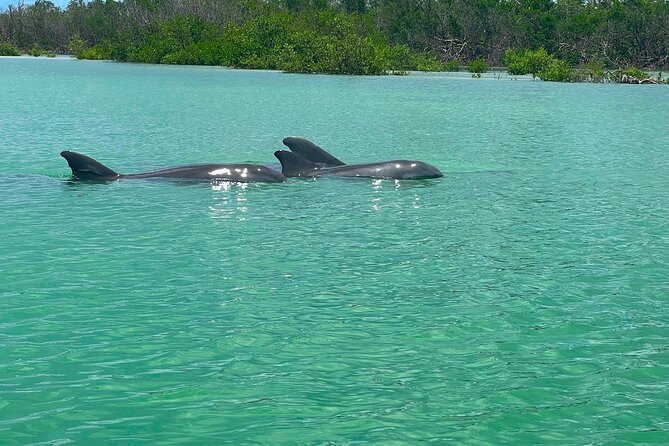
In both areas, you’re looking at the same big theme: sheltered water, mangroves, and coastlines that feel like they’re designed for quiet travel. That’s why dolphins, manatees, and lots of coastal birds show up in the highlights.
Practical tip: plan to go with the flow. If the day’s tide points you one way, that’s also the day you’ll get the specific mangrove experience that works best. The tour is built around that idea.
Mangrove tunnels and sandbar pauses: the scenic payoff
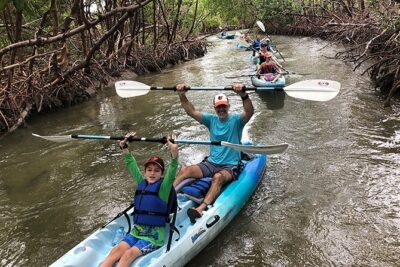
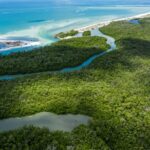
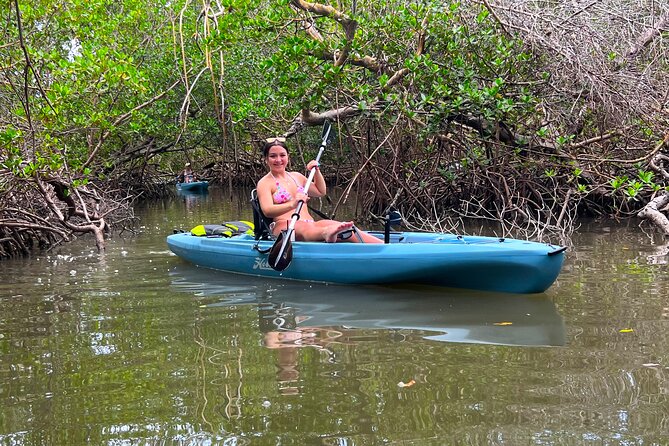
A big reason people fall in love with this trip is how it shifts from open-water cruising to close-up estuary scenery. You’re not just looking at mangroves from far away. You’ll make your way through mangrove tunnels, where the water narrows and the shoreline curves in close.
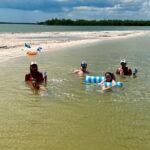
Those tunnels are often described as a highlight because they feel almost secret, like you’re moving through a living hallway. You may also get a cool pause at a sandbar, which can feel like a reset moment in an otherwise active 2.5-hour ride. It’s a chance to catch your breath, look around, and scan for wildlife.
For families: this is also where you’ll notice the difference between “I’m on a boat” and “I’m actually part of the water.” Kids tend to do well when the ride includes little pauses and when the guide keeps the group moving calmly rather than rushing.
Possible drawback to consider: mangrove tunnels can be a challenge in the fun way. If you’re expecting a straight, wide, easy channel the whole time, you might be surprised by the tighter navigation and slower sections. That’s why the short lesson at the start matters.
Shelling on a quiet private beach: what makes it special
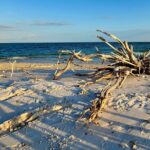
The shelling is not an afterthought. The tour builds in time for a shell-filled beach you’d otherwise miss. You’ll use the shelling bag provided, and you’ll either hit this beach at the start or at the end of the trip.
Here’s what makes it feel different from random beach collecting:
- You’re getting access to a pristine area with less of the usual scramble
- You can focus on the hunt because the guide is running the kayak logistics
- You’re stopping at a beach that fits the route you took that day
If you’re the type who likes bringing home small, physical souvenirs, this is one of the best-value parts of the experience. A shell bag makes it easy to collect without turning the trip into a constant cleanup chore.
Bring one mindset: you’re not collecting a single perfect specimen. You’re browsing a whole spread. Take your time, rinse shells later when you’re back at the hotel, and don’t stress if you miss a “rare” one. The fun is in the find.
Wildlife spotting with a local guide: dolphins, manatees, and birds
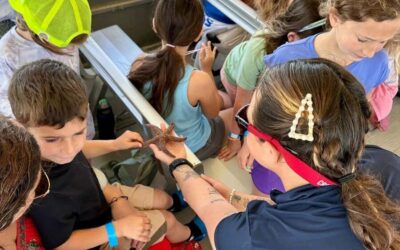
This is a guided nature tour, but it doesn’t feel stiff. Mike and the team share what to look for as you move through the estuary. That includes local flora and fauna, plus practical cues for spotting wildlife without staring yourself into a headache.
Common sightings include:
- dolphins (often close enough to feel exciting, not just distant dots)
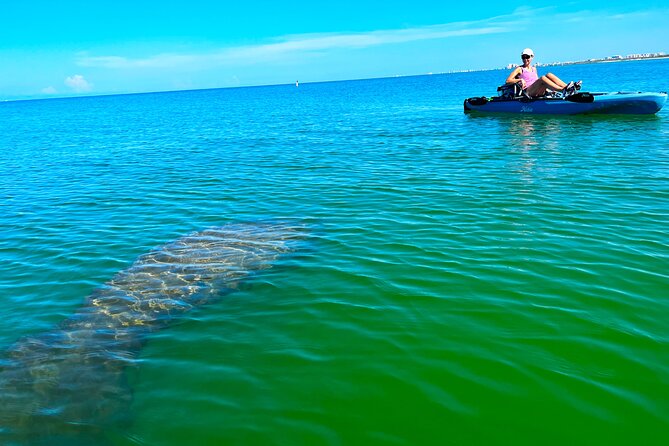
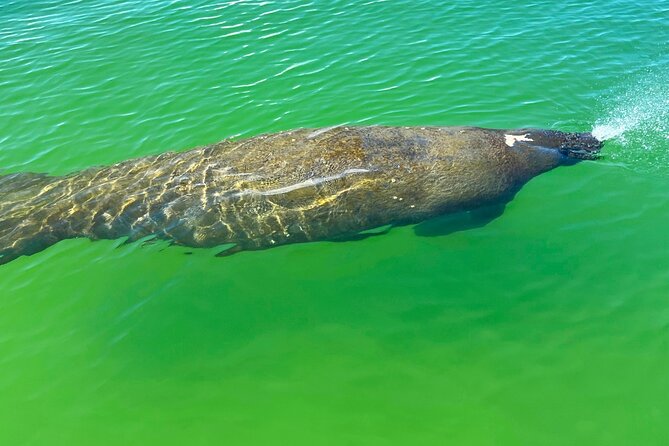
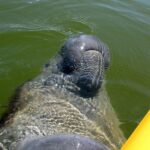
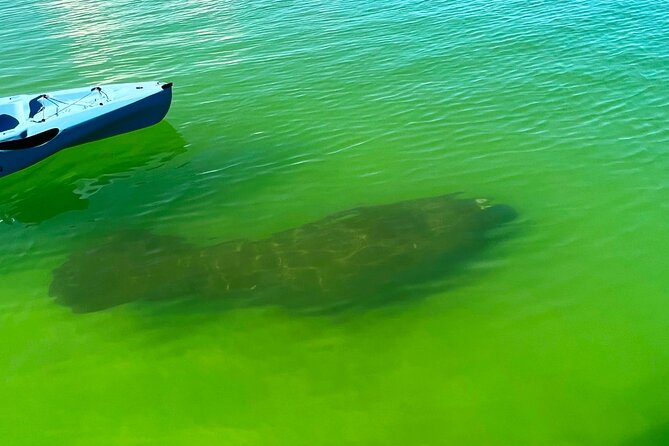
- manatees (when conditions line up)
- coastal birds, including herons and egrets
I also like how the guide’s job includes reading the water and positioning the group. You’ll often see people get wide smiles when something rises from the surface, because the kayak setup and the route planning make it possible to linger rather than just pass by.
Also, remember this is nature. Some days are animal-heavy and some days are more about scenery and birds. You can still have a great trip even when wildlife is shy, because mangrove tunnels and the shelling beach give you plenty to focus on.
The vibe on the water: group size, photos, and comfort
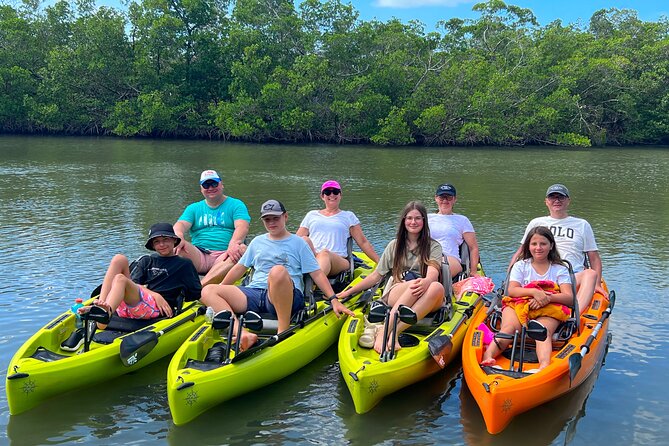
This tour caps at a maximum of 28 travelers. In practice, that makes it feel more like a small group outing than a big-ticket production. The ride also tends to stay manageable because the kayaks are the main “infrastructure,” not a bus load of people moving in a line.
Comfort details that matter:
- premium lifejackets for safety
- dry bags for your valuables
- comfortable seats built into the Hobie kayaks
There’s also complimentary photo coverage. The tour includes family photos and wildlife shots. This is a smart add-on because it saves you from constantly trying to juggle a phone while balancing a kayak. It also means you’re more likely to actually capture the moment when dolphins show up close.
One more practical point from common trip advice: sun protection needs to be face-level, not just shoulder-level. If you’re out on a pedal kayak in bright Florida sun, eyelids get cooked fast.
Price and value: is $70 worth it?
At $70 per person for about 2 hours and 30 minutes, you’re paying for three things that most solo kayaking plans do not include.
1) A guide who understands the route and tide timing
You’re not just renting a kayak. You’re getting someone to help you find the right conditions and point out what you’re seeing.
2) The Hobie pedal-drive system
This is the real differentiator versus basic rental kayaks. If you’ve ever had your arms cramp from paddling straight for an hour, you know why “easy propulsion” changes the whole experience.
3) Shelling access plus gear
Dry bags and shelling bags mean you can pack light and focus on the beach hunt without extra scrambling. The shelling beach itself is part of the value, since it’s designed as an included stop.
If you’re comparing to other coastal boat tours, this often feels like a better fit for travelers who want a hands-on nature experience without the heavy effort. You’re also more likely to move at a pace that makes wildlife viewing actually enjoyable.
When to book and what to expect on the day
This tour is often booked about 10 days in advance on average, so don’t wait until the last minute if you have a tight vacation schedule. Confirmation is received at booking time, and the ticket is mobile, which is handy.
It also requires good weather. If conditions aren’t right, you’ll be offered a different date or a full refund. That’s standard for water adventures, but it matters for planning. If you’re the kind of traveler who builds one “must-do” activity per day, this is the type of trip where you leave a little flexibility.
Start and end are at the same meeting point, so there’s no complicated “drop you here, pick you up there” logistics.
Who this tour fits best (and who might want to rethink)
This tour is a great match if you want:
- an easy entry into kayaking (beginners are welcome)
- a family-friendly, calm nature outing
- an activity that mixes dolphins/manatees/birds with a real stop for shelling
- a guided experience where you can ask questions and get straight answers about the ecosystem
It’s also a solid pick if your group includes mixed skill levels, since the pedal drives reduce the physical barrier.
The main reason someone might rethink it: if you hate being outdoors in strong sun or you’re expecting a completely effortless glide with no tight turns through mangrove areas. You’ll be fine if you can handle a short, scenic workout and you pack sun protection.
Should you book this Hobie EcoTour?
If you like wildlife, quiet water, and collecting something small and local from a real beach stop, I think this is an easy yes. The biggest reason is the pedal-drive kayak setup. It makes the whole outing more relaxed, so you can enjoy the estuary instead of managing fatigue.
Book it if you’re traveling as a couple, family, or small group and you want a guided “local nature” experience around Bonita Springs. Skip it only if your main goal is a high-speed adventure or you dislike spending a couple hours outside in the sun.
If you want to do one guided water tour that feels different from the usual boat ride, this one earns its spot.
FAQ
How long is the Guided Hobie Kayak EcoTour?
It runs about 2 hours and 30 minutes.
Where do we meet for the tour?
You meet at the Big Hickory Pass bridge area in Bonita Springs (listed as 946V+92 Bonita Springs, FL, USA).
What’s included with the tour?
You’ll get dry bags, shelling bags, and premium lifejackets. You’ll also use Hobie kayaks with pedal drives, and the tour includes complimentary family photos and wildlife shots.
Is the tour beginner-friendly?
Yes. Beginners are welcome, and most travelers can participate. You’ll also get a quick lesson on the kayaks before heading out.
What wildlife might we see?
The tour may include dolphin and manatee sightings, along with coastal birds. The guide also shares information about local flora and fauna.
Is it offered in English, and do I get a mobile ticket?
Yes. The tour is offered in English, and it uses a mobile ticket. Confirmation is received at booking time.