REVIEW · NAPLES
Half Day Shelling Dolphin Eco Tour in 10 000 Island and Marco
Book on Viator →Operated by Sand Dollar Boat Tours of Naples · Bookable on Viator
Florida’s shelling isn’t luck when you’ve got a guide. This half-day eco-tour in the 10,000 Islands / Marco area blends dolphin viewing with guided beach hunting, with bottled water included and a small group size (max 12) that keeps the experience personal. Two things I like most: the hands-on shell guidance (you learn what to look for) and the frequent dolphin stops so you actually get good viewing time. One thing to consider: boat seating can be tight, and you’re likely to sit on coolers or in limited seating rather than cushy chairs.
I also appreciate the pace. You cruise through mangroves and wildlife habitat on the way to shelling beaches, then you get a focused window on the sand at Kice Island (about 1 hour 40 minutes). If you’re picky about sand dollars, plan your expectations too—these depend a lot on tides and conditions, and you’re not guaranteed to find them every time.
In This Review
- Key Highlights You’ll Care About
- The Big Picture: What This Tour Feels Like
- Getting There From Goodland: Meeting Point and Timing
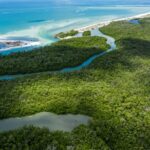
- Wildlife Cruise First: Dolphins, Mangroves, and Birds
- Kice Island Shelling: The Main Event
- Shelling reality check: sand dollars
- What to wear and bring for shelling
- On the Water Comfort: Seating, Restrooms, and Boat Notes
- Captains and Guides: Why the People Matter Here
- What About Eco-Focus and Responsible Shelling?
- How Good Is This Value at $137?
- Who Should Book This Tour (and Who Might Skip)
- Tips to Make Your Trip Better
- Should You Book the Half-Day Shelling Dolphin Eco Tour?
- FAQ
- Where does the tour start and end?
- How long is the Half Day Shelling Dolphin Eco Tour?
- What’s the group size limit?
- Is the tour language English?
- What’s included besides the boat and tour guide?
- Is there a restroom on board?
- Do I need swim shoes?
- Is sand dollars guaranteed?
- What’s the cancellation and weather rule?
Key Highlights You’ll Care About
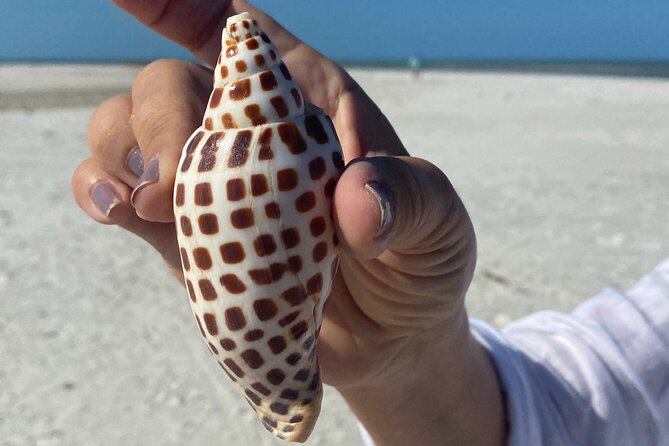
- Small group (max 12): More eyes, less crowding, and easier for the captain to tailor the route.
- Kice Island shelling window: About 1 hour 40 minutes of guided time on the best shelling-style beaches.
- Dolphin viewing with real stops: Captains will slow down and position the boat for better views.
- Bottled water included: Easy comfort win on a warm day on the water.
- Eco-minded guide approach: You learn local wildlife and how to hunt responsibly, not just collect.
The Big Picture: What This Tour Feels Like
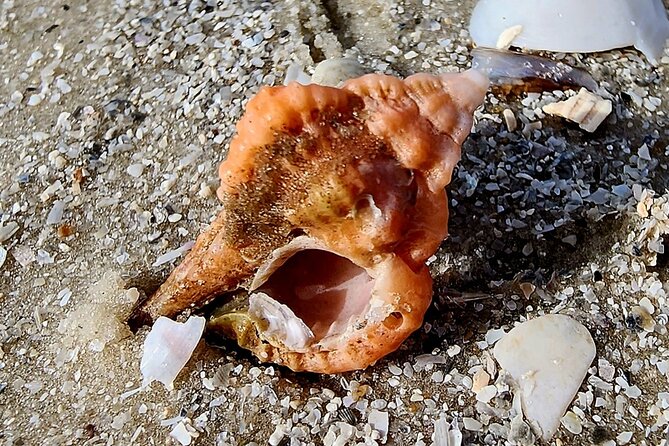
This isn’t the kind of boat day where you rush from one photo spot to the next. It feels like a short, well-run outing with two goals: see dolphins and find shells. The best part is that you’re not left to guess where to look. Guides help you read the sand and identify shells you’d miss on your own.
You’ll also spend time cruising through mangrove habitat and seeing native birds. Mangroves are more than scenery here—they’re part of the food chain that supports wildlife, and that’s what the captain’s narration helps connect for you.
Finally, the tour style is practical. You get bottled water, you get a plan for when you’ll be on the island, and you have a group size that doesn’t turn dolphin spotting into a human bottleneck.
You can also read our reviews of more tours and experiences in Naples.
Getting There From Goodland: Meeting Point and Timing
The tour starts at 604 E Palm Ave, Goodland, FL 34140, and it ends back at the same spot. Finding it tends to be straightforward, and parking is usually not a hassle for this dock area.
Duration is listed as about 3 hours, but with dolphin activity and the way shelling time is managed, it can feel longer in a good way. If dolphins are jumping and the captain is giving extra sighting time, you’ll want to be present and flexible rather than counting minutes.
You’ll want to arrive early enough to check in, get your gear ready, and use the final stretch of land time to get comfortable. Once you’re out on the water, you’ll be thinking about warmth, splash protection, and where you’ll sit.
Wildlife Cruise First: Dolphins, Mangroves, and Birds
The outing begins with a cruise through the area toward shelling beaches. This leg matters because it sets the tone: you’re not waiting until the end to start the fun.
Here’s what you can expect during the ride:
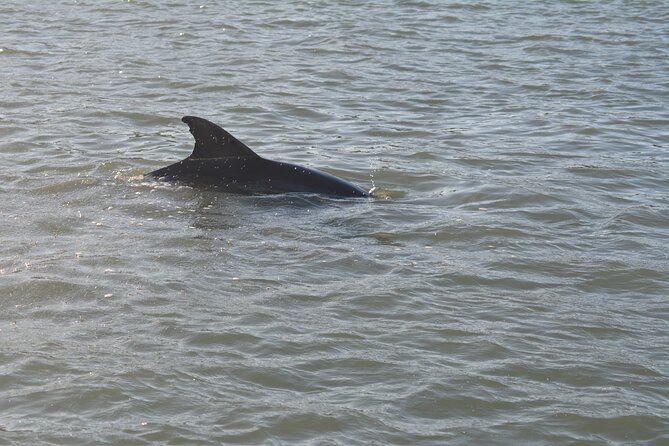
- Dolphins along the way: Captains often spot dolphins and will stop or adjust the boat for better viewing. Several captains have been praised for getting people strong views of dolphins, including dolphins playing in the boat wake.
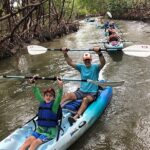
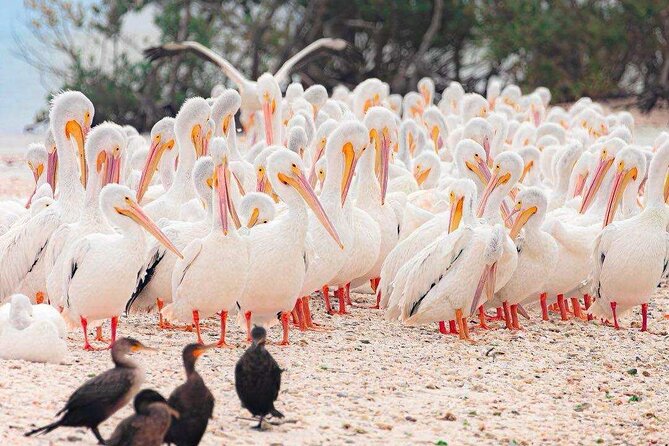
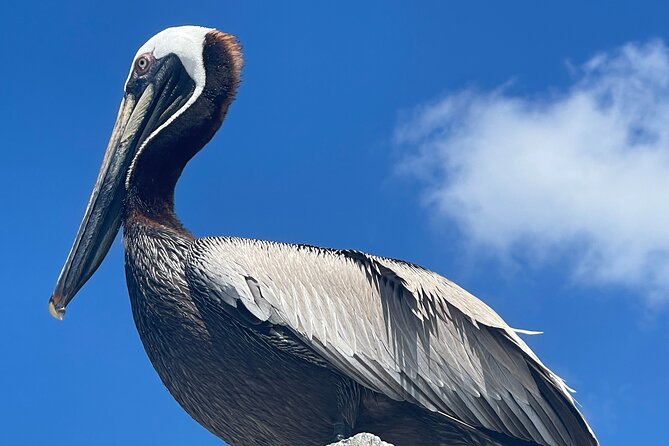
- Mangroves and birds: You’ll see wildlife that’s native to the habitat—especially birds that hang around mangrove areas.
If you’re the type who loves nature details, this is the part where you’ll feel the eco focus most. Captains and shell guides point out what you’re seeing and what it means for the ecosystem around the islands.
One smart mindset: bring your camera, but also give your eyes a chance. Dolphins can move fast, and the best shots usually happen when you’re ready at the moment they pop up.
Kice Island Shelling: The Main Event
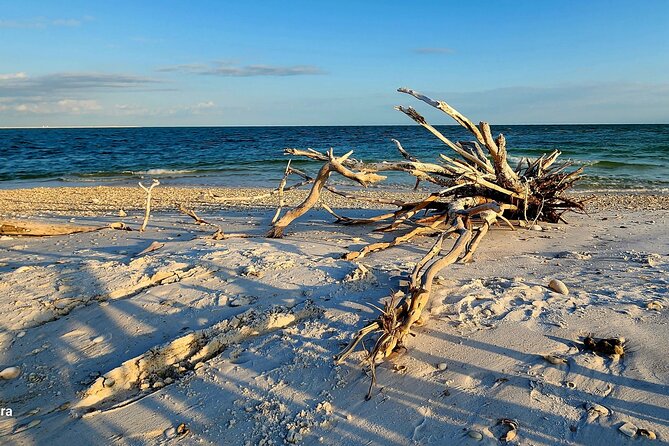
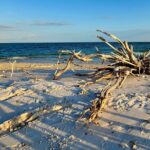
The schedule’s centerpiece is Kice Island with about 1 hour 40 minutes for shelling. This time block is long enough to do more than a quick sweep. It’s the difference between collecting a few souvenirs and actually coming back with a satisfying haul.
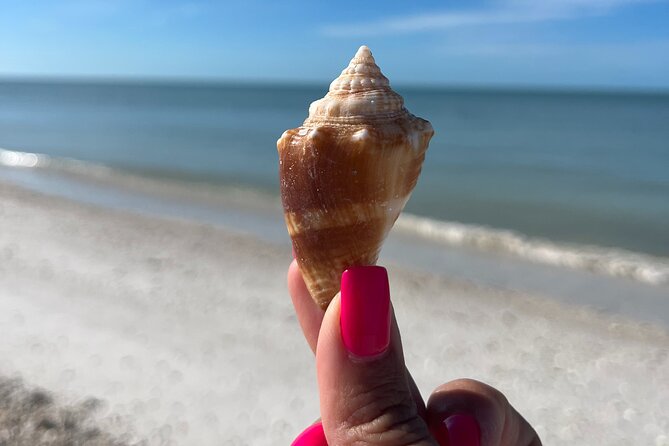
What makes Kice Island special in this region is that the guides treat it like a shelling classroom. Your crew teaches you what to look for and how to search. You’re also more likely to come home with better finds because you’re not just combing the shoreline randomly.
Shelling reality check: sand dollars
If you’re hoping for sand dollars, keep it realistic. Sand dollars can be tricky because they show up based on recent tides and conditions. Some guides say sand dollars are often found on Dickmans Island or around low tide near the Marriott area, which means your odds can improve dramatically depending on when you go.
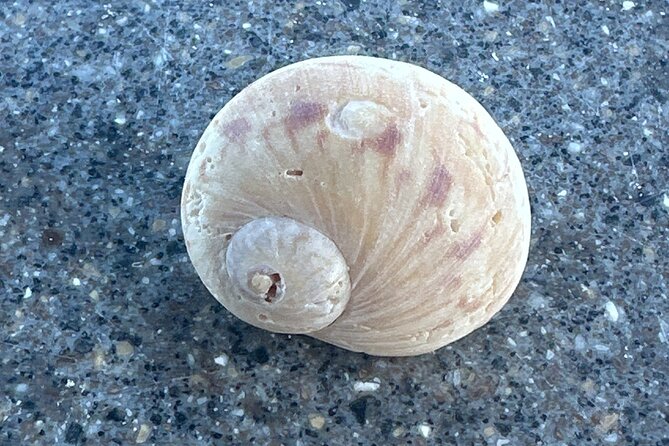
That said, even when sand dollars aren’t turning up, you can still find plenty of other shells—people regularly leave with surprising amounts and variety.
What to wear and bring for shelling
Shelling is not a sit-down hobby. Based on what people recommend, you’ll be happier if you bring:
- Swim shoes (for sand and mangrove terrain)
- A plan for warm layers if the wind picks up on the boat
- A towel and dry clothes for the ride back
You don’t have to bring a shell bag. A cool shell bag is provided on board, which is one less thing to carry.
On the Water Comfort: Seating, Restrooms, and Boat Notes
Short tour doesn’t always mean comfortable seating. One recurring practical issue: seating can be limited. A reviewer mentioned that there were only two actual seats available for a group, and others sat on coolers or toward the front of the boat. It’s not a deal-breaker for many people, but if you have back pain or you hate sitting on hard surfaces, plan for it.
Also note the restroom situation. There’s no restroom available once the boat leaves the marina, so if nature calls, handle it before departure.
Boat style matters too. Reviews describe flat-bottom boats that fit a small number of people per boat, which helps with the friendly, close-to-nature feel and keeps the group manageable.
Captains and Guides: Why the People Matter Here
This tour gets high marks for more than wildlife luck. The real difference is the captains and shell guides who know how to run the day and how to read conditions.
You’ll hear names like Captain Megan, Captain Paul S, Captain Jamie, Captain Joey, Captain Jeff, Captain Jeanne, and Jayne. People mention that captains:
- Stop the boat for better dolphin viewing
- Guide you to the areas that produce shells
- Identify shells by name and explain features
- Give local context about the 10,000 Islands ecology
If you’re the kind of traveler who likes learning while having fun, this matters. You come away with more than photos; you get real understanding of what you saw and how to spot it.
What About Eco-Focus and Responsible Shelling?
This isn’t just a “collect as much as you can” excursion. The guides emphasize sustainability and safety, and the overall approach encourages you to learn the ecosystem while you’re out there.
It helps that the shelling is guided—because when someone teaches you what to look for, you spend less time digging blindly and more time searching intentionally. That tends to make the experience better for you and easier on the environment.
How Good Is This Value at $137?
At $137 per person, you’re not paying for a big sightseeing bus-to-boat shuffle. You’re paying for a guided, small-group outing in a prime habitat where dolphins and shelling are the point of the day.
Here’s why it can feel like good value:
- Small group (max 12): You’re less likely to feel like a number.
- Bottled water included: That’s a small cost saved, but it also makes the experience smoother.
- Guided shelling: You get help finding shells, not just a boat ride to a random beach.
- Dolphins with real viewing effort: Captains adjust and stop for better looks, which is hard to do on large-group tours.
The main “value risk” is expectation management. If you’re imagining sand dollars are guaranteed, you may feel disappointed. If you go with the mindset that it’s a guided search with a chance at sand dollars (and always a chance at other great shells), the price makes more sense.
Who Should Book This Tour (and Who Might Skip)
This tour is a strong fit if you:
- Want dolphins and shelling in one outing
- Like the idea of a small group and a hands-on guide
- Enjoy learning local ecology while you’re on vacation
- Are flexible about the exact shell finds, especially sand dollars
You might think twice if you:
- Need guaranteed cushy seating or easy restroom access on board
- Have a hard time with sitting for a short stretch without a proper seat
- Want a very predictable outcome for specific finds (like sand dollars)
For most people, the trade-off is worth it because the day is short, active, and guided—so you’re not stuck on the water with nothing to do.
Tips to Make Your Trip Better
A few practical moves can improve your experience fast:
- Wear swim shoes for shelling and possible rougher ground around mangroves.
- Dress with warm layers in case the breeze kicks up on the boat ride.
- Bring a towel and a change of clothes so you’re not stuck damp for the drive back.
- Bring a camera, but also be ready to look up instantly—dolphins often show up quickly.
- If sand dollars are your top target, ask your crew about timing and tide conditions. These matter.
Also, keep your day flexible. When dolphins are active, captains will often spend extra time for better viewing.
Should You Book the Half-Day Shelling Dolphin Eco Tour?
If you want a friendly, small-group 10,000 Islands dolphin + shelling day, this is the kind of tour that makes sense. The guiding is clearly the star—people consistently praise captains and shell guides for getting better dolphin views and for helping you find more (and better) shells than you’d manage alone.
I’d book it if your priorities are dolphins, learning what you’re finding, and having a structured window on Kice Island. I’d hold off or go with adjusted expectations if you’re counting on sand dollars as a must-have souvenir or if comfort and restroom access are non-negotiable for you.
If you’re on the fence, think of it this way: you’re paying to trade guesswork for guidance. On a short half-day, that’s often the difference between a nice boat ride and a trip you remember for the shells you actually brought home.
FAQ
Where does the tour start and end?
The tour starts at 604 E Palm Ave, Goodland, FL 34140, USA, and it ends back at the same meeting point.
How long is the Half Day Shelling Dolphin Eco Tour?
It runs for about 3 hours, approximately.
What’s the group size limit?
The tour has a maximum of 12 travelers.
Is the tour language English?
Yes, it’s offered in English.
What’s included besides the boat and tour guide?
Bottled water is included, and a shell bag is provided.
Is there a restroom on board?
A review notes there is no restroom available once the boat leaves the marina.
Do I need swim shoes?
Swim shoes are recommended, especially for shelling areas and possible mangrove terrain.
Is sand dollars guaranteed?
No. Sand dollars can depend heavily on recent tides and conditions, and some trips may not produce sand dollars.
What’s the cancellation and weather rule?
Free cancellation is available up to 24 hours in advance for a full refund. The experience requires good weather, and if it’s canceled due to poor weather, you’ll be offered a different date or a full refund.