REVIEW · ASAKUSA
Handmade Goshuin Book Experience Eco Friendly Upcycling in Tokyo
Book on Viator →Operated by Pink. ASAKUSA Japanese Experience Cafe and BAR · Bookable on Viator
Your shrine stamps start on a glue table. In Asakusa, you’ll craft an original Goshuin book from upcycled materials, learn what those red seals mean, and walk away with a keepsake you can actually use on your next temple stop.
I love the eco-friendly upcycling angle: scraps from kimono-making, plus paper bags and wrapping paper, become the cover of your book. I also love the calm, hands-on format and the clear support from hosts like Patricia, where you can work at your own pace and get your layout right.
One drawback to consider: if there’s a busy moment (like events connected to shrine visits), the host may be stretched thin and you might get less one-on-one attention than you expected.
In This Review
- Key highlights to know before you go
- Goshuin 101: why this handmade book feels different
- Asakusa workshop setup at Pink.AsakusaJapan: where craft meets the city
- The eco-upcycling materials: kimono scraps, paper bags, and your cover design
- Making your Goshuin book step by step (and what happens in 50 minutes)
- Turning the craft into a temple ritual
- Price and value: $32.24 for a keepsake you actually use
- Best times and who this suits (and who should be cautious)
- Logistics that help your day go smoothly
- Should you book this eco upcycling Goshuin book class in Asakusa?
- FAQ
- How long is the Handmade Goshuin Book experience?
- Where does the class take place in Tokyo?
- What is the main thing you make during the class?
- What materials are used for the upcycled book cover?
- Is the class suitable for beginners?
- How big is the group?
- Do I need anything in advance?
- Is there free cancellation?
- Is there any accessibility note to know?
Key highlights to know before you go
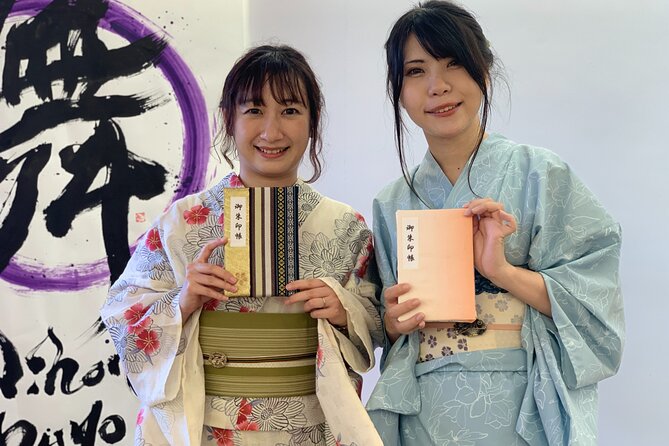
- Eco upcycled materials: kimono scraps, used paper bags, and wrapping paper become your book cover.
- Small group size (max 8): easier conversation and less chaos while you cut and glue.
- Simple, structured steps: paste cover pieces, attach the inside bellows text, then write your title.
- Goshuin meaning built in: you learn what the red seal records—names and dates in ink.
- A practical souvenir: your handmade book is meant for shrine/temple visits, not just display at home.
Goshuin 101: why this handmade book feels different
Goshuin are those famous red-seal style keepsakes you get at Japanese shrines and temples. The details matter: the shrine or temple name, the name of the principal image, and the date of your visit are written in ink. So it’s not just a stamp. It’s a little record of where you went and what you saw.
What I like about this experience is that you make the container first. Instead of buying a ready-made goshuin book, you create a book with your own cover design and title. That changes how you experience the next visit. You’ll be looking at a book that started as scraps and paper bags, then turned into something personal—so when you finally bring it to a shrine or temple, the red seal feels tied to a specific moment of effort, not just a purchase.
And because this class focuses on memory-making, the end goal is pretty clear: you leave with a handmade Goshuin stamp book meant for collecting seals right after you start sightseeing.
Asakusa workshop setup at Pink.AsakusaJapan: where craft meets the city
This activity is in Asakusa, with the meeting point at Japanese Experience Cafe&BAR Pink.AsakusaJapan, inside The Room 浅草 on the 4F. You’ll start there and finish back at the same place—so you’re not doing a complicated route or hunting for a second location.
A few details matter for planning:
- It runs about 50 minutes, which is a friendly length when your day already has shrine streets and shopping stops.
- The group is limited to 8 travelers, keeping things more personal.
- You’ll get a mobile ticket, so you can keep everything simple on your phone.
- It’s near public transportation, which helps if you’re building this into a tight Asakusa schedule.
Also, there’s a practical note for comfort: there’s a step down to the toilet. If you’re someone who prefers level access, keep that in mind.
One more thing I find useful: the venue is a cafe-style space. Reviews mention people enjoying drinks there during or around the class (matcha and smoothies came up). That’s not the main event, but it makes the break feel less like a ticketed workshop and more like a calm pause in a sightseeing-heavy area.
The eco-upcycling materials: kimono scraps, paper bags, and your cover design
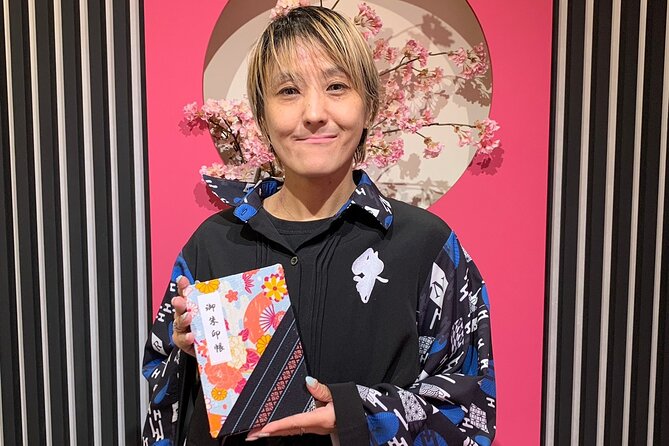
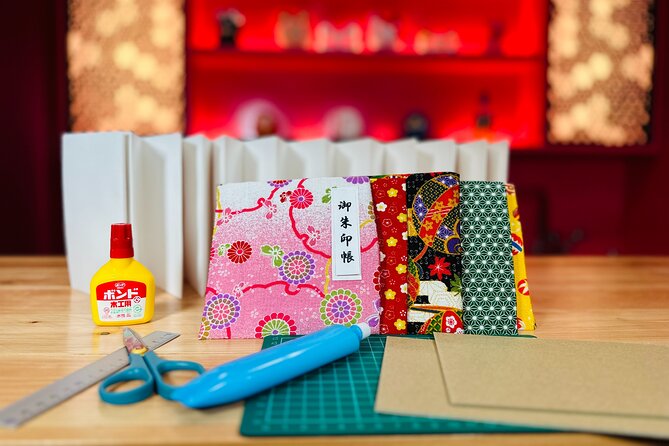
The materials are the heart of this class. You’ll make an eco-friendly upcycled goshuin book by reusing:
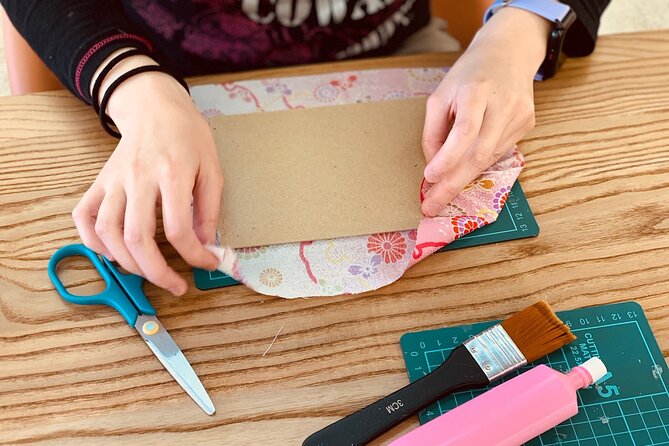
- scraps generated in the kimono manufacturing process
- used paper bags
- wrapping paper
Upcycling, in plain terms, means giving new value to things that would otherwise be discarded—then turning them into something useful and worth keeping. Here, that idea becomes visible the second you start picking pieces to paste on your cover.
What you’re doing isn’t just decoration. Your choices shape the book you’ll use later at shrines and temples. And because the class lets you choose your favorite patterns from the materials, you don’t end up with a generic souvenir. You end up with something that looks like your own taste.
In reviews, people also pointed out the variety of textiles to choose from and praised the paper quality in the finished book. That’s worth taking seriously: goshuin books get handled and opened during visits, so paper that holds up makes the whole experience feel more “real,” not like flimsy craft-paper art.
Making your Goshuin book step by step (and what happens in 50 minutes)
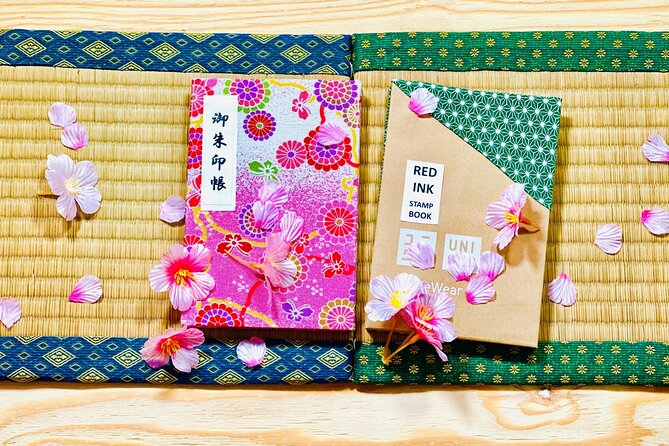
The class is structured, so even if you’ve never made anything like this before, you won’t be guessing.
Here’s the flow:
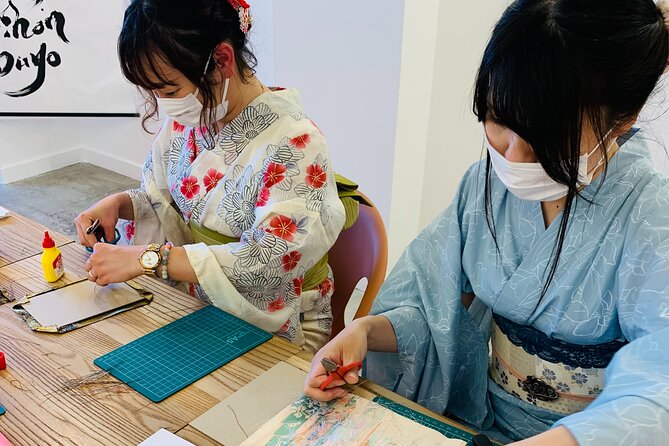
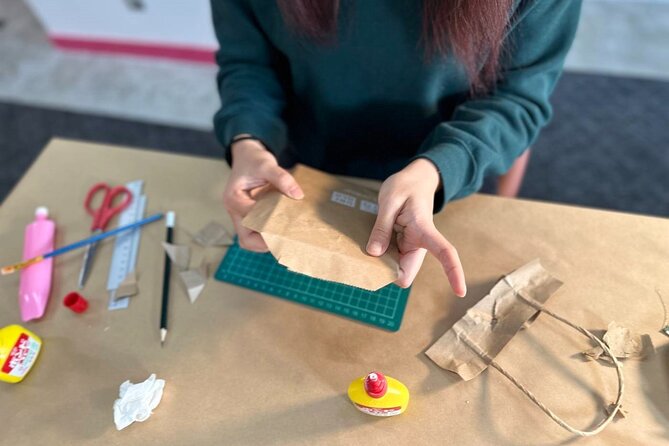
- Choose your favorite materials to paste on the cover. You’re selecting patterns and textures first, before you do any cutting.
- Cut and paste the cover pieces with glue. This is where you start seeing your design come together.
- Paste the cover and the bellows text together. The inside structure is like a fold-out set of pages, designed for writing and collecting stamps.
- Write a title on the cover. The title is your final personal touch.
The support from staff is part of why the class works for beginners. The goal isn’t perfection. It’s getting you to a finished book you’re proud to use.
And the pace matters: it’s short enough that you won’t lose momentum, but long enough to make real decisions about your cover. Most people can finish without feeling rushed, and the small group size helps keep the energy positive.
One practical mindset shift: think of this as a craft break that also sets up your temple game plan. When your book is done, your next stamp feels earned.
Turning the craft into a temple ritual
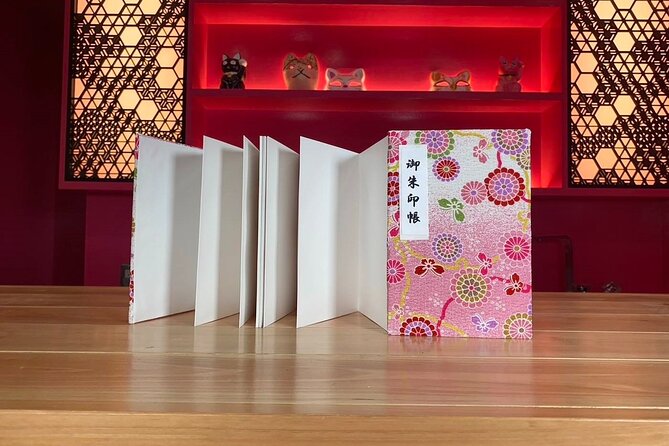
Once your book is built, the idea is simple: take it to shrines and temples so you can receive goshuin. Because goshuin includes the shrine/temple name, the principal image name, and the date written in ink, your book becomes a chronological record of where you went and what you visited.
This is also why the handmade part matters. You’re not only collecting a red seal; you’re keeping a physical story you created. Several people described heading to the nearest temple right after making the book for their first stamp, and I agree with that approach. If you can, schedule the class early enough that you can use the book while the experience is still fresh.
A small planning note: since your goshuin will be added later in ink at shrines/temples, treat your book like a real item you’ll carry. You’ll want it protected in your bag like you would a passport or notebook—just to keep it in good shape for writing and stamping.
Price and value: $32.24 for a keepsake you actually use
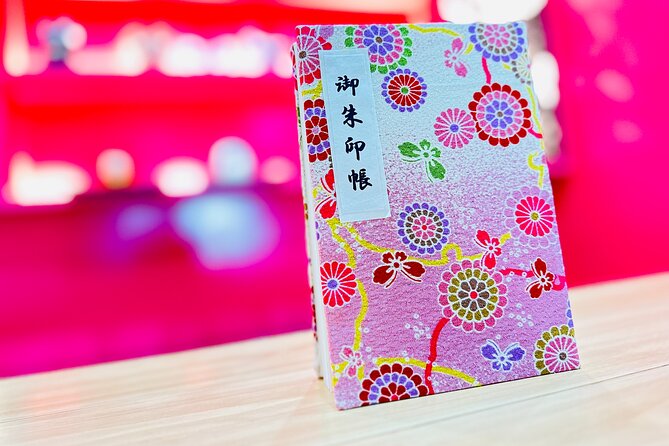
At $32.24 per person, this isn’t the cheapest souvenir class. But it’s also not overpriced when you think about what’s included.
You’re paying for:
- the guided process (so you’re not figuring it out from scratch)
- hands-on materials for making the book cover and inside structure
- a finished goshuin book designed to be used at shrines/temples afterward
- eco-friendly upcycling, which isn’t just a marketing phrase here—the materials are the whole point
The best value is when you connect it to an actual temple plan. If you’re going to get goshuin anyway, making your own book turns that future stop into a bigger story. If you’re only hoping for a quick craft with no intention of using it at shrines/temples, the value drops a bit.
Also, this class sells ahead: it’s commonly booked about 15 days in advance on average. If you’re visiting during a busy season, don’t treat it like an afterthought.
Best times and who this suits (and who should be cautious)
This experience is a strong match if you want:
- a rainy-day friendly indoor activity in Asakusa
- a craft that beginners can do without prior skill
- something meaningful for gifts (people specifically mentioned it as a satisfying, gift-worthy keepsake)
- an eco-friendly souvenir idea that feels tied to Japan, not imported décor
- a break from sightseeing that still connects directly to shrine/temple culture
Families also seem to do well here. Multiple reviews highlighted kids enjoying the creative part, and the class is built so you can keep it simple or add details depending on your comfort level.
Who should be cautious? If you know you need lots of close, one-on-one attention, keep in mind that a busy day can reduce that. One lower rating described the host being occupied with other activity, linked to an event happening at a shrine, which affected how much individual help each person received. In other words: the class is supportive, but it’s still a shared workspace.
If you’re someone who likes asking questions constantly, I’d plan to arrive with a clear idea of what you want your cover to look like. That way, your time is spent building rather than brainstorming from scratch.
Logistics that help your day go smoothly
A few practical points to keep this from becoming a hassle:
- Timing: The class is around 50 minutes, so it can fit between temple visits rather than stealing half a day.
- Location: Start at Pink.AsakusaJapan, The Room 浅草 4F. Because it’s a cafe space, it can be easy to settle in once you find the room.
- Group size: Max 8 keeps it manageable. You should be able to move at a comfortable pace.
- Toilet access: there’s a step down to the toilet.
- Mobile ticket: you’ll have your ticket on your phone, which helps in a city where paper confirmations can get lost.
If you want to do this well, pair it with a next-step plan: after you make the book, head to a nearby shrine or temple while your book is fresh and you’re in the right mindset for goshuin.
Should you book this eco upcycling Goshuin book class in Asakusa?
Book it if you want a keepsake with a purpose. This class isn’t only about making something pretty—it’s about making a goshuin book you can take to shrines and temples, while using eco-upcycled materials that feel genuinely connected to Japanese craftsmanship.
Skip it (or at least lower your expectations) if you only want a quick craft and you’re not planning to actually use the book for goshuin. Also, if you’re the type who needs constant personal guidance, remember that the host may be managing other moments on busy days.
If you’re visiting Asakusa anyway, this is one of the easiest ways to add meaning to the red-seal part of the trip—because you’ll start the story before the stamp even happens.
FAQ
How long is the Handmade Goshuin Book experience?
It runs for about 50 minutes.
Where does the class take place in Tokyo?
The meeting point is Japanese Experience Cafe&BAR Pink.AsakusaJapan, in The Room 浅草 4F in Asakusa.
What is the main thing you make during the class?
You make an eco-friendly upcycled goshuin stamp book, designed to be used when you visit shrines and temples.
What materials are used for the upcycled book cover?
You use scraps from kimono manufacturing, plus used paper bags and wrapping paper.
Is the class suitable for beginners?
Yes. The staff provides support, and most people can participate.
How big is the group?
The class has a maximum of 8 travelers.
Do I need anything in advance?
You’ll receive confirmation at booking, and you’ll use a mobile ticket.
Is there free cancellation?
Yes. You can cancel up to 24 hours in advance for a full refund.
Is there any accessibility note to know?
The toilet has a step down.