REVIEW · LETICIA
Amazon Unveiled: Private Ancestral Immersion & Conscious Luxury
Book on Viator →Operated by Oxígeno Amazonas · Bookable on Viator
Amazon nights, without the tourist haze. This private 5-day experience from Leticia down the Amazon River into Puerto Nariño feels like stepping into real life at river speed, with conservation-minded stops in Colombia and Peru.
What I like most is the mix of community-based access and nature that’s not staged. You get a private jungle cabin managed by a Ticuna family, then long, early wildlife time—up close to things like Pirarucú and Victoria Regia, and later the chance to be on the water for pink and grey river dolphins.
One consideration: this is not a sit-and-snack trip. Expect slippery trails, humid conditions, and lots of walking and boat time, plus the usual jungle reality like limited creature comforts.
In This Review
- Quick reasons this Amazon trip works
- Leticia to Puerto Nariño: the river sets the pace
- Day 1 in the jungle: Ticuna cabin dinner and real nocturnal life
- Puerto Nariño mornings: mist, Wochine Reserve, and giant-water-plant moments
- Puerto Nariño in daylight: sustainable town vibes and the Natütama Museum
- Crossing into Peru by private boat: Cacao Island culture time
- Lago Tarapoto at sunset: Ramsar protection, dolphins, and piranha fishing
- Mocagua and Maikuchiga: primates, ethnobotany, and flooded-forest trekking
- Pink river dolphins: what to expect (and how to handle it)
- Food and comfort: what conscious luxury actually means here
- Price and logistics: is $1,103.90 good value?
- Who should book Amazonas Unveiled (and who should think twice)
- Should you book this Amazon experience?
- FAQ
- Is this tour private?
- What’s included in the price?
- Do I need to book flights separately?
- What wildlife and nature experiences are part of the trip?
- What should I pack for jungle treks and night activities?
- Is good weather required?
Quick reasons this Amazon trip works
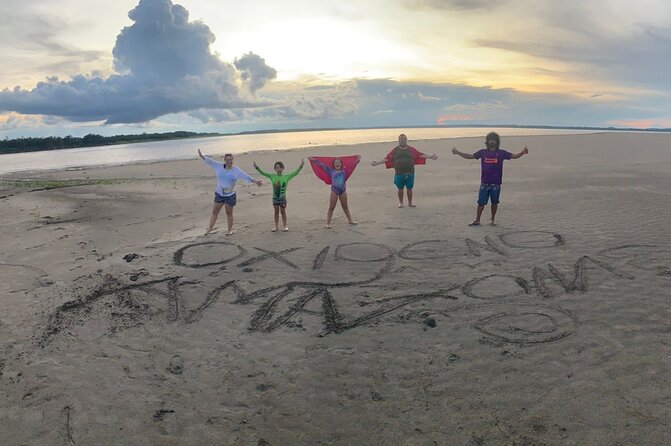
- Ticuna-hosted jungle cabin with a wood-fired dinner and real night sounds
- Wochine Reserve morning trek with wildlife sightings, including Pirarucú and Victoria Regia
- Peru crossover by private boat to Cacao Island and Tarapoto Lakes
- Ramsar-protected Tarapoto Lakes with sunset, piranha fishing, and dolphin time
- Flooded-jungle dolphin search plus artisanal fishing or a private swim
- Maikuchiga primate rehabilitation in Mocagua with hands-on ethnobotany learning
Leticia to Puerto Nariño: the river sets the pace
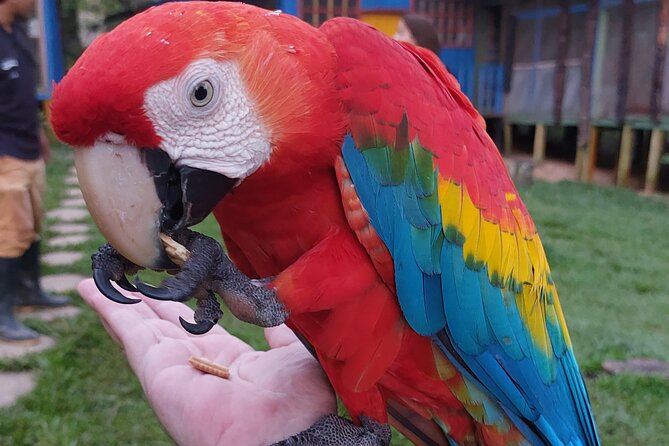
Your trip starts at the port in Leticia with a private greeting, then you ride the Amazon River along a scenic route to Puerto Nariño. It’s about 70 km, and the point isn’t speed—it’s the way the river gradually changes how you notice the world.
Puerto Nariño is special for a simple reason: it’s largely car-free. That quiet matters when you’re heading into the rainforest. You’re not constantly fighting noise, headlights, and traffic, so wildlife and plant life feel closer and less interrupted.
After a guided walk through the port area, you trade river air for rainforest air on a trek into the greenery. You’re going deep enough that the “jungle sounds” stop being background and start being the main event—especially once night falls.
Day 1 in the jungle: Ticuna cabin dinner and real nocturnal life
On Day 1, you’ll walk about 2 km into the rainforest to a private jungle cabin run by a local Ticuna family. This is the kind of accommodation that changes the tone of the trip. Instead of being treated like a visitor watching culture from the edge, you’re hosted inside it.
Dinner is wood-fired, and that detail sounds small until you taste the difference. It also fits the whole vibe of the trip: practical, local, and grounded in how people actually live here.
Then comes the part people remember: the night. You’ll witness the Amazon’s nocturnal life, which is exactly what it sounds like—jungle behavior after dark. In the feedback from past groups, the night experience has included guided nighttime exploration led by indigenous expertise, which adds context to what you’re seeing (and helps you not miss the important stuff).
If you’re the kind of person who gets spooked by bugs, you’ll want to be ready. Bring repellent and a flashlight, because jungle lighting is not the same as street lighting.
Puerto Nariño mornings: mist, Wochine Reserve, and giant-water-plant moments
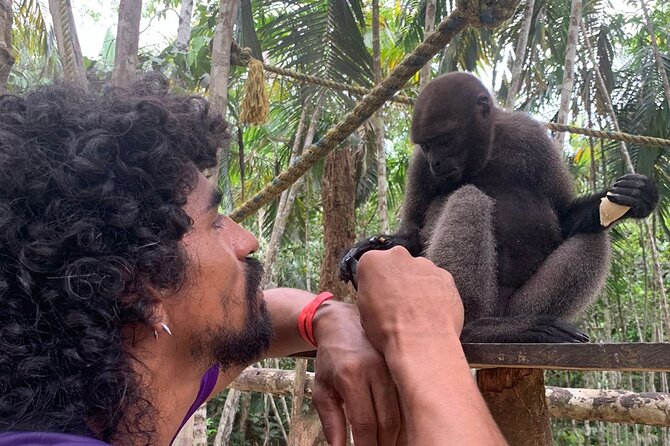
Day 2 starts with a misty sunrise—tall trees, quiet air, and that early rainforest chorus. It’s a good reminder that the Amazon isn’t just wildlife drama. It’s routine. The rhythm is what you’re learning.
The morning trek goes to the Wochine reserve, where you’ll enjoy a traditional breakfast and get surprise wildlife visits. This is also where the program leans into real Amazon biodiversity rather than a checklist of big animals.
Two standouts described for this day:
- Pirarucú, the largest scaled fish in the Amazon
- Victoria Regia, the planet’s largest lotus flower
These aren’t just photo targets. They help you understand how flood cycles and water systems shape everything—from what grows to what survives.
Even the walking can be a reality check. Trails can be slippery, and you’ll be in hot, humid air. If you’re in decent shape, you’ll keep moving without turning it into a slog.
Puerto Nariño in daylight: sustainable town vibes and the Natütama Museum
In the afternoon, you get an intimate city tour of Puerto Nariño, described as Colombia’s first certified sustainable town. One of the joys here is how “town” doesn’t mean paved roads and malls. You’ll see colorful wooden houses, meet local artisans, and visit the Natütama Museum.
The museum connection is smart: it focuses on the underwater world of the river. That matters because the Amazon is watery in ways many first-time visitors don’t expect. You start thinking in currents, not just trees.
Dinner wraps the day with typical Colombian food, which is exactly how I like these trips. You don’t just leave town for nature—you eat like you’re part of the region while you’re there.
Crossing into Peru by private boat: Cacao Island culture time
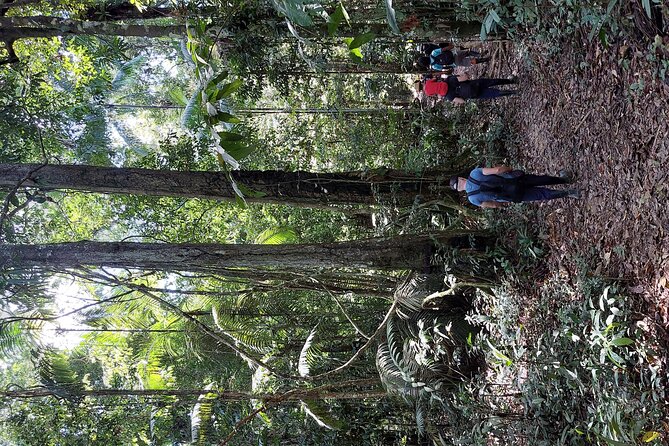
Day 3 is where the trip shifts from Colombia-only into a wider Amazon story. After breakfast, you’ll take a private boat journey across the Amazon River to Cacao Island in Peru.
Here the day is split between tracking wildlife and meeting people. You’ll track a sloth bear in the Yarumo forests (that’s how the program frames it), then visit the community of San Antonio del Cacao.
This part is about the human side of the Amazon: mythology, traditional natural medicine, and everyday life shaped by the forest. It’s the difference between sightseeing and understanding.
Lunch is described as authentic Peruvian food. When you’re moving across borders in a region like this, meals often become the clearest cultural link you’ll have all day.
Lago Tarapoto at sunset: Ramsar protection, dolphins, and piranha fishing
Later on Day 3, you sail to the Tarapoto Lakes, a protected site under the Ramsar system. This is a big deal for wildlife habitat, and it also affects what the water and shoreline look like during the sunset hours.
You’ll have one of those “how is this real?” moments as the light drops. The program also includes:
- piranha fishing
- a private swim in the lake
- time alongside pink and grey river dolphins
Note the order and the setting: it’s not a brief look from a dock. You’re on the water in real conditions, with wildlife in their home water. That’s thrilling, but it also means you’ll feel the heat and humidity more than you would on land.
As darkness falls, you head into a night safari for black caimans and other nocturnal wildlife. This is a good day for anyone who wants the Amazon to feel raw and alive, not polite and quiet.
Mocagua and Maikuchiga: primates, ethnobotany, and flooded-forest trekking
Day 4 brings an indigenous community focus. You travel to Mocagua to explore traditional houses and crops. Then you trek through mainland and flooded forests to Maikuchiga, a dedicated primate rehabilitation center.
This is one of the most meaningful parts of the whole week. Primate rehab changes how you think about conservation. You’re not just seeing animals; you’re seeing how communities respond when wildlife is harmed.
You’ll learn ethnobotany, which is practical plant knowledge—how people understand the forest using their senses and experience. You also get direct interaction with rescued species listed by the program: woolly monkeys, capuchins, and squirrel monkeys.
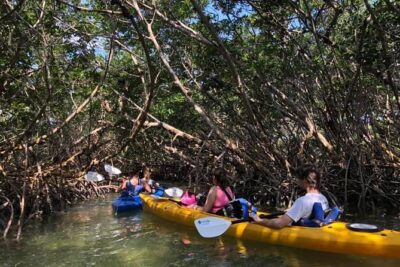
From there, the day continues into flooded-jungle conditions. You’ll set sail looking for pink river dolphins, with options that can include artisanal fishing or a private swim in calm, mirror-like waters. Sunset from the water is part of the magic here, and it’s not just scenery—it’s the moment when the river shifts from day behavior to night behavior.
Pink river dolphins: what to expect (and how to handle it)
River dolphin time can be the highlight, but it helps to know what makes it work. You’re on a moving water route, often in low light at sunset. That means visibility, wind, and timing all matter.
What makes this trip’s dolphin emphasis feel different is that it’s paired with flooded-jungle exploration and fishing options. You’re not only waiting for a sighting—you’re experiencing the water system that supports the dolphins.
You’ll want to be comfortable being on a small boat for stretches. In the feedback from past guests, getting in and out of boats and sitting in hot, humid conditions has been part of the challenge. The flip side is the payoff: when dolphins appear, you’ll be close and present.
Food and comfort: what conscious luxury actually means here
“Conscious luxury” can sound like marketing, but in this case it mostly shows up in the details. A lot of the week is built around locally managed spaces and community connections, from a Ticuna-run cabin to museum time and rehabilitation work.
Meals are included—breakfasts (4), lunches (4), and dinners (4)—and you’ll be eating typical regional food throughout the trip. There’s a translator available in Puerto Nariño for the full 5 days, which helps you ask questions without guessing.
Comfort-wise, you’ll spend time in jungle conditions and small-town lodging. Past visitors have noted that rooms can have air conditioning, and Wi‑Fi is available at the lobby of the Wikungo Puerto Nariño hotel. That’s not a luxury in the usual sense, but it matters for practical things like messaging home and planning camera batteries.
One caution: limited hot-water comfort has come up in the experience. In the Amazon, you can’t treat everything like a city hotel, so pack with that mindset.
Price and logistics: is $1,103.90 good value?
At $1,103.90 per person for about 5 days, the price is not cheap. The good news is that a lot of what you’d normally pay extra for is already built in.
You get:
- airport transfers
- meals across the days (breakfast/lunch/dinner included counts as real value)
- a translator for the Puerto Nariño stretch
- included activities like reserve and museum time (described as admission ticket free for stops)
- rubber boots provided for treks
What’s not included is also clearly spelled out: flights, alcoholic drinks, and the airport/departure tax (COP 50,000 per person).
The biggest factor behind the value is not the number on the price tag—it’s the scope. You’re doing cross-border Amazon time (Colombia to Peru), private water travel, multiple wildlife-focused environments, and community-based cultural stops. That’s the kind of itinerary that costs more when you try to assemble it alone.
If you’re the kind of traveler who hates scrambling for taxis, last-minute guides, and unclear schedules, this private structure is where your money goes.
Who should book Amazonas Unveiled (and who should think twice)
This trip fits best if you want:
- wildlife time with real guidance, not just quick views
- a strong community thread (Ticuna hosting, cacao community learning, primate rehabilitation)
- a mix of boat days and forest walks
- a private setup so your group can move with less friction
It might not be ideal if you:
- hate walking on muddy or slippery trails
- get uncomfortable in hot, humid small-boat situations
- need high-end hotel comforts as a priority
You’ll likely have a smoother time if you’re ready for jungle workouts and pack like someone going outdoors, not like someone going sightseeing.
Should you book this Amazon experience?
I’d book it if you want a private, guided Amazon week that mixes flooded-jungle adventure with community-connected conservation. The program’s strongest value is how it pairs nature (lakes, dolphins, caimans, giant plants) with people who understand the ecosystem up close.
Before you commit, be honest about your tolerance for uneven trails and boat time. If you can handle that, the payoff is enormous. If not, you’ll spend too much energy negotiating discomfort instead of enjoying the Amazon.
FAQ
Is this tour private?
Yes. It’s described as a private tour/activity, with only your group participating.
What’s included in the price?
The tour includes airport transfers, a translator available in Puerto Nariño for the 5 days, Wi‑Fi at the hotel lobby of Wikungo Puerto Nariño, and meals (4 breakfasts, 4 lunches, and 4 dinners).
Do I need to book flights separately?
Yes. Flights are not included. You’ll also want to plan for the airport/departure tax of COP 50,000 per person.
What wildlife and nature experiences are part of the trip?
You’ll be in environments like the flooded jungle, Wochine reserve, Tarapoto Lakes (Ramsar protected site), and primate rehab areas. The program specifically references Pirarucú, Victoria Regia, black caimans, and dolphin time including pink and grey river dolphins.
What should I pack for jungle treks and night activities?
Bring a poncho or raincoat and a flashlight. For treks, wear light-colored long sleeves and long pants, and plan for insect protection. Sunscreen, mosquito repellent, sunglasses, and a bathing suit are also recommended. Rubber boots are provided, and you should pack thick long socks.
Is good weather required?
The experience requires good weather. If it’s canceled due to poor weather, you’ll be offered a different date or a full refund.