REVIEW · KAMPALA
Entebbe Eco Tour – Full Day
Book on Viator →Operated by Gazelle Safari Company · Bookable on Viator
Shoebills and wildlife rescue in one day. This Entebbe eco tour packs four hands-on stops into a long but well-paced route, from the Uganda Wildlife Conservation Education Centre to bird watching in the Lake Victoria wetlands. I love that the day links conservation with real places you can see, not just photos.
Two things I especially like: you get an English-speaking driver-guide from the start, and admission fees are built into the price for every main site. I also like that the plan includes a Ugandan lunch with a soft drink or mineral water, so you are not hunting for food between stops.
One thing to think about: expect a 9–10 hour day and some early starts. Also, if you are very focused on the shoebill experience, it’s worth asking what boat/landing logistics will look like on your exact booking, since not everyone reads the same details the same way.
In This Review
- Key things to know before you go
- The big picture: what a full-day Entebbe eco route is really like
- Uganda Wildlife Conservation Education Centre: animals with a purpose, not just displays
- Mabamba Swamp and the shoebill: boat transfers, patient birding, big payoff
- Entebbe Botanical Gardens: shade, birds, and a cliff view that rewards the walk
- Uganda Reptile Village: snakes and crocodiles, explained with an education lens
- Kigungu: a short stop for religious history in Uganda
- Transportation and timing: why the 4WD minibus matters
- Food on the tour: lunch in the middle of wildlife time
- Price and value: what $270 gets you in real terms
- Small practical tips so your day runs smooth
- Who this tour suits best
- Should you book the Entebbe Eco Tour – Full Day?
- FAQ
- How long is the Entebbe Eco Tour – Full Day?
- What time does the tour start?
- Is pickup included?
- What’s included in the price?
- Are admissions to the sites covered?
- What food is provided during the day?
- What should I bring for a moderate fitness day?
- Is this tour private?
- What is the cancellation window?
Key things to know before you go
- Conservation first at the Wildlife Conservation Education Centre: rescues, rehab, and a big mix of animals and birds in one place
- Mabamba Swamp shoebill chances: you’re in wetland territory on Lake Victoria’s edge for dedicated bird spotting
- Botanical Gardens plus a cliff viewpoint: you get shade, bird life, and Entebbe Peninsula views
- Reptile Village is community-based: education around snakes, lizards, turtles, and crocodiles
- Transport and admissions are included: you’re not juggling cash between stops
- A lunch stop is part of the day plan: fewer stress breaks, more time outside
The big picture: what a full-day Entebbe eco route is really like
This tour is built for people who want more than a quick look around Entebbe. You’re moving through very different settings in one go: a wildlife rescue and education center, a wetland boat zone, a historic-feeling garden area, a reptile learning spot, and then a short religious-history stop at Kigungu. The result is a day that feels varied, but not random.
At the start, pickup is offered and you roll out at 8:30 am. You’ll be in a private 4WD minibus with an English-speaking driver-guide. That matters because distances are real, and having a guide handle logistics saves you from the scattershot feeling you get when you try to do Entebbe on your own.
The route also has a clear theme: how conservation and local knowledge connect. Even when you’re just watching birds, you’re also learning how these places are protected and why people care.
Uganda Wildlife Conservation Education Centre: animals with a purpose, not just displays
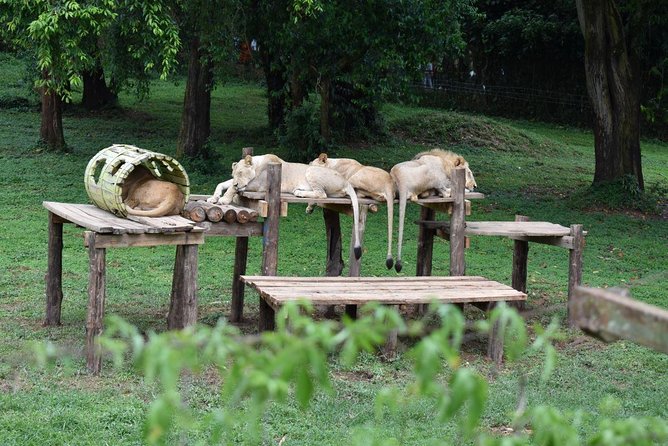
Your first major stop is the Uganda Wildlife Conservation Education Centre, established in 1952 with a mission focused on rescuing and rehabilitating injured and orphaned wildlife. The site is home to over 400 indigenous animals, plus 500 plant species and 250+ bird species. It’s the kind of place where you can see wildlife up close and also understand the reason it’s there.
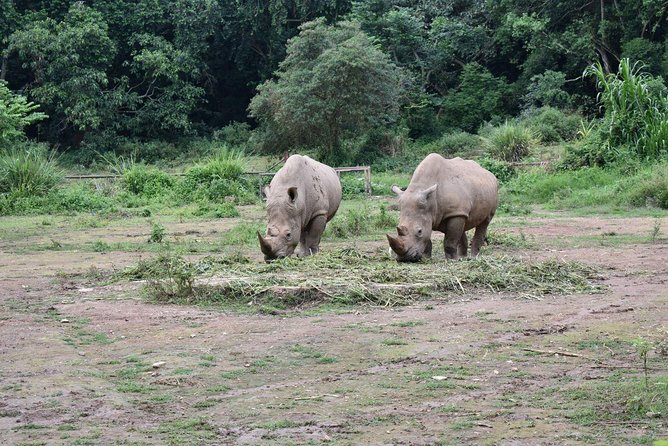
What you can expect to see includes zebra, antelopes, giraffes, cheetahs, rhinos, chimpanzees, warthogs, lions, and lots of birds and reptiles. The list alone hints at the day’s tone: you’ll be shifting between large animals and smaller details like bird activity.
This is also where the eco part becomes practical. You’re not only looking; you’re learning how rescue and rehab fit into Uganda’s conservation story. The center is also a strong start because it sets expectations for the rest of the day. By the time you reach the wetlands, you already understand what “wildlife protection” means beyond a slogan.
Practical note: the stop runs about 2 hours and admission is included. That’s long enough to take your time, but not so long that you lose the momentum of the full-day schedule.
Mabamba Swamp and the shoebill: boat transfers, patient birding, big payoff
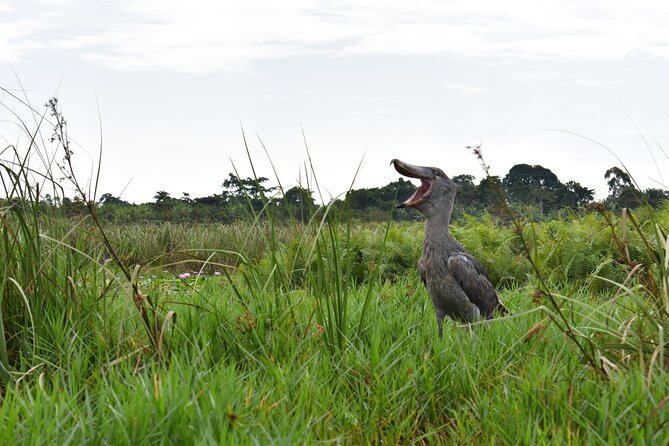
Next up is Mabamba Swamp, positioned on the edge of Lake Victoria, north west of the Entebbe Peninsula. This is the dedicated shoebill birding highlight. The wetland is home to protected bird species, including the endemic shoebill stork, along with 260+ bird species in the broader area.
Birding here is less about ticking boxes from a checklist and more about being in the right wetland habitat with people who know where to look. In the best moments, you get that almost prehistoric-feeling sight of a shoebill that looks like it belongs in an older world. That’s exactly the kind of moment people praise, especially when the birding becomes focused rather than rushed.
The stop is about 2 hours. Mabamba boat transfers and entrance fees are included, which is a big deal because you don’t want to budget extra just to reach the viewing areas. Still, one review concern mentioned confusion about whether specific transfers were included, so I’d handle this simply: when you confirm, ask for clarity on what the boat transfer covers in your package and what meeting point you’ll use in the swamp area.
What to bring mindset-wise: expect a wetland environment. Even if rain isn’t falling, mornings can feel damp. Comfortable shoes help because this day mixes garden walking with swamp-adjacent movement.
Entebbe Botanical Gardens: shade, birds, and a cliff view that rewards the walk
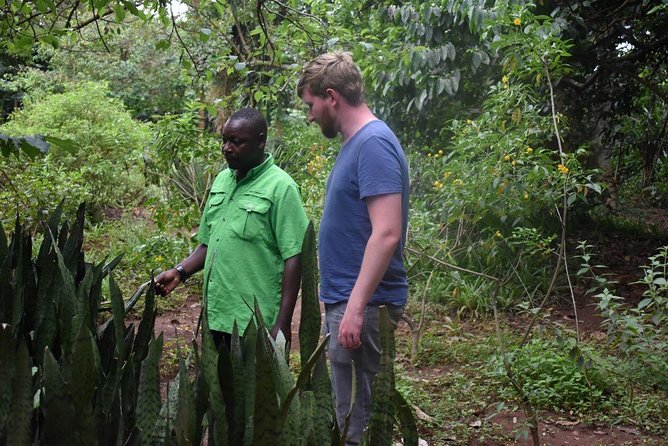
After the wetlands, you switch to greener, calmer footing at the Entebbe Botanical Gardens. This eco-zone was established in 1898, and the idea here is protection plus long-running plant life. You’ll get fresh air, bird spotting opportunities, and a walk that leads toward a cliff area for views of the Entebbe Peninsula.
This is a solid break from the heavier wildlife intensity of earlier stops. It’s also one of the few places on the route where the “slow down and look” style works well. You can pause for birds, check out trees and older plant life, and then enjoy the view once you reach the cliff.
The stop runs about 2 hours and admission is included. That length feels about right: enough time to wander and catch birds, with space to enjoy the scenery without rushing.
If you like wildlife but also want the day to feel balanced, this garden portion is where it often clicks. It turns the tour from wildlife safari mode into a nature-walk rhythm.
Uganda Reptile Village: snakes and crocodiles, explained with an education lens
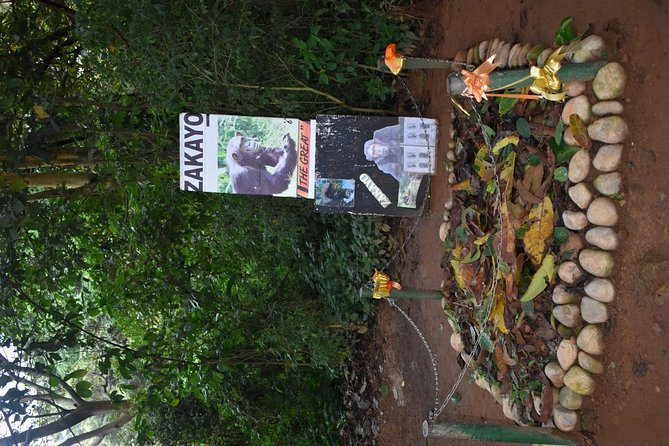
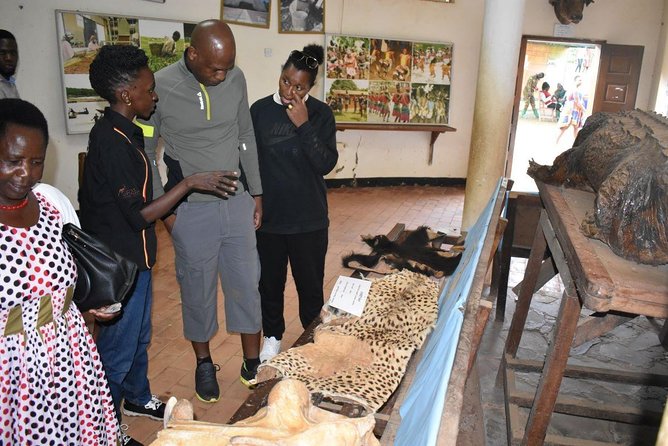
Uganda Reptile Village is a community-based organization established in 2003 with a mission to educate people on eco-tourism and the importance of protecting reptiles. The focus is on 20+ reptile species and a total of 50+ reptiles, which is a lot of living variety for one stop.
The kinds of animals you may see include mambas, pythons, vipers, cobras, puff adders, tortoises, monitor lizards, crocodiles, and chameleons, among others. Even if you do not love snakes, this is usually where people’s fear gets replaced by curiosity because you’re getting context about how reptiles live and why they matter.
This stop runs about 2 hours and admission is included. I like the length because it gives the guide time to explain without turning it into a fast photo stop. Also, the education angle is important for visitors who want to leave with better understanding, not just scary sightings.
One practical thought: reptiles mean you might be indoors or in sheltered areas depending on conditions. Wear layers if it’s cool, since morning and afternoon temperatures can shift.
Kigungu: a short stop for religious history in Uganda
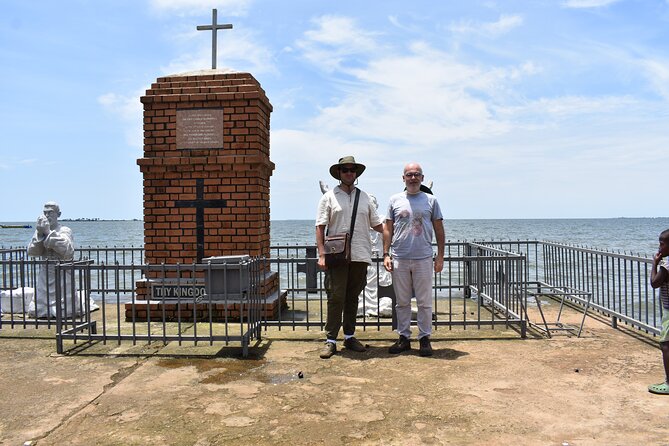
The last stop is Kigungu, described as the arrival point of Catholicism in Uganda in the 18th century. This portion is shorter, about 1 hour, and admission is listed as free.
This stop gives the day another dimension. After wildlife and wetland nature, you get a chance to connect with the historical and cultural layer of Entebbe. If you like learning the why behind what you see, Kigungu adds a meaningful counterpoint.
Because it’s only an hour, it won’t drain your energy. It’s also a nice way to end without finishing the day feeling like you still need to do another full activity.
Transportation and timing: why the 4WD minibus matters
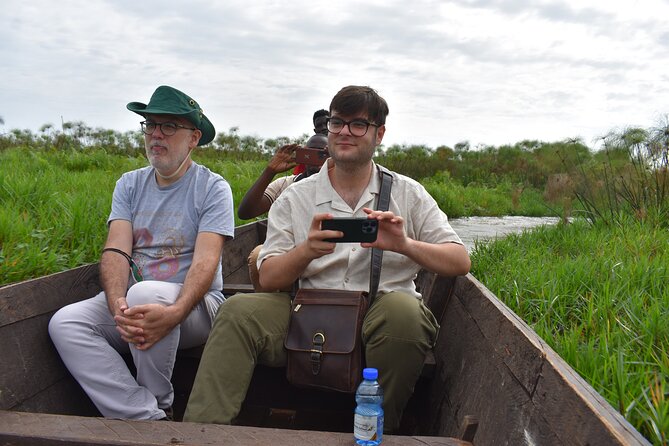
Your day runs roughly 9–10 hours with a 8:30 am start. You’re using private transport in a 4WD minibus with fueling included. That detail matters in Uganda because roads and travel times can vary.
A private vehicle also helps keep your day smooth when conditions change. If you have a group that wants to focus on birds first or go at a slower pace through the gardens, the guide can adjust the flow. One review highlighted that they asked the guide to focus on shoebill, the zoo, and the botanical gardens, and the day matched that emphasis. That’s a good sign if your personal priorities are clear.
The tour is private in the sense that only your group participates. The listing also mentions group discounts as a feature, which usually means there may be savings if you travel in a group booking rather than as a solo traveler. If you’re traveling alone, don’t count on a discount. If you’re traveling with friends, it can be worth asking how pricing works for group size.
Food on the tour: lunch in the middle of wildlife time
Lunch is included: an Ugandan meal with a soft drink or mineral water. The big value here is not just the food itself. It’s that lunch happens inside the schedule, with no guessing where you’ll find something decent at the right time.
From the tone of feedback, people tend to remember the lunch as part of the day, not an afterthought. In a full-day itinerary like this, that matters. You want a meal that keeps energy up for the later stops, especially once you’re moving through reptile territory and history sites.
Bring your water habit too. Even though mineral water is included with lunch, you’ll still want to pace yourself across the full day.
Price and value: what $270 gets you in real terms
At $270 per person, this is not a budget “just get in a car” day. But the value is in the mix of included costs and the time you’re buying.
Here’s what’s covered in the price:
- Mabamba boat transfers and entrance fees
- Transport in a 4WD minibus
- Admission fees per site visited
- Ugandan lunch with a soft drink or mineral water
- English-speaking driver-guide
That matters because admission fees plus boat transfer costs can add up quickly if you do this independently. The guide also makes the day work smoothly. Wildlife spots, wetlands, and education centers each require different kinds of attention, and you’ll waste less time when someone knows how to connect the dots.
So who is it a good deal for? If you want a structured eco day with minimal hassle, and you care about seeing the shoebill area plus conservation sites, it tends to feel worth it. If you just want a quick look and you’re comfortable taking taxis and managing your own entrance fees, then the price might feel steep for a single day.
My practical approach: consider it good value if you’d otherwise pay for a private guide plus admissions plus boat transfer. If you are already planning to self-drive between locations, compare what you’d realistically pay for those items.
Small practical tips so your day runs smooth
This tour is built for moderate physical fitness. You should be ready for walking on uneven ground in places and general outdoor time. The good news is the itinerary is paced with 1–2 hour blocks, so you’re not trapped in one location too long.
Here’s how I’d prepare:
- Wear comfortable closed-toe shoes for garden paths and any rougher ground near wetland viewing areas.
- Bring a light rain layer. One guide experience included a raincoat and a safari blanket handed over for early-morning comfort, which hints that conditions can shift fast.
- If shoebills are your top priority, say so early to your guide. The day is structured around that theme, but a good guide will also manage your expectations and timing so you can make the most of the window.
- Plan for a full day. This is the kind of tour where you’re thankful you started early and you can rest later.
Also, keep flexibility in mind. On public holidays and busy seasons, restaurant options and timing can tighten. One trip reflection noted that limitations outside the tour provider’s control can affect choices. So don’t schedule something demanding immediately after your return.
Who this tour suits best
This is a great match if you:
- want wildlife and birds but also care about conservation education
- like animal viewing with context, not just quick sightseeing
- enjoy history and culture enough to appreciate a short Kigungu stop
- prefer a guided day that handles admissions and transport
It’s also a good fit for first-time visitors to Uganda who want a “big sample platter” of what Entebbe offers. You get rescued wildlife, wetland birding, garden calm, reptile education, and a cultural history piece, all within one day.
If you dislike long days or you only want one specific stop, you may feel this itinerary is too packed.
Should you book the Entebbe Eco Tour – Full Day?
Book it if you want a structured, conservation-centered day that actually moves you through Entebbe’s best contrasts: rescue center to wetland birding to gardens to reptiles to Kigungu. The biggest strength is that so much of the cost is handled for you, including admissions and boat transfers, so you can focus on the experience.
Skip or consider alternatives if:
- you only care about one stop and don’t want a packed schedule
- you’re traveling very light and don’t want to think about rain and full-day walking
- you’re extremely strict about logistics for the shoebill viewing moment, since it’s smart to confirm what transfer details apply to your exact booking
My bottom line: for most visitors who want a high-value, guided eco day in Entebbe, this one makes sense.
FAQ
How long is the Entebbe Eco Tour – Full Day?
The tour lasts about 9 to 10 hours.
What time does the tour start?
The start time is 8:30 am.
Is pickup included?
Yes, pickup is offered.
What’s included in the price?
Included items are Mabamba boat transfers and entrance fees, private transport in a 4WD minibus with fueling, Ugandan lunch with a soft drink or mineral water, admission fees per site, and an English-speaking driver-guide.
Are admissions to the sites covered?
Yes. Admission fees per site visited are included, and the Mabamba boat transfers and entrance fees are included as well.
What food is provided during the day?
Lunch is included and it includes an Ugandan meal plus a soft drink or mineral water.
What should I bring for a moderate fitness day?
You should have a moderate physical fitness level. Wear comfortable shoes for outdoor walking, and consider bringing a light rain layer since conditions can change in the morning.
Is this tour private?
It’s listed as private, meaning only your group participates.
What is the cancellation window?
Free cancellation is available up to 24 hours in advance for a full refund, based on the experience’s local time.