REVIEW · HAWAII
Maui: Eco-Friendly Whale Watching Tour from Ma’alaea Harbor
Book on GetYourGuide →Operated by PWF Eco Adventures · Bookable on GetYourGuide
Humpbacks put on a show fast. This 2-hour ride out of Ma’alaea Harbor Village is led by certified Marine Naturalists who help you spot mother-and-calf behavior, listen for whale songs with hydrophones, and understand what you’re seeing as it happens. I love the practical, science-first vibe (it’s not just watching) and I love that you get onboard underwater hydrophones so the whales feel closer than you’d expect. The main trade-off: at $88 per person, you’re paying for a short cruise, and there are no snacks or beverages included.
I also like that the experience is tied to conservation. This nonprofit organization supports ocean research, education, and conservation, so your ticket isn’t just a one-off outing. If you’re prone to seasickness, plan ahead—medicine taken an hour before departure is specifically recommended for that reason.
In This Review
- Key things that make this tour worth your time
- Ma’alaea Harbor Village Check-In: Start Where the Ocean Work Happens
- The 2-Hour Cruise in Ma’alaea: What You Actually Do on the Water
- Underwater Hydrophones: The Most Memorable Upgrade for $88
- What You’ll Likely See: Breaches, Calves, Songs, and Competition
- Marine Naturalists On Board: The Difference Between a Tour and an Education
- Kids, Reef-Safe Courtesy, and What to Bring (Besides Your Best Shoes)
- Rentals, Photo Card, and the Handy Extras That Save Hassle
- Price and Value: Is $88 for Two Hours a Fair Deal?
- Eco-Friendly in Practice: What “Nonprofit Impact” Means for Your Day
- Who Should Book This Tour, and Who Might Prefer Another Option
- Should You Book This Maui Whale Watching Tour From Ma’alaea?
- FAQ
- Where do I meet for this whale watching tour?
- How long is the tour?
- How much does it cost?
- What’s included with the tour?
- Do you provide reef-safe sunscreen?
- Can I rent a camera or binoculars?
- Is the tour good for children?
- What if I get seasick?
- Are snacks and drinks included?
- Is smoking allowed on the tour?
Key things that make this tour worth your time
- Certified Marine Naturalists guide the spotting and explain humpback behavior as you watch
- Underwater hydrophones let you hear whale songs during the cruise
- Whale sightings guaranteed (or go again for free), so you’re not left hanging if the ocean is quiet
- Jr. Naturalist Program keeps kids engaged without turning it into a babysitting service
- Reef-safe sunscreen is available (and there’s an onboard discounted option if you need more)
- Nonprofit impact: profits support ocean research, education, and conservation
Ma’alaea Harbor Village Check-In: Start Where the Ocean Work Happens
You’ll meet at Pacific Whale Ocean Store in the Harbor Shops of Ma’alaea. It’s a handy setup because you’re right at the harbor, not driving across town and then playing travel roulette with timing. If you’re coming by car, parking in the harbor lots and around Maui Ocean Center area lots requires payment, and the signs direct you to pay by phone. Give yourself a few extra minutes here so you don’t stress before you even see your first whale.
What I like about this kind of departure point is that it keeps the day simple. You’re not doing a complicated multi-transfer itinerary; you’re getting on the boat and focusing on the marine part of Maui.
The 2-Hour Cruise in Ma’alaea: What You Actually Do on the Water
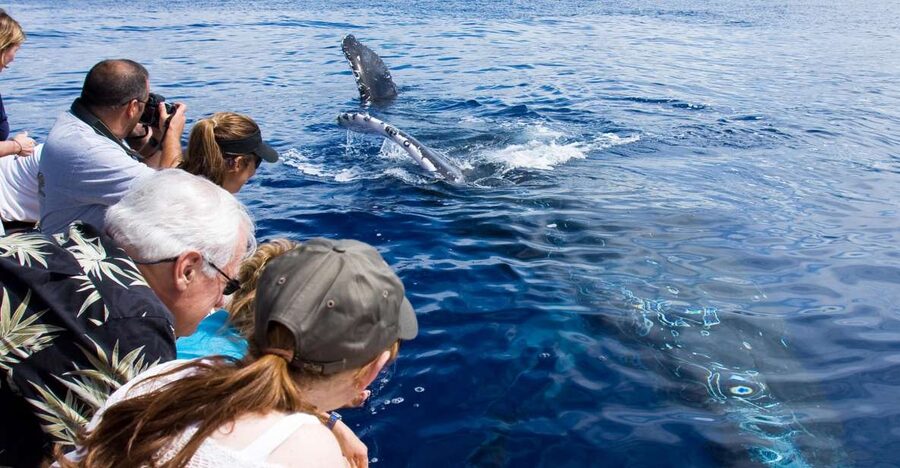
This is a straightforward plan: you cruise out from Ma’alaea Harbor Village, whale-watch for about 2 hours, and then head back to the same starting point. There aren’t many “moving parts,” which matters for a whale trip. You want your time on the water, not trapped in logistics.
Once you’re aboard, the tour’s rhythm is guided by the Marine Naturalists. They provide interpretation of humpback whale behavior and characteristics, so the trip becomes more than spotting distant spouts. The tour is designed around how humpbacks move and interact: mothers and calves, males competing, and the full mix of social behavior that makes humpbacks famous.
A practical note: if you tend to get seasick, plan for it. The tour notes recommend taking motion-sickness medicine one hour prior to departure. That’s not a “maybe.” It’s the kind of preventive step that can decide whether you enjoy the day or spend it feeling miserable.
Underwater Hydrophones: The Most Memorable Upgrade for $88
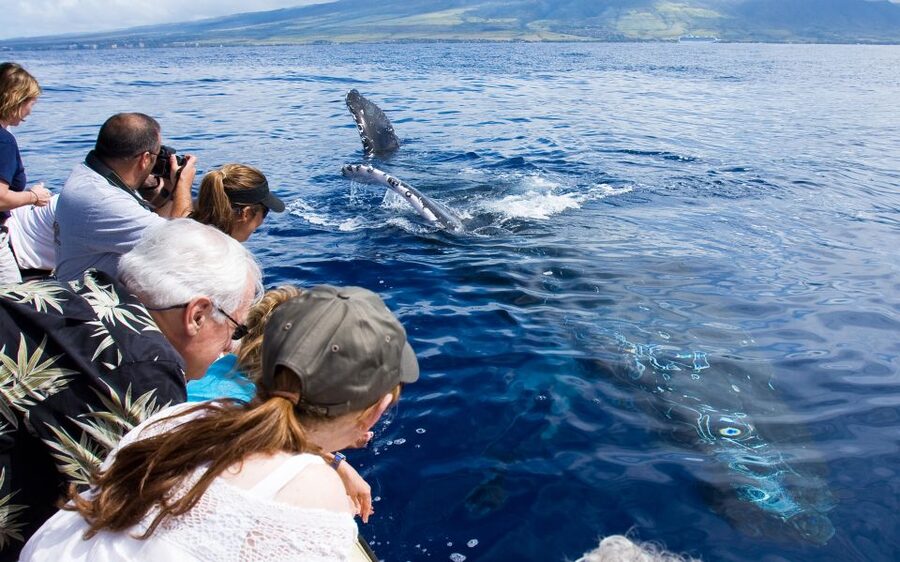
Most whale tours show you whales. This one also tries to connect you to whale sound.
The standout included feature is underwater hydrophones. That means you can hear whale songs through the water rather than only from the surface. In plain terms: it turns “cool animals” into “active communication.” When a whale is singing, you’re not just seeing behavior—you’re getting the soundtrack, and it helps you understand why humpback activity isn’t random.
If you’re the type who likes your experiences to have both visual and educational payoff, hydrophones are a big deal. They also help kids stay focused. A whale that’s a bit far away can still feel close when you can hear what’s going on beneath you.
What You’ll Likely See: Breaches, Calves, Songs, and Competition
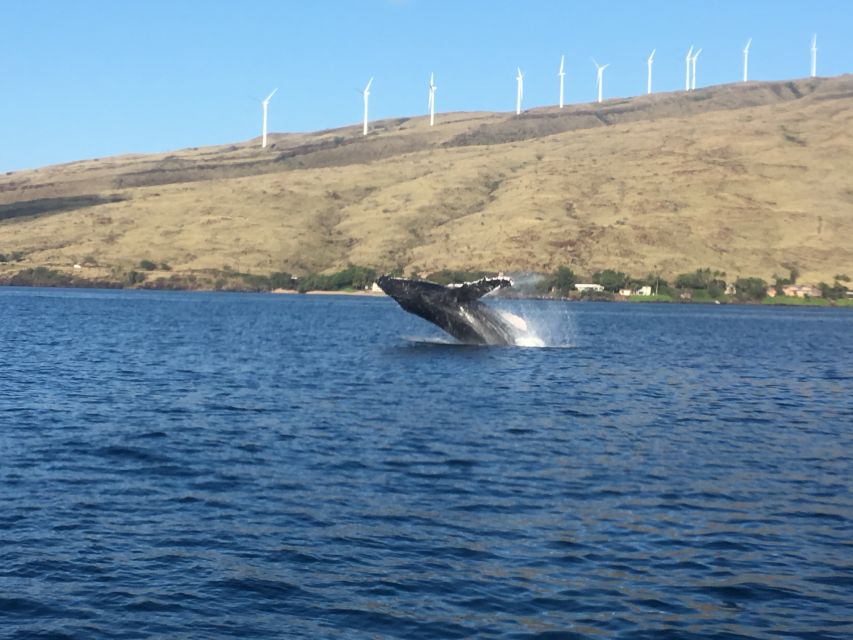
Humpback whales on Maui are known for dramatic behavior, and this tour is set up to help you catch the best moments. Based on what the tour promises and the way sightings are described, here’s what you should watch for:
- Mother-and-calf interaction: the cruise is designed around seeing mothers and their calves in close, natural behavior. This is often when the experience feels most personal—calves learning patterns, and mothers responding in ways that show how the bond works.
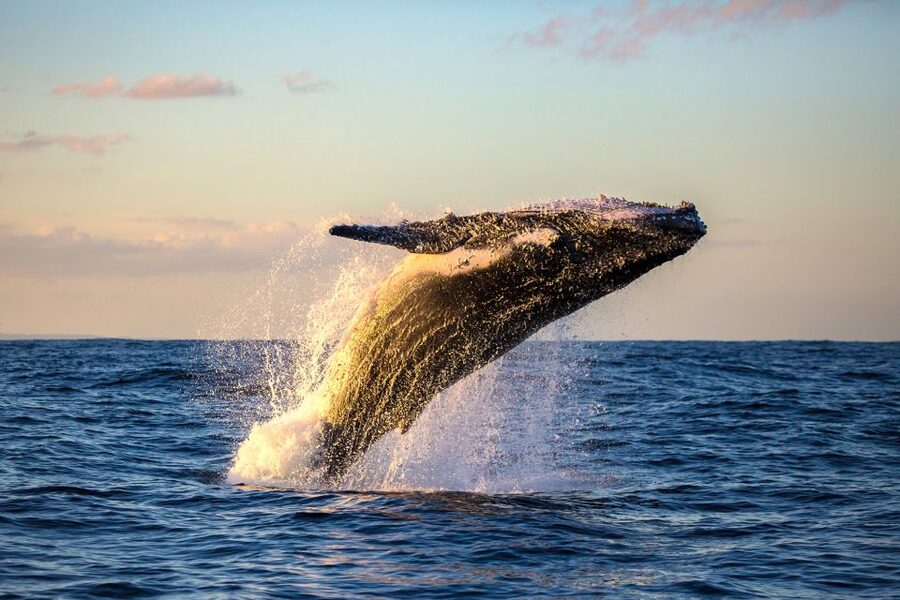
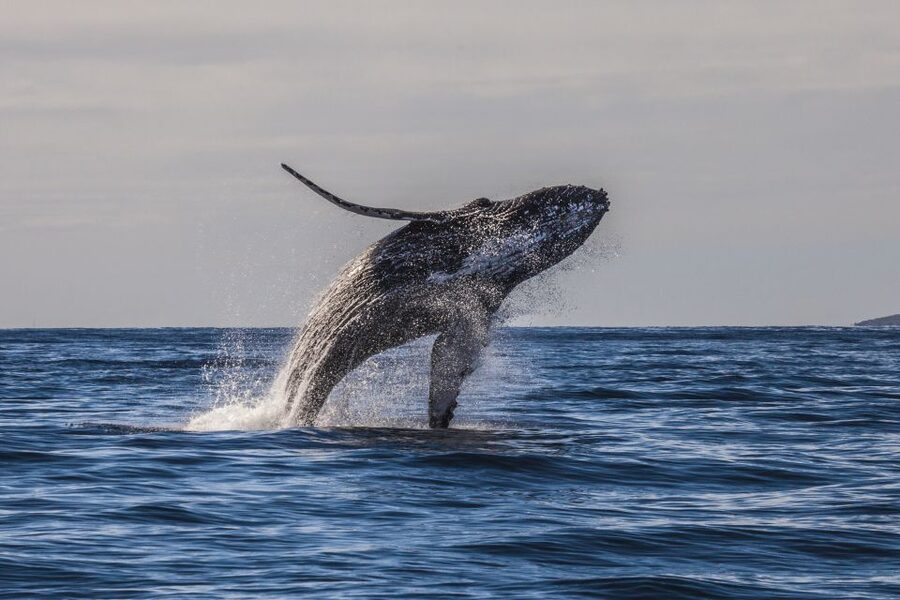
- Breaching and active surface behavior: the highlights mention whales fully breaching. Breaches can happen for many reasons, but either way, they’re the kind of event that makes everyone stop talking and just stare.
- Male competition: humpbacks can show competing behavior, especially as males vie for females. If you’re curious about the social side of whales, this tour frames it so you’re not just watching random flukes.
- Whale songs: with the hydrophones, you’re not limited to watching surface displays. You’re listening for communication.
One more thing I appreciate: the tour doesn’t treat whale behavior as trivia. It connects behavior to meaning—how humpbacks interact, what you’re seeing, and what it usually signals.
Marine Naturalists On Board: The Difference Between a Tour and an Education
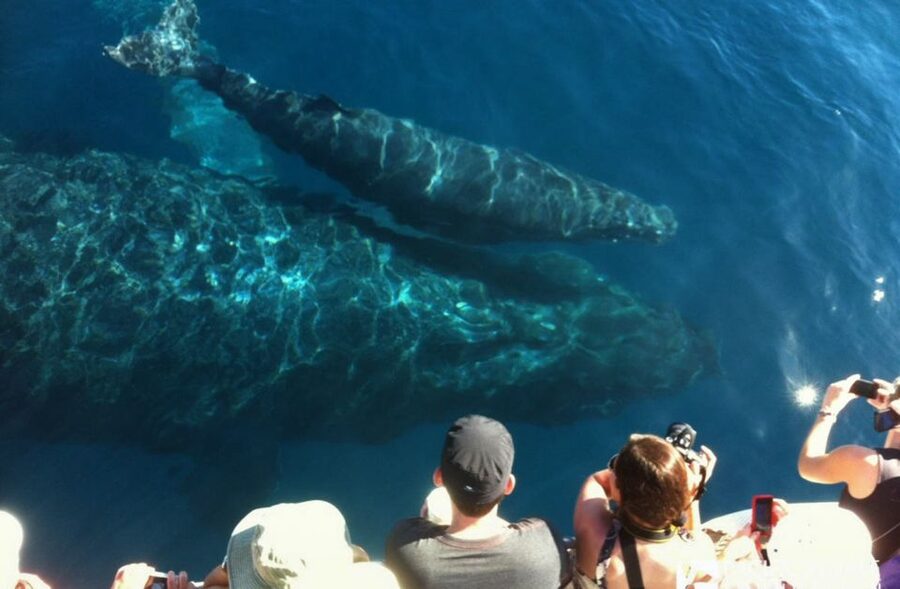
A certified Marine Naturalist guide changes how you experience a boat trip. You get commentary that’s tied to real whale behavior and characteristics, not generic “here’s a whale, isn’t nature neat” talk.
You’ll also benefit if you like questions. The naturalists are there to interpret what’s happening and answer them as you go. On past outings, guides have been described as both entertaining and very engaged, including names like Andi, Molly, and Dan. You shouldn’t assume you’ll get that exact team, but the consistent theme is clear: the guides bring real enthusiasm and get people paying attention.
Why this matters: whale-watching can feel hit-or-miss if you don’t know what you’re looking at. With naturalists guiding the spotting and explaining behavior, you spend less time wondering and more time understanding.
Kids, Reef-Safe Courtesy, and What to Bring (Besides Your Best Shoes)
If you’re traveling with children, the onboard Jr. Naturalist Program is included. That’s a big quality-of-life detail. Instead of making kids sit quietly through adult narration, the tour builds a kid-focused program right into the experience.
Reef-safe sunscreen is also part of the day. The tour notes say reef-safe sunscreen is provided at check-in, which is great because it removes a common planning headache. If you want more, there’s an onboard option: a 4 oz reef-safe tube available for $10 with a stated 40% discount.
As for what you should bring, the tour data doesn’t list gear requirements, but this is still Maui. I’d plan for sun and salt spray and dress for a boat ride. Also, bring your patience. Even on a good day, whale behavior isn’t scheduled. The tour’s job is to find whales and help you interpret what they’re doing once you spot them.
Rentals, Photo Card, and the Handy Extras That Save Hassle
You’re not stuck with only your phone camera. The tour offers affordable camera and binocular rentals, which is useful if you don’t travel with dedicated whale gear.
Another small but nice included touch: you get a marine wildlife glossy photo card. It’s not the main attraction, but it’s the kind of souvenir that feels connected to the learning side of the tour rather than just a generic memory.
You also receive filtered water, which helps you stay comfortable on board. Snacks and beverages are not included, so plan to eat before you go or plan something after.
Price and Value: Is $88 for Two Hours a Fair Deal?
Let’s talk money honestly. At $88 per person for a 2-hour cruise, this isn’t the cheapest option you’ll find. The value comes from what you get for that price:
- Certified Marine Naturalists and structured interpretation
- Underwater hydrophones, which many whale tours don’t include
- Family programming via the Jr. Naturalist Program
- Whale sightings guaranteed (or go again for free), which reduces the risk of paying for a disappointing outing
- A conservation tie-in, since the nonprofit supports ocean research, education, and conservation
The cost feels most fair when you care about more than just spotting whales. If you’re the type who wants to understand humpback behavior—calves, competition, songs—then hydrophones plus expert interpretation justify the price.
The main drawback on the value side is simple: no snacks or beverages included. If you tend to get hungry or you’re traveling with kids, that can add cost or require a separate plan. Also, you’ll want to account for parking since the lots require payment.
Eco-Friendly in Practice: What “Nonprofit Impact” Means for Your Day
This tour isn’t just branded as eco-friendly. It’s run by a nonprofit organization dedicated to protecting oceans through science and advocacy, and profits support ocean research, education, and conservation programs.
That matters for how you think about the experience. You’re not just watching whales. You’re also supporting the work that aims to understand and protect them. If you like spending money where it actually funds long-term effort, that’s a strong point in the tour’s favor.
Who Should Book This Tour, and Who Might Prefer Another Option
This tour is a great match if you:
- want a guided whale experience with Marine Naturalists, not just a self-directed search
- care about hearing whale songs using underwater hydrophones
- are traveling with kids who will enjoy the Jr. Naturalist Program
- prefer reduced risk thanks to the sighting guarantee or return-free option
It may be less ideal if you:
- want a “full package” trip with snacks and beverages included (you’ll need to plan around that)
- get seasick easily and aren’t willing to take preventive medicine as recommended
- are looking for a long day on the water. This one is built for about 2 hours, then you’re back.
Should You Book This Maui Whale Watching Tour From Ma’alaea?
If you want the most helpful kind of whale-watching—education plus real-time interpretation and the ability to hear songs—this is a smart pick. The included hydrophones and Marine Naturalist-led commentary are the big reasons to choose it. Add the whale sighting guarantee (or go again for free) and the nonprofit conservation impact, and the $88 price starts to feel more like a focused investment than a tourist gamble.
My call: book it if you’re ready to treat the trip like an experience with meaning, not only a sightseeing stop. Plan for motion sickness if you’re prone, eat beforehand since snacks and beverages aren’t included, and aim to arrive a little early so parking and check-in don’t cut into your first whale-spotting window.
FAQ
Where do I meet for this whale watching tour?
Meet at Pacific Whale Ocean Store, located in the Harbor Shops of Ma’alaea.
How long is the tour?
The cruise and whale watching last about 2 hours.
How much does it cost?
The price is $88 per person.
What’s included with the tour?
Included items are underwater hydrophones, an onboard Jr. Naturalist Program for kids, filtered water, a marine wildlife glossy photo card, and a whale sightings guarantee or go again for free.
Do you provide reef-safe sunscreen?
Reef-safe sunscreen is offered complimentary at check-in. If you need more, a 4 oz reef-safe tube is available onboard for $10 (a listed 40% discount).
Can I rent a camera or binoculars?
Yes. Camera and binocular rentals are available.
Is the tour good for children?
Yes. There is an onboard Jr. Naturalist Program as part of the experience.
What if I get seasick?
If you get seasick, the tour advises taking motion-sickness medicine one hour prior to departure.
Are snacks and drinks included?
No. Snacks and beverages are not included.
Is smoking allowed on the tour?
No. Smoking is not allowed.