REVIEW · MEXICO CITY
Xochimilco: Eco Tour With Food
Book on GetYourGuide →Operated by De la chinampa · Bookable on GetYourGuide
Peace, food, and chinampas on the water. This eco-focused Xochimilco tour pairs a 3-hour trajinera rental with a hands-on chinampa visit in the Cuemanco reserve zone, so you get the calm canal feel without the usual party-boat chaos. I love the slow pace on the water and the clear, practical guidance you’ll hear along the way, especially when guides like Ricardo bring the farming story to life.
I also love the food: Oaxacan chicken tamales in green sauce, fresh veg and guacamole, tamarind water, and café de olla—served in a traditional, earthy way. One possible drawback: the start can include a brief photo/visit stop and the first briefing may feel a little uneven for some languages, so if translation matters to you, pick a time when you can settle in and ask questions early (Pauline and Ricardo both seem to handle that well when you’re ready).
In This Review
- Key things that make this tour worth your time
- Xochimilco’s canals, but with a calmer rhythm in Cuemanco
- The 3-hour trajinera rental: why the timing matters
- Chinampa farming in plain English: what you’re really learning
- The Oaxacan meal is the comfort break you’ll remember
- How the flow works: from canal views to hands-on agriculture
- Private group value: who this suits best
- What to bring (so the day stays pleasant)
- Guide quality makes a difference here
- Price and what you’re really paying for
- Quick tips to get the most from your day
- Should you book this Xochimilco eco tour with food?
- FAQ
- How long is the Xochimilco eco tour with food?
- Where do we meet?
- What’s included in the price?
- What food will be served?
- Can I choose the start time?
- What languages is the guide available in?
- Is this tour wheelchair accessible?
Key things that make this tour worth your time
- 3 hours on a private trajinera so you’re not rushed and you can actually talk
- Chinampa farming visit focused on how this system works today, not just photos and slogans
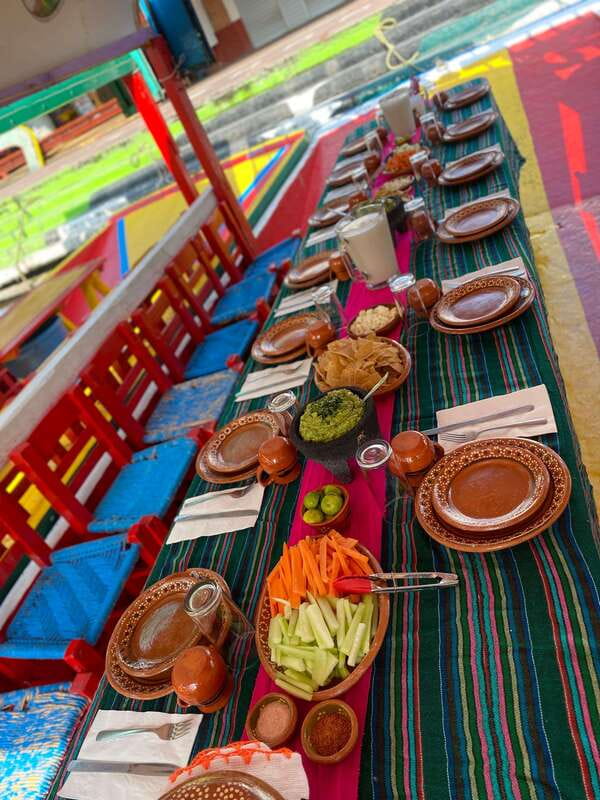
- A real Oaxacan meal with green-sauce tamales, guacamole, totopos, tamarind water, and café de olla
- Local expert guide style: guides like Ricardo and Pauline help you connect the canals to farming
- Eco rules and calm vibe: it’s designed to be respectful and quiet compared with the loud party scene
Xochimilco’s canals, but with a calmer rhythm in Cuemanco
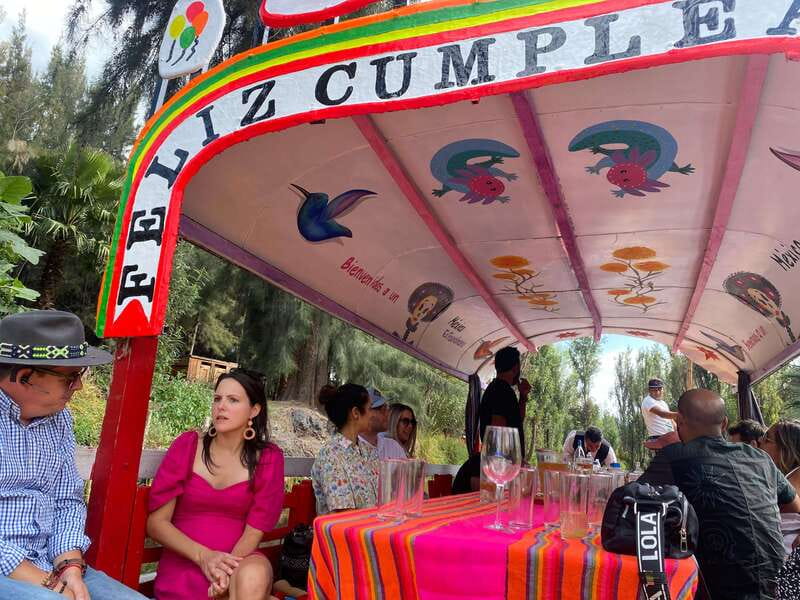
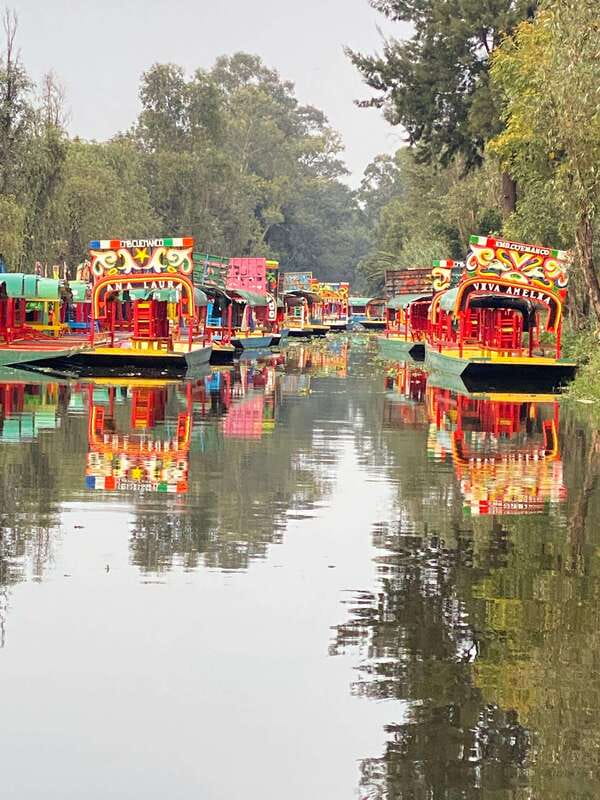
Xochimilco is one of those places where the setting can easily turn into noise and speed. This tour keeps the focus on the canals and the living system behind them. You’ll spend your main time on the water in a traditional trajinera setting, with guided commentary geared toward understanding what you’re seeing rather than just snapping photos.
Meeting at Embarcadero Cuemanco (Cuemanco) puts you in the right zone. From there, the tour flows like a well-timed nature-and-food outing: you get oriented, you set off, and you gradually shift from open canal views to the agriculture lesson. The whole thing is about making the famous Xochimilco experience feel grounded.
You can also read our reviews of more tours and experiences in Mexico City.
The 3-hour trajinera rental: why the timing matters
A lot of Xochimilco options feel short, frantic, or both. Here, you’re on the water for 3 hours, which changes the mood. You get time to settle into the gentle motion, enjoy the greenery, and actually listen when your guide explains what makes this part of Mexico unique.
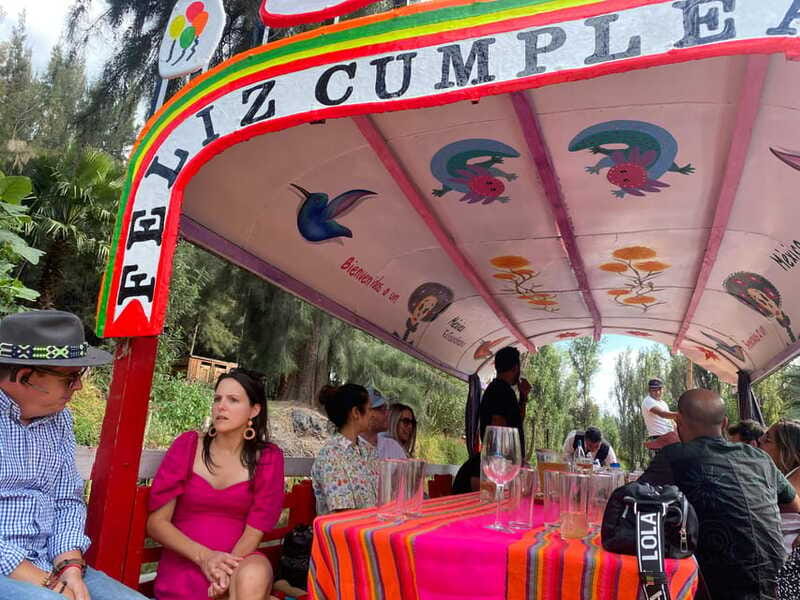
This is also a smart setup for groups that want conversation. Since it’s a private group experience (up to 9 people), you’re not stuck in a crowded boat where you’re forced to “share” a vibe that doesn’t match your day. If you’re traveling with family or friends, this kind of timing is where you’ll feel the value most.
Practical tip: plan for light cool air and possible mist. The tour asks you to bring warm clothing and an umbrella, and that’s a good clue that you’ll be better off comfortable than bundled awkwardly later.
Chinampa farming in plain English: what you’re really learning
Chinampas are the star here, and they’re worth your attention. These are small, rectangular growing areas built on fertile lake-bed conditions—an ancient agricultural method that’s still relevant. The point of your visit isn’t to treat it like a museum. You’re meant to understand how crops can thrive in a floating-farm style system and why that matters for ecology.
During the chinampa portion, you’ll hear a history lesson tied directly to sustainability. Your guide explains:
- how chinampas worked in the past,
- and what role they play now in ecological conservation.
You may also see locals tending crops. If the group dynamics allow it, you might even be offered small chances to assist with simple tasks. That’s one of the reasons I like this format: you’re not just looking. You’re learning the logic behind the system.
If you want a vivid guide story, two names from real experiences stand out. Ricardo has a reputation for being a gem and for adding extra detail to make the visit feel coherent. Pauline’s style is also praised for making the information land, especially alongside the meal.
The Oaxacan meal is the comfort break you’ll remember
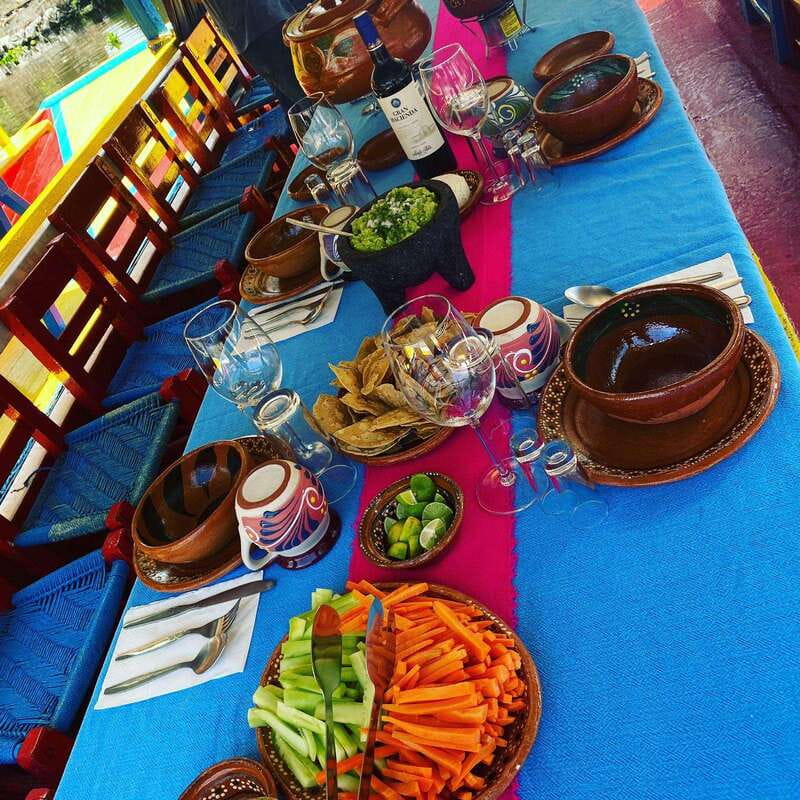
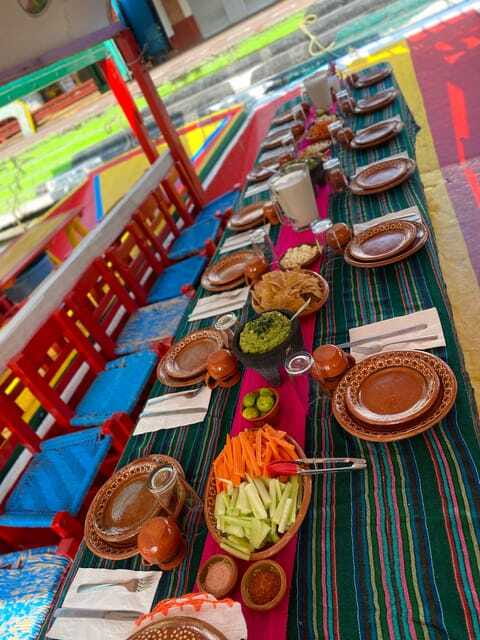
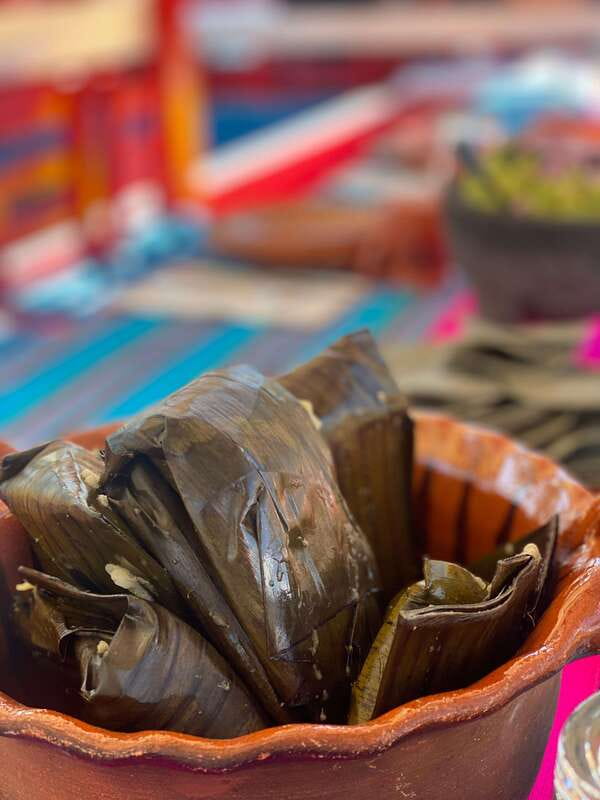
Food is included, and it’s not an afterthought. The meal is designed to feel part of the experience, served with handcrafted earthenware instead of a generic boxed-service vibe.
Here’s what’s on the table:
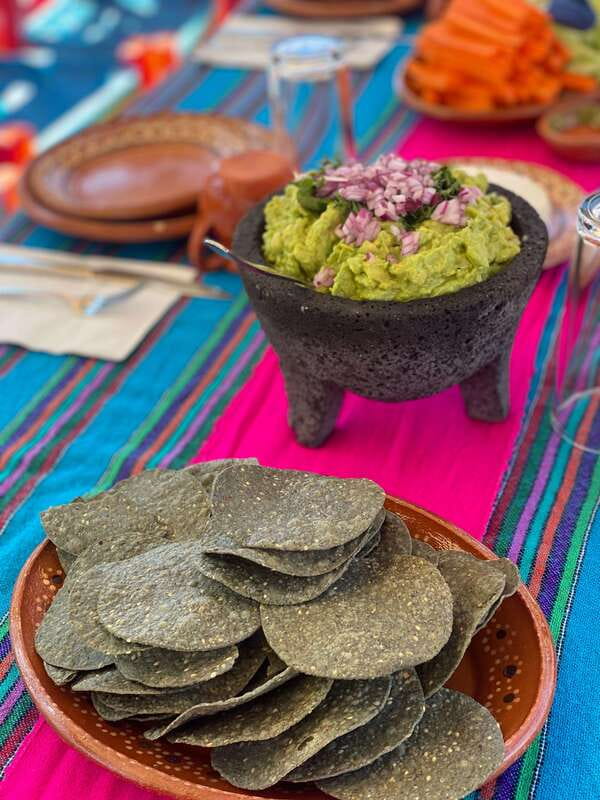
- Oaxacan chicken tamales in green sauce
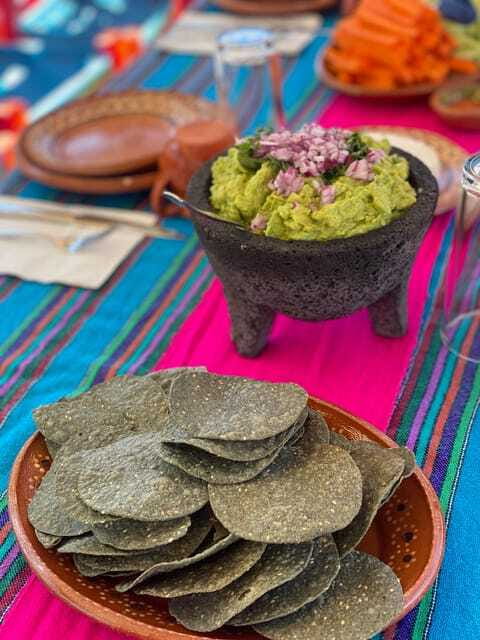
- fresh vegetables plus guacamole made with organic avocados
- totopos chips for dipping
- tamarind water (sweet-tangy, refreshing)
- café de olla with cinnamon and piloncillo
What I like about this menu is how it matches the setting. You’re on the water, then you shift to farming knowledge, and the food doesn’t fight the day—it supports it. Tamales plus warm coffee help if you’re feeling cool from canal breeze, and tamarind water is a nice palate reset.
Diet note: the details above are specific, so if you have allergies or dietary restrictions, you’ll want to confirm ahead of time what can be adjusted. The tour data doesn’t list alternatives, so it’s on you to ask early.
How the flow works: from canal views to hands-on agriculture
Even without a complicated schedule, the day has a clear rhythm. You’ll start at the Embarcadero de Cuemanco, get a safety briefing, and then head out on the boat. The guide provides commentary while you float—so the canal views and the chinampa story connect instead of feeling like two separate activities.
At some point during the experience, you’ll shift from the water to the chinampa visit. That’s where you learn the why behind what you saw: why these areas are arranged the way they are, and how the system supports planting and ecological goals. If your guide includes interactive moments, it’s typically during that farming portion rather than on the water.
A practical mindset helps here: let your guide’s story build in layers. First you see the canals. Then you understand the chinampa system. Then the meal makes sense as a local, grounded way to end the learning portion while you’re still in the environment that inspired it.
Private group value: who this suits best
This tour is priced at $554 per group for up to 9 people, and that matters. If you split it across a full group, the per-person cost drops fast. That’s usually the sweet spot for families, friend groups, and people who’d rather pay for a shared, relaxed experience than a lower-cost option that feels packed.
It also fits well if:
- you want a quieter Xochimilco day,
- you like eco themes but still want strong comfort value (the meal is a big plus),
- you’re the kind of traveler who enjoys practical context—how something works and why it persists.
It may be less ideal if you’re looking for a high-energy nightlife vibe. The entire design here leans calm and educational, and it’s specifically framed as the opposite of the typical party-boat approach.
What to bring (so the day stays pleasant)
The tour asks for a very practical list. I’d treat it like a checklist for comfort:
- Warm clothing (canal breeze is real)
- Umbrella (for mist or rain)
- Camera (this is a scenery-and-story day)
- Water
- Biodegradable sunscreen and biodegradable insect repellent
- Comfortable clothes and waterproof shoes
- Charged smartphone (you’ll want maps and photos ready)
- Cash (useful in case of small add-ons)
Also remember what’s not allowed. You can’t swim or fish, and you shouldn’t bring swimwear or anything that could be used unsafely. There’s also a clear no-littering rule and restrictions on things like weapons or sharp objects. Plan to treat this as a respectful reserve experience.
Guide quality makes a difference here
This tour lives or dies by how the guide explains what you’re seeing. The standout praise in the experiences you provided centers on two guides: Ricardo and Pauline.
Ricardo is praised for adding detail and for being enthusiastic about the area—especially helpful if you want more than general history and want the chinampa system explained in a way that actually clicks. Pauline is also praised for being very good at guiding the experience and for the overall clarity of the tour, alongside a delicious meal.
If you care about language, note that the tour runs in English and Spanish with a live guide. Still, one review flagged that translation could be improved. My advice: bring patience, and don’t be shy about asking a question early. In a private-group setting, you’ll usually get more personal attention.
Price and what you’re really paying for
At $554 per group up to 9, you’re paying for three things that are hard to separate:
1) A full private trajinera rental for a meaningful amount of time (3 hours),
2) a guided chinampa visit with history and eco-focused explanations,
3) an included Oaxacan meal with multiple components (tamales, guacamole, totopos, tamarind water, café de olla).
If you only care about a quick photo cruise, you might feel the price is higher than necessary. But if you want a calmer, longer experience with a real food stop and a contextual farming lesson, this is the kind of pricing that makes sense—especially once your group is close to the maximum.
Quick tips to get the most from your day
- Start with the mindset that this is education plus relaxation, not a party ride.
- Ask your guide to connect what you see on the canals to chinampa farming. It makes the whole tour click.
- If you’re sensitive to cooler air, dress for it even if the day looks sunny.
- Keep your phone charged and your camera ready early—then settle in and let the view and the story do the rest.
- If you’re traveling in a group, agree on meeting points and timing so you don’t lose time to small logistics.
Should you book this Xochimilco eco tour with food?
Book it if you want a private, calmer Xochimilco experience with real value: 3 hours on a trajinera, a chinampa farming visit tied to sustainability, and a full Oaxacan meal that’s more than a snack. It’s a strong fit for families, friend groups, and travelers who get more excited by “how it works” than by shouting over music.
Skip it (or consider another option) if you’re chasing a short, chaotic, nightlife-style canal ride. Also think twice if you need very polished translation at all times—some people have felt the start could use improvement—though a good guide and your willingness to ask questions can make a big difference.
FAQ
How long is the Xochimilco eco tour with food?
The tour duration is 3 hours.
Where do we meet?
You meet at Embarcadero Cuemanco (EMBARCADERO DE CUEMANCO), near Periférico sur Adolfo Ruíz Cortines, Xochimilco, 16034, Ciudad de México.
What’s included in the price?
The tour includes a trajinera rental for 3 hours and a meal.
What food will be served?
The meal includes Oaxacan chicken tamales in green sauce, fresh vegetables, guacamole, totopos chips, tamarind water, and café de olla.
Can I choose the start time?
Yes. You can choose the hour for the start of the tour after 11:00am, based on availability.
What languages is the guide available in?
The live tour guide is available in English and Spanish.
Is this tour wheelchair accessible?
Yes, the tour is listed as wheelchair accessible.