REVIEW · ALGARVE
Algarve Dolphin Watching & Marine Life Eco Tour
Book on GetYourGuide →Operated by Formosamar · Bookable on GetYourGuide
One thing I love about this area is how alive it feels at sea. This Algarve dolphin watching eco tour takes you from the calm waters of Ria Formosa out toward the open Atlantic, where seabirds and dolphins share the horizon.
Two things I like a lot: the certified nature guide (with live commentary) gives real context, not just spotting lists, and the route is built for chances at wildlife, cruising between barrier islands and farther offshore to see what’s actually out there.
The main consideration is simple: marine wildlife isn’t guaranteed. Dolphins (and anything else like turtles or whales) live on their own schedule, and weather and tides can shift timing.
In This Review
- Key Things That Make This Ria Formosa Dolphin Tour Worth It
- Where You Start: Formosamar in Faro’s Nautical Club Setting
- The Boat: What the RIB Experience Feels Like (and Why It Helps Wildlife Watching)
- Ria Formosa Barrier Islands: The First 30 Minutes That Set the Tone
- Cruising Out to Open Ocean: Why 10–12 Miles Offshore Increases Your Odds
- The Bird Show Over the Sea: What Seabirds Add to the Experience
- Ilha do Farol and Other Pass-By Highlights: Scenic Stops Without the Long Hassle
- The “Secret Stop” for Dolphin and Marine Life Watching
- Culatra Island and the Return to Ria Formosa: Finishing Strong
- What Animals You Can Realistically Expect to See
- Price and Value: Is $64 a Good Deal for an Eco Dolphin Tour?
- Who This Tour Fits Best (and Who Should Skip It)
- Practical Tips So You Get the Most From the Sea
- Should You Book This Algarve Dolphin Watching & Marine Life Eco Tour?
Key Things That Make This Ria Formosa Dolphin Tour Worth It
- RIB ride + safety brief: you get life vests and a clear safety setup before heading out.
- Dolphins plus real species variety: common and bottlenose dolphins, with possible sightings of sea turtles, sharks, and more.
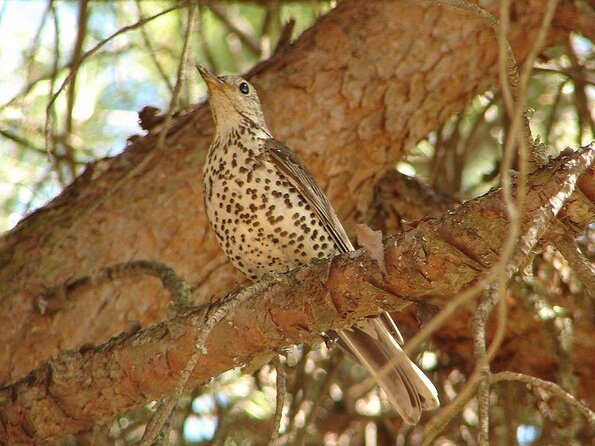
- Seabirds as constant guides: Northern Gannet, Balearic Shearwater, Mediterranean Gull, and storm petrels often fly overhead.
- Cruise pattern that makes sense: from Ria Formosa waters to 10–12 miles offshore for better odds.
- A short guided wildlife stop: a dedicated stop for watching and learning (about 30 minutes).
- Eco-minded approach: the operator supports marine conservation and runs as an ecotour.
Where You Start: Formosamar in Faro’s Nautical Club Setting
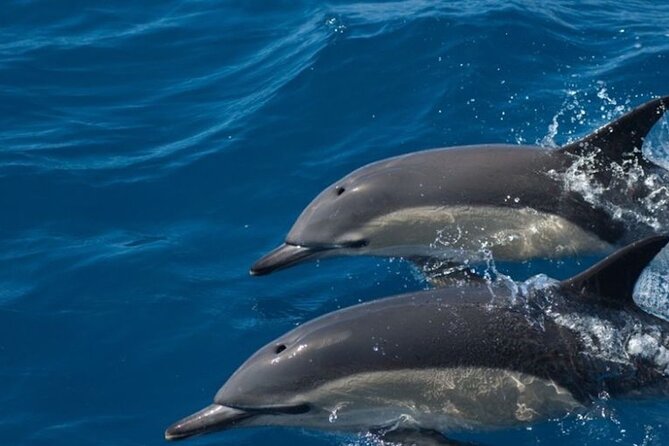
Your tour begins at Formosamar – Boat Tours Passeios na Ria Formosa. You’ll check in at the shop Boat Tours Store on the ground floor of the Ginásio Clube Naval de Faro (the Nautical Club of Faro). It’s a very straightforward start: arrive a bit early so you’re not rushing through the pre-departure flow.
This matters because the most comfortable dolphin watching starts before you ever see a fin. You’ll be geared up with life vests and get a safety briefing before you head out, and that makes the boat ride feel controlled even when the sea picks up.
You can also read our reviews of more tours and experiences in Algarve.
The Boat: What the RIB Experience Feels Like (and Why It Helps Wildlife Watching)
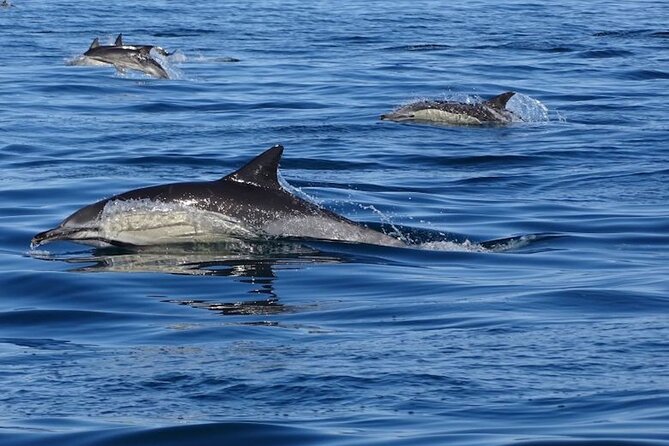
You’ll cruise aboard a RIB (rigid inflatable boat) with a nature guide onboard. RIBs are a practical choice for this kind of coastal wildlife trip: they handle choppier water better than you might expect and can get you farther offshore without wasting time.
The route is designed for wildlife encounters. You start in the Parque Natural da Ria Formosa area where the water is calmer, then work toward the open ocean. That shift is key. Offshore is where you’re more likely to find dolphins and other marine life feeding or traveling, but you still get a smooth transition from sheltered bay conditions.
Also, the tour includes live commentary. That might sound like the usual “look over there” narration, but here it’s part of the value: you’re learning what you’re seeing, and you’re more likely to spot wildlife that you’d otherwise miss.
Ria Formosa Barrier Islands: The First 30 Minutes That Set the Tone
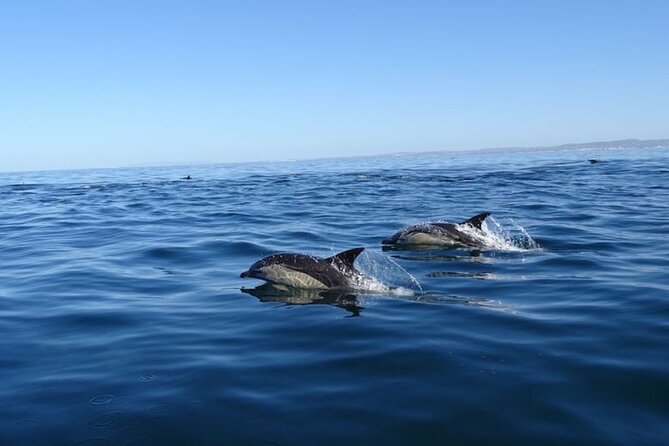
After the initial safety briefing, you’ll spend time in the Parque Natural da Ria Formosa zone. This is more than a warm-up. It’s a real ecological playground built around barrier islands, sheltered channels, and rich coastal habitat.
During this early segment you’ll also pick up your bearings. The guide’s commentary helps you understand what you’re passing and why it matters. And since seabirds are often visible from the start, it becomes easier to read the sea surface—where birds gather, where they glide, and where they dive.
You’ll likely spend about 30 minutes cruising and getting scenic views here before continuing on the longer part of the journey.
Cruising Out to Open Ocean: Why 10–12 Miles Offshore Increases Your Odds
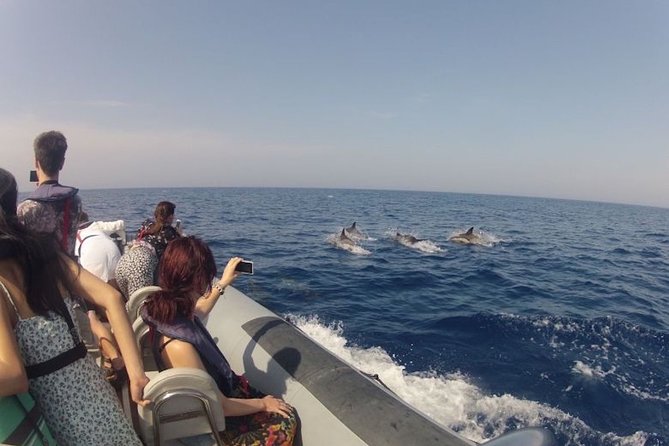
The standout “value move” on this tour is the offshore reach. The boat cruises through calm waters toward the open ocean and can reach roughly 10 or 12 miles offshore. That distance makes a difference. The Algarve coast has plenty of birds and sea life close in, but farther out is where encounters can broaden to include larger species and deeper-ranging animals.
You’ll pass along the Algarve coastline and by barrier-island sections, including Santa Maria Cape. The tour’s messaging also frames the region as Europe’s most southerly point, which is a neat geographic hook as you head out.
For you as a viewer, the practical result is this: you’re not just staying on the nearest stretch of water hoping for a lucky sighting. You’re covering more searching ground while still keeping the trip manageable at about 2.5 hours.
The Bird Show Over the Sea: What Seabirds Add to the Experience
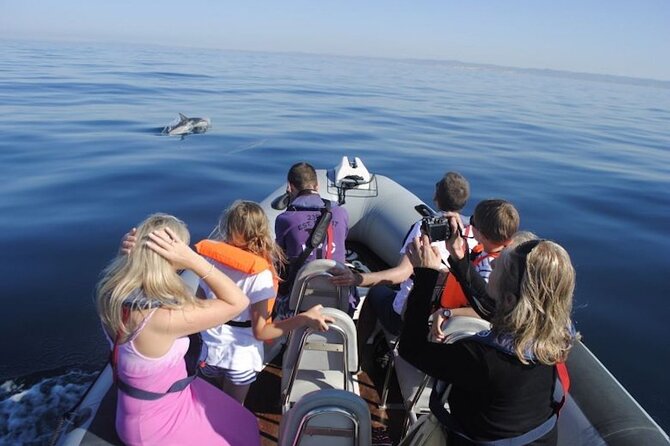
This is one of the most underrated parts of the tour. Even when dolphins are hard to spot in the first minutes, seabirds can keep your eyes busy and your excitement steady.
You may see:
- Northern Gannet
- Balearic Shearwater
- Mediterranean Gull
- Storm petrels
And if you notice seagulls around fishing boats, that’s normal coastal behavior. The important thing is how the guide helps you interpret patterns: where seabirds are gliding smoothly, where they’re picking at the surface, and when their movements hint at food below.
Bird watching doesn’t replace dolphin watching. It supports it.
Ilha do Farol and Other Pass-By Highlights: Scenic Stops Without the Long Hassle
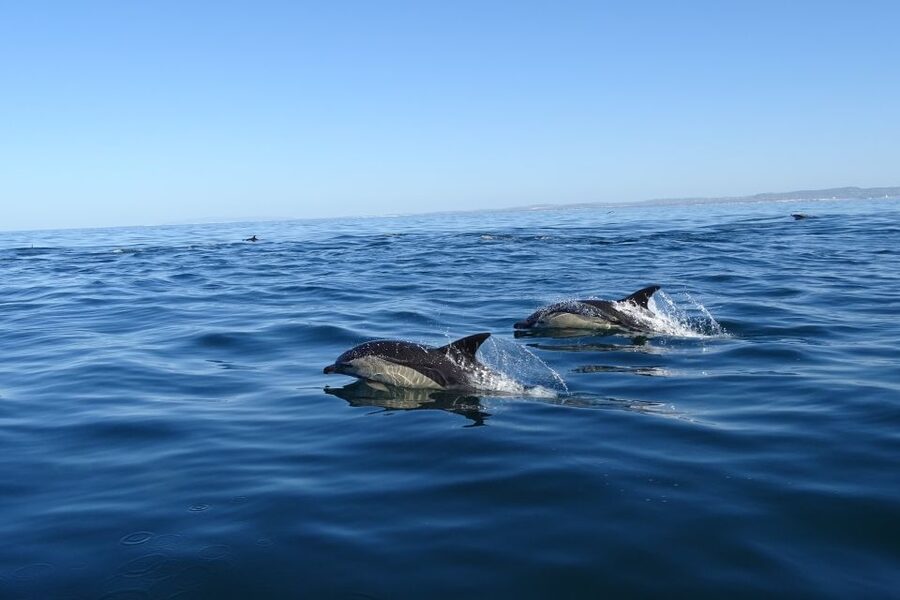
At points along the route, you’ll pass by highlights including Ilha do Farol and areas of the Ria Formosa natural park again on the way back. The tour doesn’t turn this into a bus-and-walk day. It’s mostly time on the water.
That matters if you want wildlife time over sightseeing logistics. You get to keep your focus on what’s happening out on the sea—sprays, surfacing blows, and quick changes in the water where a guide can call attention fast.
A scenic pass-by also helps your photos. The light along the coastline and barrier islands can look especially good from a moving boat, and you don’t need to climb anything or wait in lines.
The “Secret Stop” for Dolphin and Marine Life Watching
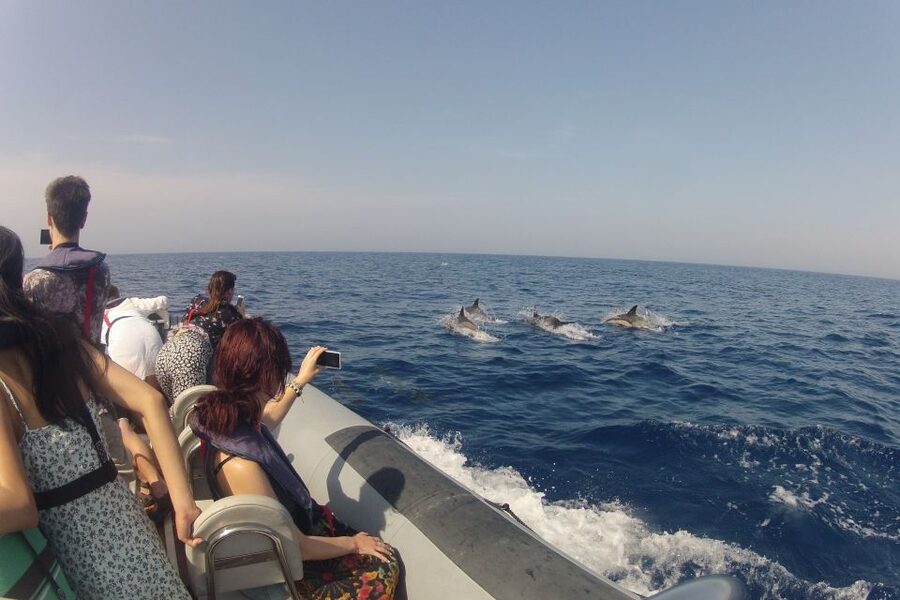
There’s a dedicated segment built around a guided stop—about 30 minutes—for more focused watching. This is where you’re more likely to slow down and really scan for wildlife rather than staying in constant travel mode.
The idea here is timing and positioning. When the ecosystem is active, you want time to watch closely. If dolphins appear near the boat’s path, that stop becomes the most intense stretch of the tour.
It’s also where the guide’s live commentary can really pay off. You’re not just counting breaths and body shapes; you’re learning what different species behavior can mean.
Culatra Island and the Return to Ria Formosa: Finishing Strong
On the way back, the cruise includes a pass-by near Culatra Island, then returns to the Parque Natural da Ria Formosa area where the tour ends.
This home stretch can still deliver wildlife moments. The sea isn’t a one-act play. Conditions change, and marine animals shift locations. If you’re the type who starts relaxing only after the most exciting part happens, I’d suggest staying alert until you dock.
What Animals You Can Realistically Expect to See
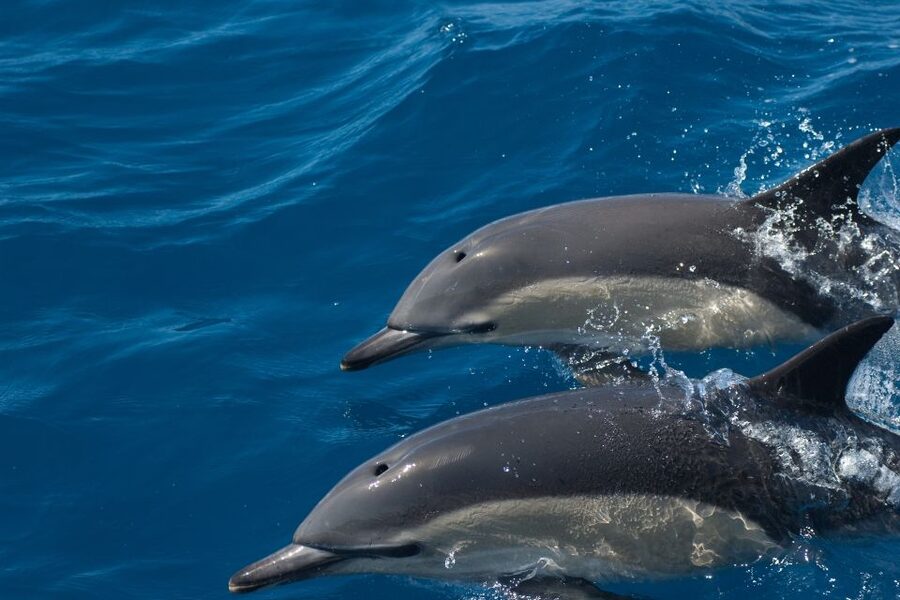
Because the tour is designed for wildlife in their natural habitat, you should treat sightings as “possible,” not “guaranteed.” The operator can’t promise dolphins every time, and encounters with any marine animals can’t be forced.
That said, the tour is specifically set up around a meaningful range of potential wildlife, including:
- Common dolphins and bottlenose dolphins
- Seabirds throughout (including gannets and shearwaters)
- Possible other sightings such as sea turtles
- Possible sharks and ocean sunfish
- Possible harbor porpoise
- Possible minke whale
One smart mindset for you: watch for patterns. When birds intensify in one area or the surface activity changes, dolphins may not be far off.
Price and Value: Is $64 a Good Deal for an Eco Dolphin Tour?
At $64 per person for about 2.5 hours, this isn’t a budget toy boat experience—and it’s not priced like a luxury yacht either. The value comes from what’s included:
- Boat trip
- Life vests
- Local guide with live commentary
- An open-air waiting area
What you’ll need to plan separately: food and drinks, plus you’ll arrange your own transport to the meeting point (no hotel pickup).
So, is it worth it? If you care about learning while watching—plus you want a serious shot at offshore wildlife—the price feels fair. If you want a guarantee of dolphins, you’ll be disappointed by any ocean tour, including this one. But if you want a well-run RIB eco experience with strong chances and good interpretation, this is a solid buy.
Who This Tour Fits Best (and Who Should Skip It)
This is best for:
- Dolphin and marine life lovers who don’t mind moving around and scanning the water
- People who enjoy nature guides and want context, not just a sighting hunt
- Photographers and bird lovers (seabirds are a major part of the experience)
- Most visitors who are comfortable on a boat and can handle being outdoors for a couple of hours
It’s not suitable for:
- Children under 5 years
- Pregnant women
- People with back problems
- Wheelchair users or anyone with mobility impairments
- Anyone traveling with pets (pets aren’t allowed)
If you’re sensitive to motion or have any physical limitations, I’d treat the boat ride as the key “risk factor” and plan accordingly with your health needs in mind.
Practical Tips So You Get the Most From the Sea
A few things to bring and think about:
- Bring your camera (and keep it ready, not buried)
- Wear comfortable clothes suitable for being on the water
- Keep in mind the trip depends on favorable weather conditions; if it’s canceled due to poor weather, you’ll have the option of an alternative date or a full refund
Also, the schedule and exact route details can change based on weather, tides, or security conditions beyond control. That’s normal at sea. The good news is the tour is built to make real use of the time you have.
Should You Book This Algarve Dolphin Watching & Marine Life Eco Tour?
I’d book it if you want a practical, nature-guide-led dolphin outing out of Faro, with a route that reaches farther offshore and a strong chance of seeing dolphins plus seabirds (even when dolphins are elusive). The guide-led commentary and the focused wildlife stop are exactly what turn “just a boat ride” into a more satisfying nature experience.
I’d skip it if you need certainty—especially around dolphin sightings—or if you fall into the tour’s “not suitable” categories like pregnancy, mobility issues, or young children under 5.
If your goal is to see marine life in the Algarve the way it’s meant to be seen—out on the water, scanning for movement, guided by local expertise—this tour is a smart pick.