REVIEW · ARUSHA
Elephant Safari Tanzania 4 Days **Sustainable Approach to Travel
Book on Viator →Operated by World Adventure Tours · Bookable on Viator
Rhinos and lions in four days. I love the way this trip puts Ngorongoro and Serengeti on the same clock, so you’re not just doing one famous park. I also love the practical setup: 4×4 safari vehicles with viewing roofs plus full meals at the camps, which cuts down on daily hassle. The one drawback to think about is the tight, fixed schedule, and it’s non-refundable if plans change.
You’re traveling with a small group, capped at 6 people, which usually means more calm time for spotting wildlife than big-vehicle chaos. Guides get real credit here too, with names like Philemon, Julius, Martin, and Patrick showing up alongside stories about strong animal-spotting and tireless driving. If you’re doing this from Arusha or Moshi, you’ll also like that pickup is part of the plan, starting at 7:30 am.
You’ll pay $1,500 per person, and the value comes from what’s included: park fees, an English-speaking driver/guide, safari-vehicle bottled water, and most of the trip’s food. Just keep in mind what’s not included—especially your Tanzania visa, flights, insurance, and gratuities—because those add up.
In This Review
- Key highlights I think you’ll care about
- Ngorongoro Conservation Area: crater day one and what to watch for
- Serengeti transfer and first-drive energy on day two
- A full day in Serengeti: picnic lunch and more chances to spot the big stuff
- Day four half-day game drive and the return to Arusha or Moshi
- Maasai village plus Olduvai Gorge: culture you can actually place in context
- Vehicles, pace, and group size: comfort for long savanna hours
- Price check: is $1,500 per person fair for what’s included?
- Who should book this safari, and who should pause?
- Should you book Elephant Safari Tanzania 4 Days?
- FAQ
- FAQ
- What time does the safari start?
- Where are you picked up for this tour?
- How long is the safari?
- Which parks and areas do you visit?
- What kind of vehicle do you use?
- Are park fees included in the price?
- What meals are included?
- Do you stay in camps during the trip?
- What is not included in the tour price?
- Is the booking refundable if plans change?
- How big is the group?
Key highlights I think you’ll care about
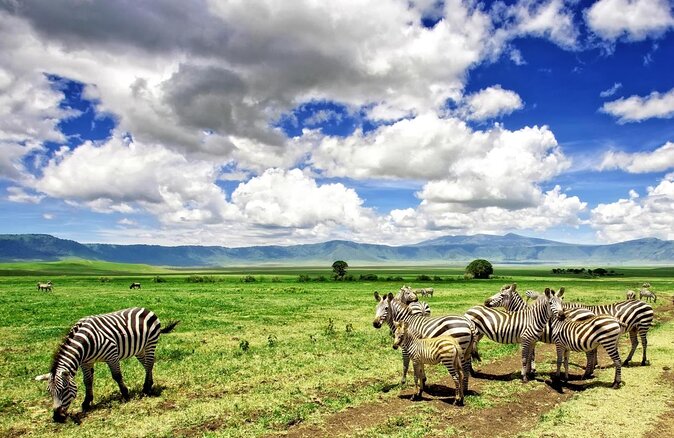
- Ngorongoro’s crater wildlife focus, including black rhinos and lion prides, plus water birds like flamingoes
- Serengeti game viewing with real time pressure handled well, from an en-route drive to a full day with a picnic lunch
- Full-board camp stays at Ngorongoro Wild Camp or similar, and Serengeti Wildebeest Camp or similar
- Small group size (max 6), which helps your guide manage routes and time in the parks
- Maasai village and Olduvai Gorge visit, so your safari isn’t only about animals
- Park fees covered and you get bottled water in the safari vehicle
Ngorongoro Conservation Area: crater day one and what to watch for
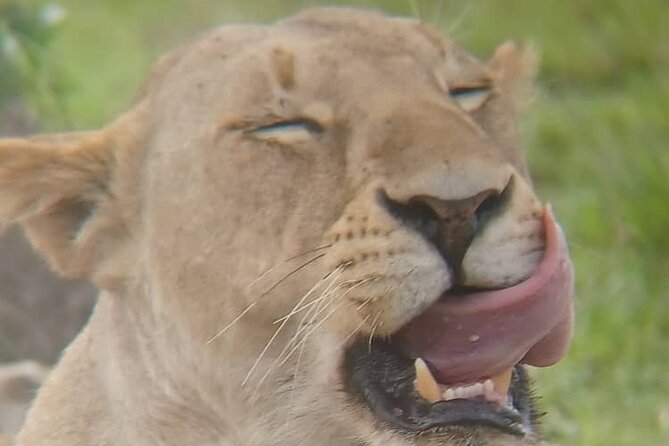
Day one starts with pickup from Moshi or Arusha and a drive into the Ngorongoro Conservation Area. Then comes the big wow factor: the crater game drives, where the operator specifically highlights black rhinos and prides of lions, including black-manned males. That matters because it tells you what the route is aiming for, not just a generic drive around.
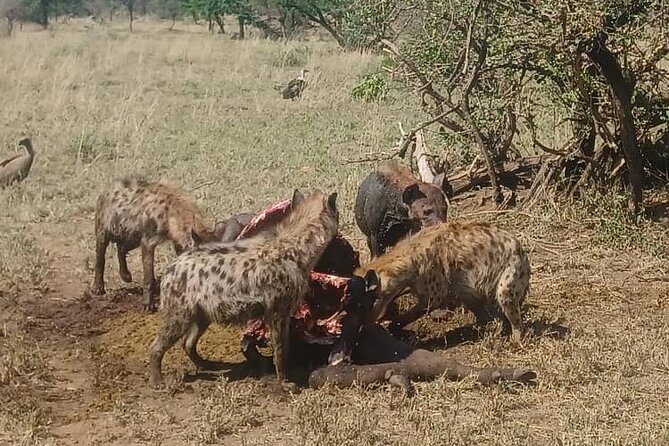
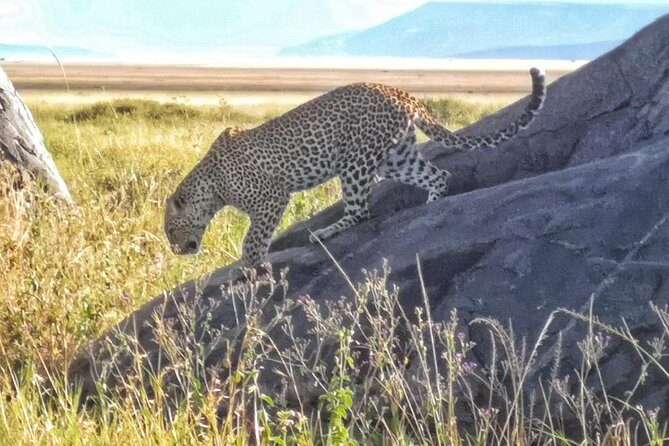
This is also where you can expect bird life to stand out. The plan calls out colourful flamingoes and other water birds, which is a nice change of pace if you’ve been scanning mainly for big mammals. And while you’re there, you can run into other predators and animals too—leopard, cheetah, hyena, plus antelope species and smaller mammals.
Timing is part of the experience here. You’ll do game drives, then in the late afternoon you’ll head to your overnight camp in the crater area—Ngorongoro Wild Camp or similar—for the evening. Expect a full meal setup (full board), so you’re not hunting for dinner plans after a long wildlife day.
Tip for your expectations: crater wildlife viewing can be intense and fast-moving. I like thinking of this day as your wildlife warm-up plus your “big target species” day, rather than trying to compare it point-by-point to every other safari.
You can also read our reviews of more tours and experiences in Arusha.
Serengeti transfer and first-drive energy on day two
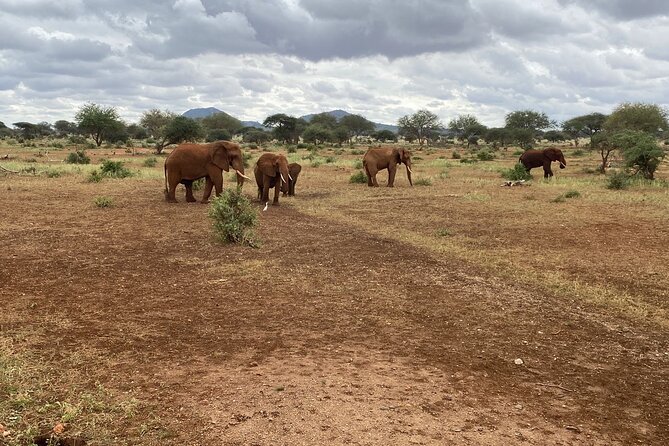
After breakfast, day two shifts from crater to plains with a drive to Serengeti National Park. En route, the plan offers a Maasai village visit, described as a chance to explore Maasai culture and even take part in cultural activities. This is one of those stops that can feel either meaningful or overly staged, depending on how the visit is handled—so go in with curiosity, respect, and a willingness to ask questions.
Once you reach Serengeti, the day keeps moving with a game drive en route to camp. That first evening drive is useful because it helps you get your bearings before a full day in the park. You then settle into Serengeti Wildebeest Camp or similar for dinner and overnight, again with a full-board setup.
What I like about how day two is structured is the balance. You’re not just transferring long distances and hoping the afternoon works out. You’re building your wildlife day in layers: cultural context first, then a game drive to start spotting patterns and habitat types.
One consideration: you’ll likely spend a lot of hours in a vehicle over the whole trip. That’s normal for a safari, but I recommend you treat it like a ride with purpose: bring water, wear sun protection, and keep your phone/camera charged for long stretches.
A full day in Serengeti: picnic lunch and more chances to spot the big stuff
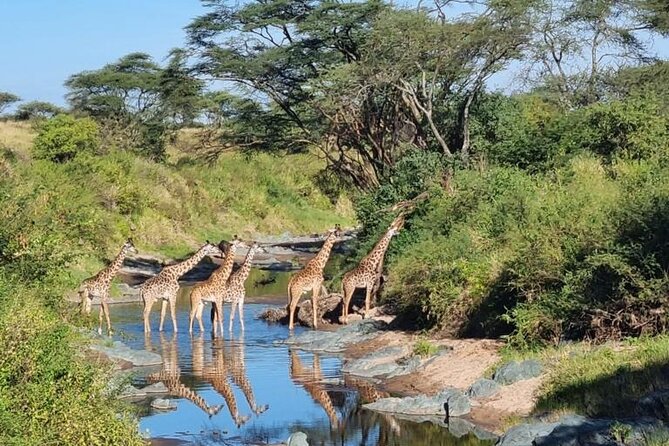
Day three is where you get real time inside Serengeti. After breakfast, you head out for a full day of game viewing in the park. You’ll have a picnic lunch during the day, which is a simple but smart detail—your day stays flexible without turning the schedule into a food scramble.
Serengeti is described as a world heritage site and, importantly, as a place with the earth’s largest concentration of plain game still roaming freely. Whether you measure that exactly or not, the practical truth is this: the sheer scale is why people come. You can feel it in how long you can look across the plain and still find movement.
In late evening, you return to Serengeti Wildebeest Camp or similar for rest, dinner, and overnight. This kind of rhythm works for me: push hard in the morning and afternoon, then come back while it’s still daylight enough to enjoy camp, talk with your guide, and recharge for day four.
Wildlife-spotting mindset that helps: don’t only scan for the biggest animals. In Serengeti, smaller sightings often lead you to bigger ones. Watch for tracks, water points, and where the guide positions the vehicle—those choices can make or break whether you see animals at all.
Day four half-day game drive and the return to Arusha or Moshi
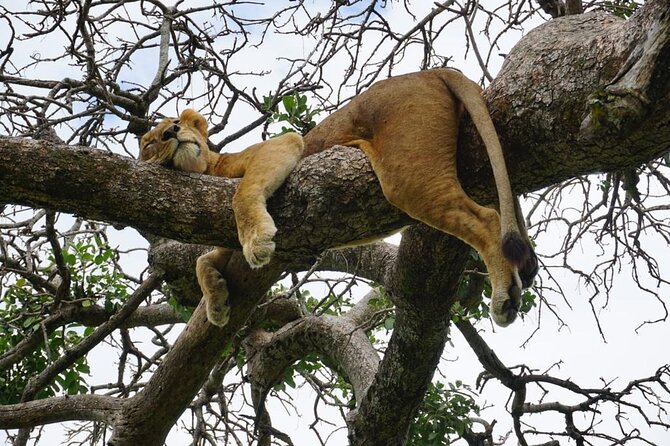
On day four, you get a half-day game drive after breakfast. This is your final chance to catch whatever you missed on the earlier days—maybe a better view of predators, or a last look at herbivores moving through the open areas.
Then, in the afternoon, you drive back to Arusha or Moshi. That end timing matters because it means you’re not ending your safari in a rushed scramble for transport at the last minute. It also gives you a smoother transition from park time to real-world time.
Practical note: because you’re finishing in the afternoon, plan your onward plans with cushion. Safari days run by wildlife timing, and your guide will likely adjust based on sightings and road conditions.
Maasai village plus Olduvai Gorge: culture you can actually place in context
One of the included highlights is a Maasai village and an Olduvai Gorge visit. The trip description frames Maasai village time as more than a photo stop, with the chance to explore Maasai culture and participate in some cultural activities. That can be a strong add-on because it reminds you that this is living land, not just a museum.
Olduvai Gorge is included as well, which helps balance the animal-heavy days. Even if you’re more of a wildlife person than a history person, it’s worth paying attention—because it gives you a sense of why this region is famous beyond safari icons.
How to get the most from these stops: ask straightforward questions and keep your attitude respectful. If something feels rushed, slow down your listening. The cultural portion is where you can learn the most in the least time, if you’re paying attention.
Vehicles, pace, and group size: comfort for long savanna hours
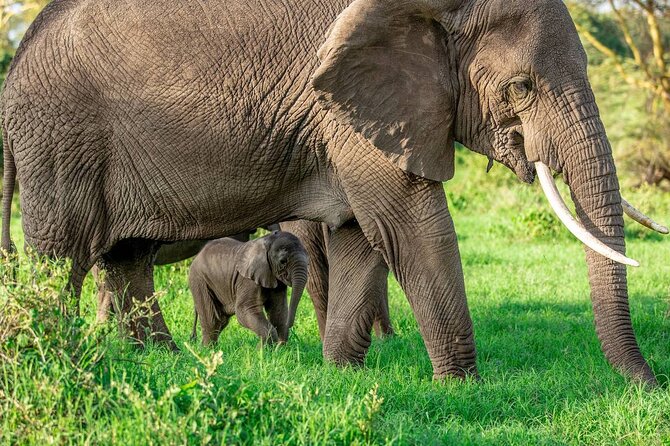
This safari uses 4×4 vehicles with viewing roofs, and it includes bottled water in the safari vehicles. Those details sound small until you’re out on game-drive roads for hours. A viewing roof helps you actually see what your guide spotted, instead of spending the day trying to angle around seatbacks.
The pace is active but organized. Pickup is set for 7:30 am, and you’ll move between parks across several days. With a maximum of 6 travelers, your guide can typically manage timing better than a crowded convoy. That small group cap is a big deal for my comfort level—more breathing room around the vehicle and less waiting.
Slight drawback to consider: “Most travelers can participate,” but this is still a safari built on early starts, long drives, and lots of time sitting. If you’re sensitive to motion or need frequent breaks, you’ll want to plan accordingly.
Price check: is $1,500 per person fair for what’s included?
At $1,500 per person for about 4 days, you’re paying for more than a list of parks. You’re paying for vehicle transport (including 4×4 roof vehicles), an English-speaking driver/guide through the safari, and park fees. You’re also covered for camp meals: breakfast, lunch, and dinner across the days listed, with full-board stays at both Ngorongoro Wild Camp or similar and Serengeti Wildebeest Camp or similar.
That’s why this price can feel reasonable compared to piecing a safari together from separate bookings. You’re not managing park entry costs, daily meals, or the transport logistics on your own.
What’s not included is equally important for real budgeting:
- Gratuities to your guide, hotel staff, and porters
- Tanzania entry visa
- International flights
- Travel and health insurance
If you’re booking with eyes open, the all-in parts are what make the price easier to swallow. If you’re expecting that your total cost ends at $1,500 and nothing else, you’ll need to adjust.
Who should book this safari, and who should pause?
I think this works best for you if:
- You want a 4-day sampler that hits two major park areas—Ngorongoro and Serengeti—without dragging it into a longer trip
- You like the idea of a small group (max 6) and a structured day-to-day rhythm
- You want wildlife days plus human context through Maasai village time and Olduvai Gorge
You might want to pause if:
- You’re not flexible about fixed dates, since the experience is non-refundable and can’t be changed
- You’re sensitive to sitting for long stretches, since the trip includes multiple full safari days with long drives
One more thing I really value: guide quality. In the feedback around this safari, names like Philemon, Julius, Martin, and Patrick come up with stories about careful driving and strong explanations—especially around animals and birds. That doesn’t remove the randomness of wildlife, but it does improve the odds that your sightings feel meaningful.
Should you book Elephant Safari Tanzania 4 Days?
If you want a tight, well-organized safari that balances famous wildlife with culture stops, this is a strong pick. The structure makes sense: crater targets on day one, Serengeti immersion on days two and three, and a clean half-day wrap-up on day four with a return to Arusha or Moshi.
Here’s my practical go/no-go checklist:
- If your dates are set and you can commit, book it. The included park fees and full-board camp meals do real work for your budget and stress level.
- If you might need to change travel plans, be cautious. The non-refundable nature makes this a “lock it in” kind of trip.
- If you want the best chance of seeing what the route aims for (black rhinos, lion prides, lots of bird life), go in with focus and let your guide run the day.
FAQ
FAQ
What time does the safari start?
The start time is 7:30 am.
Where are you picked up for this tour?
Pickup is offered from Moshi or Arusha.
How long is the safari?
The duration is 4 days (approx.).
Which parks and areas do you visit?
You visit the Ngorongoro Conservation Area and Serengeti National Park. The experience also includes a Maasai village and Olduvai Gorge visit.
What kind of vehicle do you use?
You travel in 4×4 vehicles with viewing roofs.
Are park fees included in the price?
Yes. Park fees are included.
What meals are included?
Breakfast, lunch (4), and dinner (4) are included, with full-board stays at the camps listed.
Do you stay in camps during the trip?
Yes. You’ll stay at Ngorongoro Wild Camp or similar on day one and Serengeti Wildebeest Camp or similar during the Serengeti nights.
What is not included in the tour price?
Gratuities, Tanzania entry visa, international flights, and travel/health insurance are not included.
Is the booking refundable if plans change?
No. The experience is non-refundable and cannot be changed for any reason.
How big is the group?
The maximum group size is 6 travelers.