REVIEW · KO LANTA
Ko Lanta: Tung Yee Peng Village Eco-Tour with Lunch/Dinner
Book on GetYourGuide →Operated by Lanta Tourist Center · Bookable on GetYourGuide
Mangroves on Ko Lanta feel quietly unreal. This Tung Yee Peng eco-tour strings together a private gondola ride, local village culture, and an included lunch or dinner you don’t just watch from the outside. I like that it’s not only about scenery; you’re also learning how people live right next to the mangrove ecosystem.
Two things I really enjoyed: first, the slow, motor-free gondola glide through the mangroves, where you notice wildlife instead of just rushing past it. Second, the food portion is hands-on, with a cooking moment and an authentic community menu designed for the tour. One drawback to consider is that if you’re picturing super-narrow jungle canals the whole time, parts of the ride can feel a bit repetitive before the wildlife moments break it up.
In This Review
- Key highlights at a glance
- Mangroves, village life, and Thai cooking in one day
- Pickup at 9:00 am or 1:00 pm, then straight to Tung Yee Peng
- The private gondola ride: slow, quiet, and actually scenic
- A practical tip
- Wildlife spotting without doing anything dumb
- Folk arts and handicrafts in Tung Yee Peng
- Cooking demonstration: the part that tastes best later
- Lunch or dinner: what the included meal usually feels like
- Price and value: is $80 a good deal?
- Who should book this eco-tour (and who should skip it)
- Practical tips: bring cash, mosquito spray, and patience for weather
- Should you book the Ko Lanta Tung Yee Peng eco-tour?
- FAQ
- What time is pickup for the Ko Lanta Tung Yee Peng tour?
- Is lunch or dinner included?
- Do I need to pay any extra fees?
- What’s included in the tour price?
- What languages do the guides speak?
- Are there rules about animals?
- Is this tour suitable for everyone?
Key highlights at a glance
- Private gondola in the mangroves: a quiet ride that lets you actually watch nature
- Village folk arts and handicrafts in Tung Yee Peng, not just a quick photo stop
- Cooking demonstration and participation with a special community menu
- Lunch or dinner included right after the food demo, plus time to relax
- Local guide support in English/Thai, including Gunn (often mentioned by name)
- Respect rules built in: no feeding animals, and you’re encouraged to be gentle with the environment
Mangroves, village life, and Thai cooking in one day
Ko Lanta’s beaches get all the attention, but the real personality of the island shows up when you move inland—toward the mangroves. This tour takes you to Tung Yee Peng, a village near the mangrove forest, and uses the waterway as your “how the ecosystem works” classroom.
What makes this experience satisfying is that it doesn’t treat food and culture like side quests. You get a nature ride, then a village-style understanding of daily life, then you eat what you learned. And because you’re in the Gulf of Thailand in a mangrove setting, the pace is naturally slower than typical sightseeing.
Pickup at 9:00 am or 1:00 pm, then straight to Tung Yee Peng
The day starts with hotel pickup and drop-off, with tours running either 9:00 am or 1:00 pm depending on the time slot you choose. That timing matters: the morning slot sets you up for lunch, while the afternoon slot leads into dinner, so plan your earlier or later meals accordingly.
Once you’re in the Tung Yee Peng area, the flow is straightforward. You arrive, step into the village environment, and then the gondola ride becomes the main “arrival moment,” like the calm before you shift from water to food and crafts.
If the weather turns, your itinerary can adjust. Mangrove and water activities depend on conditions, so keep your expectations flexible.
The private gondola ride: slow, quiet, and actually scenic
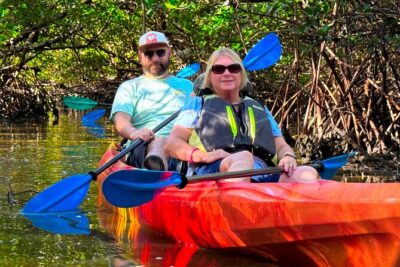
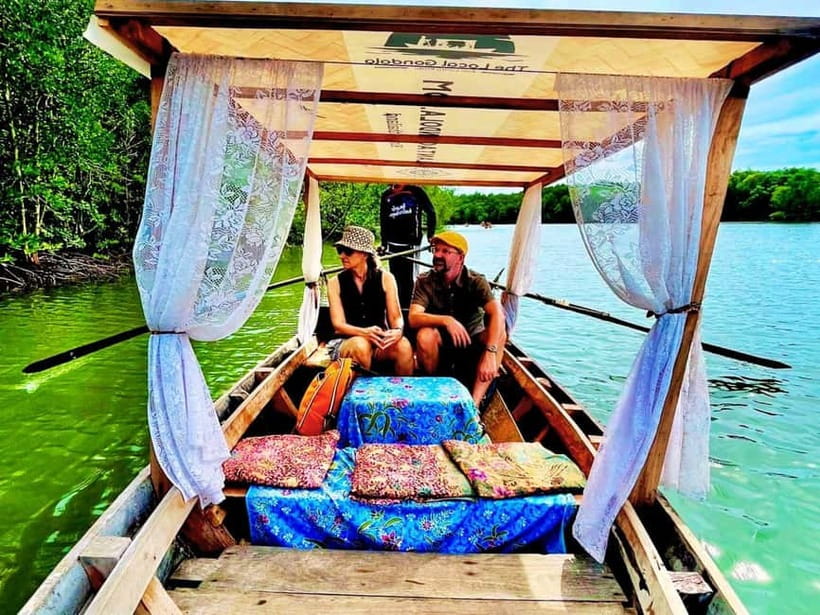
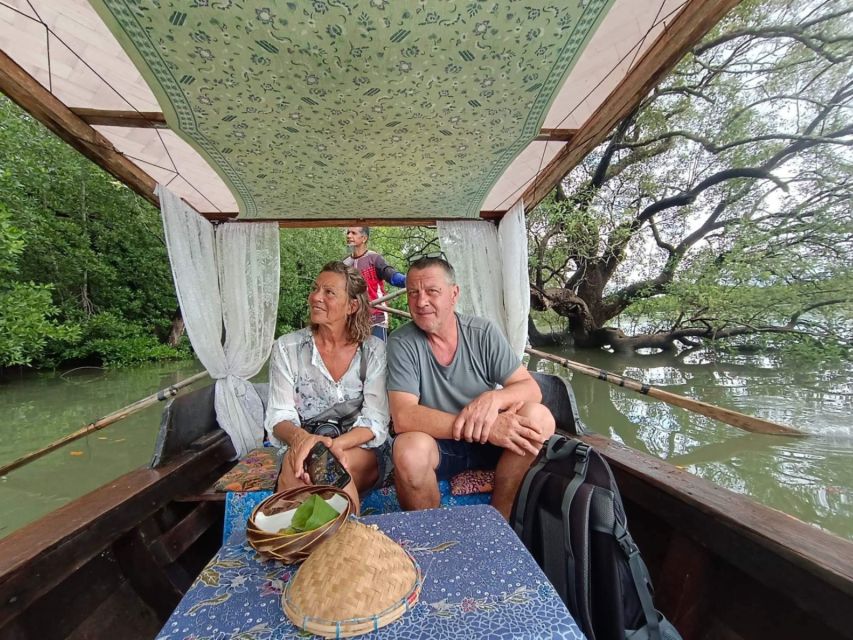
The heart of the tour is a private gondola through the lush mangrove area. A key detail I appreciated is that the ride is done in a way that feels motor-free, so you hear the water and the birds instead of the constant buzz that can make boat trips feel rushed.
This is where you learn how mangroves function. Mangrove roots aren’t just scenery; they’re a living structure that supports small life, provides shelter, and shapes the water environment around you. On the ride, you’re there for observation time, not speed.
You may also notice wildlife along the edges of the waterway, including mud fish, wild birds, and monitor lizards. And yes, I also took note that monkeys can show up in this area, including the kind of moments that break the ride’s “same-water” feeling when you’re stuck thinking you’ll only see mangrove after mangrove.
A practical tip
Bring your camera, but also remember sunglasses and a hat. The mangrove ride can still have strong sun reflections, especially if the morning or afternoon light is bright.
Wildlife spotting without doing anything dumb
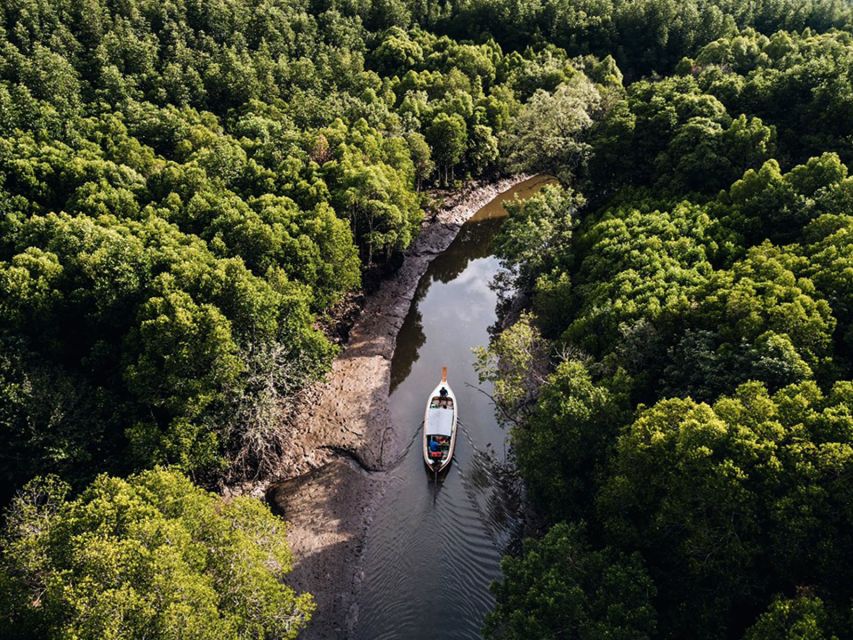
There’s a big theme here: watch nature, don’t interfere with it. The tour rules specifically say feeding animals is not allowed, and that’s a good sign for how the activity is managed.
In a mangrove environment, you’ll often spot wildlife indirectly. You might see movement near the waterline, hear birds before you see them, or catch the long shape of a lizard moving along a root system. When you go quiet and let the guide steer calmly, the wildlife moments feel more “earned.”
Also, the point isn’t to collect a checklist of animals. It’s to notice how the habitat supports life. That mindset makes the ride more fun, even when the waterway looks similar in places.
Folk arts and handicrafts in Tung Yee Peng
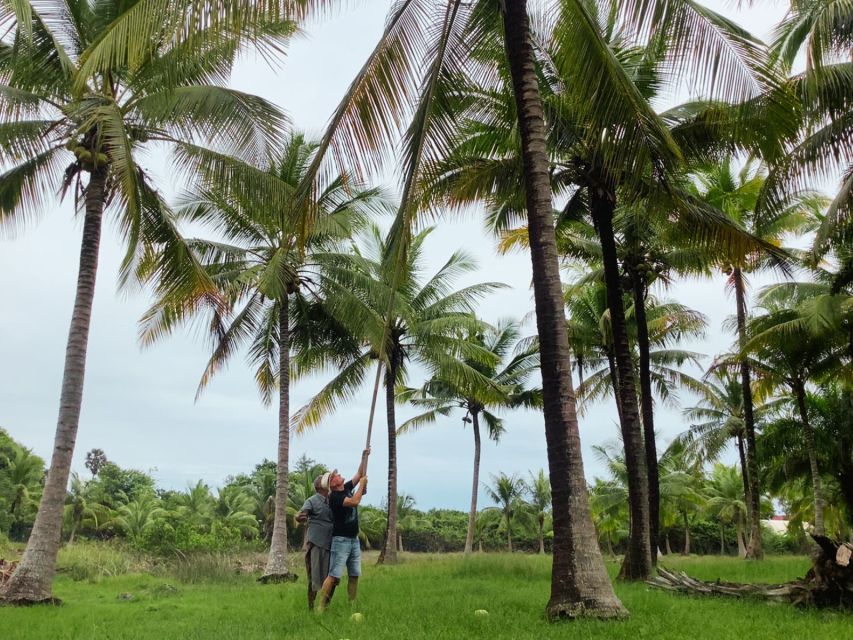
After the gondola, you shift from the water to the village. This is where the day becomes more than a boat ride with lunch attached. You’ll spend time in Tung Yee Peng and learn about the local way of life through folk arts and handicraft making.
In particular, I loved the practical, tactile side of this stop. Basket weaving using coconut palm leaves shows up here, and it’s the kind of craft that instantly makes you slow down and pay attention. It’s not just watching someone demonstrate; you’re learning why the materials are used, what the process feels like, and how the finished items connect to daily routines.
This portion also helps you understand what the mangrove protects. When you realize how much local life ties back to coastal resources, the mangrove ride makes more sense.
Cooking demonstration: the part that tastes best later
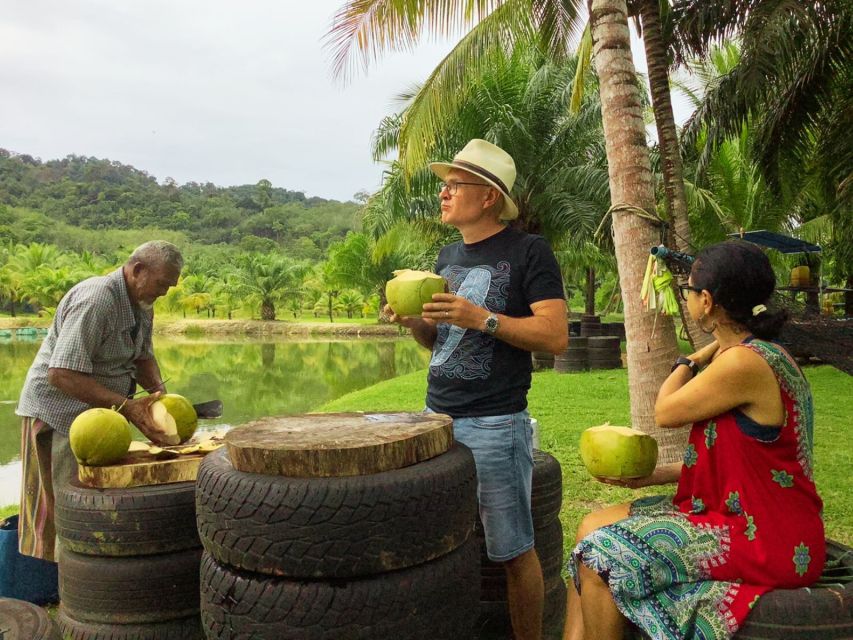
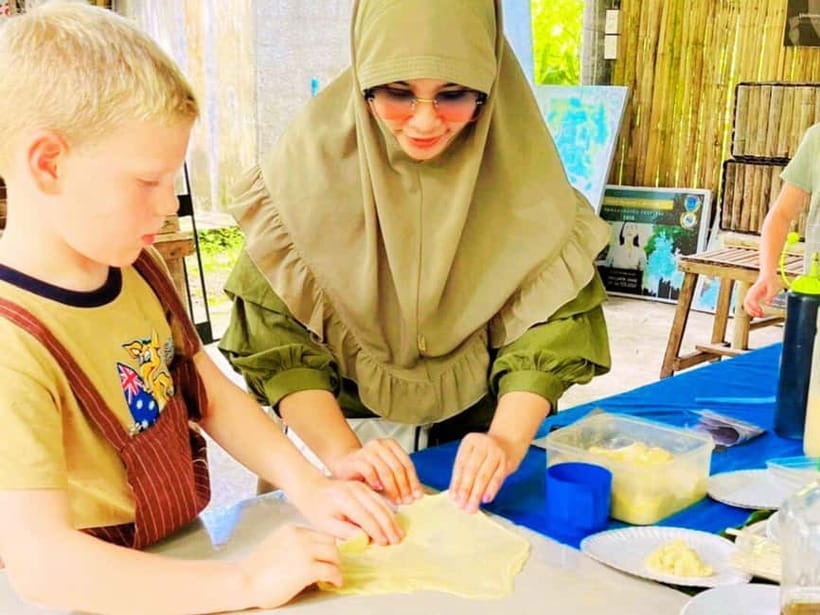
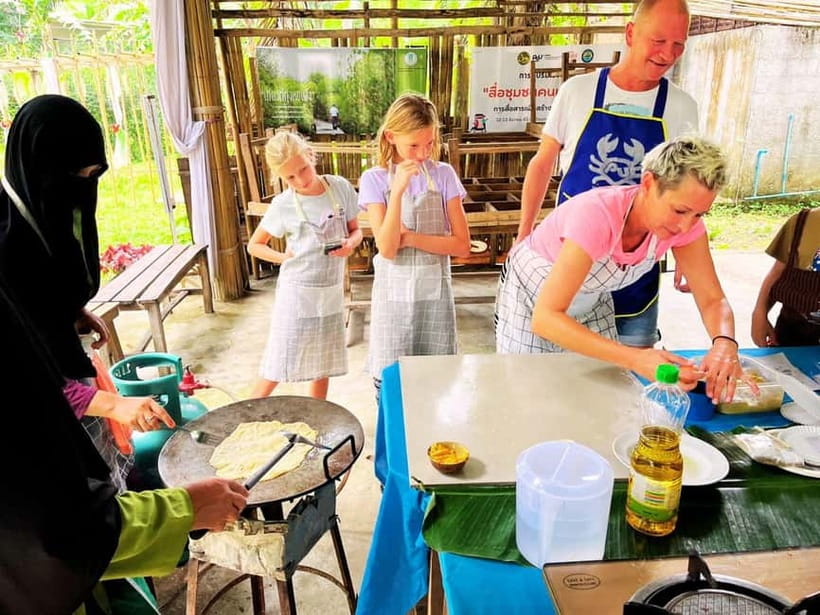
Next comes the food. This experience includes a cooking demonstration and a special menu designed by the local community. In the best case, you also get to participate—watching the process and joining in enough to understand what you’re actually eating.
Some dishes can include Thai classics such as Pad Thai, and I found the “see it, then taste it” timing makes a huge difference. You go from smelling spices to recognizing them on your plate, and that turns dinner into a memory instead of just fuel.
A nice detail is that the cooking moment can involve family-led instruction. I saw examples of cooking with a local family member (including arrangements involving the guide’s family), and that makes it feel more rooted and less staged.
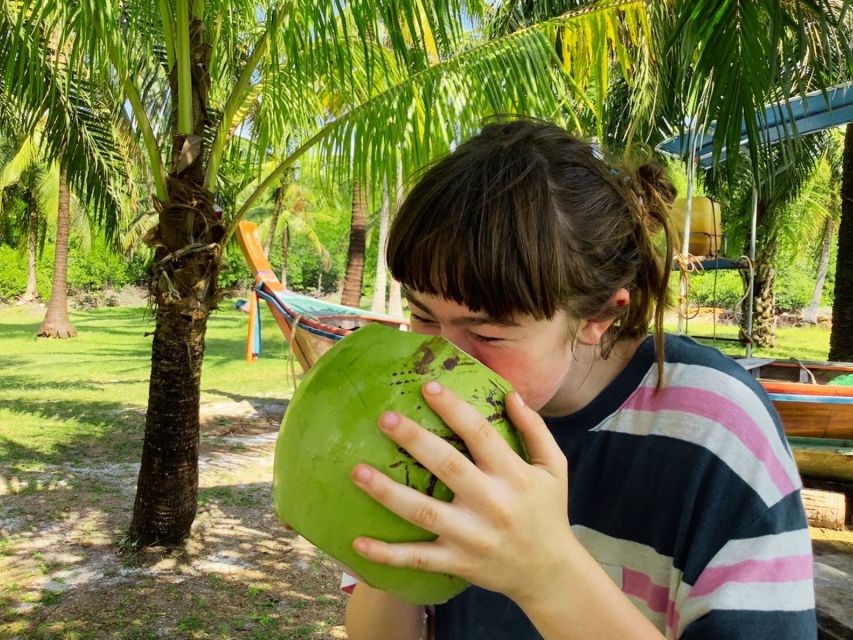
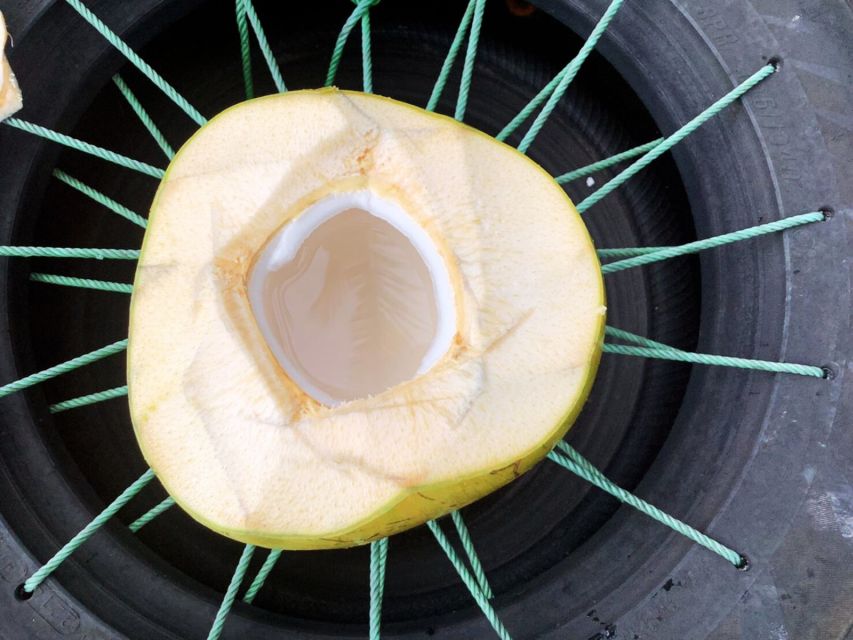
And yes, coconuts can play a role here too. If you’re seeing hands harvesting coconuts as part of the story of ingredients, it reinforces the connection between mangrove-village life and what ends up on the table.
Lunch or dinner: what the included meal usually feels like
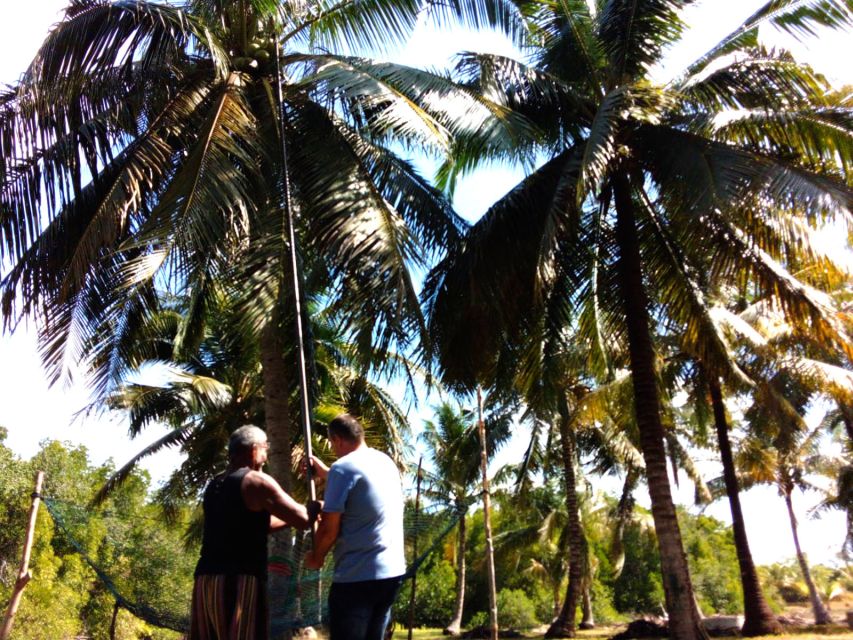
Your tour includes lunch or dinner in the village, depending on your selected time slot. The meal is part of the community-designed menu, so it tends to feel more like local food culture than generic tourist fare.
Expect a calm setup where you can eat, ask questions, and keep the day flowing naturally. There’s also a short rest period built in—about 30 minutes after eating—so you’re not immediately shoved back onto the next activity.
This rest time matters. By the time you finish the gondola and crafts, you’re sun-warmed and a little wind-battered. A quiet break helps you enjoy what you just learned instead of rushing into the next thing.
Price and value: is $80 a good deal?
At $80 per person, this tour sits in the mid-range for Ko Lanta experiences. The value makes sense when you add up what’s included:
- Hotel pickup and drop-off
- A local guide
- The private gondola ride
- Lunch or dinner
- Accident insurance
That’s not a small bundle. You’re paying for transportation, a guide, and a nature-focused activity that’s more controlled than a typical group speedboat outing.
Two costs to watch: the community maintenance fee is 20 Bath/Adult, and alcohol isn’t included. That maintenance fee is worth planning for because it’s directly tied to supporting the community side of the day.
If you’re comparing to cheaper boat trips, the big difference is that you also get village culture and a structured food experience. If you only want a quick boat ride, this might feel like more than you need.
Who should book this eco-tour (and who should skip it)
This tour fits best if you want a blend of nature, local culture, and food. It’s especially good for people who like small moments—watching wildlife without rushing, learning crafts, and tasting what locals consider normal everyday cooking.
It’s also a good match if you’re traveling with friends or as a couple and you like the comfort of a private gondola setup. That privacy usually helps you ask questions and stay attentive to what the guide points out.
On the flip side, it’s not suitable for pregnant women and not suitable for people with mobility impairments. If that affects you, skip it and look for a different Ko Lanta option with fewer physical constraints.
Practical tips: bring cash, mosquito spray, and patience for weather
This is a mangrove/village day, so prepare like you’re going outdoors.
Bring:
- Sunglasses and a hat
- Sunscreen
- Camera
- Cash (you’ll want it for the 20 Bath/Adult community maintenance fee)
Mosquito spray is recommended, and I’d treat that as non-negotiable for comfort. The tour also asks for polite dress, and it’s smart to follow the natural-systems rules by not littering.
One more practical note: the experience provider can adjust the itinerary due to bad weather or unforeseen events. In other words, don’t plan another tight appointment immediately after your pickup window.
Should you book the Ko Lanta Tung Yee Peng eco-tour?
I’d book this if you want more than a pretty boat picture. The combination of mangrove gondola, village folk arts, and an included Thai cooking menu gives the day structure, and that makes it feel worth the time and cost.
I’d pass if you’re only here for beach time and you don’t care about crafts or cooking. Also skip it if the physical demands don’t work for you.
If you’re deciding right now, here’s the simplest test: do you want a quiet nature experience plus a culture-and-food stop that’s tied to a community? If yes, this tour is a strong fit.
FAQ
What time is pickup for the Ko Lanta Tung Yee Peng tour?
Pickup happens at either 9:00 am or 1:00 pm, depending on the time slot you select.
Is lunch or dinner included?
Yes. You’ll get lunch or dinner in the village, depending on the tour’s time slot.
Do I need to pay any extra fees?
There is a community maintenance fee of 20 Bath per adult that is not included. Alcoholic drinks are also not included.
What’s included in the tour price?
Included items are hotel pickup and drop-off, lunch or dinner, a local guide, accident insurance, and the gondola ride.
What languages do the guides speak?
The tour is listed with English and Thai.
Are there rules about animals?
Yes. Feeding animals is not allowed.
Is this tour suitable for everyone?
No. It’s listed as not suitable for pregnant women and not suitable for people with mobility impairments.
If you want, tell me your travel dates and whether you prefer the 9:00 am or 1:00 pm slot—I can help you pick the better timing for weather, meals, and your day on Ko Lanta.