REVIEW · AMSTERDAM
“The 10 Most Polluted Masterpieces: A Sustainable Digital Tour”
Book on Viator →Bookable on Viator
Polluted art has a way of making you pay attention. This digital tour takes the idea of environmental damage and conservation and turns it into an interactive, avatar-guided experience built around the 10 most polluted masterpieces. You don’t shuffle room to room; you follow a guided route through an online space that focuses on sustainability.
I like that the format is short and easy to fit into a weeknight, with a time window that keeps you from overcommitting. I also like the teaching style—people really respond to clear explanations and the guide’s thought process (including accounts where the artist herself, Annelies, did the explaining). One thing to consider: since it’s online, your experience depends on your setup and attention span. If you want a classic museum walk with physical viewing, this won’t replace that.
In This Review
- Key things to know before you go
- Joining the Digital Tour in Amsterdam: Check-in and meeting point reality
- How the avatar-guided format works (and what you should prep)
- Stop 1: Getting oriented to the “10 polluted masterpieces” theme
- Stop 2: Touring the 10 works in one continuous digital route
- Stop 3: Where conservation meets action-minded sustainability
- Price and logistics: is $12.51 actually good value?
- Timing in Amsterdam: the 5:00–5:30 PM October window
- Accessibility and who it suits best
- What the best reviews highlight (and why they matter)
- FAQ
- FAQ
- Is the tour offered in English?
- How long is the digital tour?
- What is the price per person?
- Is it private or shared with other groups?
- When does it run in Amsterdam?
- What is the cancellation window?
- Should you book this digital tour?
Key things to know before you go
- Avatar-led guidance: you follow an avatar guide through the digital content
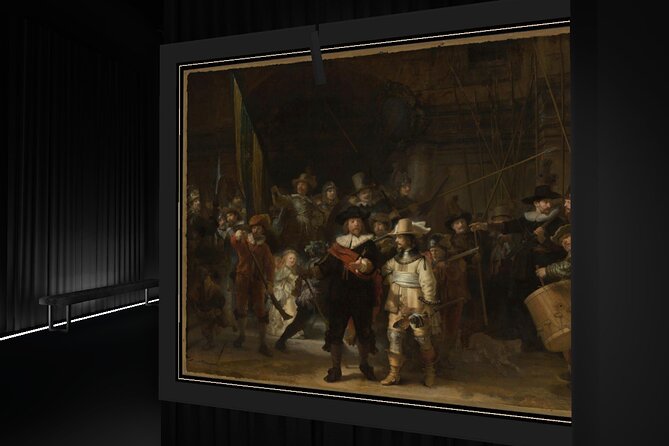
- Top 10 polluted masterpieces: a focused tour theme tied to sustainability and conservation
- Private for your group: only your group participates, so it feels less crowded and more controlled
- Mobile ticket access: you’ll use a mobile ticket for entry
- English experience: the tour is offered in English
- Time-slot limited: runs Monday–Friday, 5:00 PM–5:30 PM during October 2026
Joining the Digital Tour in Amsterdam: Check-in and meeting point reality
Even though this is an online experience, the tour is still tied to an Amsterdam “home base.” Your start point is listed at Paleisstraat 107, 1012 ZL Amsterdam, and the activity ends back at the same meeting point. In practice, what matters most is that you show up at the scheduled time—your place is secured for the session, and the experience runs only during the stated opening window.
This matters for planning. You can be near public transportation, which is helpful if you like to grab a pre-tour coffee or walk a short loop around the center first. But don’t plan a long sightseeing block right before. The tour is designed to be a clean, contained session—think “art lesson in a short window,” not “all-day cultural mission.”
How the avatar-guided format works (and what you should prep)
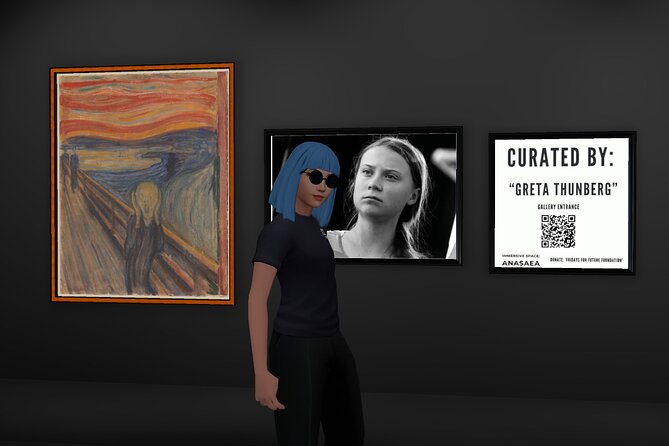
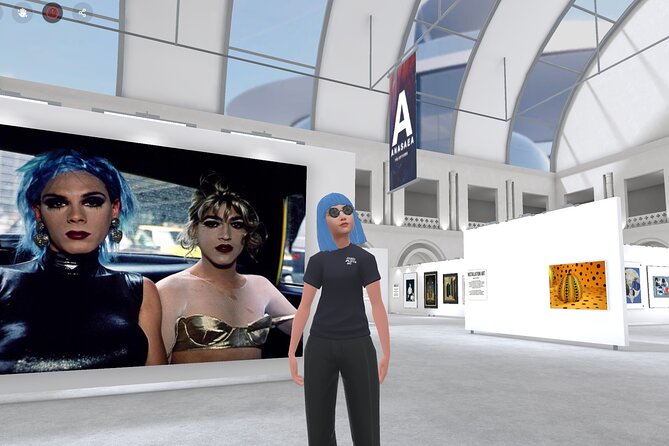
The whole setup is simple: you get a mobile ticket, you join at the scheduled time, and the guide appears as an avatar. That avatar role is more than a cute interface choice—it’s a way to keep the experience interactive while staying focused on one theme: sustainability and conservation.
Before you start, I recommend doing two quick practical things:
- Make sure your device battery is topped up (or plug in).
- Get to your spot early enough that you’re not fiddling with audio or screen size at the moment the session begins.
The tour is offered in English, so you won’t need to hunt for translations or switch settings mid-way. Service animals are allowed, and most people can participate, which hints that the experience isn’t built around strict physical tasks. Still, it’s worth noting that it’s not described as a long, multi-hour program. You’ll want a calm setup where you can actually follow the guidance for the whole run.
Also, because it’s private, you won’t be absorbed into someone else’s conversation. If you’re the type who likes to ask questions, or just wants the tour to move at a pace that suits your group, the private format is a real advantage.
Stop 1: Getting oriented to the “10 polluted masterpieces” theme
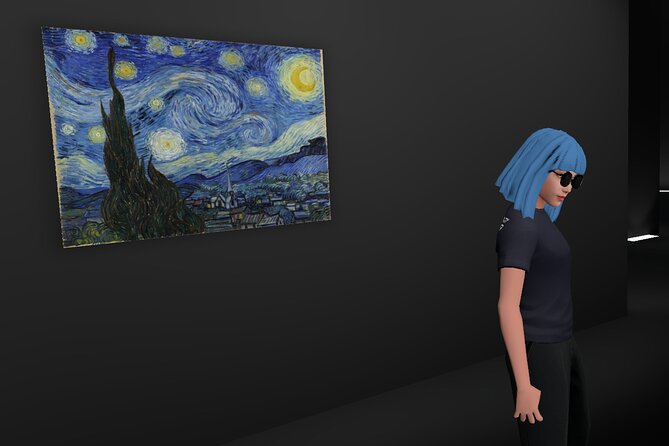
In the first part of the experience, the tour essentially sets the tone: you’re not just looking at art; you’re learning to read how environmental pressure can affect cultural objects. The guide leads you through a framework centered on sustainability and conservation.
This orientation step is important because it prevents the tour from becoming a list of facts. Instead, you start with a question: what does pollution do to art, and what does conservation try to do about it? Once that idea clicks, the rest of the tour becomes easier to track.
If you’re the sort of person who likes the thinking behind creative choices, this is where you may feel the strongest payoff. One of the most praised elements in the reviews is the clarity of the guide’s explanation and the value of insight into process and thought. When the guide is the artist herself—named as Annelies in some accounts—that kind of direct explanation can make even familiar concepts feel sharper.
Possible drawback here: because the tour runs only about 10 to 30 minutes, the orientation is likely fast. If you like slow pacing and deep context before you learn anything, you may want to treat this as the first step—not the only step.
Stop 2: Touring the 10 works in one continuous digital route
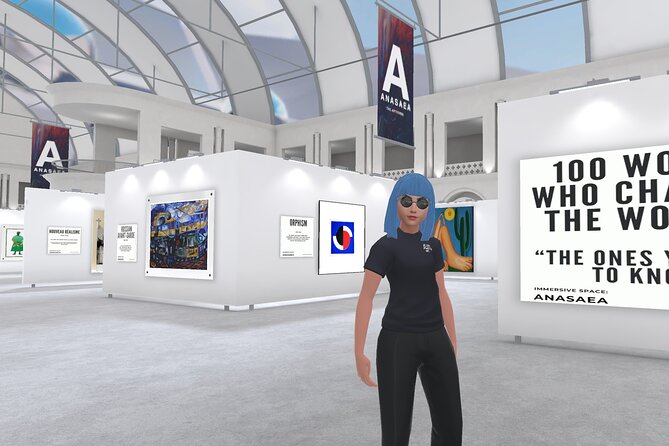
The heart of the experience is the guided run through the top 10 most polluted paintings. You’ll move through the set within a single session guided by the avatar, with the emphasis on sustainability and conservation.
What I think you should expect from this “ten works” format is a combination of:
- visual storytelling (the tour is built around paintings as the subject)
- a conservation lens (the theme is conservation, not just art trivia)
- sustainability as the practical connection (the tour’s viewpoint is about prevention and care)
Even though the experience is digital, it still tries to keep you engaged in the way a good museum guide does. The avatar guide format can help because it keeps attention from drifting. You’re not wandering. You’re following prompts and explanations tied to each work in the set.
One reason people rate this kind of experience highly is that it turns a big theme into a manageable bite. Ten works sounds like a lot on paper, but in a guided format, it becomes a structure you can follow without getting overwhelmed. And since it’s private, the experience can feel more like a lesson than a broadcast.
Stop 3: Where conservation meets action-minded sustainability
The final section brings the theme back to earth. This is where the tour’s conservation angle should feel most relevant to you, even if you’re not an expert in restoration. The idea is straightforward: pollution and environmental stress aren’t only a modern inconvenience—they affect cultural heritage too, and conservation is part of how we reduce damage over time.
This is also the part where people seem to appreciate the “so what” feeling. In the reviews I saw, there’s praise for how the experience offers an eye-opening perspective, including an update on what the virtual world can do for learning. That’s a big deal because it addresses a common fear: that digital tours are passive. Here, the tour positioning is that the digital format helps you learn the conservation story clearly and quickly.
Short session length is still a reality. At 10–30 minutes, the tour can’t teach everything about conservation. It’s more like an informed introduction. If you love it, you’ll probably want to follow up with additional reading or a real museum visit afterward.
Price and logistics: is $12.51 actually good value?
At $12.51 per person, the value depends on what you want from the experience. If you’re hoping for a long cultural program, this won’t feel like a full day out. But if you want an affordable, guided art lesson with a sustainability angle, the price-to-time ratio is strong.
Here’s why that matters:
- You’re not paying for a long transit chain or a full-day schedule.
- You’re paying for a guided structure built around a focused theme.
- The private format can be a plus, especially for small groups who want clarity without sharing the experience with strangers.
Duration is listed as 10 to 30 minutes, which is a wide range. In real planning terms, you should assume it will be short enough that you can pair it with other central Amsterdam activities—before dinner, after a museum, or as a low-effort add-on on a busy travel day.
Logistics are also refreshingly simple. You receive confirmation at booking, and you use a mobile ticket. The tour runs only Monday–Friday during a specific October 2026 window (5:00 PM–5:30 PM). That time-slot limitation is the trade-off for the convenience and affordability.
Timing in Amsterdam: the 5:00–5:30 PM October window
This is one of those tours where the calendar matters. The listed operating hours are:
- October 1, 2026 through October 31, 2026
- Monday through Friday
- 5:00 PM to 5:30 PM
So you’ll need to plan around the late afternoon start. I’d treat it like a “plan for after work” activity if you’re in Amsterdam during that month. If you’re traveling outside October, you’ll want to check what other dates or sessions might be available.
Because it’s a tight time slot, build in a buffer. Being on time matters since the experience starts when your session begins and runs for a short duration.
Accessibility and who it suits best
The experience says service animals are allowed, and most travelers can participate. That points to it being flexible and not requiring hard physical activity. Since it’s a digital tour, it also works well if you’re traveling with fatigue, bad weather, or limited time.
I think this is a good fit if you:
- like art but want it connected to real-world issues
- enjoy guided explanations and want the thinking behind the subject
- prefer a private, time-boxed activity rather than a crowded museum day
- want an affordable educational stop that doesn’t eat your whole afternoon
It may not be ideal if you:
- want a traditional in-person art viewing experience
- dislike relying on your own device setup
- need long, slow interpretation rather than a compact guided lesson
What the best reviews highlight (and why they matter)
The reviews don’t praise it for flashy tech. They praise it for communication. The most repeated themes are:
- informative, clear guidance
- explanations that add special value because the guide is the artist (named as Annelies in some accounts)
- a sense of discovery, described as an eye opener, especially for how the virtual world can teach
That tells you something important about what to expect. This tour is built to help you understand. If you’re the kind of person who loves when a guide connects ideas and makes you think, you’ll likely enjoy it.
Another subtle point from the reviews: the experience can feel more special when the explanation comes from the creator or someone deeply involved in the work. In other words, you’re not just getting generic facts—you’re getting a guided perspective that makes the theme feel personal and relevant.
FAQ
FAQ
Is the tour offered in English?
Yes. This experience is offered in English.
How long is the digital tour?
The duration is listed as about 10 to 30 minutes.
What is the price per person?
The price is $12.51 per person.
Is it private or shared with other groups?
It’s private. Only your group participates.
When does it run in Amsterdam?
It’s scheduled for Monday through Friday, 5:00 PM to 5:30 PM during October 2026 (October 1 to October 31).
What is the cancellation window?
You can cancel for a full refund up to 24 hours before the experience’s start time.
Should you book this digital tour?
If you want a short, guided art lesson with a clear sustainability and conservation angle, I’d book it. The strongest reason to go is the teaching style—clear explanations and real insight from the guide make it feel more than a passive digital slideshow. The private format and mobile ticket also keep it low-drama.
Just be honest about what you’re buying. This is not a full museum replacement, and the time slot is limited. If your dates don’t line up with that October 5:00–5:30 window, skip it rather than forcing it. But if you’re there when it runs and you want an art-and-environment conversation you can finish quickly, this is a smart, good-value choice.